
Introduction: Navigating the Global Market for AS Lotion Pump Bottle with Cap
In the dynamic landscape of global commerce, sourcing AS lotion pump bottles with caps presents a unique set of challenges for international B2B buyers. One of the primary hurdles is navigating the myriad options available, from diverse materials to various dispensing mechanisms, all while ensuring quality and compliance with local regulations. This guide offers a comprehensive overview of AS lotion pump bottles, detailing the different types, their applications across various industries, and essential tips for supplier vetting.
By exploring critical factors such as material durability, pump efficiency, and compatibility with various products, this guide empowers decision-makers in Africa, South America, the Middle East, and Europe—including regions like Nigeria and Germany—to make informed purchasing decisions. The complexities of cost analysis, minimum order quantities, and shipping logistics are also addressed, ensuring that buyers can effectively balance quality and affordability.
Whether you are entering the health and beauty market or seeking reliable packaging for household products, understanding the nuances of AS lotion pump bottles is crucial. This resource not only simplifies the sourcing process but also equips you with actionable insights to optimize your supply chain and enhance your product offerings in an increasingly competitive marketplace.
Understanding AS Lotion Pump Bottle with Cap Types and Variations
| Type Name | Key Distinguishing Features | Primary B2B Applications | Brief Pros & Cons for Buyers |
|---|---|---|---|
| Standard Lotion Pump | Available in various outputs (e.g., 2cc, 3.5cc), with ribbed sides | Cosmetics, personal care, cleaning products | Pros: Cost-effective, reliable. Cons: Limited customization options. |
| High Viscosity Pump | Designed for thick liquids, larger dip tubes (e.g., 11.8 inches) | Thick lotions, creams, industrial cleaners | Pros: Efficient for viscous products. Cons: May be bulkier. |
| Airless Lotion Pump | Maintains product integrity, prevents contamination | Premium skincare, serums | Pros: Longer shelf life, no air exposure. Cons: Higher cost. |
| Trigger Sprayer | Adjustable nozzle, versatile for liquid dispensing | Household cleaners, hair care products | Pros: Multi-functional, easy to use. Cons: Not suitable for thick products. |
| Customizable Lotion Pump | Options for colors, outputs, and branding | Niche markets, promotional products | Pros: Tailored branding, unique designs. Cons: Higher minimum order quantities. |
What Are the Key Characteristics of Standard Lotion Pumps?
Standard lotion pumps are the most commonly used type for dispensing lotions and creams. These pumps typically feature a ribbed design for easy gripping and are available in various output sizes, such as 2cc and 3.5cc. They are ideal for a wide range of applications, including cosmetics and personal care products. When purchasing, B2B buyers should consider factors like compatibility with their existing packaging and the reliability of the dispensing mechanism. Their cost-effectiveness makes them a popular choice, but customization options may be limited.
How Do High Viscosity Pumps Differ from Standard Options?
High viscosity pumps are engineered specifically for thicker liquids, making them suitable for products like creams and industrial cleaners. They often come with longer dip tubes, allowing users to access the last remnants of product in the bottle. B2B buyers looking for pumps for thick lotions should focus on the output size and the material used, as these factors can impact performance. While high viscosity pumps are efficient for dispensing thicker products, they may be bulkier and less versatile than standard options.
Why Choose Airless Lotion Pumps for Premium Products?
Airless lotion pumps are designed to maintain the integrity of sensitive products by preventing air exposure, which can lead to oxidation and contamination. This makes them ideal for premium skincare products and serums. B2B buyers should consider the higher cost associated with airless pumps, but the benefits of extended shelf life and product preservation can justify the investment. These pumps often feature sleek designs, enhancing the overall aesthetic of high-end products.
What Are the Advantages of Using Trigger Sprayers?
Trigger sprayers are versatile dispensing solutions that feature adjustable nozzles, making them suitable for various liquid applications, from household cleaners to hair care products. B2B buyers should evaluate the compatibility of these sprayers with their product formulations, especially if they are thicker than typical liquids. While trigger sprayers are user-friendly and multi-functional, they may not be suitable for viscous products, limiting their application in certain industries.
How Can Customizable Lotion Pumps Benefit Niche Markets?
Customizable lotion pumps offer options for colors, outputs, and branding, making them an excellent choice for businesses targeting niche markets or promotional products. B2B buyers should be prepared for higher minimum order quantities and longer lead times when opting for custom designs. The ability to tailor pumps to specific branding requirements can enhance product visibility and appeal, making them a valuable investment for companies looking to differentiate themselves in a competitive market.
Key Industrial Applications of AS Lotion Pump Bottle with Cap
| Industry/Sector | Specific Application of AS Lotion Pump Bottle with Cap | Value/Benefit for the Business | Key Sourcing Considerations for this Application |
|---|---|---|---|
| Personal Care Products | Dispensing lotions, creams, and serums | Ensures precise dosage and reduces waste | Compatibility with various viscosities and materials |
| Household Cleaning Products | Packaging thick cleaning agents | User-friendly dispensing for improved customer experience | Durability and resistance to chemical interactions |
| Pharmaceutical Industry | Delivery of topical medications | Maintains product integrity and enhances user convenience | Compliance with health regulations and safety standards |
| Food and Beverage Industry | Packaging sauces or condiments | Provides controlled dispensing to minimize spillage | Food-grade materials and regulatory compliance |
| Cosmetics and Makeup | Dispensing foundations and skincare products | Enhances brand image with stylish packaging | Customization options for branding and marketing |
How is the AS Lotion Pump Bottle with Cap Used in Personal Care Products?
In the personal care sector, the AS Lotion Pump Bottle is ideal for dispensing lotions, creams, and serums. These products often have varying viscosities, necessitating a reliable pump mechanism that delivers accurate dosages. This reduces waste and ensures customers get the most out of their purchase. International buyers, particularly from regions like Africa and Europe, should consider the compatibility of the pump with different formulations and the ease of use for consumers to enhance satisfaction.
What Role Does the AS Lotion Pump Bottle Play in Household Cleaning Products?
For household cleaning products, the AS Lotion Pump Bottle serves as a practical solution for dispensing thick cleaning agents. The pump design allows for user-friendly access to the product, which is essential in maintaining a clean and efficient home environment. Businesses can benefit from this by improving customer experience and reducing product waste. Buyers from South America and the Middle East should prioritize the durability of the pump to withstand various chemical interactions, ensuring longevity and performance.
How is the AS Lotion Pump Bottle Applied in the Pharmaceutical Industry?
In the pharmaceutical industry, AS Lotion Pump Bottles are crucial for delivering topical medications. These bottles help maintain the integrity of sensitive formulations while providing users with convenient access to their medications. Compliance with health regulations is paramount, and international buyers must ensure that the materials used in the bottles meet safety standards. The ability to customize the pump for specific dosages can also enhance patient adherence to treatment protocols.
What Are the Benefits of Using AS Lotion Pump Bottles in the Food and Beverage Industry?
The food and beverage industry utilizes AS Lotion Pump Bottles for packaging sauces and condiments, allowing for controlled dispensing that minimizes spillage. This feature enhances the user experience and can lead to increased customer loyalty. Buyers should focus on sourcing bottles made from food-grade materials to comply with health regulations. Additionally, understanding local market preferences can inform packaging design and functionality, particularly in diverse regions like Africa and Europe.
How Does the AS Lotion Pump Bottle Enhance Cosmetics and Makeup Products?
In cosmetics, AS Lotion Pump Bottles are used for dispensing foundations and skincare products, enhancing brand image through stylish and functional packaging. The ability to customize the bottle’s design and functionality allows brands to stand out in a competitive market. International buyers should consider the aesthetic appeal and usability of the pump to attract consumers. Furthermore, ensuring that the bottle materials are compatible with cosmetic formulations is essential for maintaining product quality.
3 Common User Pain Points for ‘AS Lotion Pump Bottle with Cap’ & Their Solutions
Scenario 1: Difficulty in Achieving Consistent Dispensing Accuracy
The Problem: One of the most common challenges B2B buyers face when sourcing AS lotion pump bottles with caps is the inconsistency in dispensing amounts. This inconsistency can lead to product waste, customer dissatisfaction, and potential financial losses. For companies that rely on precise dosages—such as cosmetics and pharmaceuticals—this issue becomes critical. If the pump dispenses too little, customers might perceive the product as ineffective; if it dispenses too much, it can lead to waste and increased operational costs.
The Solution: To address this challenge, buyers should focus on selecting pumps designed specifically for the viscosity of their products. When sourcing AS lotion pumps, inquire about the output specifications; for example, a pump with a 2cc output might be ideal for thicker lotions. Additionally, ensure that the bottle and pump system is compatible with the product’s formulation. Testing samples of different pumps can also help determine which provides the most reliable and accurate dispensing. Suppliers often provide sample pumps upon request, allowing businesses to conduct in-house trials before making a bulk purchase.
Scenario 2: Compatibility Issues with Various Product Formulations
The Problem: Many B2B buyers encounter compatibility issues when their lotion pump bottles do not work well with certain formulations. For instance, high-alcohol content products or those containing essential oils may degrade the plastic over time, leading to leaks or pump failures. This not only affects product integrity but can also cause logistical headaches, including product recalls and customer complaints. Buyers need assurance that their packaging will stand the test of time and maintain product quality.
The Solution: Conduct thorough research into the materials used in both the lotion pump and bottle. AS (Acrylonitrile Styrene) is known for its durability and resistance to certain chemicals, but it’s crucial to verify compatibility with specific formulations. Engage with suppliers who can provide detailed material safety data sheets (MSDS) for their products. Furthermore, consider using airless pump systems that minimize contact with air, preserving the quality of sensitive formulations. Always request samples to test compatibility before placing large orders, ensuring that the packaging meets the specific needs of your products.
Scenario 3: Challenges in Customization for Branding Purposes
The Problem: In a highly competitive market, the ability to customize packaging plays a significant role in brand differentiation. B2B buyers often struggle to find AS lotion pump bottles with caps that can be tailored to their branding needs, such as color, size, and labeling. This lack of customization can hinder marketing efforts and reduce the overall appeal of the product on the shelf, making it difficult for brands to stand out in crowded marketplaces.
The Solution: To overcome this hurdle, buyers should prioritize suppliers who offer customizable options for their lotion pump bottles. Many manufacturers provide a variety of colors, sizes, and label printing services, enabling brands to create a cohesive and attractive product line. When discussing customization with suppliers, clearly communicate your branding vision and requirements. It’s also beneficial to ask about minimum order quantities for customized products, as this can affect the feasibility of your branding strategy. Collaborating with packaging experts can help streamline the design process, ensuring that the final product aligns with your brand image and resonates with your target audience.
Strategic Material Selection Guide for AS Lotion Pump Bottle with Cap
What Materials Are Commonly Used for AS Lotion Pump Bottles with Caps?
When selecting materials for AS lotion pump bottles with caps, it’s essential to analyze the properties, advantages, and limitations of each option. Here, we explore four common materials: Polypropylene (PP), Polyethylene Terephthalate (PET), Acrylonitrile Styrene (AS), and High-Density Polyethylene (HDPE). Each material presents unique characteristics that can significantly impact product performance and suitability for different markets.
How Does Polypropylene (PP) Perform in Lotion Pump Applications?
Polypropylene is a versatile thermoplastic known for its excellent chemical resistance and durability. It has a temperature rating of up to 100°C, making it suitable for various cosmetic formulations. The material is lightweight and can be molded into complex shapes, which is advantageous for intricate bottle designs.
Pros: Polypropylene is cost-effective and offers good impact resistance. It is also recyclable, aligning with sustainability trends in packaging.
Cons: However, PP can become brittle at lower temperatures and may not be suitable for products requiring high clarity or transparency.
Impact on Application: PP is compatible with a wide range of cosmetic products, including lotions and creams, but may not be ideal for products with aggressive solvents.
Considerations for International Buyers: Compliance with standards such as ASTM and REACH is crucial, especially in markets like Europe and the Middle East. Buyers should ensure that the materials meet local regulations regarding food safety and environmental impact.
What Advantages Does Polyethylene Terephthalate (PET) Offer?
Polyethylene Terephthalate (PET) is another popular choice for lotion pump bottles. Known for its clarity and strength, PET has a temperature resistance of around 60°C. It is also shatter-resistant, making it suitable for various applications, including personal care and household products.
Pros: PET’s transparency is a significant advantage for showcasing product quality. It is also lightweight and recyclable, appealing to environmentally conscious consumers.
Cons: On the downside, PET can be more expensive than PP and may not be suitable for products requiring high-temperature storage.
Impact on Application: PET is compatible with a wide range of lotions and creams but may not withstand prolonged exposure to high temperatures or aggressive chemicals.
Considerations for International Buyers: Buyers in Africa and South America should be aware of the recycling capabilities in their regions, as PET’s recyclability can influence purchasing decisions.
Why Choose Acrylonitrile Styrene (AS) for Lotion Pump Bottles?
Acrylonitrile Styrene (AS) is known for its superior clarity and gloss, making it visually appealing for cosmetic packaging. With a temperature rating of up to 80°C, AS is suitable for many cosmetic applications.
Pros: AS provides excellent impact resistance and is less prone to cracking than other materials, ensuring durability.
Cons: The primary drawback is its higher cost compared to PP and PET, which may not be feasible for all manufacturers.
Impact on Application: AS is ideal for high-end cosmetic products where aesthetics are critical, but it may not be suitable for products with aggressive solvents.
Considerations for International Buyers: Compliance with industry standards such as DIN in Germany is essential. Buyers should also consider the availability of AS in their local markets.
What About High-Density Polyethylene (HDPE)?
High-Density Polyethylene (HDPE) is a robust material known for its excellent chemical resistance and durability. It can withstand temperatures up to 120°C, making it suitable for a variety of applications.
Pros: HDPE is highly resistant to impact and is cost-effective, making it a popular choice for bulk packaging.
Cons: However, HDPE lacks the clarity of PET or AS, which may be a disadvantage for products where visual appeal is essential.
Impact on Application: HDPE is compatible with many lotions and creams but may not be ideal for products requiring a premium look.
Considerations for International Buyers: In regions like the Middle East, buyers should ensure that HDPE complies with local environmental regulations, as plastic waste management is a growing concern.
Summary Table of Material Selection for AS Lotion Pump Bottles
| Material | Typical Use Case for AS Lotion Pump Bottle with Cap | Key Advantage | Key Disadvantage/Limitation | Relative Cost (Low/Med/High) |
|---|---|---|---|---|
| Polypropylene (PP) | General lotions, creams | Cost-effective, durable | Brittle at low temperatures | Low |
| Polyethylene Terephthalate (PET) | High-end cosmetic products, transparent bottles | High clarity, recyclable | Higher cost, lower temperature resistance | Medium |
| Acrylonitrile Styrene (AS) | Premium cosmetic applications | Superior clarity and gloss | Higher cost | High |
| High-Density Polyethylene (HDPE) | Bulk packaging for lotions and creams | Excellent chemical resistance | Lacks visual appeal | Low |
This analysis provides B2B buyers with actionable insights into material selection for AS lotion pump bottles with caps, aiding in informed purchasing decisions tailored to their specific market needs.
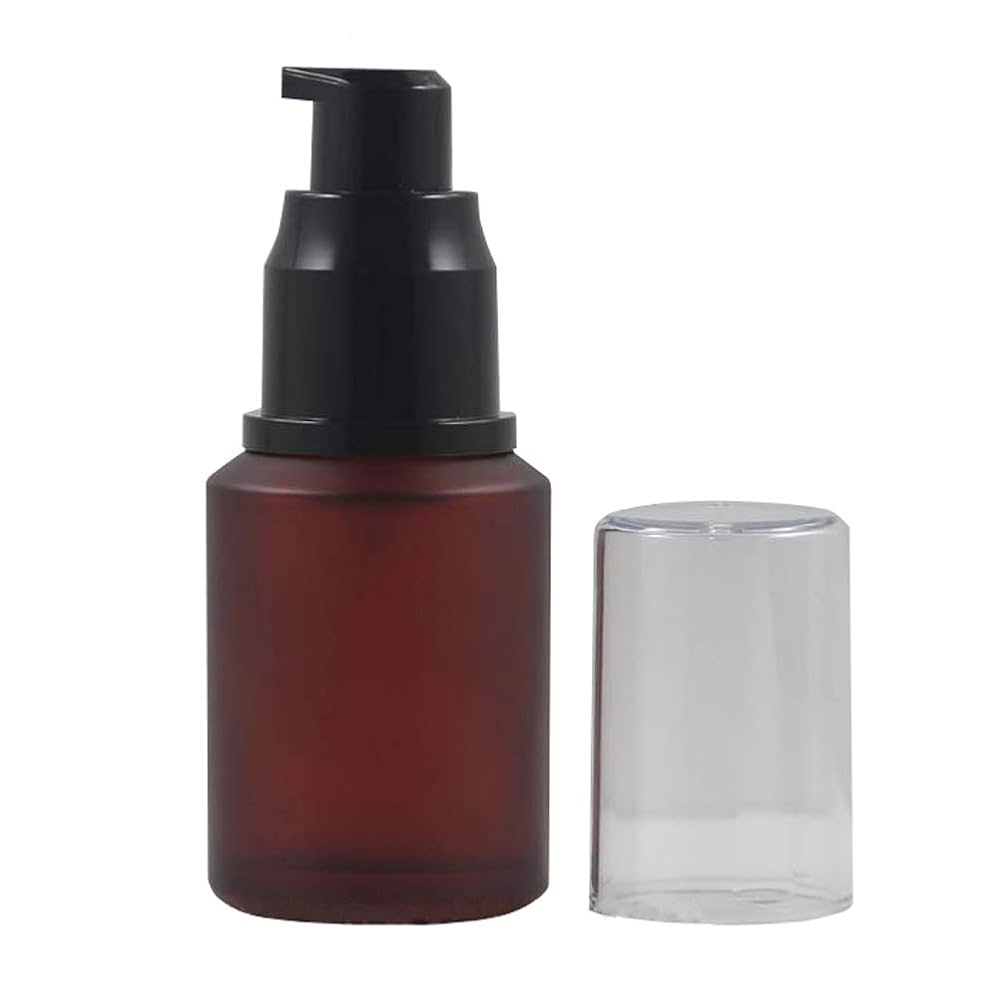
A stock image related to AS Lotion Pump Bottle with Cap.
In-depth Look: Manufacturing Processes and Quality Assurance for AS Lotion Pump Bottle with Cap
What Are the Key Manufacturing Processes for AS Lotion Pump Bottles with Caps?
The manufacturing of AS (Acrylonitrile Styrene) lotion pump bottles with caps involves several critical stages, each designed to ensure the final product meets industry standards and customer expectations. Understanding these processes can help B2B buyers make informed decisions about their suppliers.
How Are Materials Prepared for Lotion Pump Bottle Manufacturing?
The first step in the manufacturing process is material preparation. AS plastic is chosen for its durability, chemical resistance, and aesthetic appeal. Before manufacturing begins, raw materials undergo rigorous quality checks to ensure consistency and reliability. This includes sourcing from reputable suppliers and conducting preliminary testing to check for impurities or defects.
What Forming Techniques Are Commonly Used in Lotion Pump Bottle Production?
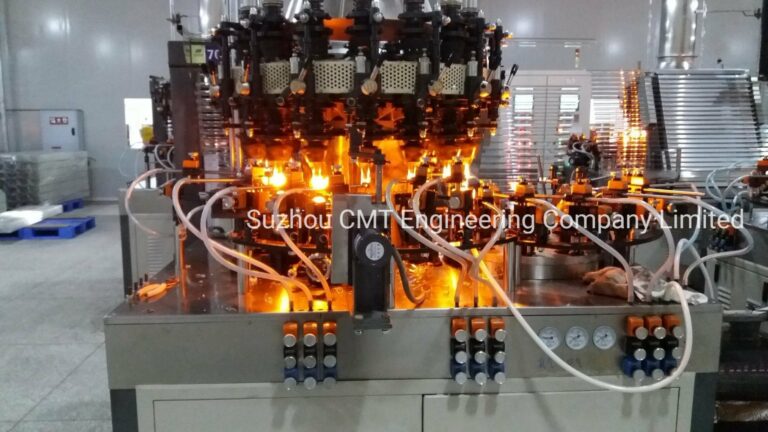
Once the materials are approved, the forming process begins. This typically involves injection molding, where molten AS plastic is injected into molds shaped like the lotion pump bottles and caps. This method allows for high precision and scalability, making it ideal for mass production. Other techniques may include blow molding for creating hollow containers or extrusion for specific bottle designs. Each method has its advantages, depending on the desired bottle shape and design.
How Is the Assembly of Lotion Pump Bottles and Caps Conducted?
After the individual components are formed, assembly takes place. This includes attaching the pump mechanism to the bottle and ensuring that the cap fits securely. Automated assembly lines are often employed to enhance efficiency and reduce the potential for human error. Quality assurance checks are integrated into the assembly process, with operators inspecting each unit for proper functionality and aesthetic consistency.
What Finishing Processes Are Involved in the Production of Lotion Pump Bottles?
Finishing processes can include surface treatments, labeling, and packaging. Surface treatments may involve polishing or coating to enhance the bottle’s appearance and functionality. Custom labeling is crucial for branding, and many manufacturers offer options for personalized designs. Finally, the bottles are packaged for shipment, with careful attention to prevent damage during transit.
What Quality Assurance Measures Are Essential for Lotion Pump Bottle Production?
Quality assurance (QA) is vital in ensuring that AS lotion pump bottles meet international standards and customer specifications. Buyers should look for manufacturers who adhere to recognized QA frameworks.
Which International Standards Should Be Considered for Lotion Pump Bottle Quality?
International standards such as ISO 9001 are essential benchmarks for manufacturers. ISO 9001 focuses on quality management systems and ensures that companies consistently provide products that meet customer and regulatory requirements. Additionally, certifications like CE (Conformité Européenne) and API (American Petroleum Institute) may be relevant, particularly for products intended for specific markets or applications.
What Are the Key Quality Control Checkpoints During the Manufacturing Process?
Quality control checkpoints are critical at various stages of production:
-
Incoming Quality Control (IQC): This step involves inspecting raw materials before they enter the production line. Ensuring that the materials meet specified standards is crucial for the integrity of the final product.
-
In-Process Quality Control (IPQC): During manufacturing, ongoing inspections are performed to catch defects early. This includes monitoring temperature, pressure, and cycle times during molding.
-
Final Quality Control (FQC): Once assembly is complete, each lotion pump bottle undergoes final testing. This ensures that the pump mechanism works correctly and that there are no leaks or cosmetic defects.
How Can B2B Buyers Verify Supplier Quality Control Processes?
B2B buyers must take proactive steps to verify the quality control measures of their suppliers. Here are several effective strategies:
What Steps Can Be Taken for Supplier Audits?
Conducting supplier audits is one of the most effective ways to assess a manufacturer’s quality assurance practices. Buyers should request access to the supplier’s quality management documentation, including their ISO certifications and internal audit reports. An on-site audit can also provide firsthand insight into the manufacturing processes and quality checks in place.
How Can Quality Control Reports and Testing Results Be Utilized?
Requesting regular quality control reports can help buyers monitor the quality of products over time. These reports should detail testing methods used, results obtained, and any corrective actions taken. Understanding common testing methods—such as tensile strength tests, chemical resistance tests, and functionality assessments—can also provide reassurance about product reliability.
What Role Do Third-Party Inspections Play in Quality Assurance?
Engaging third-party inspection services can add an extra layer of confidence. These independent entities can conduct inspections at various stages of the manufacturing process and provide unbiased reports. This is particularly important for international buyers who may be unable to visit the manufacturing site personally.
What Are the Unique Quality Control Considerations for International B2B Buyers?
International B2B buyers, particularly from regions like Africa, South America, the Middle East, and Europe, face unique challenges in ensuring product quality. Understanding local regulations and compliance requirements is essential.
How Do Regional Regulations Impact Quality Standards?
Different regions may have varying standards for product safety and quality. Buyers should familiarize themselves with local regulations affecting packaging and consumer goods in their respective markets. For instance, the EU has stringent regulations regarding plastic materials in contact with food, which could influence the acceptance of certain lotion pump bottle designs.
What Are the Best Practices for Communicating Quality Expectations with Suppliers?
Clear communication is vital for successful partnerships. B2B buyers should outline their quality expectations in detail, including specific certifications, testing protocols, and acceptable defect rates. Establishing a mutual understanding upfront can prevent misunderstandings and ensure that both parties are aligned on quality goals.
Conclusion
Understanding the manufacturing processes and quality assurance measures for AS lotion pump bottles with caps is crucial for B2B buyers. By evaluating material preparation, forming techniques, assembly, and finishing processes, as well as implementing rigorous quality control measures, businesses can ensure they receive reliable, high-quality products. Taking proactive steps to verify supplier capabilities, understand regional standards, and communicate expectations can further enhance the buyer-supplier relationship, leading to successful product launches and satisfied customers.
Practical Sourcing Guide: A Step-by-Step Checklist for ‘AS Lotion Pump Bottle with Cap’
In the competitive landscape of packaging for health and beauty products, sourcing the right AS lotion pump bottle with cap is essential for ensuring product quality and customer satisfaction. This guide provides a comprehensive checklist for B2B buyers aiming to procure these items effectively.
Step 1: Define Your Technical Specifications
Before engaging suppliers, clarify the technical specifications of the lotion pump bottle you need. Consider factors such as size, material (e.g., AS plastic), output capacity, and dip tube length. A well-defined specification helps streamline the sourcing process and ensures that the final product meets your requirements.
Step 2: Research Potential Suppliers
Conduct thorough research to identify reliable suppliers. Look for manufacturers with a strong reputation in the industry, focusing on those that specialize in packaging for health and beauty products. Utilize platforms like Alibaba, global trade fairs, and industry-specific directories to compile a list of potential partners.
Step 3: Evaluate Supplier Certifications
Verify the certifications of your shortlisted suppliers to ensure they meet international quality standards. Look for ISO certifications, FDA approvals, or other relevant compliance documents. This step is crucial to mitigate risks associated with product safety and quality, particularly when exporting to different regions.
Step 4: Request Samples for Testing
Before finalizing your order, request samples of the AS lotion pump bottles. Testing samples allows you to evaluate the functionality of the pump, the quality of materials, and the overall aesthetic of the packaging. Ensure the samples align with your brand’s standards and customer expectations.
Step 5: Negotiate Pricing and Terms
Once you’ve identified suitable suppliers, engage in negotiations to secure favorable pricing and terms. Discuss bulk order discounts, payment terms, and delivery timelines. A clear understanding of these aspects can significantly impact your overall procurement costs and cash flow.
Step 6: Assess Shipping and Logistics Options
Evaluate the shipping methods and logistics options offered by your suppliers. Consider the shipping costs, delivery times, and whether they provide tracking services. Efficient logistics are vital for maintaining inventory levels and ensuring timely delivery to your customers.
Step 7: Establish a Quality Assurance Process
After placing your order, establish a quality assurance process to monitor the production and delivery of your lotion pump bottles. This can include setting up regular communication with the supplier, conducting inspections during production, and verifying the quality upon receipt. A proactive quality assurance strategy helps avoid potential issues and ensures product satisfaction.
By following this checklist, B2B buyers can effectively navigate the procurement process for AS lotion pump bottles with caps, ensuring they select high-quality products that meet their operational needs.

A stock image related to AS Lotion Pump Bottle with Cap.
Comprehensive Cost and Pricing Analysis for AS Lotion Pump Bottle with Cap Sourcing
What Are the Key Cost Components in Sourcing AS Lotion Pump Bottles with Caps?
When sourcing AS lotion pump bottles with caps, understanding the cost structure is crucial for making informed purchasing decisions. The main cost components include materials, labor, manufacturing overhead, tooling, quality control (QC), logistics, and profit margin.
-
Materials: The primary material for lotion pump bottles is typically polyethylene terephthalate (PET) or polypropylene (PP), known for their durability and lightweight properties. Prices vary based on market conditions and resin types.
-
Labor: Labor costs can fluctuate significantly depending on the manufacturing location. Countries with lower labor costs can offer competitive pricing, but this might affect quality and production timelines.
-
Manufacturing Overhead: This encompasses all indirect costs associated with production, such as utilities, rent, and administrative expenses. Manufacturers with efficient operations can keep these costs lower, which can be beneficial for buyers.
-
Tooling: Initial tooling costs for molds and production equipment can be high. However, these costs are amortized over larger production runs, making it more cost-effective for bulk orders.
-
Quality Control (QC): Investing in quality assurance processes ensures that the products meet specified standards. This is particularly important for health and beauty products, where consumer safety and product efficacy are paramount.
-
Logistics: Shipping and handling costs must be factored in, especially for international orders. The choice of shipping method and distance can significantly impact the total cost.
-
Margin: Suppliers typically apply a margin to cover their costs and profit. Understanding the average industry margins can help buyers negotiate better deals.
How Do Price Influencers Affect the Cost of AS Lotion Pump Bottles with Caps?
Several factors influence pricing, which can vary based on order size, specifications, and supplier relationships.
-
Volume/MOQ (Minimum Order Quantity): Larger orders often lead to lower per-unit costs due to economies of scale. Suppliers may offer discounts for bulk purchases, making it advantageous for businesses with higher volume needs.
-
Specifications and Customization: Custom designs or specific features, such as unique colors or closure types, can lead to increased costs. Standard products are generally less expensive than customized solutions.
-
Materials and Quality Certifications: The choice of materials impacts cost significantly. Bottles made from recycled or eco-friendly materials may be priced higher. Additionally, certifications like ISO or GMP can enhance product credibility but may also raise costs.
-
Supplier Factors: The reliability and reputation of the supplier can influence pricing. Established suppliers may charge a premium for their products due to their experience and quality assurances.
-
Incoterms: Understanding Incoterms (International Commercial Terms) is essential for international buyers, as they define the responsibilities of buyers and sellers regarding shipping, insurance, and tariffs.
What Are the Best Buyer Tips for Cost-Efficiency in Sourcing AS Lotion Pump Bottles with Caps?
Navigating the complexities of sourcing lotion pump bottles requires strategic planning and negotiation skills.
-
Negotiate Terms: Always negotiate pricing, payment terms, and shipping options. Suppliers may have flexibility in their pricing, especially for bulk orders or long-term contracts.
-
Consider Total Cost of Ownership (TCO): Look beyond the initial purchase price. Factor in logistics, storage, and potential waste costs. TCO provides a more comprehensive view of the overall expense.
-
Research Market Rates: Understanding the market rates for lotion pump bottles can empower buyers during negotiations. This knowledge helps in identifying fair pricing and avoiding overpriced deals.
-
Assess Quality vs. Price: While lower prices are attractive, ensure that the quality of the product meets your standards. Poor quality can lead to higher costs in the long run due to returns, customer dissatisfaction, and brand damage.
-
Stay Informed on Regional Variations: Prices may vary significantly between regions, influenced by local manufacturing capabilities and demand. Understanding these nuances can help buyers make informed decisions tailored to their markets, such as Nigeria or Germany.
In conclusion, navigating the cost and pricing landscape for AS lotion pump bottles with caps requires a thorough understanding of the various cost components and pricing influencers. By applying strategic negotiation tactics and considering the Total Cost of Ownership, B2B buyers can make more informed and cost-effective sourcing decisions.
Alternatives Analysis: Comparing AS Lotion Pump Bottle with Cap With Other Solutions
Exploring Alternatives to AS Lotion Pump Bottle with Cap
In the competitive landscape of cosmetic and personal care packaging, understanding the available alternatives to the AS Lotion Pump Bottle with Cap is crucial for B2B buyers. Different solutions can offer unique advantages in terms of performance, cost, and application, which can significantly impact the buyer’s decision-making process.
Comparison Table
| Comparison Aspect | AS Lotion Pump Bottle with Cap | Airless Lotion Pump | Trigger Spray Bottle |
|---|---|---|---|
| Performance | Reliable dispensing for viscous products | Preserves product integrity, prevents contamination | Versatile dispensing, good for liquids and sprays |
| Cost | Moderate ($0.30 – $0.94 per piece) | Higher ($1.00 – $2.00 per piece) | Lower ($0.62 – $1.00 per piece) |
| Ease of Implementation | Easy to integrate into existing lines | Requires specific design considerations | Simple design, easy to integrate |
| Maintenance | Low; generally disposable | Low; requires cleaning for reuse | Moderate; nozzle may clog over time |
| Best Use Case | Thick lotions and creams | Sensitive formulations requiring air-tight packaging | Liquids, sprays, and light creams |
Understanding the Alternatives
Airless Lotion Pump
The airless lotion pump is designed to dispense viscous products without exposing them to air, which helps maintain product integrity and extends shelf life. This type of packaging is ideal for high-end cosmetics and skincare products that are sensitive to oxidation. However, airless pumps typically come at a higher price point, which may not be feasible for all brands, particularly those targeting cost-sensitive markets. Additionally, the implementation may require specific design adjustments to accommodate the unique dispensing mechanism.
Trigger Spray Bottle
Trigger spray bottles offer an alternative for brands looking to package thinner liquids or products that can be sprayed. They are versatile and can be used for a variety of applications, including personal care, cleaning products, and hair care. The cost of trigger spray bottles is generally lower than that of lotion pumps, making them an economical choice for bulk orders. However, they may not be suitable for thicker lotions, as the dispensing mechanism is designed for lighter products. Moreover, maintenance can be a consideration, as the nozzle may clog if not properly maintained.
Conclusion: Choosing the Right Packaging Solution
Selecting the right packaging solution involves evaluating the specific needs of your product line and target market. The AS Lotion Pump Bottle with Cap is an excellent choice for thick lotions and creams, offering reliable performance at a moderate cost. However, if your product requires extended shelf life due to sensitivity, an airless lotion pump may be worth the investment. Conversely, for lighter products or multipurpose applications, trigger spray bottles can provide a cost-effective solution. By carefully considering these alternatives, B2B buyers can make informed decisions that align with their product objectives and market demands.
Essential Technical Properties and Trade Terminology for AS Lotion Pump Bottle with Cap
What Are the Essential Technical Properties of AS Lotion Pump Bottle with Cap?
When sourcing AS (Acrylonitrile Styrene) lotion pump bottles with caps, understanding their technical specifications is crucial for ensuring compatibility with your product line and optimizing operational efficiency. Here are some key properties to consider:
1. Material Grade
The primary material for AS lotion pump bottles is Acrylonitrile Styrene, known for its robustness and clarity. This material offers excellent chemical resistance, making it suitable for various cosmetic and personal care products. In a B2B context, selecting the right material ensures product longevity, reduces risk of contamination, and enhances brand perception.
2. Output Volume
The output volume refers to the amount of product dispensed per pump action, typically measured in milliliters (ml). Common outputs for lotion pumps range from 1.5ml to 3.5ml. Understanding the output volume is critical for businesses as it affects consumer satisfaction and product usage rates. Accurate dispensing can lead to reduced waste and improved customer experience.
3. Dip Tube Length
The dip tube length is the part of the pump that extends into the bottle, allowing the pump to draw liquid. Standard lengths vary, with options like 6 inches or longer for deeper bottles. A properly sized dip tube ensures that users can access the entire product, minimizing waste and maximizing the value offered to customers.
4. Neck Finish and Closure Size
The neck finish and closure size are vital for compatibility with different bottle designs. Common sizes for lotion pumps include 24-410 and 28-400, which refer to the diameter and threading style. Correct sizing guarantees a secure fit, preventing leaks and product spoilage during transportation and storage, which is especially important for international shipping.
5. Tolerance Levels
Tolerance levels indicate the allowable variation in the dimensions of the bottle and pump components. For example, a tolerance of ±0.5mm ensures that parts fit together seamlessly. In a B2B setting, maintaining tight tolerances is essential for quality control, reducing production errors, and ensuring customer satisfaction.
6. Shatter Resistance
AS material provides a level of shatter resistance, making these bottles safer for handling and transport. This property is particularly important for businesses in regions where transportation conditions may be less than ideal. Shatter-resistant packaging reduces the risk of product loss and enhances customer trust in the brand.
What Are Common Trade Terms in the AS Lotion Pump Bottle Industry?
Familiarity with industry jargon can facilitate smoother negotiations and transactions. Here are some essential terms to know:
1. OEM (Original Equipment Manufacturer)
OEM refers to companies that manufacture products based on the specifications provided by another company, often using the latter’s branding. Understanding OEM relationships can help businesses align their packaging needs with production capabilities.
2. MOQ (Minimum Order Quantity)
MOQ is the smallest quantity of a product that a supplier is willing to sell. Knowing the MOQ is crucial for inventory management and budgeting, particularly for smaller companies looking to minimize upfront costs.
3. RFQ (Request for Quotation)
An RFQ is a formal process by which a buyer requests pricing and terms from suppliers. This process is essential for comparing offers and ensuring competitive pricing, which can significantly impact the bottom line.
4. Incoterms (International Commercial Terms)
Incoterms are predefined commercial terms used in international trade to clarify the responsibilities of buyers and sellers regarding shipping, insurance, and tariffs. Familiarity with Incoterms helps businesses navigate cross-border transactions more effectively.
5. Lead Time
Lead time is the amount of time it takes from placing an order to receiving the products. Understanding lead times is vital for supply chain management, helping businesses plan inventory and avoid stockouts.
6. Customization Options
Customization options refer to the ability to tailor the lotion pump bottle’s design, color, and functionality according to specific brand needs. Customization can enhance brand visibility and consumer appeal, making it a valuable consideration for B2B buyers looking to differentiate their products in competitive markets.
By grasping these technical properties and trade terminologies, B2B buyers can make informed decisions that enhance their product offerings and streamline their operations.
Navigating Market Dynamics and Sourcing Trends in the AS Lotion Pump Bottle with Cap Sector
Market Overview & Key Trends in the AS Lotion Pump Bottle with Cap Sector
The AS lotion pump bottle with cap market is influenced by several global drivers, including the increasing demand for convenience in product packaging and the growing awareness of sustainability among consumers. In regions such as Africa, South America, the Middle East, and Europe, international B2B buyers are witnessing a surge in the beauty and personal care sector, leading to an uptick in the need for effective dispensing solutions. The trend towards e-commerce has also accelerated the requirement for reliable packaging that ensures product integrity during shipping.
Emerging B2B technologies are transforming sourcing strategies, with a focus on automation and digital supply chain solutions. Buyers are increasingly using online platforms to streamline procurement processes, compare suppliers, and access real-time inventory data. Additionally, the integration of artificial intelligence in forecasting demand is helping businesses optimize their stock levels and reduce waste, thus enhancing operational efficiency.
Market dynamics are shifting towards customization and flexibility. Manufacturers are offering a variety of sizes, colors, and dispensing options to cater to diverse consumer preferences. For instance, lotion pumps with adjustable outputs are gaining popularity, allowing users to dispense precise amounts. As brands focus on differentiation, B2B buyers must remain attuned to evolving consumer trends to ensure their product offerings align with market demands.
How is Sustainability & Ethical Sourcing Affecting the AS Lotion Pump Bottle with Cap Sector?
Sustainability is no longer a niche consideration; it has become a core business strategy in the AS lotion pump bottle with cap sector. The environmental impact of packaging materials is under scrutiny, prompting buyers to seek out eco-friendly alternatives. For instance, PET plastic is increasingly favored for its recyclability, while suppliers are exploring bio-based materials to lessen their carbon footprint.
Ethical sourcing is equally crucial, as businesses face pressure to ensure their supply chains are transparent and responsible. Buyers are encouraged to partner with manufacturers that provide certifications for sustainable practices, such as ISO 14001 or FSC certification. These credentials not only enhance a company’s reputation but also appeal to environmentally-conscious consumers.
Furthermore, the rise of “green” certifications for packaging materials is driving innovation in product design. Brands are now more than ever keen to incorporate recyclable or biodegradable options into their packaging. By prioritizing sustainability and ethical sourcing, B2B buyers can strengthen their market position and appeal to a growing demographic that values corporate responsibility.
What is the Brief Evolution of AS Lotion Pump Bottles with Caps?
The evolution of AS lotion pump bottles with caps can be traced back to the need for effective and convenient dispensing methods in the personal care industry. Originally designed for liquid soaps and lotions, these pumps have undergone significant innovation over the years. Early models were primarily functional, focusing on ease of use. However, as consumer preferences evolved, manufacturers began to enhance the design, incorporating features such as adjustable outputs and aesthetically pleasing designs.
The introduction of advanced materials, such as high-density polyethylene (HDPE) and PET, marked a significant milestone in the industry. These materials not only provide durability and resistance to chemicals but also align with the growing demand for recyclable packaging solutions. Today, AS lotion pump bottles are designed not just for functionality but also to reflect brand identity and sustainability goals, making them an essential component in the packaging landscape.
With the ongoing focus on innovation, the sector is poised for further growth, driven by the dynamic interplay of consumer preferences, technological advancements, and sustainability initiatives.
Frequently Asked Questions (FAQs) for B2B Buyers of AS Lotion Pump Bottle with Cap
-
How do I choose the right AS lotion pump bottle for my product?
Selecting the right AS lotion pump bottle involves considering several factors such as the viscosity of your product, desired output volume, and bottle size. For thicker lotions, opt for high-viscosity pumps with a larger output to ensure easy dispensing. Additionally, ensure the design aligns with your brand aesthetics. It’s also beneficial to request samples from suppliers to test compatibility with your product before making a bulk purchase. -
What customization options are available for AS lotion pump bottles?
Many suppliers offer customization options for AS lotion pump bottles, including color, size, and branding features like embossed logos or custom labels. You can also choose different neck finishes and closure types to match your packaging needs. When discussing customization, clarify your design requirements and minimum order quantities with the supplier to ensure feasibility and cost-effectiveness. -
What are the typical minimum order quantities (MOQs) for AS lotion pump bottles?
Minimum order quantities can vary widely depending on the supplier and the specific product. Generally, MOQs for AS lotion pump bottles range from 500 to 10,000 units. It’s essential to inquire about MOQs during your initial discussions to align your purchasing strategy with your production needs. Some suppliers may offer flexibility for first-time orders or samples. -
What payment terms should I expect when sourcing AS lotion pump bottles internationally?
Payment terms typically vary among suppliers but commonly include options like upfront payment, a deposit followed by the balance before shipping, or net 30/60 days after delivery. It’s crucial to establish clear payment expectations early on, including acceptable payment methods (e.g., wire transfer, PayPal) and any potential fees. Always ensure that payment terms are documented in your contract for transparency and security. -
How can I vet suppliers for AS lotion pump bottles?
To vet suppliers, start by checking their credentials, including business licenses and certifications relevant to manufacturing and safety standards. Request references and customer testimonials to gauge their reliability and product quality. Additionally, consider visiting their facility or using third-party inspection services to assess their manufacturing processes and quality control measures. -
What quality assurance measures should I consider for AS lotion pump bottles?
Quality assurance for AS lotion pump bottles involves several steps, including evaluating the supplier’s production processes, material sourcing, and testing protocols. Request information on their quality control practices, such as sample testing for durability and functionality. Additionally, consider third-party audits or certifications that validate the supplier’s adherence to industry standards and regulations. -
What are the logistics considerations for importing AS lotion pump bottles?
Logistics for importing AS lotion pump bottles include understanding shipping options, customs regulations, and delivery timelines. It’s vital to work with a reliable freight forwarder familiar with your destination’s import requirements. Ensure you have all necessary documentation, including commercial invoices and packing lists, to facilitate a smooth customs clearance process. Discuss shipping terms (e.g., FOB, CIF) with your supplier to determine cost implications. -
How do I handle potential issues with AS lotion pump bottles upon delivery?
In case of issues with AS lotion pump bottles upon delivery, such as damage or incorrect quantities, immediately contact the supplier to report the problem. Document the issues with photographs and written descriptions for reference. Most reputable suppliers will have a return or replacement policy in place. Ensure you understand these policies before placing an order to facilitate a smooth resolution process.
Important Disclaimer & Terms of Use
⚠️ Important Disclaimer
The information provided in this guide, including content regarding manufacturers, technical specifications, and market analysis, is for informational and educational purposes only. It does not constitute professional procurement advice, financial advice, or legal advice.
While we have made every effort to ensure the accuracy and timeliness of the information, we are not responsible for any errors, omissions, or outdated information. Market conditions, company details, and technical standards are subject to change.
B2B buyers must conduct their own independent and thorough due diligence before making any purchasing decisions. This includes contacting suppliers directly, verifying certifications, requesting samples, and seeking professional consultation. The risk of relying on any information in this guide is borne solely by the reader.
Top 10 As Lotion Pump Bottle With Cap Manufacturers & Suppliers List
1. Bottle Store – Trigger Sprayer & High Viscosity Pump

Domain: bottlestore.com
Registered: 1998 (27 years)
Introduction: 1. 28-400 Natural Rib Side PP Trigger Sprayer – 0.75ml Output, 11.8″ Dip Tube, $0.38 (Per Piece), 100 Pieces Per Carton, $38.00 (Per Carton)
2. 38-400 White Rib Side PP High Viscosity Pump – 3.5cc Output, 11.8″ Dip Tube, $0.94 (Per Piece), 100 Pieces Per Carton, $94.00 (Per Carton)
3. 28-400 White Plastic Trigger Sprayer With Adjustable Nozzle – 1.10ml Output, $0.62 (Per Piece), 100 Pieces Per…
2. Berlin Packaging – 8 oz Clear PET Bullet Bottle with Black Lotion Pump

Domain: berlinpackaging.com
Registered: 1997 (28 years)
Introduction: {“product_name”: “8 oz Clear PET Bullet Bottle & Black Lotion Pump”, “item_number”: “PR8PB”, “capacity”: “8 oz”, “material”: “Clear PET Plastic”, “pump_color”: “Black”, “pump_type”: “Lotion Pump”, “dispense_per_stroke”: “2 ml”, “dip_tube_length”: “7.5 inches”, “features”: [“Durable and lightweight”, “Impact resistant”, “BPA Non-Intent”, “Dishwasher safe”, “Microwave safe”, “Freezer safe”, “Child-r…
3. Reddit – Pump Bottle Tops for Liquid Products

Domain: reddit.com
Registered: 2005 (20 years)
Introduction: Pump bottle tops for hand soap and other liquid products. Users often struggle to pop them up for the first use, requiring specific techniques such as holding the lid while twisting or pushing the pump down before twisting.
4. SKS – Airless Lotion Pump Bottles

Domain: sks-bottle.com
Registered: 1997 (28 years)
Introduction: Airless Lotion Pump Bottles, available in multiple sizes (30 ml and 50 ml), made from styrene plastic with clear design and matte silver caps. Designed to dispense products without backflow, maintaining freshness and integrity of creams, lotions, and makeup. Features smooth, controlled dispensing while minimizing product waste. Packaged in cases of 12, priced at $44.76 for 30 ml and $46.20 for 50 …
5. Miron – Premium Pump Caps for Bottles & Jars
Domain: miron.com
Registered: 1996 (29 years)
Introduction: Pump Caps for Glass Bottles & Jars:
– Premium selection in various styles
– Dispense amounts: 0.10 ml to 0.19 ml (cosmetic dispensers)
– Regular/high output dispenser pump caps: 0.50 ml for larger quantities
– Suitable for cosmetics, medicinal lotions, personal care products, soaps, shampoos, conditioners
– Cap material: PP (polypropylene)
– Thread sizes: 18/400, 18/415, 20/410, 22/410, 24/4…
6. Beauty Makeup Supply – Plastic PE Lotion Pump Bottle 200ml
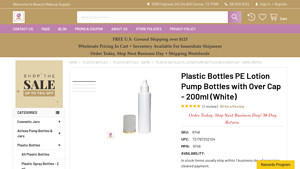
Domain: beauty-makeup-supply.com
Registered: 2007 (18 years)
Introduction: {“Product Name”: “Plastic Bottles PE Lotion Pump Bottles with Over Cap – 200ml (White)”, “SKU”: “9746”, “UPC”: “721767252104”, “MPN”: “9746”, “Availability”: “In stock items usually ship within 1 business day of receiving cleared payment.”, “Size”: “Approximately 7.75 inch tall and 1.75 inch diameter”, “Capacity”: “Approximately 200 ml”, “Pump Color”: “White”, “Material”: “PE”, “Bulk Discount Rate…
7. US Plastic – 60mL Frosted Glass Lotion Bottle

Domain: usplastic.com
Registered: 1996 (29 years)
Introduction: {‘name’: ’60mL Frosted Glass Lotion Bottle with 20/410 Self-Locking Lotion Pump’, ‘item_number’: ‘86558’, ‘capacity’: ’60mL’, ‘material’: ‘Glass’, ‘color’: ‘Frosted’, ‘pump_type’: ‘Natural self-locking lotion pump’, ‘cap_material’: ‘Silver ABS’, ‘dimensions’: ’36mm Dia. x 140.1mm Hgt.’, ‘weight’: ‘0.228 lbs’, ‘style’: ‘Health/Beauty’, ‘country_of_origin’: ‘China’}
8. Amosfun – Lotion Pump Heads

Domain: walmart.com
Registered: 1995 (30 years)
Introduction: This company, Amosfun – Lotion Pump Heads, is a notable entity in the market. For specific product details, it is recommended to visit their website directly.
9. New Directions Aromatics – 24/410 mm Black Lotion Pump

Domain: newdirectionsaromatics.com
Registered: 2003 (22 years)
Introduction: Product Name: 24/410 mm Black Lotion Pump
Discount: 10% OFF Sitewide with Code SUMMER10 (Ends Aug 31)
MSRP: $2.88
Size: 24 mm
Processing Time: ~3 days
Stock Status: In stock
Key Features: Secure closure, customizable finishes, ideal for precise dispensing in personal care product packaging. Note: Tubes provided are of standard length and may need trimming. Cleaning in the dishwasher is not recomme…
10. Burch Bottle – 24-410 White Lotion Pump
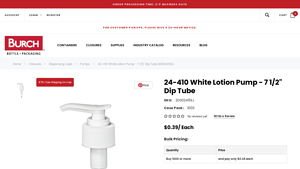
Domain: burchbottle.com
Registered: 1999 (26 years)
Introduction: {“Product Name”: “24-410 White Lotion Pump”, “SKU”: “2DS02415EJ”, “Case Pack”: 1000, “Price”: “$0.39 / Each”, “Bulk Pricing”: “Buy 1000 or more and pay only $0.34 each”, “Current Stock”: 14230, “Material”: “Polypropylene”, “Finish”: “Ribbed”, “Pump Style”: “Saddle pump”, “Dip Tube Length”: “7.5 inches”, “Output”: “2 cc”, “Compatible Container Neck Finish”: “410”, “Cap Size (mm)”: 24, “Liner”: “Unl…
Strategic Sourcing Conclusion and Outlook for AS Lotion Pump Bottle with Cap
How Can Strategic Sourcing Enhance Your Supply Chain for AS Lotion Pump Bottles?
In today’s competitive marketplace, strategic sourcing of AS lotion pump bottles with caps is essential for B2B buyers aiming to optimize their supply chains. By prioritizing quality, cost-effectiveness, and supplier reliability, companies can ensure that they not only meet consumer demand but also enhance brand loyalty. Engaging with suppliers that offer customizable options, bulk discounts, and superior customer support can significantly improve operational efficiency.
Moreover, the demand for sustainable and user-friendly packaging solutions is on the rise, particularly in regions like Africa, South America, the Middle East, and Europe. Investing in high-quality lotion pump bottles made from durable materials, such as PET, can reduce waste and improve product accessibility for end-users. As the global market evolves, so too must your sourcing strategies; adapting to emerging trends will position your business for long-term success.
Looking ahead, now is the time to forge partnerships with trusted suppliers who can provide innovative solutions tailored to your specific needs. By taking proactive steps in your sourcing strategy, you can not only enhance your product offerings but also drive growth in your market segments. Embrace this opportunity to elevate your brand and secure your competitive edge.




 English
  Russian
  Spanish
  Italian
  Thai
Thai  French
  Arabic
  Portuguese
  Indonesian
  German