
Introduction: Navigating the Global Market for amber glass jar
Navigating the complexities of sourcing amber glass jars can be a daunting task for international B2B buyers, especially those targeting markets in Africa, South America, the Middle East, and Europe. With a plethora of options available, understanding the various types, applications, and specifications of amber glass jars is crucial for making informed purchasing decisions. This guide aims to demystify the global market for amber glass jars, covering essential topics such as product types, industry applications, supplier vetting processes, and cost considerations.
Amber glass jars are not only aesthetically pleasing but also serve a critical function in protecting light-sensitive products from degradation, making them a preferred choice across multiple industries, including cosmetics, pharmaceuticals, and food storage. By delving into the unique attributes and advantages of amber glass, this guide empowers B2B buyers to identify the right products that align with their business needs and compliance requirements.
Moreover, it provides strategic insights into how to effectively vet suppliers to ensure quality and reliability, as well as tips on negotiating costs without sacrificing value. Whether you are a manufacturer looking to package essential oils or a distributor aiming to supply beauty products, this comprehensive guide equips you with the knowledge necessary to streamline your sourcing process and enhance your supply chain efficiency.
Understanding amber glass jar Types and Variations
| Nome do tipo | Principais características distintivas | Aplicativos B2B primários | Prós e contras resumidos para compradores |
|---|---|---|---|
| Straight-Sided Jar | Vertical walls, wide mouth, compatible with various closures | Cosmetics, food storage, candles | Prós: Versatile, easy to label; Contras: Limited to specific neck sizes. |
| Boston Round Jar | Rounded shoulders, classic design, various sizes available | Essential oils, pharmaceuticals, beverages | Prós: Aesthetic appeal; Contras: Limited UV protection compared to thicker glass. |
| Squat Jar | Low profile, wide mouth for easy access | Creams, balms, dry ingredients | Prós: Easy to fill and dispense; Contras: Less volume capacity. |
| Mason Jar | Traditional design, screw-on lid, often used for food storage | Preserving, beverages, crafts | Prós: Familiarity, versatile; Contras: Bulkier than other options. |
| Specialty Jars (e.g., candle jars) | Designed for specific products, often with unique features | Handmade candles, artisanal products | Prós: Tailored for niche markets; Contras: Higher cost due to customization. |
What Are the Key Characteristics of Straight-Sided Amber Glass Jars?
Straight-sided amber glass jars are characterized by their vertical walls and wide mouth, which make them easy to fill and dispense. They are often compatible with a range of closures, including dropper caps and screw-on lids, making them versatile for various applications. These jars are particularly suitable for cosmetics, food storage, and candle making. When purchasing, buyers should consider the neck size compatibility and whether the jars meet their specific product requirements.
How Do Boston Round Jars Differ from Other Types?
Boston round jars are known for their rounded shoulders and classic cylindrical shape. They are available in multiple sizes, making them ideal for packaging essential oils, pharmaceuticals, and beverages. The aesthetic appeal of Boston round jars can enhance product branding, attracting consumers. However, buyers should keep in mind that while they offer good UV protection, they may not be as robust as thicker glass options.
Why Choose Squat Jars for Your Products?
Squat jars feature a low profile and wide mouth, allowing for easy access to contents, which is beneficial for products like creams and balms. Their design is particularly advantageous for businesses that require straightforward filling and dispensing. However, the lower volume capacity may limit their use for larger products. Buyers should consider their specific product needs and how squat jars can enhance usability.
What Makes Mason Jars a Popular Choice in B2B Markets?
Mason jars boast a traditional design with a screw-on lid, making them a popular choice for preserving food and beverages. Their familiarity and versatility allow them to be used in various applications, including crafts and DIY projects. While they offer a reliable storage solution, their bulkier design may not be suitable for all products. Buyers should assess their target market and the perceived value of using mason jars for their products.
How Do Specialty Jars Cater to Niche Markets?
Specialty amber glass jars are designed for specific products, such as handmade candles or artisanal goods, often featuring unique characteristics tailored to their applications. These jars can significantly enhance product presentation and appeal, making them ideal for niche markets. However, the customization involved can lead to higher costs. Buyers should weigh the benefits of differentiation against budget constraints when considering specialty jars for their inventory.
Key Industrial Applications of amber glass jar
| Indústria/Setor | Specific Application of amber glass jar | Valor/benefício para a empresa | Principais considerações de fornecimento para este aplicativo |
|---|---|---|---|
| Produtos farmacêuticos | Packaging for light-sensitive medications | Protects product integrity and extends shelf life | Ensure compliance with FDA regulations and UV protection |
| Cosméticos e cuidados pessoais | Containers for creams, lotions, and serums | Enhances product appeal and maintains efficacy | Consider neck size compatibility and customization options |
| Alimentos e bebidas | Storage for oils, sauces, and dry ingredients | Preserves flavor and quality while ensuring safety | Verify food contact safety standards and bulk purchasing options |
| Candle Manufacturing | Jars for soy and paraffin candles | Provides aesthetic appeal and UV protection for wax | Assess jar durability and shipping arrangements |
| Nutraceuticals | Packaging for vitamins and herbal supplements | Ensures product safety and maintains potency | Focus on sourcing options that meet international shipping standards |
How are Amber Glass Jars Used in Pharmaceuticals?
In the pharmaceutical industry, amber glass jars are essential for packaging light-sensitive medications. The UV-filtering properties of amber glass protect the integrity of sensitive compounds, ensuring their efficacy and extending shelf life. International B2B buyers in this sector must prioritize compliance with regulations, such as FDA standards, and confirm that the jars are manufactured from Type III glass, which is safe for food contact. Additionally, sourcing options should include bulk purchasing to optimize inventory management.
What Role Do Amber Glass Jars Play in Cosmetics and Personal Care?
Amber glass jars are widely used in the cosmetics and personal care sector for packaging creams, lotions, and serums. Their visually appealing design enhances product presentation, which is crucial for attracting consumers. Moreover, amber glass helps maintain the efficacy of sensitive ingredients by protecting them from light exposure. Buyers must consider neck size compatibility for closures and the potential for custom branding options, especially when sourcing from international suppliers.
How Are Amber Glass Jars Applied in Food and Beverage?
In the food and beverage industry, amber glass jars are ideal for storing oils, sauces, and dry ingredients. The jars help preserve flavor and quality while ensuring safety from contaminants. B2B buyers should verify that the jars comply with food safety standards and are suitable for bulk purchases to meet production demands. Additionally, sourcing partners should offer competitive pricing and reliable shipping options to facilitate smooth operations.
Why Are Amber Glass Jars Important for Candle Manufacturing?
Candle manufacturers commonly use amber glass jars for both soy and paraffin candles. These jars not only provide aesthetic appeal but also protect the wax from UV light, which can degrade its quality. When sourcing amber glass jars, manufacturers should assess the durability of the jars to withstand the candle-making process and consider shipping arrangements that minimize breakage. Bulk purchasing options can also help manage costs effectively.
How Are Amber Glass Jars Utilized in Nutraceuticals?
In the nutraceutical sector, amber glass jars are crucial for packaging vitamins and herbal supplements. They ensure product safety and maintain potency by protecting contents from light exposure. B2B buyers in this industry should focus on sourcing options that meet international shipping standards, ensuring compliance with health regulations. Additionally, it is essential to consider the jars’ compatibility with various closure types to facilitate ease of use for consumers.
3 Common User Pain Points for ‘amber glass jar’ & Their Solutions
Scenario 1: Managing Supply Chain Disruptions for Amber Glass Jars
O problema: B2B buyers often face disruptions in their supply chains, particularly for specialized products like amber glass jars. Factors such as geopolitical issues, shipping delays, or unexpected demand spikes can lead to inventory shortages. For instance, a cosmetic manufacturer might plan to launch a new line of organic creams but finds that their supplier of amber glass jars cannot deliver on time, risking their launch schedule and revenue.
A solução: To mitigate supply chain disruptions, B2B buyers should establish relationships with multiple suppliers across different regions. This diversification ensures that if one supplier faces issues, another can fulfill the order. Additionally, buyers can implement just-in-time inventory practices, ordering smaller quantities more frequently to adapt to changing demands. Utilizing forecasting tools can also help predict potential shortages based on historical data and market trends. Buyers should consider suppliers that offer flexible shipping options and transparent communication about stock levels to enhance reliability.
Scenario 2: Ensuring Product Compatibility with Amber Glass Jar Closures
O problema: A common challenge for businesses purchasing amber glass jars is ensuring that the closures they intend to use are compatible with the jars. Misalignment can lead to leaks, product spoilage, and customer dissatisfaction. For example, a herbal supplement company might order jars with a 70-400 neck finish but accidentally source closures that are 58-400, rendering them unusable.
A solução: To avoid compatibility issues, buyers should meticulously verify the neck finish specifications of the amber glass jars before placing orders. It is advisable to create a detailed checklist of required specifications, including neck size, closure type, and material compatibility. When sourcing, buyers can request samples or test closures with jars before bulk purchasing. Collaborating with suppliers who provide comprehensive product information and can assist in matching jars with appropriate closures can streamline this process and ensure a seamless packaging solution.
Scenario 3: Protecting Light-Sensitive Products Using Amber Glass Jars
O problema: Many businesses, especially in the beauty and nutraceutical sectors, rely on amber glass jars to protect their light-sensitive products from degradation. However, not all amber glass jars provide the same level of UV protection, leading to potential quality issues. A skincare line that uses natural ingredients might discover that their products lose potency due to inadequate protection during storage or transportation.
A solução: To ensure optimal protection, buyers must source high-quality amber glass jars specifically designed to block UV light. They should look for jars made from Type-III soda-lime glass, which offers superior UV filtering properties. Suppliers often provide certifications regarding the UV protection levels of their glass, and buyers should prioritize these details when sourcing. Moreover, conducting shelf-life stability tests on their products in the jars before full-scale production can provide insights into how well the packaging preserves product integrity. Training staff on the importance of proper storage and handling can further enhance product longevity.
Strategic Material Selection Guide for amber glass jar
What Are the Key Properties of Common Materials Used for Amber Glass Jars?
Amber glass jars are primarily made from Type III soda-lime glass, which is the most common material for packaging in various industries. This material is known for its excellent clarity and UV protection, making it ideal for products sensitive to light, such as essential oils and certain pharmaceuticals. The glass is also food contact safe, ensuring compliance with health standards across different regions.
What Are the Advantages and Disadvantages of Using Type III Soda-Lime Glass?
Prós: Type III soda-lime glass is highly durable and resistant to thermal shock, which allows it to withstand temperature variations during processing and storage. Its recyclability is another significant advantage, appealing to eco-conscious consumers and businesses. The material can be easily molded into various shapes, providing flexibility in design.
Contras: The primary disadvantage of soda-lime glass is its weight compared to plastic alternatives, which can increase shipping costs. Additionally, while it offers good resistance to many chemicals, it may not be suitable for highly corrosive substances. Manufacturers must also consider the complexities involved in glass production, such as the need for specialized equipment and processes.
How Does Amber Glass Impact Specific Applications?
Amber glass jars are particularly beneficial for applications involving light-sensitive products. The UV-filtering properties of amber glass protect the contents from degradation caused by exposure to sunlight. This characteristic makes it an excellent choice for packaging cosmetics, pharmaceuticals, and food products. However, buyers should ensure that the glass meets the necessary standards for their specific applications, such as FDA compliance for food contact materials.
What Should International B2B Buyers Consider When Sourcing Amber Glass Jars?
For international buyers, especially from regions like Africa, South America, the Middle East, and Europe, understanding compliance with local and international standards is crucial. Common standards include ASTM (American Society for Testing and Materials), DIN (Deutsches Institut für Normung), and JIS (Japanese Industrial Standards). Buyers should also consider logistical factors such as shipping regulations and potential tariffs, which can affect the overall cost and feasibility of sourcing amber glass jars.
Summary Table of Material Selection for Amber Glass Jars
| Material | Typical Use Case for amber glass jar | Principais vantagens | Principais desvantagens/limitações | Custo relativo (baixo/médio/alto) |
|---|---|---|---|---|
| Type III Soda-Lime Glass | Packaging for essential oils and cosmetics | Excellent UV protection | Heavier than plastic, increasing shipping costs | Médio |
| Borosilicate Glass | Laboratory and pharmaceutical applications | High thermal resistance | More expensive than soda-lime glass | Alta |
| Recycled Glass | Eco-friendly packaging for various products | Sustainable and environmentally friendly | May have variability in quality | Médio |
| Tereftalato de polietileno (PET) | Alternative for non-light-sensitive products | Leve e econômico | Not UV protective, less suitable for sensitive items | Baixa |
This strategic material selection guide provides valuable insights for B2B buyers looking to optimize their sourcing of amber glass jars, ensuring they select the right material for their specific needs while considering factors such as compliance, cost, and application suitability.
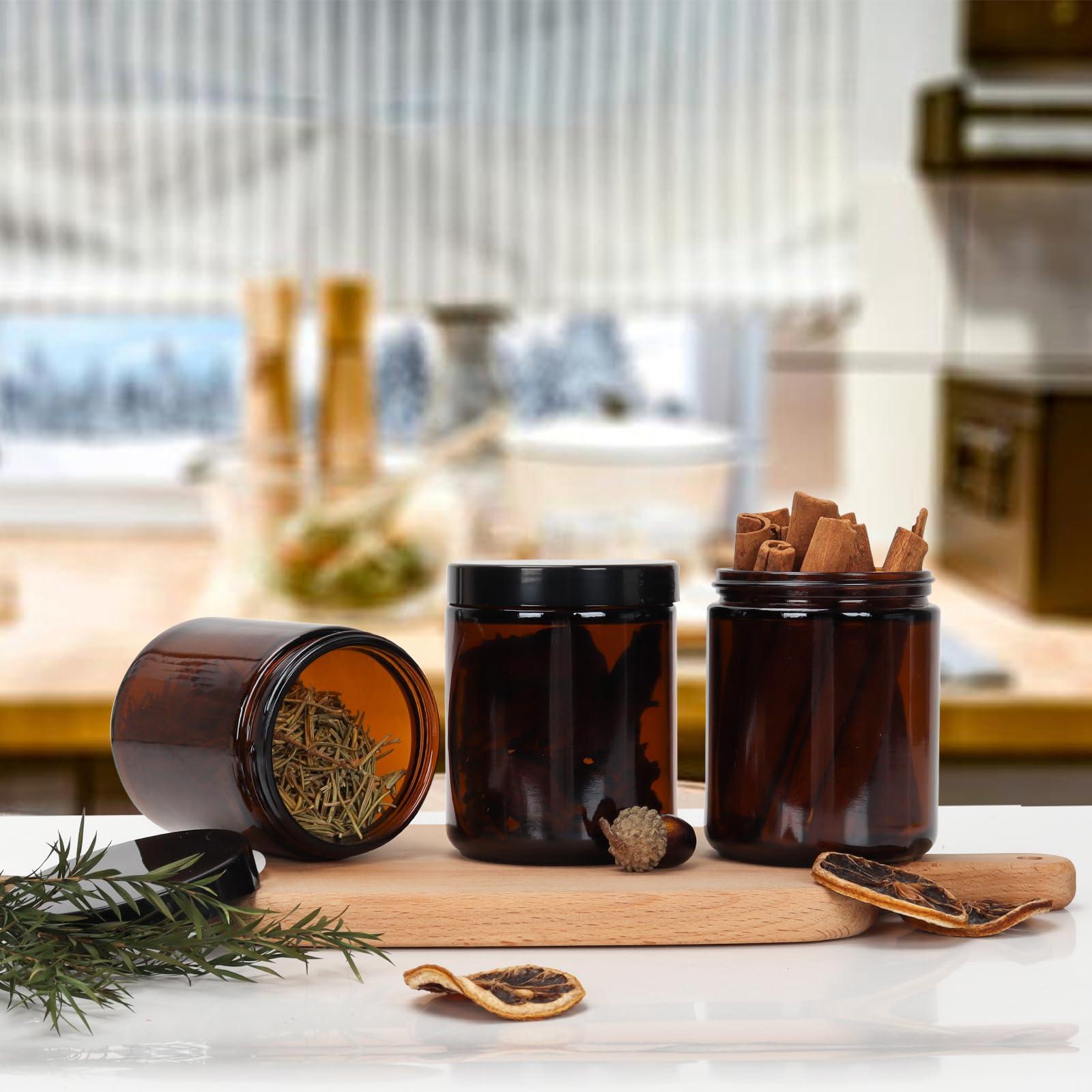
A stock image related to amber glass jar.
In-depth Look: Manufacturing Processes and Quality Assurance for amber glass jar
Amber glass jars are increasingly popular in various industries, including cosmetics, pharmaceuticals, and food storage. Understanding the manufacturing processes and quality assurance protocols is essential for B2B buyers who want to ensure they are sourcing high-quality products. This section outlines the key stages involved in the manufacturing of amber glass jars, the quality control measures that should be in place, and how buyers can effectively verify supplier compliance.
What Are the Key Stages in the Manufacturing Process of Amber Glass Jars?
The production of amber glass jars involves several critical stages, each designed to ensure the jars meet the required specifications for durability, safety, and aesthetic appeal.
Material Preparation: What Raw Materials Are Used?
The primary raw material for amber glass jars is Type III soda-lime glass, known for its strength and recyclability. During the material preparation stage, raw materials such as silica sand, soda ash, and limestone are carefully weighed and mixed. The addition of iron oxide gives the glass its distinctive amber color, which helps to block ultraviolet (UV) light. This UV filtering property is crucial for protecting light-sensitive contents, making amber glass a preferred choice for many applications.
Forming: How Are Amber Glass Jars Shaped?
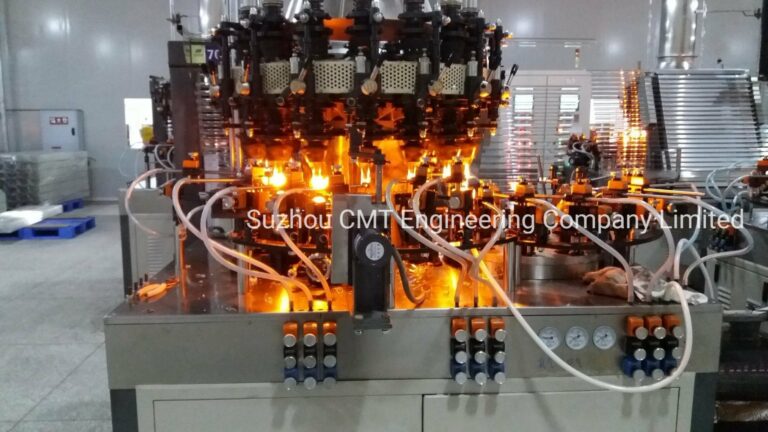
Once the raw materials are prepared, they are melted in a furnace at high temperatures (about 1,600°C). The molten glass is then shaped into jars using one of several forming techniques.
-
Moldagem por sopro: This technique involves blowing air into a molten glass parison, which expands to fill the mold. It is commonly used for producing round jars.
-
Pressionando: In this method, a pre-formed glass gather is pressed into a mold using a plunger, allowing for more intricate designs.
-
Moldagem por injeção: This process is often used for smaller jars and involves injecting molten glass into a mold.
Each method has its advantages and is selected based on the desired jar shape and production volume.
Assembly: How Are Jars Prepared for Distribution?
After the jars are formed, they undergo annealing, a controlled cooling process that relieves internal stresses. The jars are then checked for defects, cleaned, and prepared for assembly with closures. Often, jars are fitted with child-resistant or tamper-evident lids, especially in the pharmaceutical and personal care sectors.
Finishing: What Quality Enhancements Are Applied?
The finishing stage may include silk-screen printing for branding or labeling, as well as applying coatings that enhance durability or add a decorative touch. This is especially important for B2B buyers who wish to differentiate their products in a competitive market.
What Quality Control Measures Are Essential for Amber Glass Jar Manufacturing?
Quality assurance is critical throughout the manufacturing process to ensure that the final product meets international standards and customer expectations.
Quais são os padrões internacionais que os compradores B2B devem conhecer?
Many manufacturers comply with international quality standards such as ISO 9001, which outlines requirements for a quality management system. Additionally, compliance with industry-specific standards like CE marking for safety and API (American Petroleum Institute) standards for pharmaceutical applications is crucial. These certifications indicate that the products meet necessary safety and quality benchmarks.
Quais são os principais pontos de verificação do controle de qualidade?
Quality control is typically divided into three main checkpoints:
-
Controle de qualidade de entrada (IQC): This initial checkpoint involves inspecting raw materials upon arrival at the manufacturing facility. Materials are evaluated for consistency in color, composition, and purity before being used in production.
-
Controle de qualidade durante o processo (IPQC): During the manufacturing process, quality checks are conducted at various stages. This includes monitoring temperature and pressure in the furnace, as well as visual inspections of jars for defects.
-
Controle de qualidade final (FQC): After production, finished jars undergo rigorous testing to assess their strength, UV resistance, and overall quality. This may include drop tests, pressure tests, and visual inspections to ensure they meet the required standards.
Como os compradores B2B podem verificar o controle de qualidade do fornecedor?
For international buyers, ensuring that suppliers adhere to quality control protocols is vital. Here are some effective methods for verification:
What Documentation Should B2B Buyers Request?
Buyers should request quality assurance documentation, including:
- Certificates of Compliance: These documents confirm that products meet specific regulatory standards.
- Relatórios de controle de qualidade: Detailed reports outlining the results of quality checks at each stage of production can provide insight into the manufacturer’s processes.
- Audit Reports: Requesting third-party audit reports can help verify that suppliers maintain quality control standards.
How Can Audits and Third-Party Inspections Be Utilized?
Conducting supplier audits is an effective way to assess compliance with quality standards. Buyers can either perform these audits themselves or hire third-party organizations to conduct them. These audits evaluate manufacturing processes, quality control measures, and adherence to safety standards.
What Nuances Should International Buyers Consider?
Buyers from regions such as Africa, South America, the Middle East, and Europe may face additional challenges related to import regulations and standards. It is essential to understand the specific requirements for their market, including any local certifications needed for glass products. Engaging local legal or trade experts can help navigate these complexities.
Conclusion: Why Understanding Manufacturing and QC is Crucial for B2B Buyers
A thorough understanding of the manufacturing processes and quality assurance protocols for amber glass jars empowers B2B buyers to make informed purchasing decisions. By being aware of the key stages in production, the importance of quality control, and the verification methods available, buyers can ensure they source high-quality products that meet their specific needs. This knowledge not only enhances product quality but also fosters long-term business relationships built on trust and reliability.
Practical Sourcing Guide: A Step-by-Step Checklist for ‘amber glass jar’
This guide serves as a practical checklist for B2B buyers looking to procure amber glass jars. Sourcing the right containers can significantly impact your product quality, brand image, and overall success in various markets. Follow these steps to ensure you make informed decisions throughout the procurement process.
Etapa 1: Defina suas especificações técnicas
Before initiating the sourcing process, clearly define the technical specifications of the amber glass jars you need. Consider factors such as size, shape, neck finish, and volume capacity. For instance, if you are packaging essential oils, a jar with UV protection is crucial to preserve the product’s integrity.
- Common Sizes: Identify the most common sizes used in your industry (e.g., 4 oz, 8 oz, 16 oz).
- Neck Finish: Ensure compatibility with closures; popular finishes include 70-400 and 58-400.
Etapa 2: Pesquisar possíveis fornecedores
Conduct comprehensive research to identify potential suppliers of amber glass jars. Look for companies that specialize in glass packaging and have a solid reputation in the market. Supplier reliability is essential for maintaining your supply chain.
- Avaliações on-line: Check customer feedback on platforms like Trustpilot or Google Reviews.
- Experiência no setor: Favor suppliers with extensive experience in your specific market sector.
Etapa 3: Avaliar as certificações do fornecedor
It is critical to verify that your potential suppliers have the necessary certifications. This step ensures compliance with industry standards and regulations, which can vary by region.
- Food Contact Compliance: Ensure jars are FDA-approved for food contact if applicable.
- Certificações de sustentabilidade: Look for suppliers with eco-friendly practices, such as recyclable packaging.
Etapa 4: Solicitar amostras
Always request samples before placing a bulk order. Samples allow you to assess the quality of the jars and ensure they meet your specifications. This step can prevent costly mistakes down the line.
- Verificação de qualidade: Examine the glass thickness, color consistency, and overall finish.
- Functionality: Test how well the jars hold your product and if they can withstand shipping and storage conditions.
Etapa 5: Compare Pricing and Terms
Once you have shortlisted potential suppliers, compare their pricing structures and terms. This step is crucial for ensuring you stay within budget while maximizing value.
- Descontos em massa: Inquire about pricing for large orders, as many suppliers offer lower rates for bulk purchases.
- Custos de remessa: Factor in shipping and handling fees when evaluating overall costs.
Etapa 6: Negotiate Terms and Place Order
After selecting a supplier, engage in negotiations to clarify terms of purchase, including payment methods, delivery timelines, and return policies. Clear communication can help avoid misunderstandings.
- Condições de pagamento: Discuss whether you can secure better payment terms based on order size.
- Tempos de espera: Confirm expected delivery times to ensure they align with your production schedules.
Etapa 7: Monitor Quality During Delivery
Finally, establish a process for monitoring the quality of the amber glass jars upon delivery. This step ensures that the products meet your specifications and that any issues are addressed promptly.
- Inspection Protocol: Develop a checklist for inspecting jars upon receipt.
- Loop de feedback: Maintain communication with your supplier regarding any quality concerns to foster a strong business relationship.
By following these actionable steps, you can effectively navigate the sourcing process for amber glass jars, ensuring that your procurement aligns with your business goals and product requirements.
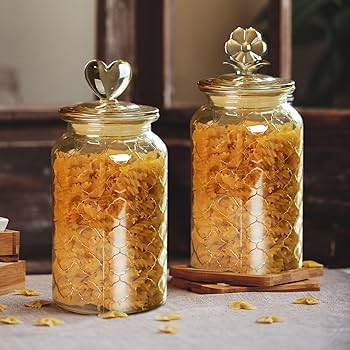
A stock image related to amber glass jar.
Comprehensive Cost and Pricing Analysis for amber glass jar Sourcing
What Are the Key Cost Components in Amber Glass Jar Sourcing?
When sourcing amber glass jars, understanding the cost structure is essential for effective budgeting and negotiation. The primary cost components include:
-
Materiais: The type of glass, such as Type-III soda-lime glass commonly used for amber jars, significantly impacts costs. The price can fluctuate based on raw material availability and market demand for glass.
-
Trabalho: Labor costs vary by region and supplier. In countries with higher labor costs, such as Germany, you may encounter higher prices. Conversely, sourcing from regions with lower labor costs can yield savings.
-
Custos indiretos de fabricação: This encompasses the indirect costs of production, including utilities, rent, and equipment maintenance. Efficient manufacturing processes can help minimize overhead.
-
Ferramentas: Custom molds for specific jar shapes or sizes represent a significant upfront investment. If you’re seeking unique designs, factor in tooling costs.
-
Controle de qualidade (QC): Ensuring the jars meet safety and quality standards is critical, especially for food and cosmetic applications. Rigorous QC processes may increase costs but are necessary for compliance.
-
Logística: Shipping and handling can add substantial costs, particularly for international orders. Consider the distance from the supplier and the mode of transportation when calculating total logistics costs.
-
Margem: Suppliers typically include a profit margin in their pricing. Understanding the average margins in your target market can help in negotiations.
How Do Pricing Influencers Affect Amber Glass Jar Costs?
Several factors influence the pricing of amber glass jars, including:
-
Volume e quantidade mínima de pedidos (MOQ): Bulk purchases generally lower per-unit costs. Suppliers often provide discounts for larger quantities, making it advantageous for businesses to order in bulk.
-
Especificações e personalização: Custom sizes, shapes, or features (e.g., specialized closures) will increase costs. Standard jars are typically more affordable than customized options.
-
Qualidade do material e certificações: Higher-quality glass or jars with specific certifications (e.g., FDA compliant for food use) often come at a premium. Assess the necessity of these certifications for your products.
-
Fatores do fornecedor: The reputation and reliability of suppliers can impact pricing. Established suppliers may charge more due to their reliability and service offerings.
-
Incoterms: The terms of shipping (e.g., FOB, CIF) dictate who is responsible for shipping costs and risks. Understanding these terms is crucial for calculating total landed costs.
What Tips Can Help Buyers Optimize Costs When Sourcing Amber Glass Jars?
For international B2B buyers, particularly those in Africa, South America, the Middle East, and Europe, here are actionable tips to enhance cost-efficiency:
-
Negociar termos: Don’t hesitate to negotiate pricing, especially if you’re placing large orders. Suppliers may be willing to provide discounts or better terms based on your commitment to ongoing purchases.
-
Considere o custo total de propriedade (TCO): Evaluate not just the purchase price but also the long-term costs associated with quality, durability, and shipping. Sometimes a higher initial investment leads to lower long-term costs due to fewer replacements.
-
Avaliar vários fornecedores: Conduct thorough market research to compare prices and terms from various suppliers. This not only helps identify competitive pricing but also uncovers potential suppliers who may offer better service or quality.
-
Entenda as nuances dos preços para transações internacionais: Be aware of currency fluctuations, tariffs, and customs duties that may affect the total cost when importing jars. This is particularly relevant for buyers in regions with unstable currencies or trade regulations.
-
Seek Local Suppliers: Whenever possible, consider sourcing from local suppliers to minimize shipping costs and lead times. This can be particularly advantageous for businesses looking to reduce their carbon footprint.
Isenção de responsabilidade
The prices mentioned in this analysis are indicative and can vary based on supplier, region, and market conditions. Always verify current pricing and terms with suppliers prior to making purchasing decisions.
Alternatives Analysis: Comparing amber glass jar With Other Solutions
Introduction to Alternative Packaging Solutions for B2B Buyers
When selecting packaging solutions for light-sensitive products, B2B buyers often consider various options beyond the traditional amber glass jar. While amber glass jars are renowned for their UV protection and aesthetic appeal, other alternatives may offer similar benefits or unique advantages depending on specific use cases. This analysis compares amber glass jars with two viable alternatives: opaque plastic containers and frosted glass jars.
Tabela de comparação
| Aspecto de comparação | Amber Glass Jar | Opaque Plastic Container | Frosted Glass Jar |
|---|---|---|---|
| Desempenho | Excellent UV protection; durable | Good for non-sensitive products; lightweight | Moderate UV protection; stylish |
| Custo | Custo moderado a alto | Baixo custo | Higher than plastic but lower than amber glass |
| Facilidade de implementação | Requer manuseio cuidadoso | Easy to stack and transport | Similar handling as amber glass |
| Manutenção | Reusable and recyclable; requires careful cleaning | Recyclable; easy to clean | Reusable but heavier; requires careful handling |
| Melhor caso de uso | Ideal for cosmetics, food, and pharmaceuticals | Suitable for dry goods and non-sensitive items | Best for high-end products and branding |
Análise detalhada das alternativas
Opaque Plastic Containers
Opaque plastic containers are a popular choice for many manufacturers, especially for products that do not require UV protection. These containers are lightweight, making them easy to transport and stack, which can significantly reduce shipping costs. They are generally more affordable than amber glass jars, making them an attractive option for budget-conscious businesses.
However, opaque plastic does not provide the same level of protection against UV light, which could lead to product degradation for sensitive items. Additionally, while many plastic containers are recyclable, they may not align with sustainability goals as effectively as glass options. For products that are not affected by light, opaque plastic is an excellent choice.
Frosted Glass Jars
Frosted glass jars present a stylish alternative to amber glass jars, offering a unique aesthetic that can enhance brand image. They provide moderate UV protection, making them suitable for some light-sensitive products. The frosted finish adds a premium feel, which can be particularly appealing for luxury brands in the cosmetics and food industries.
However, these jars can be heavier than both amber glass and plastic options, potentially increasing shipping costs. They are also generally more expensive than opaque plastic containers, which may deter budget-sensitive buyers. Frosted glass jars excel in branding but may not offer the same level of functional benefits as amber glass jars for all applications.
Conclusão: Escolhendo a solução de embalagem certa para sua empresa
Selecting the most suitable packaging solution involves evaluating the specific needs of your products and target market. Amber glass jars provide unparalleled UV protection and are ideal for sensitive items, but they come at a higher cost and require careful handling. Opaque plastic containers offer affordability and lightweight convenience, making them suitable for non-sensitive goods. Frosted glass jars can elevate your brand’s aesthetic but may incur higher costs and shipping expenses.
Ultimately, B2B buyers should consider factors such as product sensitivity, budget constraints, and desired brand image when making their choice. By aligning packaging solutions with business goals, companies can effectively meet customer expectations and enhance their market position.
Essential Technical Properties and Trade Terminology for amber glass jar
What Are the Key Technical Properties of Amber Glass Jars?
When considering amber glass jars for your business, understanding their technical specifications is crucial. Here are some critical properties to keep in mind:
-
Grau do material: Amber glass jars are typically made from Type III soda-lime glass. This material is known for its durability and resistance to breakage, making it suitable for various applications, from personal care products to food storage. The B2B importance lies in ensuring product safety and longevity, particularly for light-sensitive items.
-
Acabamento do braço: The neck finish refers to the diameter and style of the jar’s opening, which affects closure compatibility. Common neck finishes for amber glass jars include 70-400 and 58-400. Understanding this specification helps in selecting the right lids and ensures secure sealing, which is essential for maintaining product integrity during transport and storage.
-
Volume and Dimensions: Amber glass jars come in various sizes, typically ranging from 1 oz to 32 oz. Knowing the volume and dimensions of the jars is vital for inventory management and packaging decisions. For instance, smaller jars are ideal for samples or specialty products, while larger jars suit bulk items. Accurate sizing also helps optimize shipping costs.
-
Proteção UV: One of the standout features of amber glass is its ability to filter out harmful UV light. This property is particularly important for products containing sensitive ingredients, such as essential oils or certain pharmaceuticals. By choosing amber glass, businesses can enhance product shelf life and maintain efficacy, which is a significant selling point.
-
Reciclabilidade: Most amber glass jars are 100% recyclable, making them an environmentally friendly choice. This attribute is increasingly important for consumers and businesses alike, as sustainability practices gain traction in the marketplace. Using recyclable materials can enhance your brand’s reputation and appeal to eco-conscious buyers.
-
FDA Compliance: Many amber glass jars are FDA-approved for food contact, ensuring safety for consumable products. This compliance is crucial for businesses in the food and beverage sector, as it meets regulatory standards and builds consumer trust in product safety.
What Common Trade Terms Should B2B Buyers Understand?
Understanding industry jargon can significantly streamline communication and negotiations in B2B transactions. Here are some essential trade terms related to amber glass jars:
-
OEM (fabricante original do equipamento): This term refers to companies that produce components that are used in another company’s end products. In the context of amber glass jars, OEM suppliers may manufacture jars that are branded and sold by another company. Knowing about OEM can help businesses identify potential manufacturing partners.
-
MOQ (Quantidade mínima de pedido): MOQ is the smallest quantity of a product that a supplier is willing to sell. This term is critical for inventory planning, as it affects purchasing decisions and cash flow. Understanding MOQ helps businesses avoid overstocking or running out of essential products.
-
RFQ (Request for Quotation, solicitação de cotação): An RFQ is a document sent to suppliers requesting pricing and terms for specific products. When sourcing amber glass jars, sending out RFQs allows buyers to compare offers and negotiate better deals, ensuring they secure the best pricing and terms.
-
Incoterms (Termos Comerciais Internacionais): These are standardized trade terms that define the responsibilities of buyers and sellers in international transactions. Familiarity with Incoterms helps businesses understand shipping costs, risks, and obligations, facilitating smoother international trade of amber glass jars.
-
Prazo de entrega: Lead time refers to the period between placing an order and receiving the products. Understanding lead times is crucial for inventory management and planning, ensuring that businesses can meet customer demand without delays.
-
Drop Shipping: This term refers to a retail fulfillment method where a store doesn’t keep the products it sells in stock. Instead, when a store sells a product, it purchases the item from a third party and has it shipped directly to the customer. This can be a viable strategy for businesses looking to minimize inventory costs while offering a wide range of amber glass jars.
By familiarizing yourself with these technical properties and industry terms, you can make informed decisions that enhance your operational efficiency and product offerings in the B2B marketplace.
Navigating Market Dynamics and Sourcing Trends in the amber glass jar Sector
What Are the Key Market Drivers and Trends in the Amber Glass Jar Sector?
The amber glass jar market is witnessing significant growth driven by various global factors. Increased consumer awareness regarding product safety, particularly for light-sensitive goods such as essential oils, skincare products, and certain food items, is a primary driver. The unique UV-filtering properties of amber glass make it an ideal choice for brands looking to enhance product integrity and longevity. Additionally, the rise of the natural and organic product segment globally has led to a surge in demand for amber glass jars, as brands strive for aesthetically pleasing, environmentally friendly packaging solutions.
Emerging technologies in manufacturing and logistics are also reshaping the sourcing landscape. Automation in production processes enhances efficiency, while advanced supply chain management systems are facilitating better inventory control and shipping logistics. For B2B buyers, particularly in regions like Africa, South America, the Middle East, and Europe, leveraging these technologies can optimize costs and improve turnaround times. The growing trend of direct sourcing is becoming popular, allowing businesses to connect with manufacturers for better pricing and customization options, thus streamlining their procurement processes.
How Are Sustainability and Ethical Sourcing Influencing the Amber Glass Jar Market?
Sustainability has become a cornerstone of modern B2B practices, particularly in the packaging sector. The environmental impact of packaging materials is under scrutiny, pushing companies to prioritize eco-friendly options. Amber glass jars are 100% recyclable, presenting a compelling case for businesses looking to reduce their carbon footprint. Furthermore, as consumers increasingly favor brands with strong sustainability credentials, B2B buyers must consider sourcing from suppliers who emphasize ethical production methods and use recycled materials in their manufacturing processes.
The importance of ethical supply chains cannot be overstated. B2B buyers are encouraged to seek suppliers that hold certifications for sustainable practices, such as FSC (Forest Stewardship Council) or ISO 14001, which indicate responsible sourcing and environmental management. By aligning with ethical suppliers, businesses can not only enhance their brand reputation but also mitigate risks associated with environmental regulations and consumer backlash. As the amber glass jar market evolves, those who embrace sustainability as a core value will likely gain a competitive edge.
What Is the Historical Context of Amber Glass Jars in B2B Markets?
The use of amber glass jars dates back to the early 20th century, initially gaining popularity in pharmaceutical applications due to their effectiveness in protecting sensitive compounds from light exposure. Over the decades, their application expanded into cosmetics, food storage, and other consumer goods, driven by a growing recognition of the benefits of glass over plastic, particularly in terms of safety and preservation.
In recent years, the amber glass jar has experienced a resurgence, propelled by the natural product movement and an increasing consumer preference for sustainable packaging solutions. This evolution underscores the jar’s adaptability and relevance in contemporary markets, making it a vital consideration for B2B buyers focused on quality, safety, and sustainability. As businesses continue to navigate the complexities of global sourcing, understanding this historical context can provide valuable insights into current market dynamics and future opportunities in the amber glass jar sector.
Frequently Asked Questions (FAQs) for B2B Buyers of amber glass jar
-
How do I choose the right size amber glass jar for my product?
Selecting the appropriate size for your amber glass jar depends on the type of product you intend to package. For creams and balms, smaller jars (2-4 oz) are typically sufficient, while larger items like candles or food items may require 8 oz or larger. Consider your target market and how your product is used. Additionally, conduct market research to gauge consumer preferences regarding packaging sizes, which can influence your sales. -
What is the best material for amber glass jars?
Amber glass jars are primarily made from Type III soda-lime glass, which is food contact safe and offers UV protection, making them ideal for light-sensitive products. This material not only maintains the integrity of your contents but also provides a professional appearance. When sourcing, ensure that the supplier adheres to quality standards to guarantee that the glass is durable and free from defects. -
How can I ensure the quality of amber glass jars from suppliers?
To ensure quality, vet potential suppliers by requesting samples and reviewing their certifications, such as ISO standards. Inquire about their manufacturing processes, quality assurance protocols, and whether they conduct regular inspections. Reading customer reviews and testimonials can also provide insights into the reliability and consistency of the supplier’s products. -
What are the minimum order quantities (MOQs) for amber glass jars?
Minimum order quantities can vary significantly among suppliers. Some may offer low MOQs for smaller businesses, while others might require bulk purchases to maintain competitive pricing. Always clarify the MOQ before placing an order, as this can affect your inventory management and cash flow. If you require flexibility, look for suppliers that offer scalable options. -
Can I customize the amber glass jars with my branding?
Yes, many suppliers offer customization options for amber glass jars, including silk-screen printing or labeling. Customization can enhance your brand visibility and create a unique product presentation. When discussing customization, inquire about the minimum order quantities, lead times, and any additional costs associated with the branding process. -
What payment terms should I expect when sourcing amber glass jars internationally?
Payment terms vary by supplier and may include options like advance payments, letters of credit, or net payment terms (e.g., net 30 or net 60). It’s crucial to negotiate terms that align with your cash flow needs and risk tolerance. Additionally, be aware of currency fluctuations and consider discussing payment in your local currency to mitigate exchange rate risks. -
How do I handle logistics and shipping for international orders of amber glass jars?
When sourcing internationally, consider the supplier’s shipping capabilities and the associated costs. Inquire about shipping options, estimated delivery times, and whether they provide tracking information. Collaborate with a freight forwarder who understands the nuances of shipping glass products, including handling, customs clearance, and insurance to protect your investment during transit. -
What should I do if I receive damaged amber glass jars?
If you receive damaged jars, promptly document the issue with photographs and contact your supplier immediately. Most reputable suppliers have return policies and may offer replacements or refunds for damaged goods. Ensure to review the supplier’s damage policy before placing an order, so you are aware of the steps to take in case of any issues.
Isenção de responsabilidade e termos de uso importantes
⚠️ Isenção de responsabilidade importante
As informações fornecidas neste guia, inclusive o conteúdo referente a fabricantes, especificações técnicas e análise de mercado, são apenas para fins informativos e educacionais. Elas não constituem aconselhamento profissional sobre compras, aconselhamento financeiro ou aconselhamento jurídico.
Embora tenhamos feito todos os esforços para garantir a precisão e a atualidade das informações, não nos responsabilizamos por erros, omissões ou informações desatualizadas. As condições de mercado, os detalhes da empresa e os padrões técnicos estão sujeitos a alterações.
Os compradores B2B devem realizar sua própria due diligence independente e completa antes de tomar qualquer decisão de compra. Isso inclui entrar em contato diretamente com os fornecedores, verificar as certificações, solicitar amostras e buscar consultoria profissional. O risco de confiar em qualquer informação contida neste guia é de responsabilidade exclusiva do leitor.
Top 9 Amber Glass Jar Manufacturers & Suppliers List
1. Fillmore Container – Amber Glass Jars
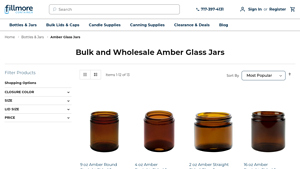
Domínio: fillmorecontainer.com
Registrado: 2002 (23 anos)
Introdução: Amber Glass Jars available in various sizes and finishes, including: 9 oz Amber Round Straight Sided Jar (70-400 finish), 4 oz Amber Straight-Sided Jar (58-400 finish), 2 oz Amber Straight Sided Glass Jar (53-400 finish), 16 oz Amber Straight-Sided Jar (89-400 finish), 6 oz Amber Straight-Sided Jar (63-400 finish), 8 oz Amber Boston Round (24-400 finish), 16 oz Amber Boston Round (28-400 finish), …
2. BottleStore – 8oz Amber Glass Straight Sided Jar
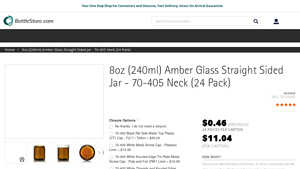
Domínio: bottlestore.com
Registrado: 1998 (27 anos)
Introdução: {“product_name”: “8oz (240ml) Amber Glass Straight Sided Jar”, “neck_finish”: “70-405”, “pack_size”: “24 Pack”, “availability”: “In-Stock and Ready-To-Ship”, “sku”: “55220042”, “rating”: “100 % of 100”, “closure_options”: [“No thanks. I do not need a closure.”, “70-400 Black Rib Side Matte Top Plastic (CT) Cap – F217 / Teflon + $35.04”, “70-400 White Metal Screw Cap – Plastisol Liner + $12.48”, “7…
3. Berlin Packaging – 4 oz Amber Glass Squat Jars

Domínio: berlinpackaging.com
Registrado: 1997 (28 anos)
Introdução: {“product_name”: “4 oz Amber Glass Straight Sided Squat Jars”, “item_number”: “5001B56-B”, “capacity”: “4 oz”, “color”: “Amber”, “cap_size”: “58-400 (sold separately)”, “features”: [“UV Resistant”, “FDA Food Contact Compliant”, “Dishwasher safe”, “Microwave safe”, “Freezer safe”, “BPA Non-Intent”, “Child-resistant options available”, “Tamper-evident design”, “100% recyclable”], “packaging”: “Packe…
4. Container and Packaging – 2 oz Amber Glass Bottle

Domínio: containerandpackaging.com
Registrado: 2001 (24 anos)
Introdução: {“item_number”:”G864AM”,”capacity”:”2 oz”,”color”:”Amber”,”material”:”Glass”,”neck_finish”:”53-400″,”height_in”:”1.89″,”diameter_in”:”2.15″,”weight_case_oz”:”512.32″,”recyclable”:”Yes”,”features”:”Wide mouth, thick walls, square base, high-clarity glass, exceptional chemical and temperature resistance, UV protection, suitable for light-sensitive products.”,”industries”:”Cosmetics, pharmaceuticals,…
5. CandleScience – Medium Amber Straight Sided Jar
Domínio: candlescience.com
Registrado: 2002 (23 anos)
Introdução: Medium Amber Straight Sided Jar (Threaded)\n- Rating: 4 out of 5 Stars (9 reviews)\n- Price: 12 pc Case ($0.95 /pc) $11.37; 10-84 cases ($0.89 /pc) $10.66; 85-169 cases ($0.86 /pc) $10.33; 170+ [pallet] ($0.84 /pc) $10.10\n- Material: Glass\n- Finish: Colored\n- Transparency: Translucent\n- Wax Weight (to Fill Line): 7.00 oz (198.45 g)\n- Volume (to Overflow): 9.20 fl oz (261.40 mL)\n- Height: 3.5…
6. Pinterest – Amber Glass Jars
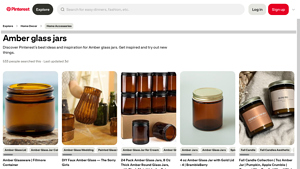
Domínio: pinterest.com
Registrado: 2009 (16 anos)
Introdução: Amber Glass Jars, approximately 2.9inch(W) x 3.5inch(H), capacity: 8oz (250ml), color: brown. Made of premium glass, sturdy and reusable, with airtight lids lined with foam to prevent leaking. Dishwasher safe and high temperature resistant. Ideal for storage of spices, liquids, samples, and more.
7. Uline – Amber Straight-Sided Glass Jars

Domínio: uline.com
Registrado: 1995 (30 anos)
Introdução: Amber Straight-Sided Glass Jars are designed for safely storing light-sensitive chemicals or pharmaceuticals. They feature straight walls for easy filling and access to contents. Available with two types of caps: a phenolic cap for general applications and a metal cap for vitamins and cosmetics. All jars are FDA compliant and caps are included.
**Product Specifications:**
– **Sizes Available:** …
8. Shay & Company – 4OZ Amber Glass Jars

Domínio: shayandcompany.com
Registrado: 2000 (25 anos)
Introdução: 4OZ Amber Glass Jars (58/400) available in various lid options. Price range: $11.30 – $995.00. Suitable for candles, body scrubs, body butters, salves, creams, lotions, and more. Packaging options include 12 count, 60 count, 120 count, 516 count, and 1008 count with gold or black/gold lids.
9. Mountain Rose Herbs – Herbal Packaging Solutions

Domínio: mountainroseherbs.com
Registrado: 2000 (25 anos)
Introdução: Mountain Rose Herbs offers an extensive line of jars, tins, glass bottles, and components for all your herbal, cosmetic, and body care projects. The containers include amber glass jars and bottles, tins, and pantry jars, with a wide variety of styles and case packs available. These containers are suitable for both creative purposes and essential pantry needs.
Strategic Sourcing Conclusion and Outlook for amber glass jar
The amber glass jar market presents a wealth of opportunities for international B2B buyers, particularly in Africa, South America, the Middle East, and Europe. As industries increasingly prioritize sustainable packaging solutions, amber glass jars stand out due to their UV protection properties, making them ideal for light-sensitive products in sectors such as cosmetics, food, and pharmaceuticals. Buyers can leverage strategic sourcing to optimize their supply chains, ensuring consistent quality and cost-effectiveness while minimizing environmental impact.
Key considerations in your sourcing strategy should include evaluating suppliers based on their ability to provide bulk options, competitive pricing, and flexibility in order quantities. Establishing strong relationships with reliable manufacturers can enhance your product offerings and ensure timely delivery, crucial in today’s fast-paced market.
Looking ahead, the demand for amber glass jars is expected to grow, driven by increasing consumer awareness of sustainable practices and the benefits of glass packaging. Now is the time for international buyers to act—explore partnerships with reputable suppliers, assess your product needs, and position your business to meet the evolving market demands. Embrace the potential of amber glass jars and lead your industry in sustainability and quality.





 Portuguese
  English
  Russian
  Spanish
  Italian
  Thai
Thai  French
  Arabic
  Indonesian
  German