
Introduction: Navigating the Global Market for Round Shape Replaceable Cosmetic Container with Spatula
Navigating the global market for round shape replaceable cosmetic containers with spatulas presents a significant challenge for international B2B buyers seeking to meet diverse consumer needs while ensuring sustainability and quality. With the increasing demand for eco-friendly packaging solutions, sourcing the right cosmetic containers can feel overwhelming. This guide serves as a comprehensive resource, offering insights into various types of containers, their applications, and essential considerations for supplier vetting.
Buyers will explore the nuances of selecting the ideal packaging that not only aligns with brand identity but also meets regulatory standards across regions, including Africa, South America, the Middle East, and Europe. The guide addresses key factors such as material choices—like recyclable polypropylene (PP)—design options, and cost implications, equipping businesses with the knowledge to make informed purchasing decisions.
By delving into industry trends and best practices, this guide empowers B2B buyers to navigate their sourcing journey confidently. Whether you are a startup looking to establish a unique brand presence or an established company aiming to innovate, understanding the intricacies of cosmetic container packaging will enable you to enhance product appeal and consumer satisfaction. Engage with this guide to unlock strategic insights that will elevate your packaging strategy and drive business success in an increasingly competitive market.
Understanding Round Shape Replaceable Cosmetic Container with Spatula Types and Variations
| Nome del tipo | Caratteristiche distintive principali | Applicazioni primarie B2B | Brevi pro e contro per gli acquirenti |
|---|---|---|---|
| Mono Material PP Cream Jar | Made from 100% polypropylene, customizable, includes spatula | Skincare products, creams, and scrubs | Pro: Sustainable, lightweight, customizable. Contro: Limited to specific materials. |
| High-Quality Flat Top Jar | Thicker walls for durability, leak-proof options available | Fine powders, liquids, and creams | Pro: Leak-proof, robust design. Contro: Higher cost, heavier. |
| Standard Round Top Jar | Lightweight, various sizes, not completely leak-proof | Sample jars, travel containers | Pro: Economico e versatile. Contro: Not suitable for liquids. |
| Refillable Cosmetic Jar | Designed for multiple uses, eco-friendly options | Sustainable brands, eco-conscious buyers | Pro: Reduces waste, promotes sustainability. Contro: May require more maintenance. |
| Custom Molded Cosmetic Container | Tailored designs for brand identity, various material options | Premium brands, specialty products | Pro: Unique branding opportunities, high-quality design. Contro: Longer lead times, higher initial investment. |
What Are the Characteristics of Mono Material PP Cream Jars?
Mono Material PP Cream Jars are crafted from 100% polypropylene, making them a sustainable choice for cosmetic packaging. Their lightweight design and the inclusion of a spatula enhance user experience, particularly for high-viscosity products like creams and scrubs. B2B buyers should consider customization options that align with their brand identity, as these jars can be tailored in color and design. Additionally, the use of post-consumer recycled (PCR) materials can appeal to eco-conscious consumers.
How Do High-Quality Flat Top Jars Stand Out?
High-Quality Flat Top Jars are distinguished by their thicker walls, which provide enhanced durability and leak-proof capabilities. They are ideal for storing fine powders and liquids, making them suitable for various cosmetic products. B2B buyers should weigh the benefits of investing in these robust containers against their higher price point. The availability of vacuum seal lids and foam liners further supports their functionality, particularly for products that require extra protection during transport.
Why Choose Standard Round Top Jars for Your Business?
Standard Round Top Jars are an economical option for businesses looking to package a variety of products, including samples and travel containers. Their lightweight nature and diverse size options make them particularly appealing for B2B buyers seeking versatility. However, it’s important to note that they are not completely leak-proof, which may limit their use for liquid products. Buyers should consider their target market and product type when selecting this packaging option.
What Are the Advantages of Refillable Cosmetic Jars?
Refillable Cosmetic Jars promote sustainability by allowing consumers to reuse containers, thereby reducing waste. These jars are particularly appealing to brands that prioritize eco-friendliness and aim to attract environmentally conscious consumers. B2B buyers should consider the additional maintenance that may be required for these products, as they often need to be cleaned and sanitized between uses. Nevertheless, the long-term benefits of promoting a sustainable brand image can outweigh these considerations.
How Do Custom Molded Cosmetic Containers Enhance Brand Identity?
Custom Molded Cosmetic Containers offer a unique opportunity for brands to distinguish themselves in a crowded marketplace. These containers can be designed to reflect the brand’s identity, from materials to shapes and colors. While they may require a higher initial investment and longer lead times, the payoff can be significant in terms of brand recognition and customer loyalty. B2B buyers should evaluate their budget and marketing strategy when considering custom molds, as this investment can lead to a stronger market presence.
Key Industrial Applications of Round Shape Replaceable Cosmetic Container with Spatula
| Industria/Settore | Specific Application of Round Shape Replaceable Cosmetic Container with Spatula | Valore/Beneficio per l'azienda | Considerazioni chiave sull'approvvigionamento per questa applicazione |
|---|---|---|---|
| Cosmetici e trattamenti per la pelle | Packaging for high-viscosity creams and skincare products | Enhances product appeal and user experience | Material quality, customization options, sustainability |
| Cura della persona | Storage for body scrubs and exfoliants | Promotes brand identity and eco-friendliness | Size options, compatibility with various formulations |
| Prodotti farmaceutici | Sample containers for ointments and topical creams | Ensures product integrity and compliance | Leak-proof design, regulatory compliance, volume capacity |
| Cibo e bevande | Packaging for edible creams and spreads | Meets safety standards and consumer trust | Food-grade materials, sealing capabilities, branding |
| Travel & Hospitality | Portable containers for cosmetic samples in hotels and spas | Increases customer satisfaction and loyalty | Lightweight design, tamper-proof features, bulk ordering |
How is the Round Shape Replaceable Cosmetic Container with Spatula Used in the Cosmetics & Skincare Industry?
In the cosmetics and skincare industry, the round shape replaceable cosmetic container with spatula is primarily used for packaging high-viscosity creams and serums. These jars not only provide a visually appealing presentation but also enhance user experience with the included spatula for easy application. Buyers in this sector should prioritize customizability and sustainability, as eco-friendly packaging is increasingly demanded by consumers, particularly in regions like Europe and South America.
What Role Does This Container Play in Personal Care Applications?
For personal care products such as body scrubs and exfoliants, this container serves as an ideal solution due to its robust design and effective sealing capabilities. It helps maintain product integrity while showcasing the brand’s commitment to quality. International buyers, especially from Africa and the Middle East, should focus on the jar’s size options and compatibility with various formulations to meet local market preferences.
How is the Container Utilized in Pharmaceuticals?
In the pharmaceutical sector, these containers are utilized for packaging ointments and topical creams. Their secure screw-on lid ensures product integrity and compliance with health regulations. When sourcing for this application, businesses must consider leak-proof designs and regulatory compliance to ensure safety and efficacy, particularly in regions with stringent health standards, such as Europe and the Middle East.
Can This Container Be Used in Food & Beverage Packaging?
Yes, the round shape replaceable cosmetic container can also be adapted for packaging edible creams and spreads. It offers a safe and attractive solution that meets food safety standards, thereby enhancing consumer trust. B2B buyers in the food and beverage sector should ensure that the materials used are food-grade and that the sealing capabilities are robust enough to prevent contamination.
How Does This Container Enhance Travel & Hospitality Experiences?
In the travel and hospitality industry, these containers are perfect for offering cosmetic samples in hotels and spas. Their lightweight design and tamper-proof features ensure that guests can easily take products on the go, enhancing customer satisfaction. Sourcing considerations should include bulk ordering options and customization to align with the hotel or spa’s branding, making it an appealing choice for international buyers looking to elevate their service offerings.
3 Common User Pain Points for ‘Round Shape Replaceable Cosmetic Container with Spatula’ & Their Solutions
Scenario 1: Difficulty in Ensuring Product Freshness and Hygiene
Il problema: B2B buyers often face challenges in maintaining the freshness and hygiene of cosmetic products, especially when using traditional packaging methods. The risk of contamination increases when consumers use fingers or brushes to scoop out product, leading to spoilage and reduced shelf life. This issue is particularly critical in regions where temperature fluctuations can exacerbate product degradation. Buyers are concerned that these factors can negatively impact customer satisfaction and brand reputation.
La soluzione: Opting for round shape replaceable cosmetic containers with spatulas can significantly mitigate these risks. The included spatula allows consumers to dispense products without direct contact, minimizing contamination and preserving the integrity of the product. When sourcing these containers, buyers should prioritize options made from high-quality, food-safe materials like polypropylene (PP) that are also recyclable. Additionally, consider investing in containers with airtight seals to enhance product longevity. Implementing a clear labeling strategy that communicates the hygiene benefits of using a spatula can further reassure consumers and bolster brand trust.
Scenario 2: Customization Challenges in Cosmetic Packaging
Il problema: Many B2B buyers struggle with finding cosmetic containers that align with their brand identity and meet market demands for unique aesthetics. The lack of customizable options often leads to generic packaging that fails to attract consumers, especially in competitive markets like Africa and South America. Buyers need solutions that allow for branding while still providing functional benefits to the end user.
La soluzione: The round shape replaceable cosmetic container with spatula offers extensive customization options that can cater to various branding strategies. Buyers should seek manufacturers that provide personalized design capabilities, such as custom colors, labels, and finishes. Inquire about the minimum order quantities for bespoke designs and consider collaborating with packaging experts to ensure the designs resonate with target demographics. Using eco-friendly materials for customization not only enhances brand image but also appeals to the growing market of environmentally conscious consumers. This dual focus on aesthetics and sustainability can differentiate products in crowded marketplaces.
Scenario 3: Managing Supply Chain and Order Fulfillment Issues
Il problema: B2B buyers often encounter challenges related to supply chain disruptions, particularly when sourcing cosmetic packaging from overseas suppliers. Delays in production, shipping issues, and fluctuating prices can create significant stress for buyers who need reliable inventory to meet customer demand. This unpredictability can lead to stockouts, lost sales, and ultimately affect brand loyalty.
La soluzione: To alleviate these supply chain concerns, buyers should establish relationships with multiple suppliers to diversify their sourcing options. It is crucial to assess suppliers based on their track record for timely deliveries and quality assurance. Implementing a just-in-time inventory system can help manage stock levels more effectively while reducing excess inventory costs. Additionally, consider negotiating long-term contracts with suppliers of round shape replaceable cosmetic containers with spatulas to secure favorable pricing and priority in production schedules. Engaging in regular communication with suppliers can also preemptively address potential delays, ensuring a smoother order fulfillment process.
Strategic Material Selection Guide for Round Shape Replaceable Cosmetic Container with Spatula
What Materials are Commonly Used for Round Shape Replaceable Cosmetic Containers with Spatulas?
When selecting materials for round shape replaceable cosmetic containers with spatulas, it is essential to consider various factors, including performance, cost, and compliance with international standards. Below, we analyze four common materials used in the manufacturing of these containers: Polypropylene (PP), Polyethylene Terephthalate (PET), Glass, and Acrylic.
How Does Polypropylene (PP) Perform in Cosmetic Container Applications?
Polypropylene (PP) is a widely used thermoplastic known for its excellent chemical resistance and durability. It can withstand a temperature range of -20°C to 120°C, making it suitable for various cosmetic products, including creams and lotions. PP is also lightweight and can be produced in different colors, enhancing branding opportunities.
Pro:
– High resistance to moisture and chemicals, ensuring product integrity.
– Cost-effective and easy to manufacture, which lowers production costs.
– Recyclable, aligning with sustainability goals.
Contro:
– Lower impact resistance compared to glass or acrylic, which may lead to cracking under stress.
– Limited aesthetic appeal compared to glass options.
Considerazioni internazionali:
B2B buyers in regions such as Africa and the Middle East must ensure compliance with local regulations regarding plastic use. PP containers should meet standards like ASTM D6400 for compostability and recycling.
What Advantages Does Polyethylene Terephthalate (PET) Offer?
Polyethylene Terephthalate (PET) is another popular choice for cosmetic containers. It boasts a high clarity and excellent barrier properties, making it suitable for products that require protection from moisture and oxygen. PET can withstand temperatures up to 60°C, which is adequate for many cosmetic applications.
Pro:
– Strong and shatter-resistant, reducing the risk of breakage during transport.
– Excellent for showcasing product colors and textures due to its transparency.
– Recyclable and widely accepted in recycling programs.
Contro:
– Less heat-resistant than PP, which may limit its use in high-temperature environments.
– Higher cost compared to PP, which may affect pricing strategies.
Considerazioni internazionali:
In Europe and South America, compliance with recycling standards is crucial. Buyers should look for PET containers that meet the European Union’s packaging directives.
Why Choose Glass for Cosmetic Containers?
Glass is often regarded as a premium material for cosmetic packaging. It offers superior aesthetic appeal and is inert, meaning it does not interact with the product inside. Glass containers can endure high temperatures, making them suitable for sterilization processes.
Pro:
– High-end appearance that enhances brand perception.
– Excellent barrier properties against air and moisture.
– Fully recyclable and can be reused multiple times.
Contro:
– Heavier than plastic, increasing shipping costs.
– Fragility poses a risk of breakage during transport and handling.
Considerazioni internazionali:
For buyers in regions like the Middle East, where glass is often favored for luxury products, adherence to safety standards such as ISO 7030 for glass containers is vital.
What Role Does Acrylic Play in Cosmetic Packaging?
Acrylic is a versatile plastic that offers a glass-like appearance while being lighter and more durable. It can be molded into intricate designs, making it an attractive option for cosmetic containers.
Pro:
– Lightweight and shatter-resistant, reducing shipping costs and breakage risks.
– Can be produced in various colors and finishes, enhancing branding.
– Good clarity, allowing for product visibility.
Contro:
– Less chemical resistant than PP or PET, which may limit its use with certain products.
– Prone to scratching, which can affect the appearance over time.
Considerazioni internazionali:
B2B buyers must ensure that acrylic containers comply with safety regulations, particularly in markets with stringent standards like Europe and North America.
Tabella riassuntiva delle proprietà dei materiali
| Materiale | Typical Use Case for Round Shape Replaceable Cosmetic Container with Spatula | Vantaggio chiave | Svantaggi/limitazioni principali | Costo relativo (basso/medio/alto) |
|---|---|---|---|---|
| Polipropilene (PP) | Creams, lotions, and other viscous products | Elevata resistenza chimica | Lower impact resistance | Basso |
| Polietilene tereftalato (PET) | Moisture-sensitive products requiring visibility | Strong and shatter-resistant | Less heat-resistant than PP | Medio |
| Vetro | Luxury creams and serums requiring high-end presentation | Premium aesthetic appeal | Pesante e fragile | Alto |
| Acrilico | Decorative containers for creams and gels | Lightweight with glass-like appearance | Minore resistenza chimica | Medio |
This strategic material selection guide provides insights for international B2B buyers to make informed decisions when sourcing round shape replaceable cosmetic containers with spatulas. Understanding the properties, advantages, and limitations of each material will facilitate better alignment with product requirements and market demands.

A stock image related to Round Shape Replaceable Cosmetic Container with Spatula.
In-depth Look: Manufacturing Processes and Quality Assurance for Round Shape Replaceable Cosmetic Container with Spatula
What Are the Key Stages in the Manufacturing Process of Round Shape Replaceable Cosmetic Containers with Spatula?
The manufacturing of round shape replaceable cosmetic containers with spatulas involves several critical stages, each designed to ensure quality, functionality, and aesthetic appeal.
Material Preparation: What Materials Are Used and Why?
The primary material for these cosmetic containers is polypropylene (PP), chosen for its lightweight, durable, and recyclable properties. Some manufacturers may incorporate post-consumer recycled (PCR) materials to enhance sustainability. During this phase, raw materials are sourced from reputable suppliers who meet international quality standards, ensuring the integrity of the final product. Suppliers often conduct preliminary checks on material quality to prevent defects in subsequent stages.
How Is the Forming Process Conducted?
The forming process typically employs injection molding or blow molding techniques. In injection molding, heated PP is injected into molds to create the jar and lid shapes, while blow molding may be used for creating hollow containers. This stage is crucial for achieving the desired dimensions and ensuring the containers are robust enough to hold high-viscosity creams without leaking. Manufacturers often use advanced machinery that allows for precise control over temperature and pressure, which directly impacts the quality of the final product.
What Does the Assembly Stage Involve?
Once the individual components (outer jar, inner jar, lid, and spatula) are formed, the assembly stage begins. This includes the integration of the spatula, which is typically made from the same PP material. The components are assembled either manually or through automated systems, depending on the scale of production. Automation increases efficiency while minimizing human error, ensuring consistent quality across all units produced.
How Are Finishing Techniques Applied?
The finishing stage involves surface treatments such as labeling, printing, or coating to enhance the aesthetic appeal and branding of the containers. Techniques such as silk screening or hot stamping are commonly employed to apply logos and product information. This stage not only adds value to the product but also plays a significant role in attracting consumers. Manufacturers may also perform a final visual inspection to ensure that all containers meet branding specifications before packaging.
What Quality Assurance Measures Are Implemented in the Manufacturing Process?
Quality assurance is a multi-faceted process that guarantees the containers meet both international standards and client specifications.
Which International Standards Are Relevant for Cosmetic Packaging?
Manufacturers of cosmetic containers often adhere to international quality standards such as ISO 9001, which focuses on quality management systems. Additionally, CE marking may be required in certain regions, indicating that the product complies with EU safety and health regulations. For markets in Africa, South America, and the Middle East, understanding local regulatory requirements is crucial, as these can vary significantly by region.
Quali sono i principali punti di controllo della qualità?
Quality control (QC) checkpoints are integrated at various stages of the manufacturing process:
-
Controllo qualità in entrata (CQI): This initial checkpoint involves assessing the quality of raw materials before they enter production. Suppliers must provide documentation that verifies compliance with relevant standards.
-
Controllo di qualità in corso d'opera (IPQC): Continuous monitoring during the manufacturing process helps identify and rectify issues in real-time. This stage involves measuring dimensions, checking for defects, and ensuring that the production parameters are within specified limits.
-
Controllo finale della qualità (CQC): At this stage, the finished products undergo rigorous testing to ensure they meet all quality standards. This may include leak testing, capacity checks, and visual inspections.
What Common Testing Methods Are Utilized?
I metodi di analisi più comuni includono:
-
Test sui materiali: Assessing the physical and chemical properties of the polypropylene to ensure it meets safety standards.
-
Test di tenuta: This ensures that the containers can securely hold creams and other viscous products without leakage.
-
Test di durata: Containers are subjected to stress tests to evaluate their resistance to impact and temperature changes, ensuring they can withstand shipping and handling.
How Can B2B Buyers Verify the Quality Control of Their Suppliers?
For international B2B buyers, verifying the quality control measures of suppliers is essential for ensuring product reliability.
What Steps Can Buyers Take for Supplier Audits?
Conducting supplier audits is a proactive approach to verifying compliance with quality standards. Buyers can request audits to assess manufacturing practices, quality control processes, and adherence to international standards. This may involve on-site visits or third-party audits by accredited organizations.
How Can Buyers Access QC Reports?
Buyers should request detailed quality control reports from suppliers, which should include results from IQC, IPQC, and FQC stages. These reports provide insight into the effectiveness of the QC measures implemented throughout the manufacturing process.
What Are the Nuances of QC/Certifications for Different Regions?
It’s important for B2B buyers to understand that certification requirements may differ by region. For instance, products sold in Europe must meet CE certification, while those in the Middle East may require compliance with local health and safety regulations. Buyers should ensure that their suppliers are aware of and compliant with these regional standards to facilitate smoother trade and mitigate risks.
Conclusion: Why Is It Crucial for B2B Buyers to Understand Manufacturing and QC Processes?
Understanding the manufacturing processes and quality assurance measures for round shape replaceable cosmetic containers with spatulas is vital for B2B buyers. This knowledge not only helps in selecting reliable suppliers but also ensures that the products meet the necessary quality standards for their target markets. By focusing on these critical aspects, businesses can enhance their brand reputation, ensure customer satisfaction, and ultimately drive sales growth.
Practical Sourcing Guide: A Step-by-Step Checklist for ‘Round Shape Replaceable Cosmetic Container with Spatula’
When sourcing round shape replaceable cosmetic containers with spatulas, it’s essential to follow a systematic approach to ensure that you meet both quality and compliance standards. This guide provides a practical checklist to help international B2B buyers navigate the procurement process effectively.
Fase 1: Definire le specifiche tecniche
Start by outlining the specific requirements for your cosmetic containers. Consider factors such as:
- Composizione del materiale: Ensure the container is made from safe, high-quality materials like polypropylene (PP) or other suitable plastics.
- Size and Capacity: Determine the volume needed (e.g., 100g, 150g, or 200g) based on your product line.
- Design Features: Identify if you need custom branding options or specific design elements that align with your brand identity.
Passo 2: Ricerca di potenziali fornitori
Conduct thorough research to identify suppliers that specialize in cosmetic packaging. Look for:
- Esperienza nel settore: Suppliers with a proven track record in cosmetic packaging will likely understand your needs better.
- Product Range: Evaluate if they offer a variety of options, including customizable features and sustainable materials.
- Considerazioni geografiche: Focus on suppliers who can efficiently ship to your target markets in Africa, South America, the Middle East, and Europe.
Fase 3: Valutare i potenziali fornitori
Before committing, it’s crucial to vet suppliers thoroughly. Request:
- Company Profiles: Look for information on their manufacturing capabilities and years in business.
- Riferimenti e casi di studio: Ask for testimonials from buyers in similar industries or regions to gauge reliability and quality.
- Samples: If possible, request product samples to assess the quality of the containers firsthand.
Passo 4: Verifica delle certificazioni dei fornitori
Ensure that the suppliers adhere to necessary industry standards and regulations. This includes:
- Certificazioni di qualità: Look for ISO certifications or other relevant quality assurance standards.
- Material Safety Standards: Confirm compliance with regulations such as REACH or FDA guidelines, especially if your products will be sold in Europe or the U.S.
- Certificazioni di sostenibilità: If sustainability is a priority for your brand, verify any eco-certifications that demonstrate their commitment to environmental responsibility.
Passo 5: Negoziare prezzi e condizioni
Once you’ve shortlisted potential suppliers, initiate discussions around pricing and terms. Focus on:
- Minimum Order Quantities (MOQs): Ensure their MOQs align with your purchasing capabilities.
- Pricing Structure: Discuss volume discounts or long-term partnership agreements that could benefit your bottom line.
- Condizioni di pagamento: Negotiate favorable payment terms that suit your cash flow needs.
Passo 6: Review Shipping and Logistics Options
Assess the shipping capabilities of your chosen supplier to ensure timely delivery. Consider:
- Costi di spedizione: Get clarity on shipping fees and options for bulk orders.
- Tempi di consegna: Understand production and shipping timelines to align with your launch schedules.
- Customs and Import Regulations: Familiarize yourself with any customs requirements in your target markets to avoid delays.
Passo 7: Conduct a Final Quality Check
Before finalizing your order, conduct a final review to ensure all specifications are met. This should include:
- Final Sample Approval: Request a final prototype or sample of the containers with the spatula.
- Quality Assurance Processes: Confirm the supplier’s quality control measures to ensure consistency in production.
By following this checklist, B2B buyers can streamline the sourcing process for round shape replaceable cosmetic containers, ensuring they select a supplier that meets both quality standards and business needs.

A stock image related to Round Shape Replaceable Cosmetic Container with Spatula.
Comprehensive Cost and Pricing Analysis for Round Shape Replaceable Cosmetic Container with Spatula Sourcing
What Are the Key Cost Components for Round Shape Replaceable Cosmetic Containers with Spatula?
When sourcing round shape replaceable cosmetic containers with spatulas, understanding the cost structure is crucial for B2B buyers. The primary cost components include:
-
I materiali: The choice of materials significantly impacts pricing. Polypropylene (PP) is commonly used due to its durability and recyclability. Options with high levels of post-consumer recycled (PCR) content may come at a premium but align with sustainability goals.
-
Lavoro: Labor costs can vary based on the manufacturing location. Countries with lower labor costs may offer more competitive pricing, but factors like skill level and production efficiency should also be considered.
-
Spese generali di produzione: This includes costs related to utilities, equipment maintenance, and facility operations. Efficient production methods can reduce overhead, impacting the final price.
-
Utensili: Custom molds for unique designs or specifications can be expensive. Buyers should weigh the benefits of customization against the initial tooling investment.
-
Controllo qualità (CQ): Quality assurance processes are critical, especially for cosmetic packaging that must meet specific safety and regulatory standards. Robust QC can add to costs but ensures product reliability.
-
Logistica: Shipping costs vary based on the supplier’s location, shipping terms, and destination. Incoterms also play a role in determining who bears the shipping costs and responsibilities.
-
Margine: Suppliers typically include a margin in their pricing to cover business expenses and profit. Understanding typical margins in the industry can aid in negotiations.
In che modo gli influenzatori di prezzo influenzano le decisioni di approvvigionamento?
Several factors influence the pricing of cosmetic containers:
-
Volume/MOQ: Minimum order quantities (MOQ) can lead to better pricing per unit. Bulk purchasing often results in economies of scale, lowering overall costs.
-
Specifiche e personalizzazione: Unique designs or additional features (e.g., specialized lids or custom colors) can increase prices. Buyers should assess whether these enhancements align with their branding strategy.
-
Qualità dei materiali e certificazioni: Higher quality materials or certifications (like ISO or GMP) can elevate costs. However, they may also enhance the product’s marketability and consumer trust.
-
Fattori di fornitura: The reputation and reliability of the supplier can impact pricing. Established suppliers may command higher prices due to their track record, while new entrants might offer lower prices to gain market share.
-
Incoterms: Understanding Incoterms is vital for international transactions. They dictate the responsibilities and costs associated with shipping, insurance, and customs, which can significantly affect the total cost of ownership.
What Are Some Effective Buyer Tips for Negotiating Costs?
For international B2B buyers, particularly in regions like Africa, South America, the Middle East, and Europe, here are actionable tips:
-
Negotiate Based on Total Cost of Ownership (TCO): Consider all costs associated with the product lifecycle, including shipping, storage, and potential waste. This approach can provide a clearer picture of the true cost.
-
Leverage Volume Discounts: If your business model allows, consolidate orders to reach higher MOQs, which can lead to significant savings per unit.
-
Valutare più fornitori: Don’t settle for the first quote. Comparing offers from various suppliers can reveal better pricing and terms, encouraging competition.
-
Essere consapevoli delle sfumature dei prezzi: Different regions may have varying pricing strategies based on local market conditions. Understanding these nuances can help in making informed decisions.
-
Stay Informed on Regulatory Changes: Compliance costs can affect pricing. Keeping abreast of changes in regulations in your target markets can help anticipate price fluctuations.
Conclusione
In summary, a comprehensive understanding of the cost structure, price influencers, and negotiation strategies is essential for B2B buyers of round shape replaceable cosmetic containers with spatulas. By focusing on these elements, buyers can make informed sourcing decisions that align with their business objectives while optimizing costs. Always remember that prices can fluctuate based on market conditions and supplier dynamics, so maintaining flexibility in negotiations is vital for achieving the best value.
Alternatives Analysis: Comparing Round Shape Replaceable Cosmetic Container with Spatula With Other Solutions
In the competitive landscape of cosmetic packaging, businesses often seek innovative solutions that align with their brand identity and functional needs. The ‘Round Shape Replaceable Cosmetic Container with Spatula’ offers unique features, but it is essential to explore alternative solutions that may also meet the requirements of B2B buyers. This analysis will compare the Round Shape Replaceable Cosmetic Container with two viable alternatives: Standard Plastic Sample Jars and Glass Cream Jars with Wood Lids.
Tabella di confronto
| Aspetto di confronto | Round Shape Replaceable Cosmetic Container With Spatula | Standard Plastic Sample Jars | Glass Cream Jars with Wood Lids |
|---|---|---|---|
| Prestazioni | Ideal for high viscosity creams; includes spatula for easy application | Lightweight, suitable for various products, but not leak-proof | Premium aesthetic; good for creams and scrubs, but heavier and more fragile |
| Costo | Moderate pricing due to customization and sustainable materials | Low-cost, economical for bulk purchases | Higher cost due to material and design quality |
| Facilità di implementazione | Requires minimum setup; customization available | Quick to source; standard sizes available | Slightly more complex due to fragility and bulk shipping considerations |
| Manutenzione | Reusable and easy to clean; promotes sustainability | Reusable but may not be as durable | Requires careful handling; not as easy to clean |
| Il miglior caso d'uso | Best for high-end brands focusing on sustainability and user experience | Ideal for sampling or travel; versatile for various product types | Best for premium products needing an elegant presentation |
Ripartizione dettagliata delle alternative
Standard Plastic Sample Jars
Standard plastic sample jars are lightweight and offer a budget-friendly option for cosmetic packaging. They are available in various sizes and colors, making them versatile for different product types. However, their performance may be limited as they are not entirely leak-proof, which could be a concern for thicker creams or liquids. While they are easy to source and suitable for sampling, they may not convey the same level of brand prestige as more customized options.
Glass Cream Jars with Wood Lids
Glass cream jars with wood lids present a high-end packaging solution that appeals to eco-conscious consumers. The glass material provides a premium aesthetic, enhancing the perceived value of the product inside. However, these jars are heavier and more fragile than plastic options, which can complicate shipping and handling. Additionally, the cost is typically higher, making them less attractive for brands with tight budgets. They are best suited for luxury cosmetic brands that prioritize aesthetics and sustainability.
Conclusione: In che modo gli acquirenti B2B dovrebbero scegliere la giusta soluzione di imballaggio?
When selecting the ideal packaging solution, B2B buyers should carefully evaluate their specific needs and brand positioning. Consider factors such as product type, target market, and budget constraints. The Round Shape Replaceable Cosmetic Container with Spatula stands out for its functionality and sustainability, making it ideal for high-end brands. In contrast, standard plastic sample jars offer affordability and practicality for businesses focused on cost-effective solutions. Glass cream jars provide a luxurious touch but come at a higher price point and require more careful handling. By aligning packaging choices with brand values and customer expectations, buyers can enhance their product offerings and market presence effectively.
Essential Technical Properties and Trade Terminology for Round Shape Replaceable Cosmetic Container with Spatula
What Are the Key Technical Properties of Round Shape Replaceable Cosmetic Containers with Spatula?
Understanding the technical properties of round shape replaceable cosmetic containers with spatulas is crucial for B2B buyers, as these specifications directly influence product performance, branding, and customer satisfaction.
1. Grado del materiale
The most commonly used material for these containers is polypropylene (PP), known for its durability and resistance to chemicals. Utilizing high-grade materials, such as 100% virgin PP or high levels of post-consumer recycled (PCR) content, ensures the container can withstand various cosmetic formulations, including high-viscosity creams. This is essential for maintaining product integrity and safety during transport and storage.
2. Capacità e dimensioni
Cosmetic containers typically come in various capacities, such as 100g, 150g, and 200g, with specific diameter and height dimensions (e.g., 78.8mm diameter for 100g jars). Understanding these specifications helps buyers select the right size for their product offerings, ensuring that they meet consumer expectations and regulatory standards.
3. Closure Mechanism
The screw-on lid design is a critical feature that provides a secure closure, preventing leaks and contamination. This is particularly important for high-viscosity creams and products that require consistent application. A reliable closure mechanism enhances the user experience and promotes brand loyalty.
4. Reusability and Sustainability
With growing demand for sustainable packaging solutions, containers that are easily refillable and made from recyclable materials are increasingly important. B2B buyers should prioritize products that align with eco-friendly practices, as this can enhance brand reputation and appeal to environmentally-conscious consumers.
5. Customization Options
The ability to customize the jar’s design, color, and branding elements is a key property for many businesses. Customization allows brands to create a unique identity and differentiate themselves in a competitive market. This flexibility can significantly impact marketing strategies and consumer engagement.
What Are the Common Trade Terms Associated with Cosmetic Containers?
Familiarity with industry jargon is essential for effective communication and negotiation in the B2B marketplace. Here are some common trade terms related to cosmetic containers:
1. OEM (Original Equipment Manufacturer)
OEM refers to companies that manufacture products based on the specifications of another brand. In the cosmetic packaging industry, this means that a buyer can have their unique design produced by an established manufacturer, ensuring quality and consistency.
2. MOQ (quantità minima d'ordine)
MOQ is the minimum number of units that a supplier is willing to sell per order. Understanding the MOQ is vital for B2B buyers to plan their inventory and budget effectively. It can also influence decisions regarding product launches and market testing.
3. RFQ (Richiesta di offerta)
An RFQ is a formal process where buyers request price quotes from suppliers for specific products or services. This is a critical step in procurement, allowing buyers to compare pricing, quality, and delivery terms from multiple vendors.
4. Incoterms (Termini commerciali internazionali)
Incoterms are standardized trade terms that define the responsibilities of buyers and sellers in international shipping. Familiarity with these terms, such as FOB (Free on Board) or CIF (Cost, Insurance, and Freight), is essential for understanding the logistics and costs associated with sourcing cosmetic containers.
5. Tempo di esecuzione
Lead time refers to the time taken from placing an order to the delivery of goods. Knowing the lead time helps businesses manage their supply chain and inventory levels effectively, ensuring that they can meet customer demands without delays.
Understanding these technical properties and trade terminology equips B2B buyers with the knowledge to make informed decisions when sourcing round shape replaceable cosmetic containers with spatulas, ultimately leading to successful partnerships and business growth.
Navigating Market Dynamics and Sourcing Trends in the Round Shape Replaceable Cosmetic Container with Spatula Sector
What Are the Key Market Dynamics and Trends Impacting the Round Shape Replaceable Cosmetic Container with Spatula Sector?
The global cosmetic packaging market is witnessing significant growth, propelled by a surge in demand for sustainable and innovative packaging solutions. The round shape replaceable cosmetic container with spatula is gaining traction due to its user-friendly design and adaptability to various cosmetic products, particularly high-viscosity creams. B2B buyers from regions like Africa, South America, the Middle East, and Europe are increasingly looking for packaging that not only serves functional purposes but also aligns with brand aesthetics. Emerging technologies, such as digital printing and advanced molding techniques, are enhancing customization options, allowing brands to differentiate themselves in a competitive landscape.
Moreover, the rise of e-commerce has altered sourcing dynamics, with buyers seeking suppliers that can provide efficient logistics and scalable solutions. The demand for smaller, travel-friendly packaging options is also on the rise, reflecting consumers’ preferences for convenience and portability. This trend is especially relevant for markets in the Middle East and South America, where travel and on-the-go lifestyles are prevalent. Additionally, the incorporation of smart packaging technologies, such as QR codes for product information and sustainability metrics, is becoming increasingly important to B2B buyers looking to enhance consumer engagement.
How Is Sustainability Influencing Sourcing Decisions for Cosmetic Packaging?
Sustainability has emerged as a critical factor in the sourcing of cosmetic packaging, particularly for the round shape replaceable cosmetic container with spatula. The environmental impact of plastic waste is prompting brands to seek sustainable alternatives, leading to a higher demand for mono-material containers made from recyclable materials, such as polypropylene (PP). B2B buyers are increasingly prioritizing suppliers who can demonstrate their commitment to sustainable practices, including the use of post-consumer recycled (PCR) materials and eco-friendly manufacturing processes.
Ethical sourcing is also gaining prominence, with buyers emphasizing the importance of transparent supply chains. Certifications such as ISO 14001 (Environmental Management) and initiatives promoting fair labor practices are becoming essential criteria in supplier selection. Additionally, brands are leveraging sustainability as a marketing tool, with eco-conscious consumers increasingly favoring products that reflect their values. This trend underscores the importance for international buyers to align with suppliers who can offer sustainable packaging solutions that not only meet regulatory standards but also enhance brand loyalty.
What Is the Historical Context of Round Shape Replaceable Cosmetic Containers?
The evolution of cosmetic packaging has been shaped by changing consumer preferences and advancements in manufacturing technology. Initially, cosmetic containers were primarily functional, focusing on product preservation. However, as the cosmetic industry expanded, packaging began to play a vital role in brand identity and consumer experience. The introduction of the round shape replaceable cosmetic container with spatula was a response to the growing demand for convenience and hygiene in cosmetic application.
Over the years, innovations in materials and design have allowed for greater customization and sustainability. The shift towards refillable and replaceable packaging solutions reflects a broader trend in the cosmetics industry towards reducing waste and enhancing product accessibility. As international markets continue to evolve, the round shape replaceable cosmetic container with spatula remains a key player in meeting both functional and aesthetic demands, positioning itself as a preferred choice for forward-thinking brands.
Frequently Asked Questions (FAQs) for B2B Buyers of Round Shape Replaceable Cosmetic Container with Spatula
-
How do I choose the right cosmetic container for my product line?
When selecting a cosmetic container, consider factors such as the product’s viscosity, compatibility with ingredients, and target market preferences. For high-viscosity creams, the round shape replaceable cosmetic container with a spatula is ideal, as it allows for easy application and reduces waste. Additionally, assess the container’s material—polypropylene is a sustainable option that supports eco-friendly branding. Lastly, ensure the container aligns with your brand identity through customization options, such as color and labeling. -
What customization options are available for cosmetic containers?
Most suppliers offer a variety of customization options for cosmetic containers, including color, size, and labeling. You can request specific designs that reflect your brand’s identity, such as unique finishes or logos. Some manufacturers also provide private mold services, allowing you to create a distinct product that stands out in the market. It’s essential to communicate your requirements clearly and work closely with the supplier to achieve the desired look and functionality. -
What are the minimum order quantities (MOQ) for round shape cosmetic containers?
Minimum order quantities for round shape cosmetic containers typically vary by supplier, with common MOQs ranging from 5,000 to 10,000 units. It’s crucial to confirm MOQs directly with your supplier, as they may offer flexibility based on your specific needs or ongoing relationships. Smaller businesses might explore options for bulk purchasing or collaborating with other brands to meet MOQ requirements without excess inventory. -
Quali termini di pagamento devo aspettarmi quando mi rifornisco da fornitori internazionali?
Payment terms can vary significantly among suppliers, but common options include a deposit upfront (often 30% to 50%) with the balance due before shipment. Some suppliers may offer payment through letters of credit or escrow services for added security. Always negotiate terms that work for your cash flow and ensure you have a clear understanding of the payment process, including any potential currency conversion fees. -
How can I ensure the quality of the cosmetic containers I source?
To ensure the quality of cosmetic containers, request samples before placing a bulk order. This allows you to assess the material, design, and functionality. Additionally, inquire about the supplier’s quality assurance processes, such as material testing and production standards. Consider conducting factory visits or audits if feasible, especially when sourcing from international suppliers, to verify their manufacturing capabilities and adherence to quality standards. -
What are the shipping options for international orders of cosmetic containers?
Shipping options for international orders typically include air freight, sea freight, and express courier services. Air freight is faster but more expensive, suitable for urgent shipments, while sea freight is cost-effective for larger orders but takes longer. Discuss your shipping preferences with your supplier, who can recommend the best options based on your delivery timeline, budget, and destination. Always clarify shipping costs and potential customs duties that may apply. -
What are the common challenges in sourcing cosmetic containers internationally?
Common challenges include language barriers, cultural differences, and varying regulations across countries. Additionally, navigating import/export regulations can complicate logistics. To mitigate these issues, establish clear communication with suppliers, possibly using a local agent to facilitate the process. It’s also essential to research the regulations regarding cosmetic packaging in your target market to ensure compliance and avoid potential delays. -
How can I effectively vet suppliers for cosmetic containers?
To effectively vet suppliers, start by researching their reputation through online reviews and industry references. Request information about their manufacturing capabilities, certifications, and experience in the cosmetic packaging sector. Conduct virtual meetings or calls to assess their responsiveness and willingness to collaborate. Additionally, consider visiting their production facilities if possible, or request third-party audits to ensure they adhere to industry standards and practices.
Disclaimer importante e condizioni d'uso
⚠️ Disclaimer importante
Le informazioni fornite in questa guida, compresi i contenuti relativi ai produttori, alle specifiche tecniche e all'analisi di mercato, hanno uno scopo puramente informativo ed educativo. Non costituiscono una consulenza professionale in materia di acquisti, né una consulenza finanziaria o legale.
Pur avendo fatto ogni sforzo per garantire l'accuratezza e la tempestività delle informazioni, non siamo responsabili di eventuali errori, omissioni o informazioni non aggiornate. Le condizioni di mercato, i dettagli aziendali e gli standard tecnici sono soggetti a modifiche.
Gli acquirenti B2B devono condurre una due diligence indipendente e approfondita. prima di prendere qualsiasi decisione di acquisto. Per questo è necessario contattare direttamente i fornitori, verificare le certificazioni, richiedere campioni e chiedere una consulenza professionale. Il rischio di affidarsi alle informazioni contenute in questa guida è esclusivamente a carico del lettore.
Top 10 Round Shape Replaceable Cosmetic Container With Spatula Manufacturers & Suppliers List
1. GIDEAPAC – Round Shape Replaceable Cosmetic Container
Dominio: gideapac.com
Registrazione: 2023 (2 anni)
Introduzione: {“Product Name”: “Round Shape Replaceable Cosmetic Container with Spatula”, “Item No.”: “G10627”, “Material”: “100% Polypropylene (PP)”, “Features”: [“High levels of Post-Consumer Recycled (PCR) content”, “Fully customizable design”, “Includes spatula for cream products”], “Capacity”: [“100g”, “150g”, “200g”], “Dimensions”: [{“Capacity”: “100g”, “Diameter”: “78.8mm”, “Height”: “57.1mm”}, {“Capacit…
2. Beauticom – 10G Clear Cosmetic Sample Jars

Dominio: beauticom.com
Registrato: 2010 (15 anni)
Introduzione: 10G/10ML Plastic Clear Cosmetic Sample Jars (Round Top) – SKU: JAR-10G. Made of toxic-free BPA-free acrylic. Lightweight and compact design. Available with screw cap lids in various colors (Clear, Black, White, Red, Orange, Green, Teal, Purple, Pink). Not completely leak-proof but suitable for holding glitter, charms, and more. Reusable after washing. Ideal for professional or personal use. Availa…
3. AstralPak – Refillable Round Cosmetic Jar
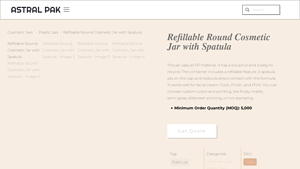
Dominio: astralpak.com
Registrazione: 2024 (1 anno)
Introduzione: {‘name’: ‘Refillable Round Cosmetic Jar with Spatula’, ‘material’: ‘PP (Polypropylene)’, ‘features’: [‘refillable’, ‘includes spatula on cap to reduce direct contact with formula’, ‘suitable for facial cream’], ‘customization_options’: [‘custom colors’, ‘frosty finish’, ‘matte finish’, ‘semi-gloss finish’, ‘silkscreen printing’, ‘hot stamping’], ‘minimum_order_quantity’: ‘5,000’, ‘capacity’: ’50g’…
4. Bossgoo – Replaceable Cylinder

Dominio: bossgoo.com
Registrato: 2008 (17 anni)
Introduzione: Replaceable and refillable cylinder, round empty design, suitable for various applications.
5. SRS Cos Pack – Replaceable Acrylic Jars

Dominio: srscospack.com
Registrato: 2013 (12 anni)
Introduzione: Replaceable Jar products available in various sizes: 15ml, 30ml, 50ml, 50g, 100g, 240ml. Made from clear acrylic plastic, suitable for hand cream, serum, and gel. Custom color options available. Wholesale options for empty cream jars.
6. Jiaxing Glass – 15g 30g 50g Red Face Cream Cosmetic Jar

Dominio: vetro-cosmetico-bottiglie.com
Registrato: 2016 (9 anni)
Introduzione: {“Product Name”: “15g 30g 50g Red Face Cream Cosmetic Glass Jar With Spatula”, “Manufacturer”: “Jiaxing Glass”, “Material”: {“Jar”: “Glass”, “Spatula”: “Plastic, PP”}, “Sizes Available”: [“15g”, “30g”, “50g”], “Usage”: “Face & Body Cream”, “Color Options”: [“Red”, “Customized”], “Cap Type”: “White screw top white plastic cap”, “Certifications”: [“SGS”, “CE”, “TUV”], “Features”: [“Wide mouth”, “Str…
7. Pag Packaging – 100g Cosmetic Jar with Spatula
Dominio: pagpackaging.com
Registrazione: 2022 (3 anni)
Introduzione: 100g Cosmetic Jar with Spatula for Body Scrub
8. MYPACK – Soft Touch Cosmetic Bottles
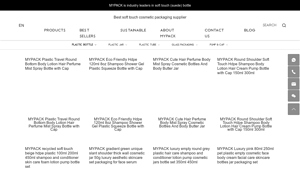
Dominio: gzmypack.com
Registrazione: 2020 (5 anni)
Introduzione: Set di bottiglie - Mypack | Miglior produttore di imballaggi cosmetici soft touch. MYPACK è leader nel settore dei flaconi soft touch (scamosciati). I tipi di prodotto includono: Flaconi di plastica, flaconi a pompa, flaconi a spremuta, flaconi spray, flaconi per piccoli campioni, flaconi per protezione solare, flaconi per schiumogeni, flaconi per olio, flaconi airless, flaconi acrilici, vasetti di plastica, vasetti biodegradabili, vasetti per batuffoli di cotone, vasetti in PET, vasetti in PP,...
9. Amazing Packing – New Replaceable Cosmetic Jars

Dominio: amazingpacking.com
Registrazione: 2021 (4 anni)
Introduzione: {“Product Name”:”New empty replaceable 100ml 50ml cosmetic jar with spatula”,”Product No”:”AMS-J034″,”Place of Origin”:”Zhejiang, China”,”Usage”:”Cosmetic, cream, mask, etc.”,”Material”:”Cap: ABS, bottle: ABS or PP”,”Capacity”:”50ml, 100ml”,”Size”:”77.8*35.5(50ml), 84.8*45(100ml)”,”Printing”:”Screen printing, hot stamping printing (5000pcs MOQ)”,”Color”:”Pantone code, 5000pcs MOQ to custom.”,”Surf…
10. Sunrise Packaging – Roll On Bottles
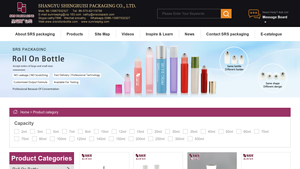
Dominio: sunrisepkg.com
Registrato: 2009 (16 anni)
Introduzione: {“products”: [{“name”: “Roll On Bottle”, “types”: [“CR & TE”, “Plastic Roller Bottle”, “PET Roll On Bottle”, “Deodorant Roll On Bottle”, “Eye Serum Roll On Bottle”, “Roll On Bottle With Hook”, “Vibrating Roll On Bottle”, “Aluminum Roll On Bottle”, “Roll On Bottle With Screw Holder”, “Glass Roll On Bottle”, “Double Ended Roller Bottle”]}, {“name”: “Essential Oil Dropper Cap Series”, “types”: [“CR &…
Strategic Sourcing Conclusion and Outlook for Round Shape Replaceable Cosmetic Container with Spatula
In conclusion, the strategic sourcing of Round Shape Replaceable Cosmetic Containers with Spatula offers significant benefits for international B2B buyers, particularly those in Africa, South America, the Middle East, and Europe. These containers not only serve the functional needs of high-viscosity creams but also align with sustainability goals through their mono-material polypropylene design. The customization options available allow brands to enhance their identity while ensuring product integrity and user satisfaction.
The importance of strategic sourcing cannot be overstated; it enables businesses to secure reliable suppliers, optimize costs, and maintain quality standards. As demand for sustainable and innovative packaging continues to rise, it is essential for brands to partner with manufacturers who can provide tailored solutions that meet market needs.
As we look forward, international buyers are encouraged to explore the diverse offerings available in the cosmetic packaging landscape. By investing in quality packaging solutions today, businesses can position themselves for success in the competitive market of tomorrow. Engage with trusted suppliers to discover how these containers can elevate your brand and meet your customers’ expectations.




 Italian
  English
  Russian
  Spanish
  Thai
Thai  French
  Arabic
  Portuguese
  Indonesian
  German