
Introduction: Navigating the Global Market for Plastic Dropper Bottles
In the ever-evolving landscape of global commerce, sourcing high-quality plastic dropper bottles poses significant challenges for international B2B buyers. With diverse applications ranging from pharmaceuticals and cosmetics to food and laboratory use, the need for reliable suppliers and compliant products is paramount. This guide serves as an essential resource for navigating the complexities of sourcing plastic dropper bottles, offering insights into various types, applications, and supplier vetting processes.
Buyers will find detailed information on materials, sizes, and design options, as well as key considerations such as regulatory compliance and sustainability practices. Understanding these elements is crucial for making informed purchasing decisions that align with both operational needs and market expectations.
Particularly for businesses in Africa, South America, the Middle East, and Europe—regions that are increasingly embracing the use of plastic dropper bottles—this guide empowers stakeholders to streamline their sourcing strategies. By equipping buyers with actionable insights and best practices, we aim to enhance their purchasing effectiveness, ensuring they choose products that not only meet their specifications but also resonate with their market’s demands. Ultimately, this comprehensive guide positions you to navigate the global market with confidence, fostering successful partnerships and driving business growth.
Understanding Plastic Dropper Bottles Types and Variations
| Nome del tipo | Caratteristiche distintive principali | Applicazioni primarie B2B | Brevi pro e contro per gli acquirenti |
|---|---|---|---|
| LDPE Plastic Dropper Bottles | Lightweight, flexible, and resistant to impact | Pharmaceuticals, cosmetics, and food products | Pro: Cost-effective, resistant to chemicals. Contro: Limited durability compared to other plastics. |
| PET Plastic Dropper Bottles | High clarity, excellent barrier properties | E-liquids, essential oils, and laboratory use | Pro: Recyclable, good for UV-sensitive products. Contro: Higher cost than LDPE. |
| Bottiglie contagocce in vetro | Premium look, excellent chemical resistance | High-end cosmetics, serums, and tinctures | Pro: Aesthetic appeal, superior product protection. Contro: Heavier, more fragile, and costlier. |
| Bottiglie contagocce resistenti ai bambini | Design speciale per impedire l'accesso ai bambini | Prodotti farmaceutici, materiali pericolosi | Pro: Safety for sensitive environments. Contro: Può essere meno facile da usare per gli adulti. |
| Airless Dropper Bottles | Prevents air exposure, extending product shelf life | Skincare products, serums, and oils | Pro: Preserves product integrity, reduces waste. Contro: More complex design may increase costs. |
What Are the Key Characteristics of LDPE Plastic Dropper Bottles?
LDPE (Low-Density Polyethylene) plastic dropper bottles are known for their lightweight and flexible nature, making them ideal for applications that require a degree of impact resistance. These bottles are commonly used in pharmaceuticals, cosmetics, and food products due to their cost-effectiveness and chemical resistance. B2B buyers should consider the bottle’s compatibility with their specific formulations, as LDPE offers a good barrier against moisture but may not withstand high temperatures.
How Do PET Plastic Dropper Bottles Stand Out?
PET (Polyethylene Terephthalate) plastic dropper bottles are recognized for their clarity and excellent barrier properties, which make them suitable for products sensitive to UV light. They are widely used in e-liquids, essential oils, and laboratory applications. B2B buyers should assess the balance between cost and performance, as PET bottles offer recyclability and a premium look, appealing to brands aiming for sustainability and quality.
Why Choose Glass Dropper Bottles for Premium Products?
Glass dropper bottles provide a high-end aesthetic and are excellent for chemical resistance, making them a preferred choice for premium cosmetics, serums, and tinctures. Their ability to protect products from external factors enhances shelf life and maintains formulation integrity. Buyers must weigh the benefits of a premium presentation against the increased fragility and cost associated with glass.
What Makes Child-Resistant Dropper Bottles Essential?
Child-resistant dropper bottles are designed with safety features to prevent access by children, making them essential for pharmaceuticals and hazardous materials. While they provide peace of mind in sensitive environments, the design may complicate usability for adults. B2B buyers should consider the regulatory requirements for child safety in their specific markets when selecting these bottles.
What Are the Advantages of Airless Dropper Bottles?
Airless dropper bottles are engineered to prevent air exposure, which helps extend the shelf life of sensitive products like skincare serums and oils. This innovative design minimizes waste and enhances product integrity. However, the complexity of the design may lead to higher costs, which buyers must consider when evaluating their overall packaging strategy.
Key Industrial Applications of Plastic Dropper Bottles
| Industria/Settore | Specific Application of Plastic Dropper Bottles | Valore/Beneficio per l'azienda | Considerazioni chiave sull'approvvigionamento per questa applicazione |
|---|---|---|---|
| Prodotti farmaceutici | Dispensing medications and solutions | Ensures accurate dosage and enhances patient safety | Compliance with FDA regulations, materials compatibility |
| Cosmetici e cura della persona | Packaging serums, oils, and essential oils | Attracts consumers with aesthetic design and functionality | Customization options, UV protection, and seal integrity |
| Cibo e bevande | Serving sauces, oils, and flavoring agents | Provides convenience and precision in food preparation | Food-grade materials, tamper-evident features |
| Laboratory and Research | Storing and dispensing laboratory chemicals | Facilitates accurate measurement and minimizes contamination | Sterilization capabilities, chemical compatibility |
| Agricoltura | Delivering nutrients and pesticides | Enhances precision in application, reducing waste | Resistance to environmental factors, volume options |
How Are Plastic Dropper Bottles Used in Pharmaceuticals?
In the pharmaceutical industry, plastic dropper bottles are commonly used to dispense liquid medications, ensuring precise dosages for patients. These bottles solve the problem of over or under-dosing, which can lead to ineffective treatment or adverse effects. Buyers in this sector must prioritize compliance with FDA regulations, ensuring that the materials used are safe for medical applications. Additionally, sourcing bottles with child-resistant caps enhances safety for households with young children.
What Role Do Plastic Dropper Bottles Play in Cosmetics and Personal Care?
In the cosmetics and personal care industry, plastic dropper bottles are ideal for packaging serums, oils, and other liquid products. They not only provide an attractive presentation but also allow for controlled dispensing, which is critical for products that require precise application. For international buyers, customization options such as color and labeling are essential to meet branding needs. Furthermore, UV protection is vital to prevent degradation of sensitive ingredients, making it a key consideration during sourcing.
How Are Plastic Dropper Bottles Utilized in Food and Beverage Applications?
In the food and beverage sector, plastic dropper bottles are utilized for serving sauces, oils, and flavoring agents, offering consumers convenience and precision. These bottles address the challenge of portion control, ensuring that users can easily dispense the desired amount without spills. Buyers must ensure that the materials are food-grade and compliant with safety standards, while also considering features like tamper-evident caps to enhance consumer trust.
Why Are Plastic Dropper Bottles Important in Laboratory Settings?
Plastic dropper bottles are essential in laboratory and research environments for storing and dispensing chemicals. They help ensure accurate measurement, minimizing the risk of contamination that can occur with other types of containers. Buyers should look for bottles that can withstand sterilization processes and are compatible with various chemicals to ensure safety and reliability in experiments. The ability to source bottles in different sizes can also cater to specific laboratory needs.
How Do Plastic Dropper Bottles Benefit the Agriculture Sector?
In agriculture, plastic dropper bottles are used for delivering nutrients and pesticides, allowing for precise application that minimizes waste and environmental impact. These bottles solve the problem of over-application, which can lead to harmful runoff and increased costs. Buyers in this sector should consider sourcing bottles that are resistant to environmental factors such as UV light and extreme temperatures, ensuring durability and effectiveness in various conditions.

A stock image related to Plastic Dropper Bottles.
3 Common User Pain Points for ‘Plastic Dropper Bottles’ & Their Solutions
Scenario 1: Issues with Consistency in Dispensing Liquids
Il problema: One of the common challenges faced by B2B buyers in the cosmetics and pharmaceutical sectors is the inconsistency in dispensing liquids from plastic dropper bottles. Buyers often receive products where the dropper tips do not deliver uniform drops, leading to issues in product formulation or customer dissatisfaction. This inconsistency can stem from manufacturing defects, improper fit of the dropper fitments, or variations in bottle design that affect the liquid flow. For businesses relying on precise measurements, such discrepancies can not only lead to wasted product but also impact the overall quality and reputation of their offerings.
La soluzione: To ensure consistent dispensing, buyers should prioritize sourcing dropper bottles with high-quality fitment systems. Look for manufacturers that provide detailed specifications on their dropper tips, including flow rate and drop size. When placing an order, consider requesting samples to evaluate the dispensing performance before committing to a large purchase. Additionally, implementing a quality control process during packaging can help to catch any inconsistencies early. Consider using bottles made from materials like LDPE or PET that offer better flexibility and resistance to pressure changes, which can improve the dispensing mechanism. Regularly solicit feedback from end-users to refine the selection of dropper bottles based on their dispensing performance.
Scenario 2: Concerns About Product Safety and Compliance
Il problema: B2B buyers in sectors such as food, pharmaceuticals, and cosmetics face increasing scrutiny regarding product safety and compliance with local regulations. Concerns arise when sourcing plastic dropper bottles, particularly regarding the materials used and whether they meet FDA or EU standards. Non-compliance can lead to costly product recalls, legal ramifications, and damage to brand reputation, making it critical for buyers to ensure that the products they choose are safe for their intended use.
La soluzione: To navigate compliance issues, buyers should engage with suppliers who provide comprehensive documentation regarding their products’ safety and compliance certifications. Look for bottles labeled as “FDA-approved” or “BPA-free,” ensuring they meet safety standards relevant to your industry. It’s advisable to request Certificates of Compliance and test results from suppliers before finalizing any purchase. Additionally, staying informed about regional regulations and trends can help in making educated sourcing decisions. Establishing long-term relationships with reliable manufacturers can also provide peace of mind, as these partnerships often yield better insights into compliance practices and product innovations.
Scenario 3: Environmental Sustainability Challenges
Il problema: With growing emphasis on sustainability, many B2B buyers are under pressure to adopt eco-friendly practices. However, sourcing plastic dropper bottles that meet these sustainability goals can be challenging. Traditional plastic materials contribute to environmental degradation, and buyers often struggle to find suitable alternatives that do not compromise product quality or performance. This dilemma can lead to frustration and hesitation in adopting new packaging solutions that align with corporate social responsibility initiatives.
La soluzione: Buyers should seek out suppliers who specialize in sustainable packaging solutions, including dropper bottles made from recycled or biodegradable materials. When evaluating options, consider bottles made from post-consumer recycled (PCR) plastics, which help reduce the demand for virgin materials. Additionally, inquire about the manufacturers’ practices regarding end-of-life recycling and whether they provide take-back programs. Collaborating with suppliers who are committed to sustainability can facilitate innovation in packaging solutions that meet both performance and environmental standards. Regularly communicating sustainability goals with suppliers can also open avenues for developing customized solutions that reflect a company’s commitment to eco-friendly practices.
Strategic Material Selection Guide for Plastic Dropper Bottles
What Are the Key Materials Used for Plastic Dropper Bottles?
When selecting plastic dropper bottles for various applications, understanding the properties and suitability of different materials is crucial for international B2B buyers. Here, we analyze four common materials used in the production of plastic dropper bottles: PET, LDPE, HDPE, and PP.
How Does PET Perform in Plastic Dropper Bottles?
Polyethylene Terephthalate (PET) is widely recognized for its clarity and strength. It has a high resistance to impact and can withstand temperatures up to 60°C (140°F). PET is also known for its excellent barrier properties, making it suitable for products that require protection from moisture and oxygen.
Pro: PET is lightweight, cost-effective, and recyclable, making it an environmentally friendly choice. Its clarity allows for effective branding through visibility.
Contro: However, PET can be less resistant to certain solvents and chemicals, which may limit its use in applications involving aggressive substances.
Considerazioni internazionali: Buyers from regions like Europe and South America should ensure compliance with EU regulations regarding food safety and packaging materials. PET is generally recognized as safe (GRAS) for food contact applications.
What Advantages Does LDPE Offer for Dropper Bottles?
Low-Density Polyethylene (LDPE) is a flexible and durable material that can withstand temperatures ranging from -50°C to 80°C (-58°F to 176°F). It is resistant to impact and has good chemical resistance, making it suitable for a variety of liquids, including pharmaceuticals and household products.
Pro: LDPE is easy to mold and can be produced in various shapes and sizes. Its flexibility allows for easy dispensing of contents.
Contro: The primary disadvantage is its lower barrier properties compared to PET, which may lead to quicker degradation of sensitive contents.
Considerazioni internazionali: LDPE is FDA-compliant for food contact, and its recyclability aligns with sustainability goals, which is particularly important for buyers in Europe and the Middle East.
Why Choose HDPE for Plastic Dropper Bottles?
High-Density Polyethylene (HDPE) is known for its strength and resistance to impact, chemicals, and moisture. It can withstand temperatures up to 120°C (248°F), making it suitable for applications requiring sterilization.
Pro: HDPE is robust and offers excellent chemical resistance, making it ideal for storing aggressive liquids. It is also recyclable and cost-effective.
Contro: However, HDPE is opaque, which limits visibility for branding and product recognition.
Considerazioni internazionali: Compliance with ASTM and DIN standards is essential for buyers in North America and Europe. HDPE is often preferred in the pharmaceutical and agricultural sectors.
What Role Does PP Play in the Selection of Dropper Bottles?
Polypropylene (PP) is a versatile material that can endure temperatures up to 120°C (248°F) and has excellent chemical resistance. It is commonly used for products that require sterilization.
Pro: PP is lightweight, durable, and offers good resistance to fatigue, making it suitable for repeated use. It is also recyclable and can be produced in various colors.
Contro: The main limitation is its lower transparency compared to PET, which can affect product visibility.
Considerazioni internazionali: Buyers should note that PP is compliant with FDA regulations for food contact. Its recyclability is a significant advantage for environmentally conscious markets, particularly in Europe.
Summary Table of Material Properties for Plastic Dropper Bottles
| Materiale | Typical Use Case for Plastic Dropper Bottles | Vantaggio chiave | Svantaggi/limitazioni principali | Costo relativo (basso/medio/alto) |
|---|---|---|---|---|
| PET | Food and beverage packaging, cosmetics | Excellent clarity and barrier properties | Less resistant to solvents | Medio |
| LDPE | Pharmaceuticals, household liquids | Flexible and durable | Lower barrier properties | Basso |
| HDPE | Chemicals, agricultural products | Strong and chemical resistant | Opaque, limiting visibility | Medio |
| PP | Sterilized medical products, cosmetics | High temperature resistance | Lower transparency | Medio |
This strategic material selection guide provides essential insights for B2B buyers navigating the diverse landscape of plastic dropper bottles, enabling informed decisions that align with product requirements and market standards.

A stock image related to Plastic Dropper Bottles.
In-depth Look: Manufacturing Processes and Quality Assurance for Plastic Dropper Bottles
What Are the Key Stages in the Manufacturing Process of Plastic Dropper Bottles?
The manufacturing of plastic dropper bottles involves several critical stages that ensure the final product meets both functionality and aesthetic standards. Understanding these stages can help B2B buyers assess potential suppliers more effectively.
Material Preparation: What Materials Are Used for Plastic Dropper Bottles?
The first step in manufacturing plastic dropper bottles is material selection. Common materials include polyethylene terephthalate (PET), low-density polyethylene (LDPE), and polypropylene (PP). These materials are chosen for their durability, chemical resistance, and compatibility with various products, including pharmaceuticals and cosmetics.
Before manufacturing begins, the raw materials undergo quality checks to confirm they meet the necessary specifications. This includes evaluating the material for any impurities, verifying its compliance with international standards (e.g., FDA regulations for food contact), and ensuring it is free from harmful substances such as Bisphenol A (BPA).
How Are Plastic Dropper Bottles Formed?
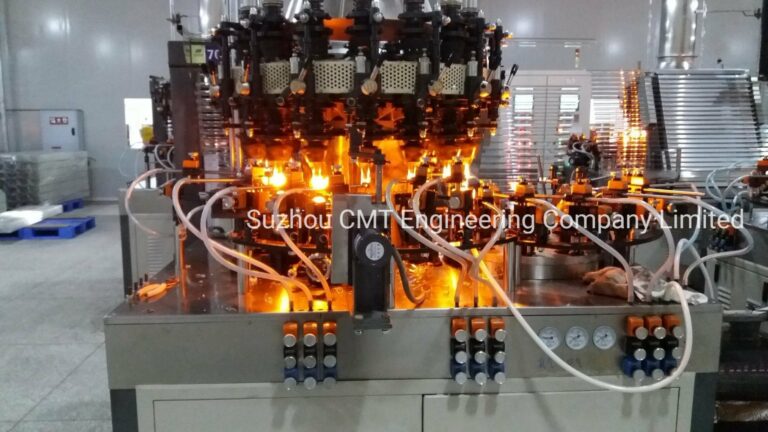
The second stage involves the actual formation of the bottles. This is typically achieved through processes such as injection molding or blow molding.
- Stampaggio a iniezione: In this method, melted plastic is injected into a mold to form the desired shape of the dropper bottle. This process is favored for its precision and ability to produce complex designs.
- Stampaggio a soffiaggio: This technique is often used for creating hollow bottles. Air is blown into a heated plastic tube, expanding it to fit the shape of the mold. This method is efficient for mass production.
Both methods allow for the creation of bottles in various sizes and designs, catering to different market needs.
What Happens During the Assembly Stage?
Once the individual components—such as the bottle body, dropper tip, and cap—are formed, they proceed to the assembly stage. This stage often includes:
- Fitting the Droppers: The dropper tips are securely fitted to the bottle necks. This is critical for ensuring precise dispensing and leak-proof performance.
- Capping: The final step in assembly involves attaching the caps, which can be child-resistant or tamper-evident, depending on regulatory requirements and end-user needs.
During this stage, assembly line workers or automated systems may perform visual inspections to check for defects or misalignments.
How Are Finishing Touches Applied to Plastic Dropper Bottles?
The finishing stage encompasses several processes that enhance the product’s appearance and functionality:
- Etichettatura: Custom labels can be applied to meet branding requirements and provide product information. This often involves using flame treatment to ensure better adhesion of labels.
- Quality Control Coatings: Some bottles may receive surface treatments to improve scratch resistance or UV protection, depending on the intended use.
This stage is crucial as it finalizes the product before it is packaged and shipped.
What Quality Assurance Practices Are Essential for Plastic Dropper Bottles?
Quality assurance (QA) is a fundamental aspect of the manufacturing process for plastic dropper bottles. It ensures that the products not only meet the specified quality standards but also comply with international regulations.
Quali sono gli standard internazionali che gli acquirenti B2B dovrebbero conoscere?
Several international standards apply to the manufacturing of plastic dropper bottles:
- ISO 9001: This standard focuses on quality management systems and is crucial for ensuring consistent product quality.
- Marchio CE: This certification indicates conformity with health, safety, and environmental protection standards within the European Economic Area.
- Standard API: For pharmaceutical applications, adherence to the American Petroleum Institute (API) standards is vital.
Understanding these standards helps B2B buyers assess the credibility and reliability of suppliers.
Quali sono i principali punti di controllo della qualità?
Quality control in the manufacturing of plastic dropper bottles typically involves three main checkpoints:
-
Controllo qualità in entrata (CQI): This initial stage checks raw materials for quality and compliance before production begins.
-
Controllo di qualità in corso d'opera (IPQC): During the manufacturing process, samples are taken to ensure that production remains within specified tolerances and standards. This includes checks on dimensions, weight, and visual appearance.
-
Controllo finale della qualità (CQC): After production, finished bottles undergo rigorous testing for functionality, safety, and compliance. This may include leak tests, drop tests, and visual inspections.
What Common Testing Methods Are Employed?
Various testing methods are utilized to ensure that plastic dropper bottles meet quality and safety standards. Common tests include:
- Test di tenuta: To confirm that the bottle maintains its integrity and prevents any leakage.
- Temperature and Pressure Testing: Ensures the bottles can withstand extreme conditions without degradation.
- Test di compatibilità: Assesses how the bottle material interacts with its intended contents, especially critical for pharmaceuticals and food products.
Come possono gli acquirenti B2B verificare il controllo qualità dei fornitori?
For international buyers, verifying the quality control processes of potential suppliers is essential to mitigate risks. Here are some effective strategies:
- Conduct Supplier Audits: Regular audits of manufacturing facilities can provide insight into the supplier’s quality control practices and adherence to standards.
- Request Quality Assurance Reports: Suppliers should be willing to provide documentation that details their quality control processes, testing results, and compliance with relevant standards.
- Engage Third-Party Inspectors: Utilizing third-party inspection services can offer an unbiased assessment of the supplier’s quality control measures and product quality.
Quali sono le sfumature del controllo qualità per gli acquirenti internazionali B2B?
International buyers, particularly those in regions like Africa, South America, the Middle East, and Europe, should be aware of specific nuances in quality control:
- Differenze culturali e normative: Understanding local regulations and cultural attitudes toward quality can help in selecting the right supplier.
- Considerazioni sulla catena di approvvigionamento: Ensure that suppliers have robust logistics and supply chain management practices to prevent delays and maintain product integrity during transport.
- Language Barriers: Clear communication is essential. Engage suppliers who can provide documentation and support in your preferred language.
By focusing on these aspects of manufacturing processes and quality assurance, B2B buyers can make informed decisions when sourcing plastic dropper bottles, ensuring they choose reliable suppliers who meet their specific needs.
Practical Sourcing Guide: A Step-by-Step Checklist for ‘Plastic Dropper Bottles’
To effectively source plastic dropper bottles for your business needs, follow this comprehensive checklist designed for B2B buyers. This guide will help you navigate the procurement process, ensuring you secure the best products while minimizing risks.
Fase 1: Definizione delle specifiche tecniche
Understanding your requirements is crucial. Start by determining the size, material, and design of the dropper bottles you need. Consider factors such as:
- Capacità: Identify the volume required for your products (e.g., 10ml, 30ml, 50ml).
- Materiale: Choose between options like PET, LDPE, or other plastics based on durability, safety, and regulatory compliance.
Fase 2: Ricerca di potenziali fornitori
Conduct thorough research on suppliers. Look for manufacturers or wholesalers who specialize in plastic packaging. Evaluate their product offerings and market reputation by:
- Reading reviews: Check online platforms and industry forums for customer feedback.
- Examining their website: Assess their product range, certifications, and company background.
Step 3: Verify Supplier Certifications
Ensure that suppliers meet industry standards. Certifications like FDA compliance, ISO standards, and sustainability credentials are vital indicators of quality and safety. Check for:
- Material safety: Confirm that the plastics used are BPA-free and suitable for your intended use.
- Quality assurance processes: Inquire about their quality control measures to prevent defects.
Step 4: Request Samples for Testing
Always request samples before placing bulk orders. Testing samples allows you to evaluate the quality, functionality, and suitability of the bottles for your products. Consider:
- Performance tests: Assess the dropper’s functionality, leak resistance, and ease of use.
- Compatibility: Ensure the bottles fit with your existing labeling and packaging systems.
Step 5: Compare Pricing and Terms
Analyze the financial aspects of your sourcing options. Once you have shortlisted potential suppliers, compare their pricing structures, minimum order quantities (MOQs), and payment terms. Pay attention to:
- Bulk discounts: Inquire about price breaks for larger orders.
- Shipping costs: Factor in logistics and delivery timelines to avoid unexpected expenses.
Step 6: Evaluate Customer Support and Communication
Assess the responsiveness and professionalism of potential suppliers. Strong communication is essential for smooth transactions and resolving issues. Look for:
- Availability: Ensure they are accessible for inquiries and support.
- Willingness to collaborate: A supplier who is open to your needs and flexible in negotiations can lead to a better long-term partnership.
Step 7: Finalize the Agreement and Place Your Order
Once you have selected a supplier, finalize the contract. Make sure all terms, including pricing, delivery schedules, and quality expectations, are clearly documented. Ensure:
- Clear timelines: Establish delivery dates and any penalties for delays.
- Payment methods: Agree on secure payment options that protect both parties.
By following these steps, you can streamline your procurement process and secure high-quality plastic dropper bottles that meet your business needs. Each step is designed to minimize risks and enhance your supplier relationships in the competitive B2B landscape.
Comprehensive Cost and Pricing Analysis for Plastic Dropper Bottles Sourcing
What Are the Key Cost Components in Plastic Dropper Bottles Sourcing?
When sourcing plastic dropper bottles, understanding the cost structure is essential for effective budgeting and negotiation. The primary components include:
-
I materiali: The choice of raw materials significantly impacts pricing. Common options include PET (Polyethylene Terephthalate) and LDPE (Low-Density Polyethylene), with prices fluctuating based on market demand and availability. High-quality, FDA-compliant materials typically command higher costs, but they offer better performance and safety, which can justify the investment.
-
Lavoro: Labor costs vary depending on the manufacturing location. Countries with higher labor costs, such as those in Western Europe, may lead to increased product prices compared to regions with lower labor costs, like parts of Asia or Eastern Europe.
-
Spese generali di produzione: This includes utilities, facility maintenance, and administrative expenses. Efficient production processes can reduce overhead, but complex designs or low-volume runs may lead to higher overhead costs per unit.
-
Utensili: Custom molds for unique bottle designs or specifications can be a significant upfront cost. Tooling is usually a fixed cost that becomes more economical as production volume increases, making it crucial to consider when negotiating prices.
-
Controllo qualità (CQ): Ensuring product quality through rigorous QC processes can add to costs but is vital for compliance and customer satisfaction. Certifications (e.g., ISO, FDA) may also increase costs but can enhance marketability.
-
Logistica: Shipping and handling costs fluctuate based on distance, shipping method, and packaging requirements. International buyers should consider these factors when calculating total costs.
-
Margine: Suppliers typically apply a margin to cover their costs and profit. This margin can vary based on market competition, supplier reputation, and the buyer’s negotiation strength.
How Do Price Influencers Affect the Cost of Plastic Dropper Bottles?
Several factors influence the pricing of plastic dropper bottles, making it essential for buyers to understand these nuances:
-
Volume/MOQ: Suppliers often have minimum order quantities (MOQs). Larger orders can lead to lower per-unit prices due to economies of scale, while smaller orders may incur higher costs.
-
Specifiche e personalizzazione: Custom designs, colors, or functionalities (e.g., child-resistant features) can increase costs. Buyers should balance the need for customization with budget constraints.
-
Qualità dei materiali e certificazioni: Higher-quality materials and compliance with safety certifications can elevate costs but are often necessary for specific industries (e.g., pharmaceuticals, food).
-
Fattori di fornitura: The reputation and reliability of suppliers can impact pricing. Established suppliers may charge more due to their proven track record, while emerging suppliers might offer lower prices to build market presence.
-
Incoterms: Understanding shipping terms is crucial for cost calculation. Terms like FOB (Free on Board) or CIF (Cost, Insurance, and Freight) can affect the total landed cost, particularly for international buyers.
Quali suggerimenti per gli acquirenti possono migliorare l'efficienza dei costi nell'approvvigionamento?
International B2B buyers should consider several strategies to optimize their sourcing process:
-
Negoziare in modo efficace: Building a good relationship with suppliers can lead to better pricing. Don’t hesitate to negotiate terms, especially on large orders or long-term contracts.
-
Valutare il costo totale di proprietà (TCO): Look beyond the initial purchase price. Consider factors like shipping, storage, and potential rework costs. A lower upfront cost may lead to higher overall expenses if quality is compromised.
-
Stay Informed on Pricing Trends: Monitor market conditions for raw materials and logistics. Prices can fluctuate due to global supply chain issues or local market changes, impacting overall costs.
-
Comprendere le sfumature dei prezzi nelle transazioni internazionali: Be aware of currency exchange rates, import duties, and taxes that may apply. These can significantly affect the final cost of products sourced from different regions, particularly in Africa, South America, and the Middle East.
Disclaimer sui prezzi indicativi
The prices mentioned in this analysis are indicative and can vary based on supplier, location, and market conditions. Always seek quotes from multiple suppliers to ensure competitive pricing and value for your specific needs.
Alternatives Analysis: Comparing Plastic Dropper Bottles With Other Solutions
Exploring Alternative Solutions to Plastic Dropper Bottles
When it comes to packaging solutions, plastic dropper bottles are widely recognized for their versatility and convenience. However, there are several alternative technologies and methods that also serve similar purposes. Understanding the strengths and weaknesses of these alternatives can help businesses make informed decisions based on their specific needs.
Comparison Table of Packaging Solutions
| Aspetto di confronto | Bottiglie contagocce in plastica | Bottiglie contagocce in vetro | Bottiglie da spremere |
|---|---|---|---|
| Prestazioni | Excellent for precise dispensing; lightweight | Durable and inert; ideal for sensitive contents | Good for viscous liquids; easy to use |
| Costo | Generally low-cost; economical for bulk purchase | Higher initial cost; may require more investment | Affordable; cost-effective for high-volume use |
| Facilità di implementazione | Simple integration into existing packaging lines | Requires careful handling; heavier and more fragile | Easy to implement; versatile for various products |
| Manutenzione | Low maintenance; recyclable options available | Requires careful cleaning; can be reused | Minimal maintenance; generally disposable |
| Il miglior caso d'uso | Pharmaceuticals, cosmetics, essential oils | High-end cosmetics, serums, or tinctures | Condiments, lotions, and other viscous products |
Analyzing Glass Dropper Bottles as an Alternative
Glass dropper bottles offer a premium alternative to plastic, particularly for high-value products. They are chemically inert, meaning they do not interact with their contents, making them suitable for sensitive liquids like essential oils or pharmaceuticals. Their durability and aesthetic appeal can enhance brand perception. However, they come with a higher cost and the need for careful handling to avoid breakage, which may not align with all companies’ operational capabilities.
Evaluating Squeeze Bottles as Another Option
Squeeze bottles represent a practical alternative, especially for thicker liquids that require a different dispensing mechanism. They are typically made from flexible plastic, allowing users to easily control the amount dispensed. Squeeze bottles are cost-effective and easy to produce in bulk, making them a favorite in industries such as food and personal care. However, they may not provide the precision of dropper bottles, which could be a drawback for applications requiring exact dosing.
Conclusion: Choosing the Right Packaging Solution for Your Needs
When selecting the appropriate packaging solution, B2B buyers should consider factors such as the nature of their product, target market, and cost constraints. Plastic dropper bottles provide an excellent balance of performance and cost-effectiveness for many applications. However, alternatives like glass dropper bottles and squeeze bottles may be more suitable depending on specific product requirements and branding strategies. Ultimately, understanding the unique advantages and limitations of each option will empower businesses to make informed choices that align with their operational goals and customer expectations.
Essential Technical Properties and Trade Terminology for Plastic Dropper Bottles
What Are the Key Technical Properties of Plastic Dropper Bottles?
Understanding the essential technical properties of plastic dropper bottles is crucial for B2B buyers, especially when selecting products that meet specific industry needs. Here are some of the critical specifications to consider:
-
Grado del materiale
The most common materials for plastic dropper bottles include PET (Polyethylene Terephthalate), LDPE (Low-Density Polyethylene), and PP (Polypropylene). Each material offers different benefits; for instance, PET is known for its clarity and strength, while LDPE is flexible and resistant to impact. Choosing the right material can enhance product safety, durability, and consumer appeal. -
Capacità
Plastic dropper bottles come in various sizes, typically ranging from 5 ml to 120 ml. The capacity affects the volume of product that can be dispensed, which is vital for product formulations that require precise measurements, such as pharmaceuticals and cosmetics. Understanding the required capacity helps in inventory management and meeting market demands efficiently. -
Finitura del collo
The neck finish refers to the design and dimensions of the bottle’s opening, which impacts compatibility with closures and dispensing devices. Common neck finishes include 18/410 and 20/410, which indicate the diameter and thread style. Selecting the right neck finish ensures a secure fit with caps and dropper tips, preventing leaks and contamination. -
Tolleranza
Tolerance is the acceptable variation in dimensions, such as wall thickness and neck diameter. High tolerance levels are essential for ensuring that components fit together properly, which is especially important for automated filling lines. Poor tolerance can lead to product wastage and operational inefficiencies. -
Conformità alla FDA
For products intended for food, pharmaceuticals, or cosmetics, ensuring that the materials used in the dropper bottles are FDA-compliant is essential. This guarantees that the bottles are safe for consumer use and can withstand the necessary sterilization processes, such as autoclaving. Compliance also protects businesses from legal liabilities. -
Riciclabilità
With increasing global emphasis on sustainability, the recyclability of plastic materials is a significant consideration. Many manufacturers now offer dropper bottles that are 100% recyclable, which appeals to environmentally conscious consumers and aligns with regulatory requirements in various regions.
What Are Common Trade Terms Used in the Plastic Dropper Bottle Industry?
Familiarity with industry jargon is essential for effective communication and negotiation in the B2B sector. Here are some common terms related to plastic dropper bottles:
-
OEM (Original Equipment Manufacturer)
An OEM refers to a company that produces parts or equipment that may be marketed by another manufacturer. In the context of plastic dropper bottles, this might involve a manufacturer that produces bottles designed for another brand’s products. Understanding OEM relationships can help in sourcing high-quality products. -
MOQ (quantità minima d'ordine)
MOQ refers to the smallest quantity of a product that a supplier is willing to sell. Knowing the MOQ is crucial for managing budgets and inventory levels. Buyers should assess their needs against MOQs to avoid overstocking or stockouts. -
RFQ (Richiesta di offerta)
An RFQ is a document sent to suppliers requesting pricing and other details for specific products. Submitting a well-structured RFQ can lead to better pricing and terms, making it an essential tool for cost-effective procurement. -
Incoterms (Termini commerciali internazionali)
Incoterms are predefined commercial terms published by the International Chamber of Commerce that define the responsibilities of buyers and sellers in international trade. Understanding these terms is vital for negotiating shipping, insurance, and delivery responsibilities, especially when sourcing from international suppliers. -
Tempi di consegna
Lead time is the period between placing an order and receiving the goods. It is critical for supply chain management, as it affects inventory turnover and customer satisfaction. Buyers must consider lead times when planning their production schedules. -
Caratteristiche anti-manomissione
Tamper-evident features are designed to show if a product has been opened or tampered with. This is especially important for pharmaceuticals and food products, as it helps ensure consumer safety and compliance with regulatory standards. Understanding these features can aid in selecting the right packaging solutions.
By grasping these technical properties and trade terminologies, B2B buyers can make informed decisions when sourcing plastic dropper bottles, ultimately leading to improved product quality and customer satisfaction.
Navigating Market Dynamics and Sourcing Trends in the Plastic Dropper Bottles Sector
What Are the Current Market Dynamics and Trends in the Plastic Dropper Bottles Sector?
The global market for plastic dropper bottles is witnessing significant growth, driven by increasing demand across various sectors such as pharmaceuticals, cosmetics, and food and beverages. The rise in e-commerce has further accelerated this trend, as businesses look for effective packaging solutions that cater to online sales. Notably, regions such as Africa, South America, the Middle East, and Europe are emerging as key markets, spurred by urbanization and a growing middle class with increasing purchasing power.
B2B tech advancements are reshaping sourcing trends in this sector. Automation in manufacturing processes and the use of advanced materials like PET and LDPE are enhancing production efficiency and product quality. Additionally, digital platforms are facilitating direct connections between manufacturers and buyers, enabling more competitive pricing and better customization options. Buyers are increasingly seeking suppliers who can provide not only cost-effective solutions but also innovative designs and functionalities, such as child-resistant features and tamper-evident seals.
Another important dynamic is the shift towards smaller, more convenient packaging sizes. This trend aligns with consumer preferences for portability and ease of use, particularly in markets that value on-the-go solutions. As a result, suppliers must remain agile and responsive to these evolving demands, ensuring they can meet varying capacity requirements while maintaining high standards of quality.
How Does Sustainability Impact Sourcing Practices in the Plastic Dropper Bottles Market?
Sustainability is becoming a pivotal factor in sourcing practices for plastic dropper bottles. Environmental concerns surrounding plastic waste have prompted both consumers and businesses to prioritize eco-friendly solutions. This shift is leading to increased demand for dropper bottles made from recyclable materials, such as PET and LDPE, as well as alternatives like biodegradable plastics.
Ethical sourcing is also gaining prominence, with companies seeking suppliers who adhere to sustainable practices throughout their supply chains. Certifications such as FSC (Forest Stewardship Council) and ISO 14001 (Environmental Management) are becoming essential indicators of a supplier’s commitment to sustainability. Buyers are increasingly conducting audits and assessments to ensure compliance with environmental standards, reinforcing the importance of transparency in sourcing.
The use of sustainable packaging is not only beneficial for the environment but also serves as a strong marketing point. Companies that can demonstrate their commitment to sustainability often gain a competitive edge, appealing to environmentally conscious consumers. As such, international B2B buyers should prioritize partnerships with suppliers who can provide sustainable solutions, ensuring their products align with global sustainability goals.
What Is the Evolution of Plastic Dropper Bottles in the B2B Landscape?
The evolution of plastic dropper bottles has been marked by significant advancements in material science and manufacturing technology. Initially, these bottles were primarily made from glass, which posed challenges in terms of weight and fragility. The introduction of plastic materials in the late 20th century revolutionized the industry, offering a lightweight, durable, and cost-effective alternative.
Over the years, innovations in design have also played a crucial role in enhancing functionality. Features such as precision dropper tips, child-resistant caps, and various sizes have emerged to meet specific market needs. As e-commerce gained traction in the 21st century, the demand for versatile packaging solutions that cater to online retail environments further accelerated the development of plastic dropper bottles.
Today, the focus is not only on functionality and cost but also on sustainability and ethical sourcing, reflecting broader market trends that prioritize environmental responsibility and consumer safety. This evolution continues to shape the landscape, presenting both challenges and opportunities for B2B buyers in the plastic dropper bottle sector.
Frequently Asked Questions (FAQs) for B2B Buyers of Plastic Dropper Bottles
-
How do I choose the right plastic dropper bottle for my product?
When selecting a plastic dropper bottle, consider the specific needs of your product, such as the type of liquid and required dispensing precision. Assess the material, with options like LDPE or PET, based on compatibility with your contents (e.g., food-grade or chemical resistance). Additionally, evaluate sizes, neck finishes, and dropper types to ensure optimal functionality. Consulting with suppliers about their product specifications and any industry compliance can also guide your decision. -
What are the common sizes and capacities available for plastic dropper bottles?
Plastic dropper bottles come in various sizes, typically ranging from 5 ml to 120 ml. Common capacities include 10 ml, 30 ml, 50 ml, and 100 ml, which cater to different industries such as cosmetics, pharmaceuticals, and food. It’s essential to choose a size that aligns with your product’s packaging strategy and target market preferences. Suppliers often provide a range of options, so consider requesting samples to determine the best fit. -
What customization options are available for plastic dropper bottles?
Many suppliers offer customization options for plastic dropper bottles, including colors, materials, label printing, and design modifications. You can enhance brand recognition by opting for custom colors or adding your logo. Additionally, inquire about different dropper types or closures that can be tailored to your product’s needs. Discussing your requirements with suppliers can help you explore available options and ensure your packaging stands out in the market. -
What are the minimum order quantities (MOQs) for plastic dropper bottles?
Minimum order quantities (MOQs) for plastic dropper bottles can vary significantly based on the supplier and customization level. Generally, MOQs can range from 500 to several thousand units. For smaller businesses, it may be beneficial to find suppliers that offer flexible MOQs or bulk purchasing options. Always confirm the MOQ during initial discussions to ensure it aligns with your budget and inventory strategy. -
How can I verify the reliability of a plastic dropper bottle supplier?
To vet a plastic dropper bottle supplier, start by checking their certifications and compliance with international quality standards, such as ISO or FDA regulations. Review their production capabilities, including equipment and technology used. Request references or testimonials from other B2B buyers in your industry. Additionally, consider conducting factory visits or audits if feasible, to assess their operations and quality control processes firsthand. -
What payment terms are typically offered by suppliers for plastic dropper bottles?
Payment terms for plastic dropper bottles can vary based on supplier policies and order size. Common options include full payment upfront, 30% deposit with the balance before shipping, or net 30/60 terms for established relationships. It’s advisable to clarify payment methods accepted (e.g., bank transfer, credit card) and any potential fees involved. Negotiating favorable terms can help manage cash flow effectively, especially for large orders. -
Quali sono le opzioni di spedizione e le considerazioni logistiche per gli ordini internazionali?
Shipping options for international orders of plastic dropper bottles typically include air freight, sea freight, and express courier services. The choice depends on your budget, urgency, and destination. Consider logistics factors such as customs duties, import regulations, and delivery timelines. Working with suppliers who have experience in international shipping can facilitate smoother transactions and ensure compliance with local laws, minimizing delays. -
What quality assurance measures should I expect from my supplier?
Reputable suppliers of plastic dropper bottles should implement stringent quality assurance (QA) measures throughout their production processes. This includes raw material testing, in-process inspections, and final product evaluations to ensure compliance with specifications. Inquire about their QA protocols and certifications. You may also request samples for testing before placing a bulk order to confirm the quality meets your expectations and industry standards.
Disclaimer importante e condizioni d'uso
⚠️ Disclaimer importante
Le informazioni fornite in questa guida, compresi i contenuti relativi ai produttori, alle specifiche tecniche e all'analisi di mercato, hanno uno scopo puramente informativo ed educativo. Non costituiscono una consulenza professionale in materia di acquisti, né una consulenza finanziaria o legale.
Pur avendo fatto ogni sforzo per garantire l'accuratezza e la tempestività delle informazioni, non siamo responsabili di eventuali errori, omissioni o informazioni non aggiornate. Le condizioni di mercato, i dettagli aziendali e gli standard tecnici sono soggetti a modifiche.
Gli acquirenti B2B devono condurre una due diligence indipendente e approfondita. prima di prendere qualsiasi decisione di acquisto. Per questo è necessario contattare direttamente i fornitori, verificare le certificazioni, richiedere campioni e chiedere una consulenza professionale. Il rischio di affidarsi alle informazioni contenute in questa guida è esclusivamente a carico del lettore.
Top 8 Plastic Dropper Bottles Manufacturers & Suppliers List
1. Berlin Packaging – 1 oz White LDPE Plastic Dropper Bottle
Dominio: berlinpackaging.com
Registrato: 1997 (28 anni)
Introduzione: {“name”: “1 oz White LDPE Plastic Dropper Bottle”, “item_number”: “1201B09WHT”, “material”: “LDPE (Low-Density Polyethylene)”, “capacity”: “1 oz”, “color”: “White”, “fitment”: “Natural PP Dropper Fitment”, “cap”: “White PP Overcap”, “FDA_compliant”: true, “BPA_free”: true, “manufactured_in”: “USA”, “bulk_pricing”: “Not available”, “price”: “$0.62”, “free_shipping_threshold”: “$150”, “inventory_sta…
2. APG – Dropper Bottles Collection

Dominio: apackaginggroup.com
Registrazione: 2019 (6 anni)
Introduzione: APG offers a full range assortment of dropper bottles with 100 products available. Key details include various capacities ranging from 3ml to 100ml, with options such as 5ml (0.17oz), 10ml, 15ml, 30ml, and more. The materials used include ABS, glass (flint, frosted), aluminum, bamboo, and various plastics (PET, PETG, PCTG). Lock types include twist-lock, and neck finishes vary (13/410, 18/410, 20/…
3. Tricor Braun – Plastic Dropper Bottles
Dominio: tricorbraun.com
Registrato: 1998 (27 anni)
Introduzione: This company, Tricor Braun – Plastic Dropper Bottles, is a notable entity in the market. For specific product details, it is recommended to visit their website directly.
4. Dropper Bottles – Wholesale Glass & Plastic Packaging
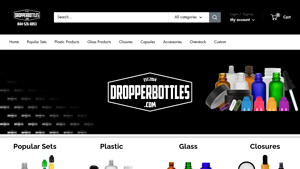
Dominio: dropperbottles.com
Registrato: 2004 (21 anni)
Introduzione: Wholesale glass and plastic bottles and packaging. Categories include popular sets, plastic products, glass products, closures, capsules, accessories, overstock, and custom orders. Features include award-winning customer service, tested and certified products, fast and reliable shipping, worldwide delivery, no hassle returns, secure payments, and satisfaction guarantee. Custom orders for glass or …
5. SKS – Plastic and Glass Droppers
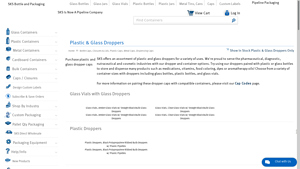
Dominio: sks-bottle.com
Registrato: 1997 (28 anni)
Introduzione: SKS offers an assortment of plastic and glass droppers for various uses, serving the pharmaceutical, diagnostic, nutraceutical, and cosmetic industries. The droppers can be paired with plastic or glass bottles to store and dispense products such as medications, vitamins, food coloring, dyes, or aromatherapy oils. Available options include:
– Glass Vials with Glass Droppers (Amber and Clear)
– Pl…
6. Litesmith – Mini Dropper Bottles

Dominio: litesmith.com
Registrato: 2014 (11 anni)
Introduzione: Mini Dropper Bottles from Litesmith are designed for dispensing liquids by the drop. They are ideal for repackaging larger bottles, allowing users to take only what they need on trips. The bottles are easy to squeeze, leak-proof, and suitable for various liquids such as Aquamira, soap, insect repellent, and hot sauce. They dispense one uniform drop per second and work best with lower viscosity liq…
7. Pharmacy Automation Supplies – Economy Plastic Dropper Bottles

Dominio: pharmacyautomationsupplies.com
Registrato: 2004 (21 anni)
Introduzione: Economy Plastic Dropper Bottles, SKU#: Economy Plastic Dropper Bottles, UPC: Economy Plastic Dropper Bottles, Material: Polypropylene, Features: Dark Amber color, includes plastic pipettes, conforms to USP Light & Tight Standards, Free freight on orders of 3 or more cases (mix & match style/size), $15.00 flat freight for orders under 3 cases to commercial addresses, 5% discount on orders of 12 or …
8. Thomas Scientific – Lab Dropper Bottles
Dominio: thomassci.com
Registrato: 1995 (30 anni)
Introduzione: Lab dropper bottles are essential tools in scientific settings, providing precise control over liquid dispensing. They are primarily used in chemistry labs for accurately transferring small quantities of liquids. Features include high-quality materials for durability and chemical resistance, precision dropper caps for exact measurement, and designs that minimize contamination risk. Available in va…
Strategic Sourcing Conclusion and Outlook for Plastic Dropper Bottles
In the competitive landscape of packaging solutions, plastic dropper bottles stand out as essential components for various industries, including pharmaceuticals, cosmetics, and food. Strategic sourcing is crucial for international B2B buyers looking to optimize their supply chains. By selecting high-quality materials such as PET and LDPE, businesses can ensure product safety, compliance with regulations, and sustainability. Additionally, understanding the diverse range of sizes and designs available empowers buyers to cater to specific market needs.
As the demand for eco-friendly packaging continues to rise, sourcing partners that prioritize sustainability will be invaluable. Buyers from Africa, South America, the Middle East, and Europe should focus on suppliers that offer innovative solutions, such as recyclable and tamper-evident options, to stay ahead of market trends.
Looking forward, the plastic dropper bottle market is poised for growth. By leveraging strategic sourcing practices and aligning with reputable suppliers, businesses can enhance their product offerings and operational efficiency. We encourage B2B buyers to explore diverse options and forge partnerships that drive success in the evolving packaging landscape. Engage with suppliers today to secure your competitive edge for tomorrow.




 Italian
  English
  Russian
  Spanish
  Thai
Thai  French
  Arabic
  Portuguese
  Indonesian
  German