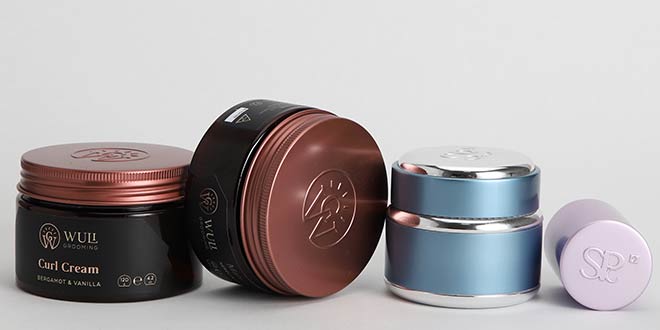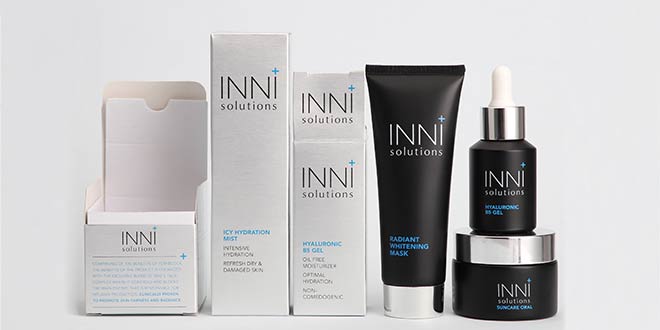

Introduction: Navigating the Global Market for Eco-friendly Cosmetic Jar With Replaceable Inner Case
In the ever-evolving landscape of the beauty and skincare industry, sourcing eco-friendly cosmetic jars with replaceable inner cases presents a unique challenge for international B2B buyers. As sustainability becomes a non-negotiable expectation among consumers, brands are under pressure to innovate while minimizing their environmental footprint. This guide offers a comprehensive exploration of eco-friendly cosmetic jars, detailing various types, applications, and the critical aspects of supplier vetting.
From understanding the different materials—such as recycled plastics and glass—to evaluating the functionality and aesthetics of these jars, this guide equips buyers with the insights necessary to make informed purchasing decisions. We delve into the costs associated with sourcing these sustainable packaging solutions, highlighting potential savings through refillable designs that reduce waste.
Targeting B2B buyers in regions such as Africa, South America, the Middle East, and Europe, including key markets like Germany and Brazil, this resource empowers stakeholders to align their packaging choices with both brand values and consumer expectations. By navigating the complexities of eco-friendly packaging, businesses can enhance their market competitiveness while contributing to a more sustainable future.
Understanding Eco-friendly Cosmetic Jar With Replaceable Inner Case Types and Variations
| Nome del tipo | Caratteristiche distintive principali | Applicazioni primarie B2B | Brevi pro e contro per gli acquirenti |
|---|---|---|---|
| Vaso di vetro ricaricabile | Made from durable glass, allows for easy inner jar replacement | High-end skincare brands, eco-conscious | Pro: Premium aesthetic, reusable; Contro: Heavier, may have higher shipping costs. |
| Plastic Airless Jar with Replaceable Core | Lightweight, airless design to maintain product integrity | Mass-market skincare and cosmetics | Pro: Cost-effective, reduces waste; Contro: Plastic may not appeal to all eco-focused brands. |
| Multi-material Refillable Jar | Combination of materials for aesthetic appeal and functionality | Luxury skincare, cosmetics, and perfumes | Pro: Customizable, attractive; Contro: More complex recycling processes. |
| Bamboo Outer Jar with Inner Refill | Eco-friendly bamboo exterior with replaceable inner container | Natural and organic product lines | Pro: Biodegradable, unique look; Contro: Higher production costs, durability concerns. |
| PCR Plastic Jar | Utilizes post-consumer recycled materials for sustainability | Brands focused on reducing carbon footprint | Pro: Reduces environmental impact; Contro: Limited aesthetic options compared to glass. |
What are the Characteristics of Refillable Glass Jars?
Refillable glass jars are a premium choice for B2B buyers focused on high-end skincare products. Their durable construction allows for repeated use, and the ease of replacing the inner jar makes them practical for consumers. These jars are particularly suitable for brands that want to convey luxury and sustainability. Buyers should consider the added weight and potential shipping costs, as well as the need for careful handling to prevent breakage.
How Do Plastic Airless Jars with Replaceable Cores Work?
Plastic airless jars with replaceable cores are designed to extend the shelf life of products by preventing air exposure. They are lightweight and cost-effective, making them ideal for mass-market skincare and cosmetic brands. The replaceable inner core reduces waste while maintaining product integrity. B2B buyers should evaluate the target market’s perception of plastic versus glass and consider the potential for recycling options.
What Makes Multi-material Refillable Jars Attractive?
Multi-material refillable jars combine various materials, such as glass and plastic, to enhance both functionality and aesthetics. These jars cater to luxury skincare and cosmetic brands that prioritize customizability and visual appeal. While they offer a unique look, B2B purchasers must weigh the complexities of recycling and sourcing materials that align with their sustainability goals.
Why Choose Bamboo Outer Jars with Inner Refills?
Bamboo outer jars present an eco-friendly option that aligns with the growing demand for natural products. Their biodegradable properties make them appealing to brands focused on sustainability. However, B2B buyers should consider the higher production costs and potential durability issues. These jars are particularly suited for natural and organic product lines, attracting environmentally conscious consumers.
How Do PCR Plastic Jars Contribute to Sustainability?
PCR plastic jars utilize post-consumer recycled materials, making them an excellent choice for brands committed to reducing their carbon footprint. They provide a sustainable option without sacrificing functionality, suitable for various skincare applications. B2B buyers should consider the aesthetic limitations compared to glass alternatives and how they align with their brand’s sustainability messaging.
Key Industrial Applications of Eco-friendly Cosmetic Jar With Replaceable Inner Case
| Industria/Settore | Specific Application of Eco-friendly Cosmetic Jar With Replaceable Inner Case | Valore/Beneficio per l'azienda | Considerazioni chiave sull'approvvigionamento per questa applicazione |
|---|---|---|---|
| Skincare & Cosmetics | Refillable skincare products (creams, serums) | Reduces packaging waste, enhances brand sustainability | Compliance with international eco-friendly standards, customization options |
| Luxury & Premium Brands | High-end cosmetic lines with elegant design | Attracts environmentally conscious consumers | Aesthetic appeal, durability, and brand alignment |
| Servizi in abbonamento | Monthly skincare subscription boxes | Encourages repeat purchases and brand loyalty | Cost-effectiveness, ease of use, and scalability |
| Commercio al dettaglio e e-commerce | Eco-friendly packaging for online beauty products | Differentiates products in a competitive market | Shipping considerations, lightweight materials, branding options |
| Prodotti per la cura della persona | Sustainable packaging for lotions and body creams | Meets growing consumer demand for eco-friendly options | Material sourcing, certification for recyclability |
How Can Eco-friendly Cosmetic Jars Benefit the Skincare and Cosmetics Industry?
In the skincare and cosmetics sector, eco-friendly jars with replaceable inner cases are revolutionizing product offerings. Brands can introduce refillable creams and serums that allow consumers to reduce their carbon footprint while enjoying high-quality formulations. This approach not only addresses environmental concerns but also enhances brand loyalty among eco-conscious consumers. International buyers must ensure that these jars comply with local recycling regulations and are customizable to reflect their brand identity.
What Are the Advantages for Luxury and Premium Brands?
Luxury and premium cosmetic brands can leverage eco-friendly packaging to capture the attention of discerning consumers. The elegant design of refillable jars appeals to customers who prioritize aesthetics alongside sustainability. By using high-quality materials that align with their brand values, these companies can enhance their market presence and attract environmentally aware clientele. Buyers in this segment should focus on sourcing durable materials that maintain product integrity while offering customization options for branding.
How Do Subscription Services Benefit from Eco-friendly Jars?
Subscription services in the beauty industry can significantly enhance their appeal by utilizing eco-friendly jars with replaceable inner components. This model fosters repeat purchases as customers can easily swap out jars for new products, creating a seamless experience. The sustainable aspect also resonates with subscribers who prioritize environmentally responsible choices. B2B buyers should consider the cost-effectiveness of bulk purchases and the ease of use for consumers when sourcing these innovative packaging solutions.
Why Are Eco-friendly Jars Important for Retail and E-commerce?
For retailers and e-commerce platforms, eco-friendly jars offer a competitive edge in an increasingly crowded market. These jars not only enhance product visibility but also cater to a growing consumer base that values sustainability. The lightweight nature of these jars can also reduce shipping costs, further benefiting the bottom line. International buyers should focus on sourcing options that ensure durability during transit and allow for effective branding to differentiate their products.
How Can Personal Care Brands Leverage Sustainable Packaging?
Personal care brands can utilize eco-friendly jars to package lotions and body creams, aligning with the rising consumer demand for sustainable options. This shift not only meets market expectations but also enhances brand reputation. Buyers in this sector should prioritize materials that are not only recyclable but also offer aesthetic appeal and functionality, ensuring that the packaging reflects the quality of the product inside.

A stock image related to Eco-friendly Cosmetic Jar With Replaceable Inner Case.
3 Common User Pain Points for ‘Eco-friendly Cosmetic Jar With Replaceable Inner Case’ & Their Solutions
Scenario 1: Navigating Supply Chain Challenges for Eco-friendly Packaging
Il problema: B2B buyers often face significant challenges when sourcing eco-friendly cosmetic jars with replaceable inner cases, particularly regarding the reliability of suppliers. In regions like Africa and South America, where infrastructure may be less developed, delays in shipping or inconsistent quality can lead to stock shortages, impacting brand reputation and customer satisfaction. Buyers may find themselves in a situation where they have committed to sustainable packaging but are unable to deliver due to unreliable supply chains.
La soluzione: To mitigate supply chain issues, it is crucial to establish strong relationships with multiple suppliers who specialize in eco-friendly packaging. Conducting thorough due diligence on potential partners is vital—look for suppliers with a proven track record of reliability and positive customer feedback. Consider implementing a tiered supplier strategy, where you have primary and secondary options to ensure continuity in the supply chain. Additionally, leveraging local suppliers can reduce shipping times and costs while supporting regional economies. Regular communication with suppliers about production timelines and potential disruptions will also help in managing expectations and planning effectively.
Scenario 2: Balancing Cost and Sustainability in Packaging Choices
Il problema: Many B2B buyers encounter a dilemma when attempting to balance the cost of eco-friendly cosmetic jars with their sustainability initiatives. The initial investment in high-quality, sustainable packaging often comes with a premium price tag, which can be a significant hurdle for brands operating on tight margins. This situation is exacerbated in markets where price sensitivity is high, leading buyers to question whether the benefits of eco-friendly packaging justify the costs.
La soluzione: To address cost concerns, buyers should consider the long-term value of investing in sustainable packaging. Start by calculating the total cost of ownership, which includes not only the purchase price but also factors like reduced waste disposal costs, potential tax benefits for sustainability initiatives, and the positive impact on brand loyalty and customer retention. Additionally, collaborating with suppliers to explore bulk purchasing options or custom designs that reduce material waste can lead to significant cost savings. Highlighting the environmental benefits and aligning them with consumer trends can also justify the investment to stakeholders, reinforcing that sustainability can drive profitability.
Scenario 3: Ensuring Consumer Acceptance of New Packaging Solutions
Il problema: When introducing eco-friendly cosmetic jars with replaceable inner cases, B2B buyers may face resistance from consumers who are accustomed to traditional packaging. This resistance can manifest as skepticism about the functionality of new designs or concerns over product integrity. In markets across Europe and the Middle East, where brand loyalty is strong, changing consumer perceptions can be a daunting challenge.
La soluzione: To facilitate consumer acceptance, brands should invest in educational marketing strategies that clearly communicate the benefits of eco-friendly packaging. This can include informative content on social media, engaging visuals, and in-store demonstrations that showcase the ease of use and environmental benefits of the new jars. Collaborating with influencers or sustainability advocates can also amplify the message and reach a wider audience. Offering incentives, such as discounts for returning used inner jars or loyalty programs for repeat customers, can further encourage consumers to embrace the new packaging. Engaging with customers through surveys and feedback mechanisms can also help brands refine their offerings based on consumer preferences, fostering a sense of ownership and loyalty to the sustainable packaging initiative.
Strategic Material Selection Guide for Eco-friendly Cosmetic Jar With Replaceable Inner Case
What Are the Key Materials for Eco-friendly Cosmetic Jars With Replaceable Inner Cases?
When selecting materials for eco-friendly cosmetic jars with replaceable inner cases, various factors must be considered, including performance properties, cost, and compliance with international standards. Below are analyses of four common materials used in this application.
1. Recycled PET (rPET)
Proprietà chiave: rPET is derived from post-consumer plastic waste, offering good clarity and strength. It has a temperature resistance of up to 60°C and is generally resistant to impact and moisture.
Pro e contro: The primary advantage of rPET is its sustainability, as it reduces reliance on virgin plastics and promotes recycling. However, it can be more expensive than traditional PET due to the recycling process and may have a slightly lower durability compared to virgin materials.
Impatto sull'applicazione: rPET is suitable for creams and gels, maintaining product integrity while being lightweight. It is compatible with various cosmetic formulations, making it a versatile choice.
Considerazioni internazionali: B2B buyers in Europe, particularly Germany, may prioritize rPET due to stringent recycling regulations. Compliance with EU directives on plastic waste is essential, and brands must ensure that their rPET jars meet these standards.
2. Glass
Proprietà chiave: Glass is inert, offering excellent chemical resistance and a high-temperature tolerance (up to 300°C). It provides an impermeable barrier, ensuring product freshness.
Pro e contro: The durability and premium feel of glass are significant advantages, enhancing brand perception. However, glass is heavier and more fragile than plastic, which can increase shipping costs and the risk of breakage during transit.
Impatto sull'applicazione: Glass jars are ideal for high-end skincare products, particularly those that require protection from light and air. They are compatible with a wide range of formulations, including oils and serums.
Considerazioni internazionali: In regions like South America and the Middle East, glass packaging may be preferred for luxury brands. Buyers should consider local recycling infrastructure and consumer preferences, as glass recycling rates can vary significantly.
3. Aluminum
Proprietà chiave: Aluminum is lightweight, corrosion-resistant, and can withstand temperatures up to 400°C. It is also a good barrier against light and oxygen.
Pro e contro: The main advantage of aluminum is its recyclability and durability, which can enhance the product’s shelf life. However, aluminum jars may have a higher upfront cost and require specialized manufacturing processes.
Impatto sull'applicazione: Aluminum is suitable for creams and balms, especially those that are sensitive to light. Its lightweight nature makes it a practical option for shipping.
Considerazioni internazionali: In Africa, where lightweight packaging can reduce shipping costs, aluminum may be an attractive option. Compliance with local recycling regulations is crucial, as is ensuring that the aluminum used is sourced responsibly.
4. Bioplastics (PLA)
Proprietà chiave: PLA (Polylactic Acid) is a biodegradable plastic derived from renewable resources like corn starch. It has a temperature tolerance of up to 60°C and is compostable under industrial conditions.
Pro e contro: PLA is a sustainable alternative to traditional plastics, appealing to eco-conscious brands. However, its lower heat resistance and rigidity can limit its use in certain applications, particularly those involving high temperatures.
Impatto sull'applicazione: PLA jars are suitable for lightweight creams and lotions. They can be designed to mimic the look of traditional plastics while offering a more sustainable option.
Considerazioni internazionali: In Europe, particularly in countries like Germany, there is a growing demand for biodegradable packaging. Buyers should be aware of local composting facilities and ensure that their PLA products meet relevant standards for biodegradability.
Tabella riassuntiva della selezione dei materiali
| Materiale | Typical Use Case for Eco-friendly Cosmetic Jar With Replaceable Inner Case | Vantaggio chiave | Svantaggi/limitazioni principali | Costo relativo (basso/medio/alto) |
|---|---|---|---|---|
| PET riciclato | Creams and gels | Sustainable and lightweight | Higher cost than virgin PET | Medio |
| Vetro | Prodotti per la cura della pelle di alta gamma | Eccellente resistenza chimica | Più pesante e più fragile | Alto |
| Alluminio | Creams and balms | Leggero e riciclabile | Maggiore complessità di produzione | Medio |
| Bioplastics | Lightweight creams and lotions | Biodegradable and eco-friendly | Lower heat resistance | Medio |
This material selection guide aims to assist B2B buyers in making informed decisions that align with their sustainability goals while meeting product performance requirements.
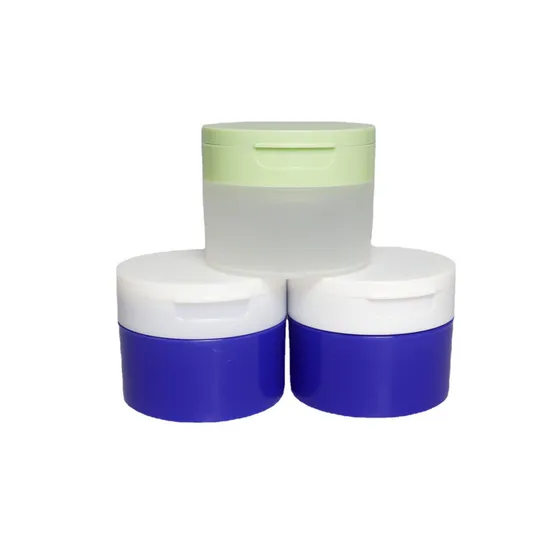
A stock image related to Eco-friendly Cosmetic Jar With Replaceable Inner Case.
In-depth Look: Manufacturing Processes and Quality Assurance for Eco-friendly Cosmetic Jar With Replaceable Inner Case
What Are the Main Stages in the Manufacturing Process of Eco-friendly Cosmetic Jars?
The production of eco-friendly cosmetic jars with replaceable inner cases involves several critical stages, each designed to ensure quality, sustainability, and functionality. The primary stages include material preparation, forming, assembly, and finishing.
How Is Material Prepared for Eco-friendly Cosmetic Jars?
Material preparation is a vital first step. Manufacturers typically select sustainable materials such as Post-Consumer Recycled (PCR) plastics or biodegradable options like PLA (polylactic acid). The chosen materials undergo a rigorous sorting and cleaning process to eliminate contaminants. This is crucial, especially for B2B buyers focused on sustainability, as the quality of raw materials directly impacts the end product’s eco-friendliness and performance.
What Techniques Are Used in Forming Eco-friendly Cosmetic Jars?
Forming is the next stage, where the prepared materials are shaped into the desired jar forms. Techniques commonly employed include injection molding, blow molding, and thermoforming. Injection molding is prevalent for creating the outer jars due to its ability to produce intricate designs and maintain consistency. For the inner cases, blow molding is often used to ensure a lightweight yet durable structure. These techniques allow for efficient production while minimizing waste, aligning with sustainable manufacturing practices.
How Are Eco-friendly Cosmetic Jars Assembled?
The assembly stage is where the outer and inner jars come together. This process typically involves inserting the replaceable inner case into the outer jar. Advanced automation technologies, such as robotic arms, may be utilized to enhance precision and efficiency during assembly. Additionally, manufacturers often incorporate sealing mechanisms, like pressure-sensitive seals or service caps, to ensure product integrity and user convenience.
What Finishing Processes Are Applied to Eco-friendly Cosmetic Jars?
Finishing processes enhance the aesthetic appeal and durability of the jars. Techniques such as silk screening, frosting, and electroplating can be applied to customize the appearance of the jars, making them more appealing to consumers. These finishing touches are essential for brands looking to establish a premium image in the competitive cosmetic market. Furthermore, eco-friendly finishes that do not compromise the product’s sustainability are increasingly in demand.
What Quality Control Measures Are Essential for Eco-friendly Cosmetic Jars?
Quality assurance is crucial in maintaining product integrity and ensuring compliance with international standards. Manufacturers often adhere to ISO 9001, which sets the criteria for a quality management system, ensuring consistent quality and customer satisfaction. Additionally, industry-specific certifications such as CE (Conformité Européenne) and API (Active Pharmaceutical Ingredients) may be relevant, particularly for products intended for the European or pharmaceutical markets.
How Are Quality Control Checkpoints Implemented?
Quality control is typically implemented through several checkpoints, including Incoming Quality Control (IQC), In-Process Quality Control (IPQC), and Final Quality Control (FQC).
- IQC involves inspecting raw materials before they enter production, ensuring that only high-quality materials are used.
- IPQC monitors the manufacturing process in real-time to catch any deviations or defects during production.
- FQC involves a thorough inspection of the finished products to confirm that they meet all quality standards before shipment.
What Testing Methods Are Commonly Used for Eco-friendly Cosmetic Jars?
Various testing methods are employed to ensure the jars meet safety and quality standards. Common tests include:
- Test sui materiali: Assesses the physical properties of the materials used, such as tensile strength and thermal stability.
- Test di compatibilità: Ensures that the jar materials do not react negatively with the cosmetic formulations they will contain.
- Test di tenuta: Confirms that the jars are sealed correctly and will not leak during use or transport.
Come possono gli acquirenti B2B verificare il controllo qualità dei fornitori?
B2B buyers should take proactive steps to verify the quality control processes of their suppliers. This can include:
- Conducting Audits: Regular audits of manufacturing facilities can provide insights into the supplier’s adherence to quality standards and sustainable practices.
- Richiesta di rapporti sulla qualità: Suppliers should be able to provide detailed quality reports that outline their testing methods, results, and compliance with industry standards.
- Ispezioni di terze parti: Engaging third-party inspection services can add an extra layer of assurance, ensuring that the products meet the expected quality levels before shipment.
Quali sono le sfumature del controllo qualità e della certificazione per gli acquirenti internazionali B2B?
International buyers, especially those from regions like Africa, South America, the Middle East, and Europe, must navigate various certification requirements. For instance, European buyers may require CE marking, which indicates conformity with health, safety, and environmental protection standards. In contrast, African and South American markets may have different local regulations that need to be considered.
Understanding these nuances is essential for buyers to avoid potential compliance issues and ensure that their products can be marketed effectively in their target regions. Buyers should establish clear communication with suppliers regarding certifications and quality standards specific to their markets.
Conclusione
Manufacturing eco-friendly cosmetic jars with replaceable inner cases involves a comprehensive process that prioritizes sustainability, quality, and aesthetic appeal. By understanding the key manufacturing stages and quality assurance measures, B2B buyers can make informed decisions when sourcing these innovative packaging solutions. Engaging with suppliers who prioritize quality control and compliance with international standards is essential for maintaining product integrity and meeting consumer expectations in the competitive cosmetics market.
Practical Sourcing Guide: A Step-by-Step Checklist for ‘Eco-friendly Cosmetic Jar With Replaceable Inner Case’
In the quest for sustainable packaging solutions, eco-friendly cosmetic jars with replaceable inner cases offer an innovative alternative for brands aiming to reduce their environmental impact while maintaining product integrity. This guide provides a comprehensive checklist for international B2B buyers interested in procuring these sustainable packaging solutions.
Fase 1: Definire le specifiche tecniche
Establishing clear technical specifications is crucial for ensuring that the eco-friendly cosmetic jars meet your product requirements. Consider factors such as size (e.g., 30ml, 50ml), material (e.g., PETG, PP), and design features (e.g., airless technology, sealing capabilities). Clearly defined specifications help streamline the sourcing process and ensure product compatibility with your formulations.
Passo 2: Research Eco-friendly Materials
Investigate the types of eco-friendly materials used in the jars. Look for suppliers that utilize recycled content, biodegradable materials, or renewable resources. Understanding material properties can help you assess the environmental impact and durability of the jars, ultimately aligning with your brand’s sustainability goals.
Fase 3: Valutare i potenziali fornitori
Before making a commitment, it’s essential to vet potential suppliers thoroughly. Request company profiles, case studies, and references from buyers in similar industries or regions. Assess their experience with sustainable packaging solutions and inquire about their production capabilities, quality control processes, and commitment to environmental practices.
Passo 4: Valutare le opzioni di personalizzazione
Customization can significantly enhance your brand’s visibility and appeal. Discuss with suppliers the available options for branding, such as silk screening, color coating, or 3D printing. A well-designed outer jar can not only attract consumers but also reinforce your brand’s identity in a competitive market.
Passo 5: Verifica delle certificazioni dei fornitori
Ensure that the suppliers have relevant certifications that demonstrate their commitment to sustainability and quality. Look for certifications such as ISO 14001 (Environmental Management), FSC (Forest Stewardship Council), or specific eco-labels that validate their sustainable practices. This verification is critical to ensuring you partner with reputable suppliers who prioritize environmental responsibility.
Passo 6: Richiesta di campioni da testare
Before finalizing your order, always request samples of the eco-friendly jars. Testing the samples will allow you to evaluate their functionality, aesthetic appeal, and compatibility with your products. Pay attention to factors such as ease of use for consumers, sealing effectiveness, and overall durability.
Passo 7: Establish Clear Terms and Conditions
Once you have selected a supplier, establish clear terms and conditions regarding pricing, minimum order quantities, lead times, and payment terms. Ensure that both parties understand the expectations to avoid potential disputes later in the process. Transparent agreements can foster a more collaborative relationship and facilitate smoother transactions.
By following this step-by-step checklist, B2B buyers can confidently navigate the procurement process for eco-friendly cosmetic jars with replaceable inner cases, ensuring alignment with both sustainability goals and product quality standards.
Comprehensive Cost and Pricing Analysis for Eco-friendly Cosmetic Jar With Replaceable Inner Case Sourcing
What Are the Key Cost Components for Eco-friendly Cosmetic Jars with Replaceable Inner Cases?
When sourcing eco-friendly cosmetic jars with replaceable inner cases, understanding the cost structure is crucial for international B2B buyers. The primary cost components include:
-
I materiali: The choice of materials significantly impacts the cost. Options like recycled plastics, glass, or biodegradable materials can vary widely in price. For instance, jars made from post-consumer recycled (PCR) plastics may have a higher upfront cost but offer long-term sustainability benefits.
-
Lavoro: Labor costs are influenced by the manufacturing location. Regions with lower labor costs can reduce the overall expense, but this must be balanced with quality considerations. Skilled labor may be required for sophisticated designs, which could increase costs.
-
Spese generali di produzione: This includes costs related to factory operations, utilities, and equipment maintenance. Factories that invest in eco-friendly practices may have higher overheads, which could be reflected in the pricing.
-
Utensili: Custom molds for unique designs can be a significant expense. The initial investment in tooling can be substantial, but it is amortized over larger production runs, making it a key consideration for buyers looking for custom solutions.
-
Controllo qualità (CQ): Implementing strict QC measures ensures product quality but adds to costs. Buyers should consider the implications of QC on pricing, especially for markets demanding high standards.
-
Logistica: Shipping and handling costs vary based on the destination, packaging requirements, and shipping mode. International buyers should factor in these expenses, including potential customs duties.
-
Margine: Suppliers will typically include a profit margin in their pricing. Understanding average industry margins can help buyers negotiate better deals.
How Do Price Influencers Affect the Sourcing of Eco-friendly Jars?
Several factors can influence the pricing of eco-friendly cosmetic jars:
-
Volume/MOQ (quantità minima d'ordine): Higher order quantities generally lead to lower per-unit costs. Buyers should assess their needs to negotiate favorable terms.
-
Specifiche e personalizzazione: Custom designs and specific material requirements can increase costs. Buyers should clearly define their specifications to avoid unexpected price surges.
-
Qualità dei materiali e certificazioni: Higher-quality materials and certifications (e.g., organic, cruelty-free) may come at a premium but can enhance brand reputation and consumer trust.
-
Fattori di fornitura: Supplier reliability, production capacity, and reputation can all influence pricing. Building strong relationships with suppliers can lead to better terms and pricing flexibility.
-
Incoterms: Understanding Incoterms is essential for international transactions. They define the responsibilities of buyers and sellers regarding shipping, insurance, and tariffs, which can significantly impact total costs.
What Are the Best Tips for Buyers to Optimize Costs When Sourcing Eco-friendly Jars?
-
Effective Negotiation: Leverage volume and long-term contracts to negotiate better pricing. Suppliers may offer discounts for larger orders or repeat business.
-
Focus on Cost-Efficiency: Analyze the total cost of ownership (TCO), including initial costs, logistics, and potential waste reduction over time. This broader perspective can justify higher initial expenses for sustainable options.
-
Understand Pricing Nuances for International Markets: Different regions have varying expectations for sustainability and quality. Familiarize yourself with local regulations and consumer preferences to align your sourcing strategy accordingly.
-
Richiesta di campioni: Always ask for samples before placing large orders. This allows you to evaluate quality and ensure it meets your brand standards, preventing costly mistakes.
-
Consider Local Suppliers: Sourcing from local suppliers can reduce shipping costs and lead times. This is particularly beneficial for buyers in regions with a growing focus on sustainability.
Esclusione di responsabilità
The prices mentioned in this analysis are indicative and subject to change based on market conditions, supplier negotiations, and specific project requirements. Buyers are encouraged to conduct thorough market research and supplier assessments to obtain accurate pricing for their unique needs.
Alternatives Analysis: Comparing Eco-friendly Cosmetic Jar With Replaceable Inner Case With Other Solutions
Understanding the Importance of Alternative Packaging Solutions
As sustainability becomes a priority for consumers and brands alike, the cosmetic industry is exploring various eco-friendly packaging solutions. Among these, the ‘Eco-friendly Cosmetic Jar With Replaceable Inner Case’ stands out for its innovative design and environmental benefits. However, it is essential to evaluate other viable alternatives to ensure that B2B buyers make informed decisions that align with their brand values and operational needs.
Comparison of Eco-friendly Cosmetic Jar With Replaceable Inner Case and Alternatives
| Aspetto di confronto | Eco-Friendly Cosmetic Jar With Replaceable Inner Case | Vaso di vetro ricaricabile | Biodegradable Plastic Jar |
|---|---|---|---|
| Prestazioni | High durability, maintains product integrity | Excellent, preserves freshness | Good, but may have shorter shelf life |
| Costo | Moderate initial investment, long-term savings | Higher upfront cost, potential for savings | Lower initial cost, variable lifespan |
| Facilità di implementazione | Simple user interface for refilling | Requires careful handling and customer education | Easy to implement, no special handling required |
| Manutenzione | Minimal, just replace inner case | Moderate, must ensure cleanliness | Low, but may degrade over time |
| Il miglior caso d'uso | High-end skincare brands focusing on sustainability | Luxury brands seeking premium feel | Brands targeting eco-conscious consumers on a budget |
In-Depth Analysis of Alternative Solutions
Vaso di vetro ricaricabile
Refillable glass jars offer a premium aesthetic and are highly regarded for their ability to preserve product integrity. They are commonly used in luxury skincare lines. While they present a higher initial cost, their durability and reusability can lead to long-term savings. However, they require careful handling to avoid breakage, which could complicate logistics and customer education. Brands must also consider that glass is heavier, impacting shipping costs.
Biodegradable Plastic Jar
Biodegradable plastic jars are an attractive option for brands looking to minimize their environmental impact without the higher costs associated with glass. These jars are typically easier to implement and come at a lower initial price point. However, their performance in terms of shelf life may not match that of glass or refillable jars, which could lead to product degradation. Furthermore, the perception of biodegradable plastics can vary among consumers, with some viewing them as less premium.
Conclusione: Come scegliere la giusta soluzione di packaging per il vostro marchio
When selecting the best eco-friendly packaging solution, B2B buyers should consider their brand identity, target market, and operational capabilities. The Eco-friendly Cosmetic Jar With Replaceable Inner Case offers a balanced approach of sustainability and functionality, ideal for brands aiming for a high-end image. In contrast, refillable glass jars cater to luxury markets but come with a higher cost and handling considerations. Biodegradable plastic jars provide a budget-friendly option with lower sustainability credentials. Ultimately, understanding the specific needs of your product and consumer preferences will guide you in making the right choice.
Essential Technical Properties and Trade Terminology for Eco-friendly Cosmetic Jar With Replaceable Inner Case
What Are the Key Technical Properties of Eco-friendly Cosmetic Jars With Replaceable Inner Cases?
When selecting eco-friendly cosmetic jars with replaceable inner cases, it’s essential to understand specific technical properties that impact functionality, sustainability, and marketability. Here are critical specifications to consider:
-
Composizione del materiale
The choice of materials significantly influences the jar’s durability and recyclability. Common materials include PETG (Polyethylene Terephthalate Glycol) for outer jars and PP (Polypropylene) for inner cases. These materials are lightweight, strong, and offer excellent barrier properties, ensuring product integrity while being recyclable. B2B buyers should prioritize jars made from post-consumer recycled (PCR) materials to enhance sustainability claims and appeal to environmentally conscious consumers. -
Opzioni di capacità
Eco-friendly cosmetic jars typically come in various sizes, often ranging from 30ml to 50ml. This flexibility allows brands to cater to different market segments, including trial sizes for new customers and larger sizes for established products. Understanding capacity options is crucial for aligning product offerings with consumer preferences, particularly in regions with distinct market demands. -
Meccanismo di tenuta
A robust sealing mechanism is vital for preserving the freshness and efficacy of cosmetic formulations. Many jars feature pressure-sensitive seals or inner lids that prevent leakage and contamination. For B2B buyers, ensuring that jars meet these standards can reduce product returns and enhance customer satisfaction. -
Reusability and Refilling Features
The design of replaceable inner cases enables brands to promote sustainability by reducing waste. Jars should allow easy removal and replacement of the inner container without compromising the outer jar’s integrity. This feature not only supports eco-friendly practices but also encourages repeat purchases, as consumers will need to buy only the inner refill. -
Design Aesthetics and Customization
Aesthetic appeal is critical in the cosmetics industry. Options for customization, such as color, surface finishes (like silk-screen printing), and unique shapes, can differentiate a brand on retail shelves. B2B buyers should consider how design elements align with brand identity and consumer expectations to maximize market impact. -
Shelf Life and Stability
The shelf life of cosmetic products is influenced by the packaging. Jars that provide UV protection and airtight seals contribute to longer shelf life and product stability. Buyers should inquire about the stability testing conducted by manufacturers to ensure product longevity in various environmental conditions.
What Are Common Trade Terms Used in the Eco-friendly Cosmetic Jar Industry?
Understanding industry terminology is crucial for effective communication and negotiation in B2B transactions. Here are some key terms:
-
OEM (Original Equipment Manufacturer)
An OEM refers to a company that manufactures products based on another company’s specifications. In the cosmetic jar industry, brands often collaborate with OEMs to create customized packaging solutions that align with their product lines. -
MOQ (quantità minima d'ordine)
MOQ indicates the minimum quantity of units a buyer must order from a supplier. This term is vital for budgeting and inventory management, as it can affect overall costs and supply chain decisions. -
RFQ (Richiesta di offerta)
An RFQ is a document issued by a buyer to solicit price quotes from suppliers for specific products or services. It typically includes detailed specifications, quantities, and delivery requirements, ensuring that buyers receive competitive pricing and terms. -
Incoterms (Termini commerciali internazionali)
Incoterms are standardized trade terms that define the responsibilities of buyers and sellers regarding shipping, insurance, and tariffs. Familiarity with these terms helps mitigate risks and clarify obligations during cross-border transactions. -
Certificazione di sostenibilità
This refers to third-party validation that a product meets specific environmental standards. Certifications like ISO 14001 or Cradle to Cradle can enhance a brand’s credibility and appeal to eco-conscious consumers, making them essential for B2B marketing strategies.
By understanding these properties and terms, B2B buyers can make informed decisions that not only meet their business needs but also resonate with sustainability-focused consumers in diverse markets.
Navigating Market Dynamics and Sourcing Trends in the Eco-friendly Cosmetic Jar With Replaceable Inner Case Sector
What Are the Key Market Trends Influencing Eco-friendly Cosmetic Jars with Replaceable Inner Cases?
The global market for eco-friendly cosmetic jars with replaceable inner cases is witnessing robust growth, driven by a surge in consumer demand for sustainable packaging solutions. Factors such as increasing environmental awareness, regulatory pressure on plastic waste reduction, and a shift towards circular economy principles are shaping the landscape. In regions like Europe and North America, consumers are increasingly prioritizing brands that offer sustainable products, which has prompted manufacturers to innovate in packaging.
Emerging technologies, such as advanced recycling processes and biodegradable materials, are becoming critical in the development of eco-friendly jars. For B2B buyers, understanding the capabilities of suppliers in these areas is essential for aligning with market demands. Notably, the integration of reusable designs, like replaceable inner jars, allows brands to minimize waste while enhancing customer loyalty through subscription models.
In terms of market dynamics, international buyers from Africa, South America, and the Middle East should be aware of the varying regulatory environments that can influence sourcing decisions. For example, the European Union’s stringent regulations on single-use plastics compel suppliers to innovate more rapidly than in other regions. This creates opportunities for B2B partnerships that focus on sustainable innovation and compliance with local and international standards.
How Is Sustainability and Ethical Sourcing Shaping the Eco-friendly Cosmetic Jar Market?
Sustainability is no longer just a buzzword; it has become a core component of product development in the cosmetic packaging sector. Eco-friendly jars with replaceable inner cases significantly reduce environmental impact by promoting reuse and recycling. B2B buyers must evaluate suppliers based on their sustainability practices, including the use of Post-Consumer Recycled (PCR) materials and biodegradable options.
The importance of ethical supply chains cannot be overstated. Brands that prioritize ethical sourcing can enhance their reputation and consumer trust. Certifications such as FSC (Forest Stewardship Council) for paper products, ISO 14001 for environmental management, and various eco-labels provide assurance of a supplier’s commitment to sustainability. This is particularly relevant for buyers in regions with strong consumer bases that are increasingly conscious of environmental issues, such as Germany and Brazil.
Furthermore, ethical sourcing practices extend beyond materials to encompass fair labor practices and responsible manufacturing processes. B2B buyers should conduct thorough due diligence on suppliers to ensure that their products meet not only environmental standards but also social responsibility benchmarks.
What Has Been the Evolution of Eco-friendly Cosmetic Jars with Replaceable Inner Cases?
The evolution of eco-friendly cosmetic jars can be traced back to the growing awareness of environmental issues and the resulting demand for sustainable packaging solutions. Initially, cosmetic packaging was dominated by single-use plastic containers, which contributed significantly to global plastic waste. However, the early 2000s marked a turning point as brands began to explore alternative materials and designs that could minimize their ecological footprint.
The introduction of refillable and replaceable inner cases represented a significant innovation. This design not only allows consumers to reuse the outer jar multiple times but also addresses concerns about product contamination and freshness. Over the years, advancements in materials technology have enabled the development of high-quality, durable jars made from recycled and biodegradable materials. This trajectory indicates a promising future for eco-friendly packaging, where functionality and sustainability go hand in hand, aligning with the values of modern consumers and B2B buyers alike.
As the market continues to evolve, B2B buyers should remain agile, seeking partnerships that prioritize innovation, sustainability, and compliance with emerging regulations. Understanding these dynamics will be crucial in navigating the complexities of the eco-friendly cosmetic jar sector.
Frequently Asked Questions (FAQs) for B2B Buyers of Eco-friendly Cosmetic Jar With Replaceable Inner Case
-
How do I ensure the eco-friendliness of the cosmetic jars I source?
To ensure the eco-friendliness of cosmetic jars, verify that the materials used are sustainably sourced and recyclable, such as post-consumer recycled (PCR) plastics or biodegradable options. Request certifications from suppliers that demonstrate compliance with environmental standards. Additionally, inquire about the manufacturing processes to confirm they minimize carbon emissions and waste. Consider suppliers who offer refillable options, as these contribute significantly to reducing plastic waste and align with sustainable branding. -
What customization options are available for eco-friendly cosmetic jars?
Customization options vary widely among suppliers and may include size, color, material, and printing techniques. Many manufacturers offer bespoke designs to meet your branding needs, such as silk screening or hot stamping for logos. Additionally, you can select features like inner case designs for refillable jars or specific cap styles. Always discuss your requirements in detail with potential suppliers to ensure they can meet your specifications while maintaining sustainability. -
What are the minimum order quantities (MOQ) for eco-friendly cosmetic jars?
Minimum order quantities can differ significantly between suppliers and depend on the customization level. Generally, MOQs for eco-friendly cosmetic jars range from 5,000 to 10,000 units. When sourcing internationally, consider that higher MOQs may lead to better pricing but could also impact your cash flow. It’s advisable to communicate your needs to suppliers and negotiate MOQs, especially if you are starting a new product line or testing the market. -
What payment terms should I expect when sourcing internationally?
Payment terms in international B2B transactions typically include options like wire transfers, letters of credit, or PayPal. Standard practices often involve a deposit (30-50%) upfront, with the remaining balance paid before shipment. Ensure you clarify the payment terms during negotiations, as different suppliers may have varying policies based on their location and market practices. Additionally, consider the currency exchange rates and potential fees when making international payments. -
How can I vet suppliers for quality assurance?
To vet suppliers, start by researching their background and reputation in the industry. Look for reviews, testimonials, and case studies from previous clients. Request samples of their products to evaluate quality firsthand. Additionally, inquire about their quality assurance processes, certifications, and compliance with international standards, such as ISO certifications. Regular audits and site visits can also provide insights into their manufacturing practices and commitment to quality. -
What logistics considerations should I keep in mind when importing cosmetic jars?
Logistics for importing cosmetic jars involve several factors, including shipping methods, customs regulations, and lead times. Choose a reliable freight forwarder familiar with cosmetic packaging to navigate international shipping efficiently. Understand the import duties and taxes applicable in your country to avoid unexpected costs. Also, ensure that suppliers provide adequate packing to protect products during transit. Discuss delivery timelines to align with your inventory needs and marketing strategies. -
Are there specific certifications I should look for in eco-friendly cosmetic packaging?
Yes, certain certifications can indicate the sustainability and safety of eco-friendly cosmetic packaging. Look for certifications like FSC (Forest Stewardship Council) for paper products, ISO 14001 for environmental management, or the Cradle to Cradle certification for products designed for a circular economy. Certifications like these not only enhance your brand’s credibility but also assure consumers of your commitment to sustainability, which can be a significant selling point in the market. -
How do I handle returns or defective products from suppliers?
Establish a clear return policy with your suppliers before placing orders. This policy should outline the procedures for handling defective products, including timelines for reporting issues and the process for returns or replacements. Ensure that your suppliers provide warranties or guarantees for their products. Maintain open communication and document any issues that arise to facilitate a smooth resolution. Building strong relationships with suppliers can also lead to more favorable terms in case of defects or returns.
Disclaimer importante e condizioni d'uso
⚠️ Disclaimer importante
Le informazioni fornite in questa guida, compresi i contenuti relativi ai produttori, alle specifiche tecniche e all'analisi di mercato, hanno uno scopo puramente informativo ed educativo. Non costituiscono una consulenza professionale in materia di acquisti, né una consulenza finanziaria o legale.
Pur avendo fatto ogni sforzo per garantire l'accuratezza e la tempestività delle informazioni, non siamo responsabili di eventuali errori, omissioni o informazioni non aggiornate. Le condizioni di mercato, i dettagli aziendali e gli standard tecnici sono soggetti a modifiche.
Gli acquirenti B2B devono condurre una due diligence indipendente e approfondita. prima di prendere qualsiasi decisione di acquisto. Per questo è necessario contattare direttamente i fornitori, verificare le certificazioni, richiedere campioni e chiedere una consulenza professionale. Il rischio di affidarsi alle informazioni contenute in questa guida è esclusivamente a carico del lettore.
Top 7 Eco-Friendly Cosmetic Jar With Replaceable Inner Case Manufacturers & Suppliers List
1. Jarsking – Plastic Airless Cosmetic Jars

Dominio: jarsking.com
Registrazione: 2022 (3 anni)
Introduzione: Product Name: Plastic Airless Cosmetic Jars With Replaceable Inner Core and Sealing Lids, Capacity: 30g 50g, Color: Customized, Material: plastic vacuum bottle, Use: face cream, eye cream, moisturizer, MOQ: 10000, Delivery Packing: standard export carton packing, Surface Treatment: silk screen, frosting, electroplating, color coating, 3D printing, hot stamping, Packaging Suggestion: luxurious, eco…
2. Confezione HC - Barattolo di ricarica Echo da 50 ml
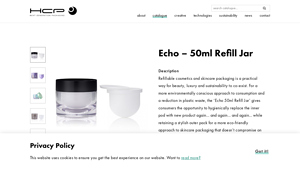
Dominio: hcpackaging.com
Registrato: 2001 (24 anni)
Introduzione: {“Product Name”: “Echo 50ml Refill Jar”, “Description”: “Refillable cosmetics and skincare packaging that combines beauty, luxury, and sustainability. Allows hygienic replacement of the inner pod while retaining a stylish outer pack.”, “Dimensions”: {“Height”: “56.7mm”, “Diameter”: “66mm”, “OFC”: “54.3ml”}, “Materials”: {“Inner Jar”: “PP”, “Outer Jar”: “PETG”, “Inner Cap”: “PP”, “Outer Cap”: [“SAN…
3. Gideapac – Eco-friendly Cosmetic Jar

Dominio: gideapac.com
Registrazione: 2023 (2 anni)
Introduzione: {“product_name”: “Eco-friendly Cosmetic Jar With Replaceable Inner Case”, “capacity”: “50g”, “dimensions”: {“diameter”: “77.6mm”, “height”: “35.6mm”}, “materials”: {“outer_jar”: [“PMMA”, “ABS”], “inner_bowl”: “PP”}, “fitting”: “Screw on”, “SKU”: “G1526”, “order_quantity”: “10,000PCS”, “features”: [“Refillable inner bowl cream jar”, “Elegant round design”], “categories”: [“Cosmetic Jar”, “Jars”, “R…
4. MYPACK – Soft Touch Cosmetic Bottles
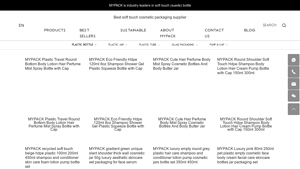
Dominio: gzmypack.com
Registrazione: 2020 (5 anni)
Introduzione: Set bottle – Mypack | Best Soft Touch Cosmetic Packaging Manufacturer. MYPACK is an industry leader in soft touch (suede) bottles. Available products include: Plastic bottles, Pump bottles, Squeeze bottles, Spray bottles, Small sample bottles, Sunscreen bottles, Foaming bottles, Oil bottles, Airless bottles, Acrylic bottles, Plastic jars, Biodegradable jars, Cotton pads jars, PET jars, PP jars, PE…
5. Etsy – Ecofriendly Cosmetic Containers
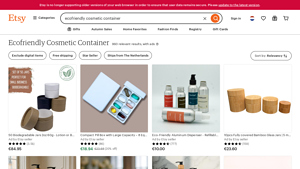
Dominio: etsy.com
Registrato: 2004 (21 anni)
Introduzione: Ecofriendly Cosmetic Container, Price Range: $1.50 to $284.00, Features: Screw top knurled texture container, Refillable 10ml Cosmetic Container, Compact 3D Printed Creme Jars, Amber Glass Cream Jar with Natural Bamboo Cap, Various Sizes Available (30g, 50g, 100g), Eco-friendly materials, Wholesale options available, Discounts on bulk purchases.
6. Lomei – Plant Fiber Cosmetics Packaging
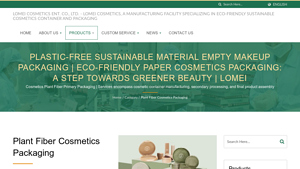
Dominio: lomeicosmetics.com
Registrato: 2003 (22 anni)
Introduzione: Plant Fiber Cosmetics Packaging is made from natural materials such as rice husks and green tea. It is plastic-free, toxin-free, heavy metal-free, and biodegradable. The packaging is designed for eco-conscious consumers and is a sustainable alternative to petrochemical-based plastics. Lomei offers standard plant fiber makeup packaging and custom mold services, including post-processing customizati…
7. Sustainable PMU – Biodegradable Cosmetic Bottles

Dominio: ie.pinterest.com
Registrato: 2009 (16 anni)
Introduzione: Biodegradable & Sustainable PMU and CaCO₃ Cosmetic Bottle with Replaceable Inner; reduces plastic content by 70% and is 30% biodegradable; low carbon and refillable design; elegant marble texture finish; available in jars (30g, 100g) and bottles (30ml, 100ml); suitable for baby skincare, lotions, and creams; direct from source factory with end-to-end service including mold development, rapid sampl…
Strategic Sourcing Conclusion and Outlook for Eco-friendly Cosmetic Jar With Replaceable Inner Case
As the demand for sustainable packaging solutions continues to rise, eco-friendly cosmetic jars with replaceable inner cases present a strategic opportunity for brands aiming to enhance their environmental credentials. These innovative packaging options not only meet consumer expectations for sustainability but also offer practical benefits, such as reduced waste and extended product life cycles. By leveraging materials like Post Consumer Recycling (PCR) and advanced design features, brands can significantly lower their carbon footprints while maintaining product integrity.
For international B2B buyers, particularly those in Africa, South America, the Middle East, and Europe, strategic sourcing of these eco-friendly packaging solutions can lead to a competitive advantage. Engaging with reliable suppliers who prioritize sustainability and quality will ensure that your brand not only aligns with global environmental standards but also resonates with increasingly eco-conscious consumers.
Looking ahead, the market for refillable and recyclable packaging is poised for growth. Now is the time to invest in sustainable packaging strategies that reflect your brand’s commitment to the planet. Explore partnerships with manufacturers who can deliver innovative solutions that meet your specific needs and help propel your brand into the future of eco-friendly cosmetics.






 Italian
  English
  Russian
  Spanish
  Thai
Thai  French
  Arabic
  Portuguese
  Indonesian
  German