
Introduction: Navigating the Global Market for perfume bottle manufacturers
In the highly competitive and evolving fragrance industry, the choice of perfume bottles is far more than a packaging decision—it is a strategic imperative that influences brand perception, consumer engagement, and market success. For international B2B buyers across Africa, South America, the Middle East, and Europe, sourcing the right manufacturer is essential to ensure product quality, regulatory compliance, and aesthetic appeal, all while managing costs and supply chain resilience.
This comprehensive guide is designed to equip procurement professionals with the insights needed to navigate the complex global landscape of perfume bottle manufacturing. It covers the full spectrum of bottle types—from premium atomizers and rollerballs to eco-friendly refillables—highlighting material innovations, manufacturing best practices, and quality assurance protocols. Additionally, it offers practical guidance on evaluating suppliers, understanding cost structures, and aligning sourcing strategies with regional market demands.
By providing detailed analysis of materials such as glass, aluminum, plastics, and sustainable composites, along with insights into regional manufacturing hubs and logistics considerations, this guide empowers buyers to make informed, strategic decisions. Whether sourcing for luxury brands, mass-market products, or niche artisanal lines, B2B purchasers will find actionable solutions to optimize their supply chains and deliver bottles that resonate with target consumers. Ultimately, this resource aims to help buyers build resilient, competitive, and innovative fragrance packaging strategies that stand out in a crowded global marketplace.
Understanding perfume bottle manufacturers Types and Variations
| Nama Jenis | Fitur Pembeda Utama | Aplikasi B2B Utama | Pro & Kontra Singkat untuk Pembeli |
|---|---|---|---|
| Botol Semprotan Alat Penyemprot | Fine mist spray pump; available in glass, plastic, or metal; customizable finishes | Retail, luxury lines, travel sets, gifting | High shelf appeal; customizable branding; higher unit costs; complex assembly |
| Botol Rollerball | Compact, portable; rolling ball applicator; typically glass or plastic | Travel, promotional campaigns, sample sets | Leak-proof; ideal for oils and travel use; limited branding surface; less suitable for alcohol-based scents |
| Botol Kaca Mini | Small volume (1–5ml); screw or crimp closures; clear glass | Sampling, discovery kits, promotional giveaways | Cost-effective; lightweight; limited branding options; fragile for shipping |
| Botol Perjalanan Aluminium | Lightweight, shatter-resistant, opaque metal; screw caps | Duty-free shops, travel retail, on-the-go retail | Durable; protects contents; eco-friendly; limited decorative options; less luxurious appearance |
| Botol Kartrid Isi Ulang | Modular design with replaceable internal cartridges; durable outer shell | Premium gifting, eco-conscious brands, loyalty programs | Sustainable; encourages repeat sales; higher initial cost; requires after-sales infrastructure |
Botol Semprotan Alat Penyemprot
Atomizer spray bottles are the epitome of luxury and sophistication in perfume packaging. They feature precision pump mechanisms that produce a fine, even mist, making them ideal for high-end fragrances. Their customizable finishes—ranging from intricate glass etching to metallic accents—allow brands to create distinctive visual identities. B2B buyers should consider material compatibility with alcohol-based scents, regulatory compliance (especially in Europe and the Middle East), and the complexity of assembly, which influences cost and lead times. These bottles are best suited for retail, travel, or gift markets where brand differentiation and presentation are critical.
Botol Rollerball
Designed for convenience and portability, rollerball bottles are favored in travel and promotional segments. Their integrated rolling ball ensures a leak-proof, precise application, especially suitable for oil-based or natural fragrances. Typically made of glass or plastic, these bottles are lightweight and resilient against breakage, reducing shipping and handling risks. For B2B buyers, key considerations include the compatibility of the fragrance with the plastic or glass material, branding options (such as colored or frosted finishes), and volume customization. They are ideal for sampling, small-scale retail, or promotional giveaways targeting mobile consumers.
Botol Kaca Mini
Mini glass vials serve as a cost-effective solution for sampling and discovery sets. Their small size (1-5ml) allows for easy handling and shipping, making them popular among niche brands and emerging markets. Their simple screw or crimp closures facilitate quick manufacturing and assembly, but limit branding space and visual impact. B2B buyers should evaluate the quality of glass to prevent breakage during transit, as well as consider the compatibility with fragrance formulations. These vials are best used in marketing campaigns that prioritize exposure and trial over premium positioning.
Botol Perjalanan Aluminium
Aluminum bottles are highly valued in markets emphasizing durability, security, and eco-friendliness. Their shatter-resistant design offers excellent protection against damage during transit, especially in duty-free and travel retail environments. The opaque nature of aluminum shields contents from light and heat, extending product shelf life. While decorative options are more limited compared to glass, creative finishing techniques such as embossing or anodizing can enhance branding. B2B buyers should assess the supply chain’s capacity for sourcing high-quality aluminum, as well as compatibility with various closure systems and regulatory standards for different regions.
Botol Kartrid Isi Ulang
Refillable cartridge bottles represent a sustainable innovation, appealing to environmentally conscious consumers and premium markets. Their modular design allows consumers to replace internal cartridges, reducing waste and fostering ongoing engagement with the brand. These systems require careful consideration of cartridge fit, ease of refilling, and compatibility with fragrance formulations. For B2B buyers, the higher initial investment and complexity of supply chains must be balanced against the long-term benefits of customer loyalty and reduced packaging waste. They are most suitable for luxury brands seeking to emphasize sustainability and exclusivity.
Video terkait: Proses Pembuatan Botol Kaca (2021 Diperbarui) - Roetell
Key Industrial Applications of perfume bottle manufacturers
| Industri/Sektor | Specific Application of perfume bottle manufacturers | Nilai/manfaat untuk bisnis | Pertimbangan Sumber Utama untuk Aplikasi ini |
|---|---|---|---|
| Ritel Perjalanan & Bebas Bea | Compact, compliant fragrance bottles for travelers | Enhances impulse sales, aligns with security standards, supports brand visibility | Must meet international liquid restrictions, robust and leak-proof design, customizable branding options, lightweight for transport |
| Kecantikan & Perawatan Pribadi | Sampling, gift sets, travel-sized fragrances | Facilitates product trials, increases customer engagement, supports promotional campaigns | Cost-effective, scalable manufacturing, compatibility with various fragrance formulations, opportunities for branding and unique shapes |
| Perhotelan Mewah | In-room amenities, VIP gifting, branded hotel fragrances | Elevates guest experience, reinforces brand prestige, creates memorable impressions | High-quality materials, elegant finishes, compliance with safety and hygiene standards, reliable supply chain for timely delivery |
| Niche & Indie Fragrances | Limited editions, artisanal samples, bespoke packaging | Supports exclusivity, appeals to high-end consumers, enhances brand storytelling | Custom shapes and finishes, artisanal or eco-friendly materials, flexible minimum order quantities, emphasis on aesthetic uniqueness |
| Promotional Marketing | Branded giveaways, corporate gifts, event souvenirs | Boosts brand recognition, creates lasting customer impressions, supports marketing campaigns | Quick turnaround, flexible production runs, high-quality decoration options, cost management for large-volume distribution |
Ritel Perjalanan & Bebas Bea
Perfume bottle manufacturers play a crucial role in the travel retail and duty-free sector by providing compact, durable, and compliant fragrance containers. These bottles are designed to meet strict airline security regulations, such as liquid volume restrictions, while maintaining an attractive appearance to stimulate impulse purchases. International B2B buyers from regions like the Middle East or Europe need to prioritize bottles that are lightweight, shatter-resistant, and customizable with branding elements. Ensuring robust sealing mechanisms and compliance with regional regulations minimizes the risk of product returns or regulatory issues, making sourcing from reliable manufacturers essential for seamless supply chain operations.
Kecantikan & Perawatan Pribadi
In the beauty and personal care industry, perfume bottle manufacturers supply a variety of packaging options for sampling, gift sets, and travel-sized products. These bottles enable brands to introduce new fragrances to consumers with minimal investment, fostering trial and loyalty. For international buyers, especially from Africa or South America, cost-effective manufacturing and scalable options are vital to meet high-volume demands. Compatibility with diverse fragrance formulations, alongside opportunities for branding through unique shapes, colors, and finishes, allows brands to differentiate themselves in crowded markets. Sourcing manufacturers with flexible production capabilities and quality control processes ensures consistency and brand integrity.
Perhotelan Mewah
Luxury hotels and hospitality brands source premium perfume bottles for in-room amenities, VIP gifts, and branded fragrances. These bottles contribute to a sophisticated guest experience and reinforce the brand’s exclusivity. For B2B buyers in Europe or the Middle East, sourcing high-end materials such as crystal-clear glass, fine metal accents, and intricate finishes is critical. Additionally, suppliers must demonstrate compliance with safety standards, hygiene regulations, and timely delivery capabilities. Durable, aesthetically refined bottles that reflect the brand’s prestige can significantly elevate the perceived value of amenities and promotional offerings, making careful supplier evaluation essential.
Niche & Indie Fragrances
The niche and artisanal fragrance sectors often require bespoke packaging solutions that highlight craftsmanship and exclusivity. Perfume bottle manufacturers provide limited-edition bottles with artisanal finishes, unique shapes, and eco-friendly materials to support high-end branding efforts. For international buyers from regions like South Africa or South America, flexibility in minimum order quantities, emphasis on aesthetic appeal, and the ability to produce custom designs are important considerations. Such bottles help brands tell their story, attract discerning consumers, and command premium pricing, making sourcing partners with artisanal expertise and innovative capabilities highly valuable.
Promotional Marketing
In the promotional and corporate gifting sector, perfume bottles serve as high-impact branded merchandise. Manufacturers offer quick turnaround times, flexible production runs, and high-quality decoration options such as engraving or printing to meet marketing campaign timelines. For buyers from diverse regions, cost management and scalability are key, especially when distributing large quantities at events or corporate functions. Sourcing from manufacturers capable of delivering consistent quality and customization ensures that promotional fragrances reinforce brand messaging and leave a lasting impression on target audiences.
**Related Video: Dexin Eye drop uses|| **
Strategic Material Selection Guide for perfume bottle manufacturers
Analysis of Common Materials for Perfume Bottle Manufacturing
Selecting the appropriate material for perfume bottles is a critical decision that impacts product performance, brand perception, regulatory compliance, and supply chain logistics. For international B2B buyers from regions such as Africa, South America, the Middle East, and Europe, understanding material properties and regional considerations ensures optimal sourcing and market success.
Kaca
Glass remains the most traditional and widely used material for perfume bottles, appreciated for its premium aesthetic and chemical inertness. It offers excellent compatibility with a broad range of fragrances, including alcohol-based and oil-based scents, without risking chemical interactions or degradation. Glass is highly recyclable, aligning with sustainability goals increasingly prioritized in Europe and other markets, and is often preferred by luxury brands globally.
However, glass presents some logistical challenges. It is fragile and susceptible to breakage during transit, necessitating robust packaging and careful handling—especially critical for shipments to regions with less developed logistics infrastructure. Manufacturing complexity is moderate to high, depending on the intricacy of the bottle design, and costs can vary based on quality, thickness, and decorative finishes. Regional preferences favor clear, colorless glass in Europe and North America, while markets like the Middle East may accept or prefer colored or frosted variants for aesthetic differentiation.
Aluminium
Aluminum is gaining popularity for its durability, lightweight nature, and eco-friendly profile, especially in travel retail and duty-free segments across Africa, the Middle East, and Europe. Its shatter-resistant qualities make it ideal for on-the-go applications, and its high recyclability aligns with sustainability initiatives prevalent in European markets.
From a manufacturing perspective, aluminum bottles are easier to produce in complex shapes and finishes, offering a modern, sleek appearance. However, aluminum’s opacity limits decorative options compared to glass, and it may require special coatings or printing techniques for branding. Compatibility with fragrance media is generally good, but care must be taken to prevent corrosion, particularly if the perfume contains acidic or reactive components. Regulatory standards for aluminum packaging are well established globally, but buyers should verify compliance with local regulations regarding metal content and recyclability.
Plastics (e.g., PET, HDPE)
Plastics are highly versatile, cost-effective, and lightweight, making them suitable for mass-market and promotional perfume bottles. PET (polyethylene terephthalate) is transparent, shatterproof, and easily molded into various shapes, while HDPE (high-density polyethylene) offers higher chemical resistance and durability.
Pros include lower manufacturing costs, ease of customization, and suitability for rapid prototyping or limited editions. Plastics are particularly advantageous for sampling, travel kits, or markets with less developed logistics infrastructure, where breakage risk is high. However, plastics may be perceived as less premium, which can impact brand positioning, especially in luxury segments. Compatibility with fragrance formulations is generally good, but some plastics may absorb scents or degrade over time, requiring careful material selection.
Regionally, European markets increasingly favor eco-friendly, biodegradable plastics or recycled content, aligning with stringent environmental regulations. Buyers from Africa and South America should consider local regulations on plastic use, import tariffs, and consumer perceptions, which often favor sustainable packaging solutions.
Tabel Ringkasan
| Bahan | Typical Use Case for perfume bottle manufacturers | Keuntungan Utama | Kekurangan/Keterbatasan Utama | Biaya Relatif (Rendah/Sedang/Tinggi) |
|---|---|---|---|---|
| Kaca | Premium, luxury, and high-end perfume bottles | Excellent media compatibility, premium aesthetic, recyclable | Fragile, higher shipping costs, complex manufacturing | Tinggi |
| Aluminium | Travel retail, duty-free, modern luxury lines | Durable, lightweight, eco-friendly, shatter-resistant | Limited decorative options, potential corrosion issues | Med |
| Plastics (PET, HDPE) | Sampling, promotional, mass-market, travel kits | Cost-effective, lightweight, highly customizable | Perceived as less premium, environmental concerns | Rendah |
This comprehensive understanding of material properties and regional considerations enables B2B buyers to make informed decisions aligned with their product positioning, logistical capabilities, and market expectations. Tailoring material choice to regional preferences and compliance standards can significantly enhance product success and brand reputation across diverse international markets.
In-depth Look: Manufacturing Processes and Quality Assurance for perfume bottle manufacturers
Manufacturing Processes for Perfume Bottles
Persiapan dan Pemilihan Bahan
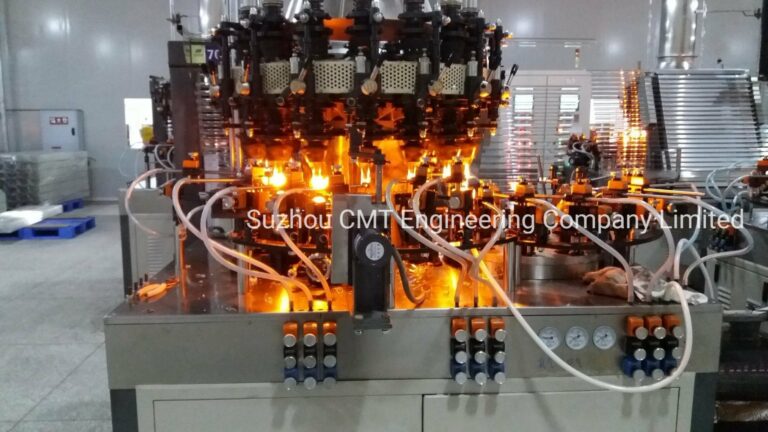
The initial phase involves selecting appropriate raw materials tailored to the desired bottle type—glass, plastic, aluminum, or advanced composites. For glass bottles, high-quality soda-lime or borosilicate glass is typical, with suppliers ensuring consistency in clarity, thickness, and chemical resistance. Plastic bottles often utilize PET or HDPE resins, with considerations for UV stability and compatibility with fragrance formulations. Aluminum and metal alloys are chosen based on durability, corrosion resistance, and aesthetic finishability.
Prior to forming, raw materials undergo rigorous inspection to verify purity, absence of inclusions, and dimensional conformity, often adhering to ISO 9001 standards. Suppliers may employ incoming quality control (IQC) protocols that include spectroscopic analysis, visual inspection, and sampling based on statistical quality control (SQC) methods. This foundational step ensures that subsequent manufacturing stages are built on reliable inputs, critical for maintaining consistency across large production runs.
Forming and Manufacturing Techniques
The core of bottle production involves transforming raw materials into the desired shape and structure through specialized forming processes:
- Pembentukan Kaca:
- Proses Tiup dan Tiup: Molten glass is first blown into a preliminary blank, then re-blown into the final mold to achieve precise dimensions and intricate designs.
- Press and Blow: A plunger presses the gob of molten glass into a mold, shaping the bottle’s profile before blowing.
-
Otomatisasi: Modern factories utilize CNC-controlled equipment for high precision, efficiency, and repeatability.
-
Plastic Forming:
- Cetakan Injeksi: Suitable for complex shapes and small to medium production volumes, offering tight tolerances and design flexibility.
- Cetakan tiup: Common for bottles, where heated plastic is extruded or injected into molds, then inflated to conform to the mold cavity.
-
Stretch Blow Molding: Enhances strength and clarity, especially for PET bottles, by stretching preforms before blowing.
-
Metal Fabrication:
- Stamping and Deep Drawing: For aluminum or metal shells, these processes produce lightweight, durable components with fine surface finishes.
- Finishing Permukaan: Anodizing, polishing, or coating enhances aesthetic appeal and corrosion resistance.
Throughout these stages, process controls—temperature regulation, mold precision, and cycle times—are monitored meticulously to prevent defects such as warping, cracking, or dimensional deviations.
Perakitan dan Penyelesaian
Post-formation, bottles proceed to assembly, where components like atomizers, spray pumps, caps, and decorative elements are integrated:
- Fitting and Assembly:
- Insertion of Pumps and Atomizers: Automated or semi-automated insertion ensures tight seals and functional integrity.
-
Threading and Closure: Precise threading and sealing mechanisms prevent leakage and ensure ease of use.
-
Finishing Permukaan:
- Decorative Coatings: Electroplating, lacquering, or printing enhances visual appeal.
-
Labeling and Embossing: Applied via hot-stamping, silk-screening, or digital printing, tailored to branding needs.
-
Quality Checks during Assembly:
- Leak testing, spray pattern verification, and visual inspection are standard to catch defects early.
Final Inspection and Packaging
The last manufacturing stage involves comprehensive quality assurance before shipment:
- Cleaning and Preparation:
-
Ultrasonic or solvent cleaning removes residual oils, dust, or manufacturing debris.
-
Pengemasan:
- Protective packaging minimizes damage during transit, especially for delicate glass bottles.
- Labeling and documentation ensure traceability and compliance with regional regulations.
Quality Assurance (QA) Protocols
International Standards and Industry-Specific Certifications
To meet global market expectations, perfume bottle manufacturers often adhere to international standards such as ISO 9001, which emphasizes quality management systems, process control, and continuous improvement. Many manufacturers also pursue additional certifications relevant to specific regions or client demands:
- Penandaan CE: Ensures compliance with European safety, health, and environmental requirements, especially relevant if bottles incorporate electronic components or are part of complex packaging systems.
- API and ASTM Standards: For metal components, adherence to standards like ASTM B117 (salt spray testing) or API specifications ensures corrosion resistance and durability.
Pos Pemeriksaan Kontrol Kualitas (QC)
A robust QC system integrates multiple inspection layers:
- Kontrol Kualitas Masuk (IQC): Verifies raw material conformity via visual inspection, dimensional measurement, and chemical analysis.
- Kontrol Kualitas Dalam Proses (IPQC): Monitors critical manufacturing parameters—temperature, pressure, cycle times—using statistical process control (SPC) tools to detect deviations early.
-
Kontrol Kualitas Akhir (FQC): Conducts comprehensive testing on finished bottles, including:
-
Inspeksi Visual: Checks for surface defects, inclusions, and finish quality.
- Pengujian Kebocoran: Using pressurized air or dye penetration methods to ensure hermetic seals.
- Pengujian Fungsional: Spray pattern uniformity for atomizers, drop tests for closures, and durability assessments.
Testing Methods and Tools
- Dimensional Measurements: Laser scanning, coordinate measuring machines (CMMs), or calipers for precise size verification.
- Kompatibilitas Bahan Kimia: Testing for leaching or reaction with fragrance oils, especially in plastic and metal bottles.
- Uji Jatuh dan Benturan: Assess structural integrity under typical handling stresses.
- Pengujian Lingkungan: Simulates conditions like UV exposure, temperature cycling, and humidity to evaluate long-term durability.
Verification for International B2B Buyers
Buyers from Africa, South America, the Middle East, and Europe should prioritize:
- Audit Pemasok: Conduct on-site inspections or third-party audits to verify manufacturing practices, equipment, and QC procedures.
- Quality Reports and Certificates: Request detailed QC reports, test certificates, and compliance documentation.
- Third-Party Inspection Services: Engage independent inspectors (e.g., SGS, Bureau Veritas) for pre-shipment quality verification, especially critical when sourcing from regions with variable manufacturing standards.
Nuances for Regional and Market-Specific QC
For regions like South Africa or the UK, compliance with local standards and regulations is essential. This includes understanding import restrictions, packaging waste directives, and eco-labeling requirements. For Middle Eastern markets, certifications related to Halal or eco-friendly standards may be necessary. African and South American buyers should emphasize supplier transparency, certification validity, and testing that aligns with local regulatory frameworks.
Kesimpulan
A thorough understanding of manufacturing and quality assurance processes is vital for B2B buyers seeking reliable perfume bottle suppliers. Emphasizing rigorous raw material inspection, precise forming techniques, comprehensive QC checkpoints, and adherence to international standards ensures product consistency, safety, and market acceptance. For international buyers, particularly from diverse regions like Africa, South America, the Middle East, and Europe, due diligence through audits, third-party inspections, and certification verification is paramount to mitigate risks and foster long-term supply chain resilience. Selecting manufacturers with proven quality systems and transparent practices translates into better product performance, brand reputation, and customer satisfaction across global markets.
Video terkait: Bagaimana Parfum Dibuat dan Diproses di Pabrik | Proses Pembuatan Kosmetik | Pengaduk dan Pengemasan
Comprehensive Cost and Pricing Analysis for perfume bottle manufacturers Sourcing
Understanding Cost Components in Perfume Bottle Manufacturing
Effective sourcing begins with a clear grasp of the core cost components influencing perfume bottle prices. Bahan typically constitute the largest share, encompassing glass (including special coatings or colored finishes), metals (like aluminum or brass for caps and components), plastics, and emerging sustainable composites. Premium or custom-designed bottles with intricate shapes, finishes, or branding elements often demand higher-grade materials, which escalate costs.
Tenaga kerja costs vary significantly based on the manufacturing location—manufacturers in regions like Europe and the Middle East may command higher wages compared to suppliers in South America or Africa. However, automation and efficient production lines can mitigate labor expenses. Biaya overhead pabrik includes equipment depreciation, energy consumption, and facility expenses, which are impacted by factory scale and technological sophistication.
Tooling and mold costs are substantial upfront investments, especially for custom bottles with complex geometries or unique design features. These costs are amortized over large production runs, making economies of scale critical for competitive pricing. Kontrol kualitas (QC) processes, including inspection, certification (e.g., ISO, CE), and compliance with regional standards, add to per-unit costs but are essential for ensuring consistent product quality and regulatory adherence.
Logistics and shipping costs depend on factors like volume, destination, and packaging requirements. International shipments may incur customs duties, tariffs, and variable freight charges, especially when sourcing from distant regions. Margins are influenced by the manufacturer’s pricing strategy, market positioning, and buyer negotiation, often ranging from 10% to 30%, with premium brands expecting higher margins for bespoke or luxury bottles.
Key Price Influencers in International Sourcing
Several factors shape the final price for perfume bottles in the global B2B landscape:
-
Volume Pesanan dan MOQ: Larger volumes typically unlock volume discounts and lower per-unit costs. Suppliers often set minimum order quantities (MOQs), which can range from a few thousand units for mass-market bottles to smaller batches for niche or luxury lines. Buyers should evaluate total cost savings against cash flow and inventory considerations.
-
Kustomisasi dan Spesifikasi: Highly customized bottles—such as unique shapes, finishes, or branding—incur higher tooling, design, and production costs. Standardized designs benefit from economies of scale, whereas bespoke projects require detailed specifications, prototypes, and iterative adjustments, all influencing pricing.
-
Material Choices: Premium materials like high-quality glass, specialty coatings, or eco-friendly composites drive costs upward. Conversely, plastics and simple glass options offer cost-effective alternatives but may limit perceived luxury or branding flexibility.
-
Certifications and Quality Standards: Compliance with regional regulations (e.g., REACH in Europe, ISO standards) and eco-certifications (e.g., FSC, Green Seal) can add to manufacturing costs but are often necessary to access specific markets or meet consumer expectations.
-
Faktor Pemasok: The reputation, capacity, and technological capability of the manufacturer influence pricing. Established suppliers with advanced automation and quality systems tend to command higher prices but offer reliability and consistency.
-
Incoterms and Logistics Arrangements: The choice of delivery terms (FOB, CIF, DDP) impacts the total landed cost. Buyers must consider customs duties, import taxes, and freight charges, which vary markedly across regions—costing more when sourcing from distant suppliers or less-developed logistics hubs.
Kiat Pembeli untuk Optimalisasi dan Negosiasi Biaya
For international B2B buyers, especially from Africa, South America, the Middle East, and Europe, strategic negotiation and thorough cost analysis are vital:
-
Leverage Volume and Long-Term Relationships: Building volume commitments and ongoing partnerships can unlock discounts and priority production schedules. Negotiate for better MOQs or flexible lead times to optimize costs.
-
Fokus pada Total Biaya Kepemilikan (TCO): Consider not just unit price but also shipping, customs, storage, and potential rework costs. Sometimes paying a slightly higher unit price for better quality or more reliable logistics reduces downstream expenses.
-
Request Transparent Cost Breakdowns: Demand detailed quotations highlighting material costs, tooling, QC, and logistics. This transparency allows targeted negotiations and better understanding of cost drivers.
-
Prioritize Standardization and Modular Designs: When possible, select standardized bottles or modular components to benefit from economies of scale and reduce tooling expenses.
-
Assess Supply Chain Risks: Diversify sourcing regions to mitigate geopolitical or logistical disruptions, and consider local or regional suppliers to minimize transit costs and lead times.
-
Negotiate Payment Terms: Favor flexible payment options like letters of credit or early payment discounts, which can improve pricing and supplier relations.
Price Range Indicators (Indicative Only)
While actual costs vary based on specifications and regions, approximate price ranges for bulk orders are:
- Standard glass spray bottles: $0.50–$2.00 per unit
- Mini sample vials: $0.10–$0.50 per unit
- Aluminum travel bottles: $1.00–$3.00 per unit
- Refillable systems: $3.00–$8.00 per unit
These figures serve as rough benchmarks; detailed quotes are necessary for precise budgeting.
By understanding these cost structures and influencing factors, B2B buyers can make more informed decisions, negotiate effectively, and develop resilient supply chains that balance quality, cost, and regional considerations. Tailoring sourcing strategies to specific market demands and logistical realities will maximize value in the competitive
Spotlight on Potential perfume bottle manufacturers Manufacturers and Suppliers
This section offers a look at a few manufacturers active in the ‘perfume bottle manufacturers’ market. This is a representative sample for illustrative purposes; B2B buyers must conduct their own extensive due diligence before any engagement. Information is synthesized from public sources and general industry knowledge.
17 Produsen Botol Parfum pada tahun 2025: Panduan Sumber untuk Merek (nichesources.com)
The manufacturer is recognized for its specialization in high-quality, customized perfume packaging solutions, with a strong focus on glass and luxury materials. Although specific public details are limited, it is noted within the perfume bottle manufacturing sector for its ability to deliver bespoke designs tailored to premium brands. The company likely employs advanced manufacturing techniques, including precision molding and surface finishing, to meet the stringent quality standards demanded by international markets, especially in Europe, the Middle East, and Africa. Its capacity to produce a diverse range of bottle styles—ranging from classic glass to innovative, sustainable options—makes it a versatile partner for brands seeking differentiation. With a reputation for reliable delivery and compliance with global quality certifications, this manufacturer serves as a strategic sourcing option for brands aiming to elevate their fragrance presentation on a global scale.
10 Perfume Bottle Manufacturers in the World (shinepackagings.com)
Abely, based in China, is a prominent manufacturer specializing in custom perfume bottles tailored to the global fragrance industry. Renowned for its innovative design capabilities and high-quality craftsmanship, Abely serves markets across Asia, Europe, and the Americas. The company emphasizes bespoke solutions, offering a wide range of materials including glass, metal, and eco-friendly composites, with a focus on enhancing brand identity through unique shapes, finishes, and branding options. Abely maintains rigorous quality standards, adhering to certifications such as ISO 9001, and invests in advanced manufacturing technologies like CNC machining and precision molding to ensure consistency and durability. Its extensive international experience makes it a reliable partner for B2B buyers from Africa, South America, the Middle East, and Europe seeking premium, customizable perfume packaging solutions.
6 Produsen Botol Parfum pada tahun 2025 (custompackingco.com)
Perfume Bottle Manufacturer Profile
As a leading player in the perfume bottle manufacturing sector in 2025, this company specializes in creating innovative, high-quality containers that blend aesthetic appeal with functional excellence. Known for integrating sustainable materials such as eco-friendly glass and advanced refillable designs, they cater to luxury brands seeking environmentally responsible solutions. Their manufacturing capabilities include state-of-the-art CNC machining, in-house quality testing, and adherence to international standards like ISO 9001, ensuring consistent product excellence. With a strong focus on customization, they support global B2B clients across Africa, South America, the Middle East, and Europe, offering tailored solutions that meet regional regulatory requirements and branding needs. Their emphasis on technological innovation and sustainable practices positions them as a strategic partner for brands aiming to elevate their fragrance presentation.
**
Perbandingan Cepat dari Produsen yang Diprofilkan
| Produsen | Ringkasan Fokus Singkat | Domain Situs Web |
|---|---|---|
| 17 Produsen Botol Parfum pada tahun 2025: Panduan Sumber untuk Merek | Custom perfume bottles for luxury and sustainable markets. | nichesources.com |
| 10 Perfume Bottle Manufacturers in the World | Global manufacturer emphasizing innovation and quality. | shinepackagings.com |
| 6 Produsen Botol Parfum pada tahun 2025 | Sustainable, customizable bottles for diverse markets. | custompackingco.com |
Essential Technical Properties and Trade Terminology for perfume bottle manufacturers
Critical Technical Properties for Perfume Bottle Manufacturing
1. Tingkat dan Komposisi Bahan
The choice of raw material significantly impacts the bottle’s durability, appearance, and compatibility with fragrances. Common materials include high-quality glass (e.g., soda-lime or borosilicate), aluminum, and plastics like PET or PP. For B2B buyers, specifying the material grade ensures consistency in transparency, strength, and chemical resistance, which directly influences product safety, shelf life, and brand perception.
2. Toleransi dan Presisi
Tolerance refers to the allowable deviation in dimensions during manufacturing. Precise tolerances—often within ±0.2mm—are crucial for ensuring proper fit of components like caps, spray pumps, or internal cartridges. Tight tolerances reduce assembly issues, prevent leakage, and support seamless branding and aesthetic integration, especially for luxury segments.
3. Compatibility with Fragrance Formulations
Perfume bottles must withstand exposure to alcohol-based or oil-based fragrances without degradation or interaction. Material compatibility testing is essential to prevent corrosion, clouding, or scent contamination. B2B buyers should verify that the manufacturer adheres to industry standards like ISO or ASTM for chemical compatibility and barrier properties.
4. Surface Finish and Decoration Capabilities
The surface quality impacts visual appeal and branding flexibility. Finishes such as matte, gloss, or textured surfaces can be achieved through various processes like coating or etching. For premium brands, capabilities such as metallic plating, hot stamping, or silk-screen printing are vital to create distinctive packaging that aligns with brand identity.
5. Structural Integrity and Drop Resistance
Bottles, especially those intended for travel or duty-free markets, must meet criteria for impact resistance. Testing for drop durability, especially for aluminum or plastic bottles, minimizes breakage during transit and handling. This property enhances logistics efficiency and reduces costs associated with damage or returns.
6. Sustainability and Recyclability
Increasingly, buyers prioritize eco-friendly options. The recyclability of materials like aluminum or certain plastics, as well as the availability of recyclable coatings, influences procurement decisions. Certifications such as FSC or Green Seal can add value and support sustainability claims in target markets.
Industry and Trade Terms for Perfume Bottle Sourcing
1. OEM (Produsen Peralatan Asli)
Refers to manufacturers that produce perfume bottles based on the buyer’s specifications, often including custom shapes, branding, and finishes. Understanding OEM relationships helps buyers manage quality control, intellectual property, and branding consistency.
2. MOQ (Jumlah Pesanan Minimum)
The smallest batch size a manufacturer will accept for production. MOQs vary widely depending on the complexity and materials used but are critical for planning inventory and cash flow, especially when entering new markets or testing product concepts.
3. RFQ (Permintaan untuk Penawaran)
A formal process where buyers solicit price and lead time estimates from manufacturers. An RFQ includes detailed specifications, quantities, and delivery timelines, enabling accurate comparison and negotiation.
4. Incoterms (Ketentuan Komersial Internasional)
Standardized trade terms published by the ICC that define responsibilities and costs associated with shipping, insurance, and customs clearance. Common Incoterms like FOB (Free On Board) or CIF (Cost, Insurance, and Freight) help clarify ownership transfer points and cost allocation, crucial for international logistics.
5. Waktu Pimpin
The duration from order placement to delivery. For perfume bottles, lead times depend on complexity, material availability, and manufacturing capacity. Clear understanding of lead times ensures proper inventory planning and prevents stockouts.
6. Certification and Compliance Standards
These include ISO, ASTM, or regional standards (e.g., EU REACH, Middle East safety regulations). Ensuring suppliers meet these standards guarantees product safety, regulatory compliance, and market acceptance, especially in regions with strict import regulations.
By mastering these technical properties and trade terms, B2B buyers from Africa, South America, the Middle East, and Europe can make informed decisions, streamline procurement processes, and build resilient supply chains. Clear communication of specifications and expectations reduces risks, accelerates time-to-market, and enhances the overall quality and compliance of perfume packaging solutions.
Navigating Market Dynamics, Sourcing Trends, and Sustainability in the perfume bottle manufacturers Sector
Gambaran Umum Pasar & Tren Utama
The global perfume bottle manufacturing sector is shaped by a complex interplay of technological innovation, evolving consumer preferences, and regional market dynamics. Increasing demand for premium, aesthetically distinctive packaging—particularly in luxury markets such as Europe and the Middle East—drives manufacturers to adopt advanced design techniques, including 3D printing and precision molding. Simultaneously, emerging markets in Africa and South America present opportunities for cost-effective sourcing, driven by local demand for affordable, durable packaging solutions and the growth of regional perfume brands seeking differentiation.
Technological advancements, such as automation and Industry 4.0 practices, are transforming production efficiencies and quality control processes. Digitalization facilitates better supply chain management, enabling manufacturers to respond swiftly to fluctuating demand and customization requests. Sustainability-driven innovations, like lightweighting and the use of recycled materials, are increasingly integrated into manufacturing workflows to meet regulatory standards and consumer expectations.
For international B2B buyers from regions like South Africa, the UK, or Latin America, understanding these market drivers is crucial. Buyers should prioritize suppliers with capabilities in sustainable materials, flexible manufacturing, and compliance with regional regulations. Sourcing strategies must consider regional supply chain complexities—such as logistical infrastructure, import/export tariffs, and local material availability—while leveraging global trade networks to optimize cost and delivery timelines.
Furthermore, the rise of e-commerce and direct-to-consumer channels necessitates packaging that supports branding, ease of handling, and regulatory adherence. As fragrance brands seek differentiation through innovative packaging, manufacturers offering customizable, eco-friendly, and cost-efficient solutions will be highly sought after. Staying abreast of these trends enables buyers to build resilient supply chains that align with market demands and future growth trajectories.
Keberlanjutan & Sumber Daya yang Beretika dalam B2B
Sustainability has become a central pillar in the perfume bottle manufacturing industry, driven by both regulatory pressure and shifting consumer values. B2B buyers from Africa, South America, the Middle East, and Europe are increasingly prioritizing suppliers committed to environmentally responsible practices. This includes sourcing raw materials with minimal ecological impact, such as recycled glass, biodegradable plastics, and sustainably harvested metals.
Environmental impact reduction strategies encompass lightweighting—reducing material use without compromising quality—and adopting circular economy principles. Manufacturers that incorporate recycled content, utilize renewable energy in production, and minimize waste generation are gaining competitive advantage. Certifications such as ISO 14001, Green Seal, and FSC (Forest Stewardship Council) are important indicators of a supplier’s commitment to sustainability and ethical sourcing.
Ethical sourcing extends beyond environmental concerns to encompass fair labor practices, supply chain transparency, and social responsibility. B2B buyers should seek manufacturers with robust supply chain audits, traceability systems, and adherence to international labor standards. Certifications like Fair Trade and SA8000 reinforce credibility in these areas.
For buyers, establishing partnerships with eco-conscious manufacturers not only enhances brand reputation but also aligns with evolving regulations such as the EU’s Green Deal or the Middle East’s increasing environmental directives. Engaging with suppliers who proactively innovate in sustainable packaging solutions—like biodegradable inserts, refillable systems, and recyclable coatings—can result in long-term cost savings, improved consumer perception, and reduced regulatory risks. Prioritizing sustainability in sourcing decisions ensures compliance, fosters brand loyalty, and supports global environmental goals.
Evolusi/Sejarah Singkat
The perfume bottle manufacturing industry has evolved significantly over the past century, transitioning from simple glass containers to highly sophisticated, branded packaging solutions. Early manufacturing focused on functional durability and basic aesthetics, but the rise of luxury brands and consumer demand for exclusivity spurred innovations in design, materials, and finishing techniques. The adoption of injection molding, precision glass blowing, and decorative processes like electroplating and laser engraving has allowed for intricate, personalized packaging.
In recent decades, sustainability has driven a new wave of transformation, with manufacturers adopting recycled materials, lightweight designs, and eco-friendly coatings. Digital design tools and rapid prototyping have shortened development cycles, enabling brands to experiment with innovative shapes and branding elements. The integration of smart packaging, such as QR codes and embedded RFID tags, is also emerging, offering new engagement opportunities.
Understanding this evolution helps B2B buyers appreciate the technological and aesthetic capabilities available today. It underscores the importance of partnering with manufacturers who have a proven track record of innovation, quality, and adaptability. As the industry continues to evolve, embracing sustainability and technological integration will be key to maintaining competitive advantage and meeting the diverse needs of global markets.
Related Video: THINK GLOBAL CONFERENCE 2021 – The basics of international trade compliance
Frequently Asked Questions (FAQs) for B2B Buyers of perfume bottle manufacturers
1. How can I effectively vet perfume bottle suppliers to ensure quality, reliability, and compliance with international standards?
To thoroughly vet suppliers, start by requesting comprehensive certifications such as ISO 9001, ISO 14001, and any relevant regional safety standards (e.g., CE, SGS). Review their quality control processes, including batch testing reports and material traceability. Conduct virtual or on-site audits if feasible, focusing on manufacturing facilities, hygiene protocols, and labor practices. Ask for references from existing clients in similar markets and request samples to evaluate craftsmanship, material quality, and compatibility with your fragrance. Additionally, verify their compliance with regional regulations, such as REACH in Europe or the Dubai Standards in the Middle East, to mitigate legal risks.
2. What customization options are typically available, and how do they impact lead times and costs?
Manufacturers often offer customization in shape, size, color, finishing (e.g., matte, gloss, metallic), branding (embossing, printing, laser engraving), and closure types. Advanced customization like unique shapes or intricate surface decorations may extend lead times by several weeks and increase costs due to tooling and setup fees. For cost efficiency, consider standard models with minor customizations such as color or branding. Clear communication of your specifications upfront enables suppliers to provide accurate quotes and realistic timelines, helping you balance aesthetic goals with budget and delivery requirements.
3. What are typical minimum order quantities (MOQs), lead times, and payment terms for international perfume bottle sourcing?
Most manufacturers set MOQs ranging from 1,000 to 10,000 units, depending on complexity and material. Lead times generally span from 4 to 12 weeks, influenced by order size, customization complexity, and production capacity. Payment terms often include a 30-50% deposit upfront, with the balance payable prior to shipment or upon receipt of goods, though some suppliers may accept letters of credit or open accounts for trusted buyers. Establish clear communication on these terms early, and negotiate flexibility where possible, especially for initial orders or prototypes, to minimize cash flow pressures.
4. What certifications and quality assurance measures should I look for when sourcing perfume bottles internationally?
Key certifications include ISO 9001 for quality management, ISO 14001 for environmental standards, and industry-specific safety standards like SGS or Bureau Veritas testing reports. Ensure the supplier conducts rigorous quality checks at multiple production stages, including incoming raw materials, in-process inspections, and final product testing. Request documentation of compliance with regulations pertinent to your target markets, such as REACH (Europe), FDA (USA), or Gulf standards. These measures reduce risks of defective products, regulatory violations, and reputational damage, fostering smoother market entry and consumer trust.
5. How can I manage logistics effectively when importing perfume bottles from overseas suppliers?
Effective logistics management involves selecting reliable freight forwarders with experience in handling fragile, high-value goods. Opt for incoterms like FOB or CIF based on your capacity to manage shipping or customs clearance. Ensure your supplier provides detailed packing lists, proper labeling, and compliant shipping documentation to facilitate customs clearance in your country. Consider sea freight for cost savings on large volumes, but account for longer transit times; air freight offers speed but at higher costs. Building strong communication channels with logistics providers and establishing contingency plans for delays or customs issues are crucial for maintaining supply chain resilience.
6. What are the typical dispute resolution mechanisms if quality or delivery issues arise?
Most international contracts specify dispute resolution methods such as arbitration under ICC, LCIA, or local arbitration centers, which offer neutrality and enforceability across borders. Clearly define quality standards, inspection procedures, and acceptance criteria within the contract. Include clauses for partial shipments, rework, or replacements if defects occur, and specify timelines for claims. Maintaining transparent documentation—photos, inspection reports, correspondence—supports claims. Engage legal counsel familiar with international trade laws to draft or review agreements, ensuring you have a clear, enforceable pathway for resolving disputes swiftly and minimizing financial or reputational impact.
7. How do regional regulations and cultural differences influence sourcing decisions for perfume bottles?
Regional regulations significantly impact material choices, labeling, and packaging standards. For example, the EU emphasizes sustainability and safety certifications, while the Middle East may have specific import restrictions or halal considerations. Cultural preferences influence aesthetics—markets may favor certain shapes, colors, or finishes aligned with local tastes. Understanding these nuances helps tailor product offerings and avoid compliance issues. Collaborate with suppliers experienced in your target markets or consult local industry experts to ensure adherence to regional standards, reduce customs delays, and enhance market acceptance.
8. What strategies can I adopt to build long-term relationships with reliable perfume bottle manufacturers?
Establish clear communication channels and transparent expectations from the outset. Start with smaller test orders to evaluate quality and delivery performance, then gradually increase order volumes as trust builds. Offer consistent feedback and foster collaborative problem-solving to strengthen rapport. Consider long-term contracts that include favorable pricing, flexible terms, and joint development opportunities for custom designs. Regular audits and visits (where feasible) demonstrate commitment to quality and transparency. Building mutual understanding and trust minimizes risks, facilitates smoother negotiations, and ensures a resilient supply chain aligned with your evolving market needs.
Strategic Sourcing Conclusion and Outlook for perfume bottle manufacturers

Strategic Sourcing Conclusion and Outlook for perfume bottle manufacturers
Effective strategic sourcing of perfume bottles is vital for international B2B buyers aiming to differentiate their products, optimize costs, and meet regional regulatory and consumer expectations. Whether prioritizing luxury aesthetics, durability, sustainability, or innovative formats, understanding regional market nuances and supplier capabilities is essential. Developing strong partnerships with reliable manufacturers—especially those offering sustainable materials, customization options, and efficient logistics—can significantly enhance brand positioning and supply chain resilience.
Looking ahead, the global fragrance packaging market is poised for continued innovation, driven by consumer demand for eco-friendly solutions and distinctive designs. Buyers from Africa, South America, the Middle East, and Europe should focus on building flexible, long-term supplier relationships that enable agility in product development and rapid market adaptation. Embracing emerging materials and sustainable practices will be crucial to staying competitive and compliant.
Ultimately, strategic sourcing is not just about procurement; it is a strategic lever that fosters brand differentiation, operational efficiency, and sustainable growth. B2B buyers are encouraged to leverage market intelligence, forge collaborative partnerships, and adopt innovative sourcing strategies to unlock new opportunities and drive success in the evolving global fragrance industry.




 Indonesian
  English
  Russian
  Spanish
  Italian
  Thai
Thai  French
  Arabic
  Portuguese
  German