
Introduction: Navigating the Global Market for decant bottles
In today’s competitive global marketplace, the strategic sourcing of decant bottles has become a vital component for B2B buyers seeking to elevate their product offerings and meet rising consumer demands. Whether supplying luxury fragrances in the Middle East, artisanal perfumes in South America, innovative packaging solutions in Europe, or functional decants for emerging markets in Africa, understanding the nuances of decant bottle procurement is crucial for sustained success. These small yet impactful containers serve as essential tools for product sampling, private labeling, corporate gifting, and travel retail—making their quality, authenticity, and design non-negotiable.
This comprehensive guide explores every facet of decant bottles, from the diverse types and materials to manufacturing best practices and quality assurance protocols. It provides actionable insights on sourcing high-quality raw materials, evaluating reliable suppliers across different regions, and navigating cost considerations amidst fluctuating market trends. Additionally, it offers tailored market intelligence for key regions such as Italy’s luxury sector, Saudi Arabia’s demand for premium packaging, and emerging opportunities in Africa and South America.
By equipping international B2B buyers with expert knowledge and strategic frameworks, this guide empowers you to make informed, resilient sourcing decisions. Whether you are expanding your product portfolio, optimizing supply chain efficiencies, or ensuring compliance with regional regulations, this resource aims to facilitate confident, profitable procurement of decant bottles—helping you stay ahead in a dynamic, global industry.
Understanding decant bottles Types and Variations
| Nama Jenis | Fitur Pembeda Utama | Aplikasi B2B Utama | Pro & Kontra Singkat untuk Pembeli |
|---|---|---|---|
| Standard Decant Bottles | Small, precise volume containers (1-10ml), original fragrance intact | Sampling, retail displays, gift sets | Pros: Cost-effective, authentic product; Cons: Storage and labeling compliance required |
| Luxury/Niche Decant Vials | High-quality glass, premium branding, customized designs | High-end retail, corporate gifting, exclusive events | Pros: Premium presentation, brand enhancement; Cons: Higher procurement costs, inventory management challenges |
| Bulk/Test Decants | Larger volume containers, often from tester bottles, minimal packaging | Wholesale distribution, promotional campaigns, in-store sampling | Pros: Economical for high-volume needs; Cons: Limited aesthetic appeal, resale restrictions |
| Customized Blending Bottles | Made-to-order containers with personalized labels or branding | Private label products, bespoke fragrance collections | Pros: Unique brand differentiation; Cons: QC complexity, longer lead times |
| Travel/Portable Decant Bottles | Compact, leak-proof atomizers with secure caps | Travel retail, duty-free shops, gift-with-purchase | Pros: Convenience, impulse sales; Cons: Packaging costs, refill logistics |
Standard Decant Bottles
Standard decant bottles are typically small, accurately measured containers ranging from 1ml to 10ml, designed to preserve the integrity of the original fragrance. They are ideal for sampling programs, gift sets, or retail displays where authenticity and product integrity are critical. For B2B buyers, sourcing these bottles requires attention to material quality, compliance with labeling standards, and sterile decanting processes. Cost efficiency and scalability are advantages, but logistics and storage considerations must be managed carefully, especially when handling large inventories across borders.
Luxury/Niche Decant Vials
Luxury or niche decant vials are crafted from high-quality glass, often with custom branding, elegant designs, or unique closures to appeal to premium markets. These are predominantly used in high-end retail, corporate gifting, or exclusive events where presentation enhances perceived value. B2B buyers should evaluate supplier reliability for authentic sourcing, customization options, and minimum order quantities. Although procurement costs are higher, the impact on brand positioning and customer perception can justify the investment, especially in markets like Europe and the Middle East where luxury is highly valued.
Bulk/Test Decants
Bulk or tester decants are larger-volume containers, often repurposed from original tester bottles, with minimal or no packaging. They are suitable for wholesale distribution, promotional campaigns, or in-store sampling where cost savings outweigh presentation. For buyers, the focus should be on sourcing from reputable suppliers to ensure product authenticity and quality. These decants are cost-effective for large-volume needs but may lack the aesthetic appeal required for premium retail settings. They are best suited for markets prioritizing volume over luxury, such as emerging economies in Africa or South America.
Customized Blending Bottles
Customized blending bottles are made-to-order containers designed for private label or bespoke fragrance collections. They allow brands to create exclusive scents with tailored packaging, labels, and branding elements. These bottles are ideal for private label manufacturers, boutique perfumeries, or hotels offering personalized fragrances. B2B buyers should consider lead times, quality control measures, and intellectual property protections when sourcing these bottles. While they offer differentiation and exclusivity, they require careful supplier vetting to ensure consistency and compliance with regional regulations.
Travel/Portable Decant Bottles
Travel or portable decant bottles are compact, leak-proof atomizers designed for on-the-go use. Their durable construction and secure caps make them suitable for duty-free shops, travel retail, and gift-with-purchase programs. These bottles facilitate impulse sales and can be easily refilled, offering flexibility for retailers targeting frequent travelers. B2B buyers should assess packaging durability, refill logistics, and regulatory compliance regarding VOC emissions and safety standards. They are particularly effective in markets with high travel volumes, such as Europe and the Middle East, where convenience and portability drive consumer choices.
Related Video: How to decant perfumes | Make your own fragrance samples | 3 methods
Key Industrial Applications of decant bottles
| Industri/Sektor | Specific Application of decant bottles | Nilai/manfaat untuk bisnis | Pertimbangan Sumber Utama untuk Aplikasi ini |
|---|---|---|---|
| Perfume & Fragrance Manufacturing | Small-volume decants for testing, sampling, and limited-edition releases | Enables flexible product distribution, reduces waste, and supports customization | High-quality, authentic fragrance decants; leak-proof, tamper-evident packaging; compliance with regional labeling standards |
| Perhotelan & Pariwisata | Custom guest amenities, room sprays, and personalized hotel fragrances | Enhances guest experience, supports branding, and allows scalable fragrance deployment | Consistent scent delivery, allergen-free formulations, eco-friendly materials, and regional fragrance preferences |
| Kosmetik & Perawatan Pribadi | Private label room sprays, reed diffusers, and travel-sized products | Accelerates product launch cycles, facilitates regional customization, and minimizes inventory risk | Durable, safe materials compliant with local regulations; attractive branding options; efficient logistics for cross-border shipping |
| Automotive & Transport | Cabin scenting, branded car fresheners, and scent diffusers | Elevates perceived vehicle quality, reinforces brand identity, and supports targeted marketing | VOC compliance, temperature stability, long shelf life, and leak-proof, durable packaging suitable for varying climates |
| Produk Rumah & Gaya Hidup | Scented candles, reed diffusers, and decorative sprays | Supports premium branding, allows for seasonal or regional scent variations, and facilitates private labeling | High-grade glass or plastic, customizable branding, scent stability, and compliance with safety regulations in target markets |
Perfume & Fragrance Manufacturing
Decant bottles are essential in the perfume industry for providing small, precise portions of fragrances used in testing, sampling, and limited-edition releases. They allow manufacturers and distributors to offer consumers a tactile experience without committing to full-sized bottles, reducing inventory risks and enabling targeted marketing campaigns. For international B2B buyers, sourcing decant bottles that guarantee product authenticity, leak-proof integrity, and compliance with regional labeling standards—especially in markets like Europe or the Middle East—is crucial. High-quality materials and tamper-evident features also build trust and brand integrity.
Perhotelan & Pariwisata
In the hospitality sector, decant bottles are widely used for creating bespoke guest amenities, including personalized room sprays, spa scents, and branded fragrances. They support hotel chains and resorts in delivering consistent, allergen-free, and regionally preferred scents across multiple properties. For B2B buyers from Africa, South America, or the Middle East, sourcing decant bottles that ensure scent stability and eco-friendly materials aligns with regional sustainability initiatives and regulatory requirements. Customizable branding and leak-proof designs help hotels elevate guest experiences and reinforce brand identity.
Kosmetik & Perawatan Pribadi
Decant bottles facilitate private labeling and regional customization of home fragrances such as room sprays, reed diffusers, and travel-sized products. They enable brands to quickly adapt to local preferences, seasonal trends, or promotional campaigns, minimizing excess inventory and accelerating time-to-market. International buyers should prioritize sourcing durable, safe, and regulatory-compliant materials—particularly in markets like Italy or Saudi Arabia—while ensuring that packaging supports attractive branding and efficient logistics for cross-border distribution.
Automotive & Transport
In the automotive industry, decant bottles are used for cabin scenting solutions, branded car fresheners, and scent diffusers. They help automakers and aftermarket suppliers deliver consistent, long-lasting fragrances that enhance the perceived quality of vehicles. For B2B buyers in regions with diverse climates, such as Europe or the Middle East, sourcing decant bottles that offer VOC compliance, temperature resilience, and leak-proof durability is vital. Proper packaging ensures product integrity during transport and storage, supporting brand reputation and customer satisfaction.
Produk Rumah & Gaya Hidup
In the home décor and lifestyle segment, decant bottles are employed for scented candles, reed diffusers, and decorative sprays. They enable brands to offer seasonal or regional scent variations, support private label initiatives, and quickly respond to market trends. Buyers should focus on sourcing high-grade glass or plastic bottles that are customizable and meet safety regulations in target markets, such as South America or Africa. Ensuring scent stability and attractive branding options enhances product appeal and facilitates premium positioning in competitive retail environments.
Related Video: How to Fill a Gas Bottle – Elgas Decant Video
Strategic Material Selection Guide for decant bottles
Analysis of Common Materials for Decant Bottles
Selecting the appropriate material for decant bottles is crucial for ensuring product integrity, compliance with international standards, and meeting market-specific preferences. Different materials offer varying advantages and limitations depending on the application, media compatibility, and regional regulations.
Kaca is the most traditional and widely used material for decant bottles, especially in the fragrance industry. It offers excellent chemical inertness, ensuring that the scent and quality of perfumes remain unaltered over time. Its transparency allows consumers and retailers to visually inspect the product, which enhances perceived quality. Glass is also highly recyclable, aligning with sustainability trends prevalent in Europe and increasingly in other regions.
However, glass can be fragile, increasing the risk of breakage during transportation and handling, which is a significant consideration for international logistics. Its weight also adds to shipping costs, which can be a concern for buyers in regions like Africa and South America where freight expenses are critical. Manufacturing complexity is moderate; high-quality glass bottles require precise molds and controlled cooling processes, but mass production is well-established globally.
Plastik is another common choice, especially for travel-sized or portable decant bottles. Polyethylene terephthalate (PET) and high-density polyethylene (HDPE) are popular due to their lightweight and shatterproof nature. Plastics can be produced in various shapes and colors, offering branding flexibility. They are generally less expensive than glass, making them attractive for large-volume applications or markets with price sensitivity.
The main drawback of plastics is their chemical compatibility. Some plastics may interact with certain fragrance components, potentially affecting scent stability or causing degradation over time. Additionally, plastics are less environmentally sustainable and are increasingly scrutinized in regions like Europe and the Middle East, where eco-regulations are tightening. Buyers must ensure that plastics used are food-grade or cosmetic-grade, compliant with standards such as FDA, EU REACH, or equivalent.
Aluminium offers a lightweight, durable, and corrosion-resistant option for decant bottles, especially in travel and portable applications. Aluminum bottles provide excellent barrier properties, protecting fragrances from external factors like light, oxygen, and humidity, which can degrade sensitive perfume oils. They are also highly customizable with finishes, embossing, or branding, making them suitable for luxury and premium markets.
However, aluminum bottles are more costly and require specialized manufacturing processes, including anodizing or coating to prevent corrosion and ensure compatibility with fragrance media. They are less transparent, which may limit their use in retail settings where visual inspection is vital. For international buyers, especially in regions with high humidity or salt air like the Middle East, aluminum’s corrosion resistance is a significant advantage, provided proper surface treatments are applied.
Summary of Regional Considerations:
- Eropa: Emphasizes sustainability, favoring glass and recyclable plastics; strict compliance with REACH and ASTM standards is essential.
- Timur Tengah: Prefers premium materials like glass and aluminum, aligning with luxury branding; durability against heat and humidity is critical.
- Afrika dan Amerika Selatan: Cost considerations often drive plastic use; logistics challenges necessitate durable, shatterproof options like high-quality plastics or coated aluminum.
- Italy and other European markets: Focus on eco-friendly materials, high-quality finishes, and compliance with stringent safety standards.
In conclusion, B2B buyers must weigh factors such as product compatibility, durability, cost, regional regulations, and consumer preferences when selecting materials for decant bottles. A balanced approach often involves combining different materials tailored to specific applications and markets.
Material Analysis Table
| Bahan | Typical Use Case for decant bottles | Keuntungan Utama | Kekurangan/Keterbatasan Utama | Biaya Relatif (Rendah/Sedang/Tinggi) |
|---|---|---|---|---|
| Kaca | High-end perfumes, retail display, premium samples | Excellent chemical inertness, transparency, recyclability | Ringkih, berat, biaya pengiriman lebih tinggi | Tinggi |
| Plastik (PET/HDPE) | Travel-sized, promotional samples, mass distribution | Lightweight, shatterproof, cost-effective | Potential chemical interaction, environmental concerns | Rendah |
| Aluminium | Travel/portable decants, luxury branding, outdoor use | Durable, lightweight, excellent barrier properties | Higher cost, limited transparency, specialized manufacturing | Tinggi |
| Baja tahan karat | Industrial, durable applications, reusable decants | Corrosion-resistant, durable, eco-friendly | Heavier than aluminum, less aesthetic for luxury | Med |
This comprehensive overview enables international B2B buyers from diverse regions to make informed decisions aligned with their product requirements, logistical constraints, and regional standards.
In-depth Look: Manufacturing Processes and Quality Assurance for decant bottles
Manufacturing Stages of Decant Bottles
Material Preparation and Raw Material Inspection
The manufacturing process begins with sourcing high-quality raw materials, primarily glass or PET plastics for the bottles, and metal or plastic components for caps and sprayers. Suppliers must ensure materials comply with international safety standards such as ISO 9001 for quality management and relevant chemical safety certifications. Incoming raw materials undergo rigorous inspection at the supplier’s IQC (Incoming Quality Control) stage, including visual checks for defects, dimension verification, and chemical compatibility testing for glass purity or plastic stability. For B2B buyers, verifying supplier documentation—such as material safety data sheets (MSDS) and compliance certificates—is essential for ensuring material authenticity and safety.
Forming and Blow Molding
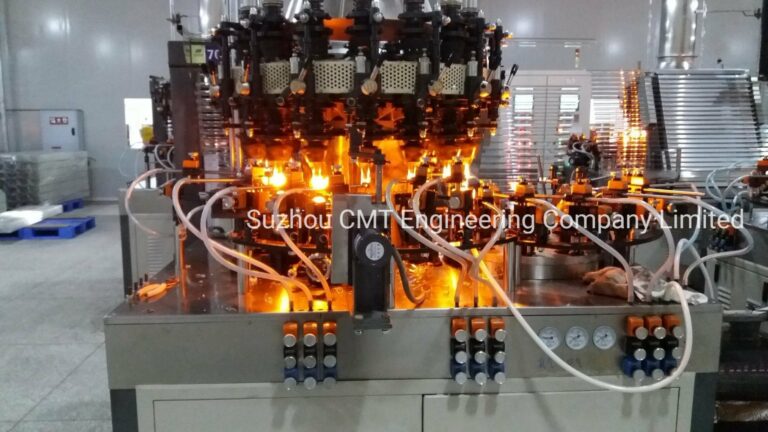
The next stage involves shaping the bottles through processes such as blow molding for plastics or glass forming for bottles. In plastic blow molding, preforms are heated uniformly and then expanded within a mold using compressed air to achieve the desired shape. For glass bottles, techniques include pressing or blowing into molds, with precise temperature control to prevent defects like cracking or distortion. Industry-standard machinery, such as automatic blow molding or glass-forming lines, ensures consistency and high throughput. B2B buyers should assess supplier equipment age and calibration records to gauge process stability.
Assembly and Component Integration
Once the bottles are formed, the assembly phase involves attaching functional components like spray nozzles, caps, and decorative elements. Components should be sourced from trusted vendors adhering to industry standards such as CE marking for safety and API specifications for compatibility with fragrances or chemicals. The assembly line employs automated or semi-automated systems to ensure tight tolerances, proper fit, and leak-proof sealing. For added security, suppliers should perform pre-assembly cleanliness checks, especially for fragrance applications, to prevent contamination.
Penyelesaian dan Pengemasan
The final manufacturing step involves surface finishing—such as polishing, printing, or labeling—and packaging for shipment. Surface treatments like acid polishing for glass bottles enhance clarity, while high-quality printing and labeling are critical for branding and regulatory compliance across different markets. Packaging materials must meet regional standards, including recyclability and safety regulations, particularly in Europe and the Middle East. Quality checks at this stage include visual inspections for surface defects, label adhesion tests, and leak tests to ensure product integrity during transit.
Quality Control Frameworks for Decant Bottles
Standar Internasional dan Sertifikasi Industri
For global B2B transactions, adherence to recognized standards is non-negotiable. ISO 9001 certification indicates a robust quality management system, emphasizing continuous improvement and customer satisfaction. Additional certifications such as CE marking (European conformity), API standards (for plastics used in chemical or fragrance packaging), and ASTM standards for material testing are critical depending on the destination market. Suppliers should provide valid certification documents and audit reports demonstrating compliance.
QC Checkpoints Throughout Manufacturing
-
IQC (Kontrol Kualitas Masuk):
Inspection of raw materials upon receipt is fundamental. Testing includes visual inspection for defects, dimensional verification with calibrated gauges, and material tests such as chemical composition analysis for glass (e.g., silica purity) or plastics (e.g., melt flow index). This ensures only compliant raw materials progress into production. -
IPQC (Kontrol Kualitas Dalam Proses):
During manufacturing, real-time monitoring guarantees process consistency. Techniques include dimensional checks, weight measurements, and functional tests such as leak detection and spray pattern verification. Automated in-line sensors and vision systems are often employed to detect anomalies instantly, reducing rework and waste. -
FQC (Kontrol Kualitas Akhir):
Before shipment, comprehensive inspection verifies that finished bottles meet all specifications. Visual inspections focus on surface finish, absence of cracks, uniformity of labels, and proper assembly. Leak tests, such as pressure decay or dye penetration, confirm sealing integrity. Functional tests for spray bottles include spray pattern and atomization efficiency.
Testing Methods and Equipment
- Pengujian Kebocoran:
Employ pressure decay or vacuum decay methods, often integrated into production lines, to detect micro-leaks.
- Pengujian Material:
Spectroscopic analysis (e.g., FTIR) confirms material composition. Mechanical tests—such as tensile strength or impact resistance—ensure durability.
- Kompatibilitas Bahan Kimia:
Simulate storage conditions with fragrance oils to verify no chemical interactions or degradation occurs over time.
How B2B Buyers Can Verify Supplier QC
Audits and Factory Inspections
Prospective buyers should conduct regular audits, either in person or via third-party inspection agencies, to verify manufacturing practices and QC procedures. Key areas include cleanliness, equipment calibration records, employee training, and documentation control. Audits help identify gaps in process control and ensure adherence to specified standards.
Review of Quality Reports and Certifications
Request detailed QC reports, test certificates, and compliance documentation for each batch. These should include test results, inspection logs, and calibration certificates. Cross-reference these reports with international standards and the specific regulatory requirements of the destination market.
Third-Party Inspection and Certification
Engaging independent inspection agencies (e.g., SGS, Bureau Veritas) provides unbiased verification of product quality before shipment. Such inspections include sample testing, visual assessment, and conformity verification according to buyer-specified standards. For regions like Africa, South America, the Middle East, and Europe, third-party audits are particularly valuable due to regional regulatory complexities and the need for transparent supply chains.
Supplier Qualification and Continuous Monitoring
Establish a supplier qualification process that includes initial audits, periodic re-evaluations, and performance reviews. Building long-term relationships with suppliers who demonstrate consistent quality performance reduces risk. Implementing a vendor scorecard system based on delivery, quality, and compliance metrics can facilitate ongoing supplier management.
Pertimbangan Khusus untuk Pembeli B2B Internasional
Regulatory Compliance and Regional Standards
Buyers from Europe, especially Italy, must ensure bottles comply with REACH (Registration, Evaluation, Authorization, and Restriction of Chemicals) and EU packaging directives. Middle Eastern buyers, such as those in Saudi Arabia, should verify conformity to Gulf Cooperation Council (GCC) standards. In Africa and South America, local customs and import regulations may demand specific certificates or testing reports, making third-party verification even more crucial.
Cultural and Market-Specific Quality Expectations
Market preferences influence quality parameters. European buyers often prioritize aesthetic perfection, eco-friendly packaging, and safety certifications. Middle Eastern markets may emphasize luxury branding, high-quality finishes, and leak-proof designs. Africa and South America are increasingly demanding reliable supply chains with consistent quality, especially in the premium segment.
Engagement of Local Inspection Partners
Establish relationships with trusted local inspection agencies or regional offices of global certification bodies. This facilitates smoother audits, faster compliance verification, and better understanding of regional regulatory nuances.
In summary, rigorous manufacturing controls combined with comprehensive quality assurance protocols are vital for B2B buyers seeking decant bottles in international markets. By understanding the key stages, adhering to global standards, and implementing effective supplier verification practices, buyers can mitigate risks, ensure product consistency, and build resilient supply chains tailored to regional market demands.
Video terkait: Proses pembuatan botol plastik - dijelaskan oleh UpSkul
Comprehensive Cost and Pricing Analysis for decant bottles Sourcing
Cost Structure Analysis for Decant Bottles
Understanding the comprehensive cost makeup of decant bottles is critical for international B2B buyers aiming to optimize procurement strategies. The primary cost components include raw materials, labor, manufacturing overheads, tooling, quality control, logistics, and profit margins.
Bahan: The predominant material cost is high-quality glass or PET plastics, with prices varying based on thickness, design complexity, and transparency requirements. Premium brands or custom-printed bottles command higher material costs, especially if specialty finishes or eco-friendly materials are involved. For luxury markets, packaging embellishments such as embossed logos or custom caps further inflate costs.
Tenaga Kerja dan Biaya Overhead Pabrik: Labor costs fluctuate significantly across regions—manufacturers in Europe or the Middle East tend to have higher wages but benefit from advanced automation, ensuring consistency. Conversely, suppliers in South America or Africa may offer competitive labor rates but require careful vetting for quality standards and compliance. Overheads include factory utilities, equipment depreciation, and compliance with regional safety and environmental standards.
Tooling and Setup Fees: For custom designs or high-volume orders, tooling costs—such as mold creation—can range from a few thousand to tens of thousands of USD, amortized over the order volume. This upfront expense makes bulk purchasing more cost-effective, especially for bespoke or branded decants.
Kontrol Kualitas (QC): Ensuring defect-free, leak-proof bottles involves rigorous QC processes, which can add 10-20% to the unit cost depending on supplier standards. Certifications such as ISO or GMP enhance trust but may increase costs further.
Logistik dan Incoterms: Shipping costs are influenced by order volume, destination country, and chosen incoterms. FOB (Free on Board) offers control over shipping but shifts logistics responsibility to the buyer, while DDP (Delivered Duty Paid) simplifies receiving but increases upfront costs. For Africa, South America, and Middle Eastern buyers, freight expenses can range from 10-30% of the product cost, especially for smaller volumes or urgent deliveries.
Margins: Suppliers typically add a markup of 20-40%, factoring in market demand, exclusivity, and complexity of customization. Buyers should negotiate to secure better margins, especially for large or repeat orders.
Price Influencers and Their Impact
Several factors influence decant bottle pricing, often requiring strategic negotiation and careful evaluation:
- Order Volume and MOQ: Larger volumes significantly reduce per-unit costs by spreading fixed costs like tooling and setup. Suppliers may offer tiered pricing, encouraging bulk purchases for better economies of scale.
- Kustomisasi dan Spesifikasi: Custom shapes, colors, logos, or unique finishes increase costs due to additional tooling, longer lead times, and specialized manufacturing processes.
- Material Choice: Opting for eco-friendly or premium materials elevates costs but can justify higher retail margins and appeal to environmentally conscious consumers.
- Certifications and Quality Standards: Certifications such as ISO, SGS, or REACH compliance add to costs but are often mandatory in European and Middle Eastern markets, ensuring product safety and traceability.
- Faktor Pemasok: Suppliers’ reputation, capacity, and geographical location influence pricing. Suppliers closer to the buyer’s market may offer reduced shipping costs and shorter lead times, but potentially at a premium.
- Incoterms and Delivery Terms: FOB tends to be more cost-effective for buyers with established logistics, while DDP simplifies customs and import procedures but often results in higher upfront costs.
Kiat Strategis untuk Pembeli B2B Internasional
- Negotiate for Volume Discounts: Leverage larger or repeat orders to secure better unit prices, especially when entering new markets like Africa or South America.
- Menilai Total Biaya Kepemilikan (TCO): Consider not only unit price but also shipping, customs, storage, and potential rework costs. For instance, sourcing from regions with lower manufacturing costs but higher logistics expenses may not be cost-effective overall.
- Prioritize Quality and Certification: While cheaper options may seem attractive, compromised quality can lead to increased QC costs, product returns, or brand damage—particularly crucial for luxury markets in Europe or the Middle East.
- Understand Pricing Nuances by Region: European suppliers often charge a premium for high-end finishes and certifications, whereas suppliers from emerging markets may offer more competitive rates but require stricter quality oversight.
- Leverage Incoterms: Choose shipping terms aligned with your logistical capabilities—FOB for control, DDP for convenience—balancing cost and risk.
Penafian: Price indications are approximate and vary widely depending on specifications, order size, supplier reputation, and regional economic factors. A typical price range for standard decant bottles can be from USD 0.20 to USD 1.00 per unit, with premium, customized, or luxury decants reaching higher prices.
In conclusion, strategic sourcing of decant bottles involves balancing material quality, customization, logistics, and supplier reliability. International buyers from Africa, South America, the Middle East, and Europe should adopt a comprehensive view—considering total landed costs and establishing strong supplier relationships—to ensure profitability and supply chain resilience.
Spotlight on Potential decant bottles Manufacturers and Suppliers
This section offers a look at a few manufacturers active in the ‘decant bottles’ market. This is a representative sample for illustrative purposes; B2B buyers must conduct their own extensive due diligence before any engagement. Information is synthesized from public sources and general industry knowledge.
Google (www.google.com)
The manufacturer known as Google operates as a prominent supplier within the global decant bottle industry, though specific corporate details are limited in publicly accessible sources. Recognized primarily for its extensive manufacturing capabilities, the company specializes in producing high-quality glass and plastic decant bottles suited for luxury fragrances, samples, and promotional applications. Their facilities are equipped with advanced CNC machining, precision molding, and strict quality control processes, ensuring compliance with international standards such as ISO 9001. With experience serving diverse markets—including Europe, the Middle East, Africa, and South America—they cater to B2B buyers seeking reliable, customizable packaging solutions. Their focus on innovation, durability, and compliance makes them a strategic partner for companies aiming to scale their decanting operations globally.
**
Perbandingan Cepat dari Produsen yang Diprofilkan
| Produsen | Ringkasan Fokus Singkat | Domain Situs Web |
|---|---|---|
| Global decant bottle manufacturer with quality certifications. | www.google.com |
Essential Technical Properties and Trade Terminology for decant bottles
Critical Technical Properties of Decant Bottles
1. Tingkat dan Komposisi Bahan
Decant bottles are typically manufactured from glass or high-grade plastics. The choice of material directly impacts product safety, durability, and compatibility with fragrances or liquids. For example, borosilicate glass offers excellent chemical resistance, temperature stability, and clarity, making it ideal for premium perfumes. B2B buyers must specify the required material grade to ensure product integrity, compliance with safety standards, and suitability for long-term storage.
2. Tolerance and Precision of Capacity
Capacity tolerance refers to the allowable deviation from the nominal volume (e.g., 5ml ± 0.1ml). Tight tolerances are crucial for consistent product distribution, especially in sampling or retail settings where precise dosing influences customer experience and regulatory compliance. Suppliers should provide detailed tolerance specifications, and buyers should prioritize those with high manufacturing precision to maintain quality control across large orders.
3. Closure and Leak-Proof Integrity
The sealing mechanism—such as screw caps, spray nozzles, or dropper fittings—must ensure airtight and leak-proof closure. This property is vital to prevent fragrance evaporation, contamination, and leakage during transit and handling. High-quality closures also support refillability and reusability, aligning with sustainability trends. Buyers should verify compatibility, material safety, and sealing standards to prevent product loss and maintain brand reputation.
4. Surface Finish and Aesthetic Quality
Surface properties, including smoothness, clarity, and absence of imperfections, influence both the visual appeal and functional performance of decant bottles. A pristine finish reduces the risk of micro-cracks or contamination points, which could compromise product quality. For luxury markets, aesthetic details like embossing or custom finishing add value, so specifications should include surface quality standards.
5. Reusability and Compatibility
Many B2B buyers prefer bottles designed for multiple refills or compatible with various closure systems. Compatibility ensures seamless integration into existing packaging lines and reduces logistical complexity. Suppliers should provide detailed specifications on the bottle’s neck design, threading, and material compatibility to facilitate efficient reconditioning and refill operations.
6. Regulatory Compliance and Safety Standards
Decant bottles must meet regional safety and environmental regulations, such as REACH in Europe or FDA standards in the U.S. Material safety data sheets (MSDS), VOC emissions, and recyclability certifications are essential. Buyers operating in regions like Europe or the Middle East should verify compliance documentation to avoid legal issues and facilitate smooth customs clearance.
Industry and Trade Terms for Decant Bottles
1. OEM (Produsen Peralatan Asli)
Refers to manufacturers producing bottles under a brand’s specifications or private label. OEM relationships allow B2B buyers to customize designs, materials, and branding elements, ensuring the decant bottles align with their product positioning and market requirements.
2. MOQ (Jumlah Pesanan Minimum)
The smallest number of units a supplier will accept for production or purchase. Understanding MOQ helps buyers plan inventory and negotiate pricing. For decant bottles, MOQs can vary widely based on customization level, material, and supplier capacity.
3. RFQ (Permintaan untuk Penawaran)
A formal process where buyers solicit detailed price, lead time, and specification proposals from suppliers. A clear RFQ ensures suppliers understand technical requirements such as capacity, material, and packaging standards, leading to accurate quotes and streamlined procurement.
4. Incoterms (Ketentuan Komersial Internasional)
Standardized trade terms published by ICC that define responsibilities, costs, and risks during international shipping. Common Incoterms like FOB (Free on Board) or CIF (Cost, Insurance, Freight) specify who bears costs and liabilities at each stage, facilitating clear contractual agreements and reducing disputes.
5. Waktu Pimpin
The period from order placement to delivery. For B2B buyers, especially in markets with rapid trend shifts, understanding lead times for custom or stock bottles is critical for planning product launches and inventory management.
6. Certification and Compliance Standards
Refers to official documentation verifying that bottles meet regional safety, environmental, and quality standards. Certifications such as ISO, REACH, or specific country approvals are vital for market entry, legal compliance, and consumer trust.
In Summary:
A thorough understanding of these technical properties and trade terms empowers B2B buyers from diverse regions to make informed, strategic sourcing decisions. Prioritizing material quality, precision, compliance, and clear communication ensures the procurement of decant bottles that meet both operational needs and market expectations, ultimately supporting brand reputation and customer satisfaction in the competitive fragrance industry.
Navigating Market Dynamics, Sourcing Trends, and Sustainability in the decant bottles Sector
Gambaran Umum Pasar & Tren Utama
The global decant bottles sector is experiencing significant growth driven by expanding consumer markets, evolving product personalization, and increasing demand for luxury and niche fragrances. Key drivers include rising disposable incomes, especially in emerging markets such as Africa and South America, and a surge in boutique and artisanal brands seeking flexible packaging solutions. The Middle East, notably Saudi Arabia, remains a prominent hub for high-end fragrance consumption, with consumers favoring premium presentation and exclusivity, fueling demand for sophisticated decanting options.
Technological advancements are reshaping sourcing and manufacturing processes. Innovations such as automated filling lines, high-precision decanting equipment, and digital quality control systems enable suppliers to meet international standards efficiently. The rise of e-commerce platforms and direct-to-consumer models encourages B2B buyers to source smaller, customizable decant bottles, facilitating rapid product launches and trend responsiveness. Additionally, regional sourcing hubs in Europe—particularly Italy and France—offer high-quality glassware and packaging materials, leveraging centuries of craftsmanship to meet premium standards.
Market dynamics are also influenced by regulatory shifts and consumer preferences. Increasingly, buyers from Africa, South America, and the Middle East are prioritizing sourcing from suppliers with transparent supply chains, certified quality, and sustainable practices. Cross-border logistics have become more streamlined, with innovations in supply chain management, such as blockchain traceability and real-time inventory tracking, reducing lead times and mitigating risks. As demand for eco-friendly and reusable packaging grows, B2B buyers are exploring recyclable materials and innovative designs that combine aesthetics with sustainability.
Overall, the decant bottles sector is poised for continued expansion, driven by a blend of technological innovation, regional market growth, and shifting consumer expectations for personalized, high-quality, and sustainable packaging solutions.
Keberlanjutan & Sumber Daya yang Beretika dalam B2B
Sustainability has become a critical factor in sourcing decant bottles, reflecting broader shifts within the cosmetics and fragrance industries. Environmental concerns about glass waste, carbon footprints, and resource depletion are prompting B2B buyers from regions like Africa, South America, and the Middle East to prioritize eco-friendly practices. Sourcing suppliers that utilize recycled glass, biodegradable plastics, or innovative biodegradable coatings enhances brand reputation and aligns with consumer demand for greener products.
Ethical sourcing extends beyond environmental impact to encompass supply chain transparency, fair labor practices, and social responsibility. Suppliers with certifications such as ISO 14001 (Environmental Management), Fair Trade, or B Corporation demonstrate commitment to responsible manufacturing. For buyers in regions with high regulatory oversight, such as Europe and parts of the Middle East, working with certified suppliers helps ensure compliance with strict regulations on materials, emissions, and labor standards.
The adoption of ‘green’ certifications and eco-labels signals product integrity and sustainability commitment to end consumers. Additionally, suppliers investing in sustainable packaging innovations—such as lightweight designs, refillable options, and minimalistic branding—offer B2B buyers opportunities to reduce environmental impact while maintaining premium aesthetics. Blockchain-based traceability systems are increasingly used to verify raw material origins, ensuring ethical sourcing from suppliers who adhere to responsible practices.
In sum, integrating sustainability into procurement strategies not only fulfills regulatory and consumer expectations but also creates competitive advantages. B2B buyers should prioritize partnerships with suppliers committed to environmental stewardship, transparent supply chains, and sustainable materials to future-proof their offerings and promote industry-wide ecological responsibility.
Evolusi/Sejarah Singkat
The decant bottle sector has evolved significantly over the past century, transitioning from simple glass containers to highly sophisticated, customizable packaging solutions. Originally used primarily for luxury fragrances, decanting has expanded into a versatile segment serving niche markets, boutique brands, and large-scale retailers seeking flexible, scalable packaging options. The shift towards smaller, personalized volumes aligns with the broader trend of product customization and experiential marketing within the fragrance industry.
Advances in manufacturing technology, such as precision glass molding and automated filling systems, have enhanced quality consistency and reduced costs, making decant bottles more accessible across diverse markets. Additionally, increasing consumer demand for sustainable and eco-friendly packaging has driven innovation in recyclable materials and refillable designs, reflecting a broader industry commitment to environmental responsibility.
Historically, regions like Europe—particularly Italy and France—have been at the forefront of glass craftsmanship, setting standards for luxury packaging. Meanwhile, emerging markets in Africa and South America are increasingly adopting these innovations, driven by local entrepreneurship and global supply chain integration. The integration of digital tools—such as 3D printing for prototypes and blockchain for supply chain transparency—marks the latest phase of evolution, empowering B2B buyers to source more responsibly and efficiently.
Understanding this evolution helps buyers appreciate the technological and aesthetic advancements that underpin current decant bottle offerings, enabling them to make informed procurement decisions aligned with market trends and consumer expectations.
Related Video: Trump unveils sweeping global tariffs in watershed moment for world trade | BBC News
Frequently Asked Questions (FAQs) for B2B Buyers of decant bottles
1. How can I verify the credibility and authenticity of decant bottle suppliers across different regions?
Ensuring supplier credibility is critical in international B2B transactions. Begin by requesting comprehensive company documentation, including business licenses, manufacturing certificates, and traceability records. Look for suppliers with established track records, positive client testimonials, and industry certifications such as ISO or GMP standards. Conduct virtual audits or request third-party inspection reports when possible. Additionally, verify their compliance with regional regulations, especially regarding packaging, labeling, and safety standards. Building relationships with reputable sourcing agents or industry networks can further mitigate risks and provide reliable supplier references across Africa, South America, the Middle East, and Europe.
2. What are the best practices for customizing decant bottles to meet regional branding and regulatory requirements?
Customization should align with both brand identity and regional compliance. Clearly communicate your design specifications, including logo placement, color schemes, and packaging style. Engage suppliers experienced in your target markets to understand local regulations—such as EU packaging directives, Middle Eastern labeling standards, or South American import laws. Consider eco-friendly materials and sustainable packaging to appeal to environmentally conscious consumers. Incorporate regional fragrance preferences or cultural elements into your branding. Establish clear approval processes, including prototypes and samples, before mass production to ensure the final product meets your specifications and regulatory standards.
3. What are typical MOQ, lead times, and payment terms for international decant bottle sourcing?
Minimum order quantities (MOQs) vary based on supplier capacity and product complexity but generally range from 500 to 10,000 units for standard decants. Lead times typically span 4–8 weeks, accounting for production, quality checks, and shipping logistics. Payment terms often include a deposit (30-50%) upfront, with the balance payable before shipment or upon receipt. Some suppliers may offer letters of credit or escrow services for added security. Negotiating flexible terms, especially for repeat orders, can optimize cash flow. Always clarify these parameters early to align with your supply chain planning and market launch timelines.
4. What quality assurance measures and certifications should I look for in decant bottle suppliers?
Reliable suppliers should adhere to strict QA protocols, including raw material testing, cleanliness standards, and consistent production processes. Seek suppliers with ISO 9001 certification, indicating quality management system compliance. For fragrance packaging, additional certifications such as CE marking or compliance with regional safety standards (e.g., FDA, REACH) are advantageous. Request detailed quality control reports, batch testing certificates, and proof of adherence to environmental and safety regulations. Suppliers with in-house laboratories or third-party testing arrangements demonstrate higher commitment to quality, reducing risks of defects, contamination, or regulatory non-compliance.
5. How can I manage logistics efficiently when importing decant bottles into regions with complex customs procedures?
Effective logistics management begins with choosing suppliers experienced in international shipping and familiar with your target region’s customs procedures. Use Incoterms (e.g., FOB, CIF) to clearly define responsibilities and costs. Collaborate with reputable freight forwarders or customs brokers who understand regional import regulations, tariffs, and documentation requirements. Ensure all paperwork—commercial invoices, packing lists, certificates of origin—is accurate and complete to avoid delays. Consider local warehousing options or distribution centers to streamline last-mile delivery. Regular tracking and proactive communication with logistics partners are vital for minimizing delays and controlling costs across Africa, South America, the Middle East, and Europe.
6. What are common dispute resolution mechanisms for international B2B transactions involving decant bottles?
Disputes can arise over quality, delivery timelines, or payment issues. To mitigate risks, include clear contractual clauses specifying jurisdiction, arbitration procedures, and applicable law—preferably in a neutral venue or aligned with your operational base. International arbitration bodies like ICC or LCIA are often preferred for their enforceability. Maintain detailed records of communication, inspection reports, and shipping documentation. Establish dispute resolution procedures upfront, including escalation steps and timelines. Engaging local legal counsel familiar with regional trade laws can provide additional support, ensuring swift resolution and minimizing operational disruptions.
7. How do regional market trends influence sourcing decisions for decant bottles?
Understanding regional preferences is crucial. In Africa and South America, markets often favor eco-friendly, innovative packaging that aligns with local culture and sustainability trends. The Middle East values luxury, premium presentation, and exclusivity, requiring high-end materials and custom branding. Europe emphasizes sustainability, regulatory compliance, and design aesthetics, demanding suppliers with certifications and eco-conscious practices. Tailoring product offerings based on these insights enhances market acceptance. Regularly monitor regional consumer trends, regulatory updates, and competitor strategies to adapt sourcing and product development accordingly, maintaining a competitive edge.
8. What are the key factors to consider when selecting a supplier for long-term partnerships in decant bottles?
Prioritize suppliers with proven reliability, consistent quality, and flexible capacity to scale with your business. Evaluate their communication responsiveness, transparency, and willingness to share detailed documentation and certifications. Consider their capacity for customization, innovation, and compliance with regional standards. Price competitiveness must be balanced with quality assurance; avoid overly low-cost options that compromise standards. Establish clear contractual terms, including lead times, quality benchmarks, and dispute resolution clauses. Building trust through regular audits, site visits, and open dialogue fosters a resilient partnership capable of adapting to market changes and sustaining long-term success.
Strategic Sourcing Conclusion and Outlook for decant bottles
Strategic Sourcing Outlook for Decant Bottles
Effective strategic sourcing remains pivotal for B2B buyers aiming to capitalize on the growing demand for decant bottles across diverse markets. Prioritizing high-quality raw materials, authentic packaging, and reliable suppliers ensures product integrity, compliance, and brand reputation. Given regional nuances—such as luxury preferences in the Middle East, emerging retail opportunities in Africa, or cost-effective sourcing in South America—tailored procurement strategies are essential.
Looking ahead, the evolving consumer landscape underscores the importance of innovation, sustainability, and traceability in sourcing practices. Market trends indicate a rising preference for natural ingredients, eco-friendly packaging, and personalized offerings, which should inform supplier selection and product development. Buyers from Africa, South America, the Middle East, and Europe are encouraged to foster resilient supply chains by establishing partnerships with trusted regional and global manufacturers, leveraging technology for transparency, and continuously monitoring market dynamics.
Now is the time to deepen sourcing expertise, embrace sustainable practices, and forge strategic alliances. Proactive, well-informed procurement decisions will position buyers to meet future demand, differentiate their offerings, and thrive in the competitive landscape of decant bottles.




 Indonesian
  English
  Russian
  Spanish
  Italian
  Thai
Thai  French
  Arabic
  Portuguese
  German