
Introduction: Navigating the Global Market for PP Cosmetic Jar Mono Material Cream Jar, Skincare Jar
Navigating the global market for PP cosmetic jar mono material cream jars and skincare jars presents unique challenges for international B2B buyers. Sourcing sustainable packaging solutions that align with both environmental goals and brand identity is paramount, especially in regions like Africa, South America, the Middle East, and Europe. This guide delves into the intricacies of selecting the right PP cosmetic jars, highlighting their eco-friendly properties, diverse applications, and customization options.
In this comprehensive resource, you will explore various types of mono-material jars, their advantages in the cosmetics sector, and practical applications tailored to your product lines. We will also discuss effective strategies for vetting suppliers, ensuring quality, and negotiating costs that meet your budgetary constraints. By providing actionable insights and detailed market analysis, this guide empowers you to make informed purchasing decisions, fostering confidence in your sourcing process.
Whether you’re a startup seeking innovative packaging solutions or an established brand looking to revamp your product presentation, understanding the dynamics of PP cosmetic jars is crucial. With a focus on sustainability, customization, and market trends, this guide equips you with the knowledge necessary to navigate the complexities of the global packaging landscape successfully.
Understanding PP Cosmetic Jar Mono Material Cream Jar, Skincare Jar Types and Variations
| Nama Jenis | Fitur Pembeda Utama | Aplikasi B2B Utama | Pro & Kontra Singkat untuk Pembeli |
|---|---|---|---|
| Standard PP Mono Material Cream Jar | Simple design, typically available in various sizes (50ml, 100ml, 200ml) | General skincare products | Kelebihan: Cost-effective, customizable colors and logos. Kekurangan: Limited premium appeal compared to glass options. |
| PCR PP Refillable Cream Jar | Made with post-consumer recycled materials, eco-friendly | Sustainable skincare brands | Kelebihan: Supports sustainability goals, reduces environmental impact. Kekurangan: May have higher upfront costs due to material sourcing. |
| Double-Walled PP Cream Jar | Insulated design for temperature-sensitive products | High-end creams and lotions | Kelebihan: Enhanced product preservation, premium look. Kekurangan: More complex design may increase production costs. |
| Airless Pump PP Jar | Prevents air exposure, extends product shelf life | Serums and sensitive formulations | Kelebihan: Maintains product integrity, reduces contamination risks. Kekurangan: Higher complexity may affect pricing. |
| Square PP Mono Material Cream Jar | Unique shape for branding differentiation | Niche skincare lines | Kelebihan: Stands out on shelves, offers branding opportunities. Kekurangan: May not be compatible with all filling lines. |
What Are the Key Characteristics of Standard PP Mono Material Cream Jars?
Standard PP Mono Material Cream Jars are designed for versatility and practicality, available in various capacities such as 50ml, 100ml, and 200ml. Their straightforward design allows for easy customization, making them suitable for a wide range of skincare products. B2B buyers often prefer these jars for their cost-effectiveness and the ability to align with brand aesthetics through color and logo customization. However, they may lack the premium feel that glass containers offer, which could be a consideration for brands targeting high-end markets.
How Do PCR PP Refillable Cream Jars Support Sustainability?
PCR PP Refillable Cream Jars are made from post-consumer recycled materials, appealing to eco-conscious brands aiming to reduce their carbon footprint. These jars are particularly suitable for businesses focused on sustainability, as they help promote a circular economy. While they support environmental goals, buyers should consider the potential for higher initial costs due to the sourcing of recycled materials. Nonetheless, the long-term benefits of sustainability can enhance brand loyalty and marketability.
What Makes Double-Walled PP Cream Jars Ideal for Premium Products?
Double-Walled PP Cream Jars feature an insulated design that protects temperature-sensitive formulations, making them ideal for high-end creams and lotions. This type of jar not only preserves product integrity but also offers a more luxurious appearance that can attract discerning consumers. B2B buyers should weigh the advantages of enhanced product preservation against the potential increase in production costs due to the more complex design.
Why Choose Airless Pump PP Jars for Sensitive Formulations?
Airless Pump PP Jars are specifically designed to prevent air exposure, significantly extending the shelf life of sensitive formulations such as serums. This feature is crucial for products containing active ingredients that could degrade when exposed to air. B2B buyers should consider the benefits of maintaining product integrity and reducing contamination risks, although the higher complexity of these jars may result in increased pricing.
How Can Square PP Mono Material Cream Jars Differentiate Your Brand?
Square PP Mono Material Cream Jars offer a unique shape that can enhance branding differentiation in a crowded market. Their distinctive design can attract attention on retail shelves, making them suitable for niche skincare lines looking to stand out. However, B2B buyers should assess compatibility with existing filling lines, as the unique shape may pose challenges during production.
Key Industrial Applications of PP Cosmetic Jar Mono Material Cream Jar, Skincare Jar
| Industri/Sektor | Specific Application of PP Cosmetic Jar Mono Material Cream Jar, Skincare Jar | Nilai/manfaat untuk bisnis | Pertimbangan Sumber Utama untuk Aplikasi ini |
|---|---|---|---|
| Produk Perawatan Pribadi | Kemasan untuk krim, losion, dan serum | Enhances brand perception through high-quality design | Customization options for colors and branding |
| Kosmetik | Containers for makeup products like foundations and moisturizers | Sustainable packaging aligns with eco-conscious consumers | Availability of PCR materials for sustainability |
| Obat-obatan | Packaging for topical ointments and skincare treatments | Ensures product integrity and safety for sensitive applications | Compliance with regulatory standards in different regions |
| Perdagangan elektronik | Shipping containers for skincare and cosmetic products | Lightweight and durable, reducing shipping costs | Bulk purchasing options and reliable delivery timelines |
| Spa dan Kesehatan | Refillable jars for spa products and treatments | Supports sustainable practices in wellness industries | Custom designs to match spa branding and aesthetics |
How is the PP Cosmetic Jar Mono Material Cream Jar Used in Personal Care Products?
In the personal care industry, the PP Cosmetic Jar Mono Material Cream Jar is primarily used for packaging creams, lotions, and serums. Its elegant design enhances the overall user experience, which is essential for brand loyalty. International buyers from regions like Africa and Europe often seek customization options to align the jar’s aesthetics with their brand identity. The jars’ lightweight nature also helps reduce shipping costs, making them an attractive option for businesses looking to optimize logistics.
What Are the Benefits of Using PP Cosmetic Jars in the Cosmetics Sector?
Cosmetic brands utilize PP Cosmetic Jars for foundations, moisturizers, and other makeup products due to their sustainable nature. The option to include Post-Consumer Recycled (PCR) materials appeals to eco-conscious consumers, enhancing brand reputation. Buyers from South America and the Middle East should consider the jar’s compatibility with various formulations, ensuring that it meets specific product requirements while maintaining safety and integrity.
How Do Pharmaceutical Companies Benefit from PP Cosmetic Jars?
Pharmaceutical companies often require reliable packaging for topical ointments and skincare treatments. The PP Cosmetic Jar ensures product integrity and safety, crucial for sensitive applications. Buyers in regions like Saudi Arabia and Vietnam must ensure that the jars comply with local regulatory standards, which may differ significantly across borders. Additionally, the jars can be customized for labeling, which is important for clear communication of product information.
Why Are E-commerce Businesses Choosing PP Cosmetic Jars?
E-commerce businesses are increasingly adopting PP Cosmetic Jars for skincare and cosmetic products due to their lightweight and durable nature. This reduces shipping costs and minimizes the risk of damage during transit. For international buyers, bulk purchasing options are critical to maintaining inventory levels while ensuring timely delivery. The jars’ customizable features also allow brands to present a cohesive look across their product lines, enhancing overall marketing efforts.
How Do Spas and Wellness Centers Use PP Cosmetic Jars?
Spas and wellness centers utilize refillable PP Cosmetic Jars for their products, promoting sustainable practices in the wellness industry. These jars not only provide an upscale look but also allow for easy refilling, encouraging clients to return for more products. Buyers from the Middle East and Europe often seek custom designs that align with their branding and aesthetics. This customization helps create a memorable experience for clients, reinforcing brand loyalty and repeat business.
3 Common User Pain Points for ‘PP Cosmetic Jar Mono Material Cream Jar, Skincare Jar’ & Their Solutions
Scenario 1: Sourcing Eco-Friendly Packaging Solutions
Masalahnya: B2B buyers are increasingly tasked with finding sustainable packaging options that align with their brand values and consumer expectations. However, many struggle to identify and source environmentally friendly packaging that meets regulatory standards and is cost-effective. The challenge is compounded by limited knowledge of materials, suppliers, and the implications of using various types of plastics.
Solusinya: Buyers should focus on sourcing PP cosmetic jars that are made from mono-materials and include recycled content (PCR). When engaging with suppliers, inquire specifically about the percentage of PCR used and how it impacts the jar’s recyclability. Additionally, request certifications or documentation that demonstrate compliance with environmental regulations. Establishing a relationship with suppliers who offer customization can also enhance brand identity while ensuring sustainability. Consider conducting a cost-benefit analysis to compare the long-term savings from using recyclable materials against initial costs. By prioritizing eco-friendly options, companies can not only enhance their sustainability profile but also meet the growing consumer demand for responsible packaging.
Scenario 2: Customization and Branding Challenges
Masalahnya: Many B2B buyers find themselves limited by the available options for cosmetic jars, which can hinder their branding efforts. A lack of customization in design, color, or labeling can prevent companies from effectively differentiating their products in a competitive market, leading to missed sales opportunities.
Solusinya: To overcome this challenge, buyers should prioritize suppliers that offer extensive customization options for PP cosmetic jars. When discussing needs with suppliers, be specific about the desired colors, shapes, and branding elements such as embossed logos or unique patterns. Request samples to evaluate how well the customization aligns with your brand image before committing to larger orders. Additionally, consider collaborating with suppliers who provide design assistance, as this can streamline the process and ensure that the final product meets both functional and aesthetic requirements. By leveraging customization capabilities, brands can create a distinctive market presence that resonates with their target audience.
Scenario 3: Ensuring Product Integrity and Safety
Masalahnya: Buyers often worry about the integrity and safety of the products housed in cosmetic jars, especially when it comes to preserving sensitive formulas. Concerns about contamination, leakage, and the impact of packaging materials on product quality can lead to hesitation in choosing the right packaging solutions.
Solusinya: To address these concerns, it’s vital to select PP cosmetic jars designed with safety features such as airtight seals and tamper-proof mechanisms. When sourcing jars, request detailed product specifications from suppliers that outline the materials used, especially if they are mono-materials. This ensures that the packaging is not only safe for the product but also does not interact negatively with the formulas inside. Additionally, conducting stability tests on samples can help confirm that the jars maintain product integrity over time. Engage suppliers who offer transparent testing data and quality assurance protocols. By focusing on these aspects, buyers can confidently choose jars that safeguard their products while reassuring customers of their commitment to quality and safety.
Strategic Material Selection Guide for PP Cosmetic Jar Mono Material Cream Jar, Skincare Jar
What Are the Key Materials for PP Cosmetic Jar Mono Material Cream Jar and Skincare Jar?
When selecting materials for PP cosmetic jars, particularly mono-material cream jars and skincare jars, it’s crucial to consider various properties, advantages, and limitations. Below, we analyze several common materials, focusing on their suitability for international B2B buyers, especially from regions like Africa, South America, the Middle East, and Europe.
How Does Polypropylene (PP) Perform in Cosmetic Packaging?
Polypropylene (PP) is a widely used material for cosmetic jars due to its excellent chemical resistance and durability. It can withstand a temperature range of -20°C to 120°C, making it suitable for various formulations, including creams and lotions. The material’s lightweight nature contributes to lower shipping costs, which is advantageous for international buyers.
Kelebihan: PP is affordable, has good impact resistance, and is recyclable, aligning with sustainability goals. Additionally, it can be produced in various colors and finishes, allowing for branding flexibility.
Kekurangan: While PP is durable, it may not be as resistant to UV light as other materials, potentially leading to product degradation over time. Moreover, the manufacturing process can become complex when incorporating PCR (Post-Consumer Recycled) materials.
Dampak pada Aplikasi: PP is compatible with a wide range of cosmetic formulations, but buyers should ensure that the specific formulation does not adversely affect the jar’s integrity.
What Are the Benefits of Using Post-Consumer Recycled (PCR) PP?
PCR PP is derived from recycled plastic and offers a sustainable alternative to virgin materials. It retains many properties of standard PP, including chemical resistance and durability, while significantly reducing the environmental footprint.
Kelebihan: The use of PCR PP enhances brand image by showcasing commitment to sustainability. It also meets increasing consumer demand for eco-friendly products, making it appealing in markets focused on environmental impact.
Kekurangan: The availability of high-quality PCR materials can be limited, and the cost may be higher than standard PP due to processing and quality control measures.
Dampak pada Aplikasi: PCR PP can be used effectively for various cosmetic products, but international buyers must verify compliance with local regulations regarding recycled materials.
How Does Polyethylene Terephthalate (PET) Compare to PP for Cosmetic Jars?
PET is another material option for cosmetic jars, known for its clarity and strength. It is often used in combination with PP to create hybrid packaging solutions.
Kelebihan: PET offers excellent moisture barrier properties, making it suitable for products sensitive to humidity. It is also highly recyclable and can be produced with a high degree of transparency.
Kekurangan: PET can be more expensive than PP, and its production process is more complex, which may lead to higher costs for international buyers.
Dampak pada Aplikasi: PET jars are particularly effective for high-end skincare products, but buyers should be aware of the specific recycling capabilities in their target markets.
What Are the Considerations for International Buyers Regarding Material Compliance?
International buyers must consider compliance with various standards such as ASTM, DIN, and JIS, which govern the safety and quality of packaging materials. Different regions may have specific regulations regarding the use of recycled materials, chemical safety, and environmental impact.
Kelebihan: Adhering to these standards can enhance product credibility and facilitate smoother market entry.
Kekurangan: Navigating compliance can be complex, requiring thorough research and potentially incurring additional costs for testing and certification.
Dampak pada Aplikasi: Buyers should prioritize materials that not only meet their product needs but also comply with local regulations to avoid legal issues and enhance marketability.
Summary Table of Material Selection for PP Cosmetic Jar Mono Material Cream Jar
| Bahan | Typical Use Case for PP Cosmetic Jar Mono Material Cream Jar, Skincare Jar | Keuntungan Utama | Kekurangan/Keterbatasan Utama | Biaya Relatif (Rendah/Sedang/Tinggi) |
|---|---|---|---|---|
| Polipropilena (PP) | General-purpose cream jars for various skincare products | Affordable, durable, and recyclable | Resistensi UV terbatas | Rendah |
| Post-Consumer Recycled PP | Eco-friendly skincare jars promoting sustainability | Reduces environmental impact | Biaya lebih tinggi dan ketersediaan terbatas | Sedang |
| Polietilen Tereftalat (PET) | High-end skincare jars requiring clarity and moisture resistance | Excellent moisture barrier | More expensive and complex manufacturing | Tinggi |
| Hybrid Materials (PP/PET) | Premium jars combining properties of both materials | Combines benefits of both materials | Higher production costs | Tinggi |
This strategic material selection guide aims to assist B2B buyers in making informed decisions regarding packaging materials for cosmetic jars, ensuring compliance with international standards while addressing sustainability and product performance.

A stock image related to PP Cosmetic Jar Mono Material Cream Jar, Skincare Jar.
In-depth Look: Manufacturing Processes and Quality Assurance for PP Cosmetic Jar Mono Material Cream Jar, Skincare Jar
What Are the Key Stages in the Manufacturing Process of PP Cosmetic Jars?
The manufacturing of PP (Polypropylene) Cosmetic Jar Mono Material Cream Jars involves several crucial stages that ensure the final product meets quality and aesthetic standards.
1. Persiapan Bahan
The first stage in the manufacturing process is material preparation, where high-quality polypropylene resin is sourced. This resin may also contain post-consumer recycled (PCR) material, ranging from 30% to 100%, depending on the customer’s sustainability requirements. The material is tested for its properties, such as viscosity and melting point, to ensure it meets specifications for forming and durability.
2. Teknik Pembentukan
The next step is forming, where the prepared polypropylene is heated and molded into the desired shape. Common forming techniques include injection molding and blow molding. Injection molding is particularly prevalent for creating precise designs with high dimensional accuracy, which is crucial for cosmetic jars that need to fit seamlessly with lids and other components.
During this process, advanced molds are used to ensure consistency in design and quality. Manufacturers often utilize Computer-Aided Design (CAD) software to create intricate designs that can be replicated with minimal variation.
3. Perakitan Komponen
After forming, the individual components, such as the jar body, lid, and spatula, are assembled. This stage may involve additional processes, such as ultrasonic welding or adhesive bonding, to ensure that the components are securely attached without compromising the jar’s integrity. The assembly process is crucial for ensuring that the jars are both functional and aesthetically pleasing.
4. Sentuhan Akhir
The final manufacturing stage involves finishing processes, which may include surface treatment, printing, and quality checks. Surface treatments can enhance the jar’s appearance, making it suitable for branding and marketing purposes. Additionally, custom color matching and logo printing can be performed at this stage to meet specific client requirements.
How is Quality Assurance Implemented in the Manufacturing of Cosmetic Jars?
Quality assurance (QA) is vital in the production of PP cosmetic jars, as it ensures compliance with both international and industry-specific standards.
Relevant International Standards for Cosmetic Jar Quality
Manufacturers often adhere to international quality standards such as ISO 9001, which focuses on quality management systems. This standard helps ensure that the production process is consistent and that the final products meet customer expectations. Industry-specific certifications such as CE and API may also be applicable, particularly for products intended for markets in Europe and the Middle East.
What Are the Quality Control Checkpoints in the Manufacturing Process?
Quality control (QC) is implemented at various checkpoints throughout the manufacturing process:
-
Kontrol Kualitas Masuk (IQC): This initial checkpoint involves inspecting the raw materials before they enter the production line. Material properties such as purity, color, and consistency are verified against specifications.
-
Kontrol Kualitas Dalam Proses (IPQC): During manufacturing, IPQC checks are performed at different stages to monitor the production process. This includes monitoring temperature and pressure during molding and ensuring that assembly processes are carried out correctly.
-
Kontrol Kualitas Akhir (FQC): Once production is complete, FQC involves a thorough inspection of the finished jars. This includes testing for structural integrity, weight, and any cosmetic defects.
What Testing Methods Are Commonly Used for PP Cosmetic Jars?
Common testing methods for quality assurance include:
-
Pengujian Fisik: This includes tests for tensile strength, impact resistance, and thermal stability to ensure the jars can withstand various conditions during storage and transportation.
-
Chemical Testing: Jars are tested for chemical compatibility with cosmetic products to ensure no harmful reactions occur, preserving product integrity.
-
Inspeksi Visual: A comprehensive visual check is performed to identify any defects in appearance, such as scratches or inconsistencies in color.
Bagaimana Pembeli B2B Dapat Memverifikasi Kontrol Kualitas Pemasok?
B2B buyers can take several steps to ensure that their suppliers maintain high-quality standards:
-
Audit Pemasok: Conducting regular audits of suppliers helps verify their adherence to quality standards. This can involve site visits to assess the manufacturing environment and processes.
-
Meminta Laporan Kualitas: Buyers should request detailed quality reports that outline the testing methods used, results of the inspections, and any certifications obtained.
-
Inspeksi Pihak Ketiga: Engaging third-party inspection agencies can provide an unbiased assessment of the manufacturing processes and the quality of the finished products.
Apa Saja Nuansa Kontrol Kualitas untuk Pembeli B2B Internasional?
For international B2B buyers, particularly from regions like Africa, South America, the Middle East, and Europe, understanding local regulations and compliance requirements is essential. This includes:
-
Understanding Import Regulations: Each country may have specific regulations regarding cosmetic packaging, which must be adhered to avoid import issues.
-
Cultural Sensitivities: Packaging design and labeling may need to be adapted to align with cultural preferences and language requirements in different regions.
-
Pertimbangan Keberlanjutan: With a growing focus on environmental sustainability, buyers should inquire about the availability of PCR materials and the supplier’s commitment to eco-friendly practices.
In summary, the manufacturing processes and quality assurance for PP cosmetic jars involve meticulous attention to detail at every stage, ensuring that the final product not only meets aesthetic standards but also adheres to rigorous quality requirements. B2B buyers are encouraged to engage actively with suppliers to verify compliance and ensure the quality of their packaging solutions.
Practical Sourcing Guide: A Step-by-Step Checklist for ‘PP Cosmetic Jar Mono Material Cream Jar, Skincare Jar’
To successfully procure PP Cosmetic Jar Mono Material Cream Jars, it’s essential to follow a structured approach. This guide provides a comprehensive checklist to help B2B buyers, particularly from diverse regions such as Africa, South America, the Middle East, and Europe, navigate the sourcing process effectively.
Langkah 1: Tentukan Spesifikasi Teknis Anda
Before reaching out to suppliers, outline the specific requirements for your cosmetic jars. Consider factors such as capacity (e.g., 50ml, 100ml), design features (like a spatula for hygiene), and material specifications (mono-material PP or PCR content). Clearly defined specifications will streamline communication with suppliers and ensure you receive suitable options.
Langkah 2: Penelitian Pemasok Potensial
Conduct thorough research to identify reputable suppliers who specialize in PP cosmetic jars. Look for companies with a strong market presence, positive reviews, and a solid track record of delivering quality products. Utilize platforms such as trade shows, industry websites, and B2B marketplaces to gather information about various manufacturers.
Langkah 3: Mengevaluasi Sertifikasi Pemasok
It’s crucial to verify that potential suppliers hold relevant certifications, such as ISO or GMP, which indicate compliance with international quality and safety standards. These certifications not only assure the quality of the products but also reflect the supplier’s commitment to sustainable practices, especially if they offer PCR materials in their products.
Langkah 4: Request Samples for Assessment
Before making a large order, request samples of the PP cosmetic jars from shortlisted suppliers. Assess the quality, design, and functionality of the jars to ensure they meet your brand’s standards. Testing samples will also provide insights into the supplier’s responsiveness and willingness to accommodate your specifications.
Langkah 5: Menegosiasikan Harga dan Ketentuan
Once you’ve selected a supplier based on quality and service, engage in negotiations regarding pricing, minimum order quantities (MOQs), and payment terms. It’s essential to establish a clear understanding of costs, as well as any potential discounts for bulk orders or long-term partnerships. Ensure that the terms are favorable and align with your budget and business needs.
Langkah 6: Assess Logistics and Shipping Options
Consider the logistics of transporting the jars from the supplier to your location. Discuss shipping methods, lead times, and potential import duties or taxes that may apply based on your region. Efficient logistics planning will help avoid delays and ensure timely delivery of your products.
Langkah 7: Finalize Your Order and Monitor Quality Control
After agreeing on terms, finalize your order while establishing a quality control process. Regular communication with the supplier during production can help address any issues that arise. Implementing a quality assurance protocol will ensure that the jars received meet your specifications and maintain the standards expected by your customers.
By following this step-by-step checklist, B2B buyers can effectively navigate the complexities of sourcing PP Cosmetic Jar Mono Material Cream Jars, ensuring a successful procurement process that aligns with their brand’s goals and sustainability initiatives.

A stock image related to PP Cosmetic Jar Mono Material Cream Jar, Skincare Jar.
Comprehensive Cost and Pricing Analysis for PP Cosmetic Jar Mono Material Cream Jar, Skincare Jar Sourcing
What Are the Key Cost Components for Sourcing PP Cosmetic Jars?
When sourcing PP Cosmetic Jar Mono Material Cream Jars, it’s essential to understand the various cost components that contribute to the final price. The primary cost elements include:
-
Bahan: The cost of polypropylene (PP) is a significant factor, especially if post-consumer recycled (PCR) materials are requested, which can range from 30% to 100% PCR content. Price fluctuations in raw materials can significantly impact overall costs.
-
Tenaga kerja: Labor costs vary depending on the region and the complexity of the manufacturing processes. Efficient labor management can help reduce production costs.
-
Biaya Overhead Pabrik: This includes costs related to utilities, equipment maintenance, and factory operations. A well-optimized production facility can enhance cost-efficiency.
-
Perkakas: Custom molds and tooling for specific designs can incur substantial initial costs. However, investing in high-quality tooling can lead to long-term savings by improving production efficiency.
-
Kontrol Kualitas (QC): Implementing robust QC processes ensures that products meet required specifications, which can prevent costly recalls and reworks.
-
Logistik: Shipping costs, including freight and insurance, can vary significantly based on distance and the chosen shipping method. Selecting the right Incoterms can help manage these costs effectively.
-
Margin: Suppliers generally add a profit margin to their costs, which varies based on their business model and competitive positioning.
How Do Price Influencers Impact the Cost of PP Cosmetic Jars?
Several factors can influence the pricing of PP Cosmetic Jars, including:
-
Volume / MOQ: Higher order volumes typically lead to lower per-unit costs. Buyers should negotiate minimum order quantities (MOQs) that suit their needs while maximizing cost efficiency.
-
Spesifikasi dan Kustomisasi: Unique designs, colors, and branding requirements can increase production costs. While customization adds value, it’s crucial to weigh these benefits against potential price increases.
-
Kualitas dan Sertifikasi Material: Jars made from high-quality, certified materials may command higher prices. Buyers should assess whether the added costs align with their brand values and customer expectations.
-
Faktor Pemasok: The supplier’s reputation, production capacity, and geographical location can influence pricing. Established suppliers may offer better reliability but could also charge a premium.
-
Incoterms: Understanding shipping terms can help buyers manage costs associated with transportation and customs duties. Choosing the right Incoterms can result in significant savings.
Apa Saja Tips Pembeli untuk Pengadaan yang Hemat Biaya?
International B2B buyers, particularly from regions like Africa, South America, the Middle East, and Europe, should consider the following tips for effective sourcing:
-
Negosiasi: Build strong relationships with suppliers and negotiate pricing based on volume commitments and long-term contracts. This can lead to better rates and terms.
-
Total Biaya Kepemilikan (TCO): Evaluate not just the purchase price but also the long-term costs associated with the product, including shipping, storage, and disposal. This holistic view can inform better purchasing decisions.
-
Nuansa Harga: Be aware of regional pricing variations and currency fluctuations. This is especially pertinent for international transactions where exchange rates can significantly affect costs.
-
Teliti Beberapa Pemasok: Don’t settle for the first quote. Comparing several suppliers can provide insights into market rates and help identify the most cost-effective options.
-
Tetap Terinformasi tentang Tren Pasar: Keep abreast of changes in raw material prices and industry trends, as these can impact both sourcing costs and pricing strategies.
By understanding the cost structure and pricing dynamics of PP Cosmetic Jar Mono Material Cream Jars, buyers can make informed decisions that enhance their sourcing strategy while ensuring product quality and sustainability.
Alternatives Analysis: Comparing PP Cosmetic Jar Mono Material Cream Jar, Skincare Jar With Other Solutions
In the competitive landscape of cosmetic packaging, businesses must evaluate various options to align with sustainability, performance, and cost-effectiveness. The PP Cosmetic Jar Mono Material Cream Jar stands out as a viable choice, but it is essential to compare it with other alternatives that can meet similar needs. Below, we present a detailed comparison of the PP Cosmetic Jar against two alternative solutions: Glass Cosmetic Jars and PET (Polyethylene Terephthalate) Jars.
| Aspek Perbandingan | PP Cosmetic Jar Mono Material Cream Jar, Skincare Jar | Glass Cosmetic Jar | PET Jar |
|---|---|---|---|
| Kinerja | Durable, lightweight, and fully recyclable. | Excellent barrier properties; heavy and breakable. | Good clarity, lightweight, and shatter-resistant. |
| Biaya | Generally lower manufacturing costs. | Higher production and shipping costs. | Moderate cost, often cheaper than glass. |
| Kemudahan Implementasi | Simple design with customizable options. | Requires careful handling and potentially more complex production. | Easy to mold with high customization potential. |
| Pemeliharaan | Low maintenance; recyclable without specialized processes. | Requires careful cleaning and handling. | Minimal maintenance; easily recyclable. |
| Kasus Penggunaan Terbaik | Ideal for brands focused on sustainability and lightweight packaging. | Best for luxury or high-end products needing a premium feel. | Suitable for high-volume production with cost sensitivity. |
What Are the Pros and Cons of Glass Cosmetic Jars?
Glass jars are often considered the premium choice for cosmetic packaging due to their aesthetic appeal and excellent barrier properties, which protect contents from air and moisture. However, they come with notable drawbacks. The primary advantage is their ability to convey a luxury feel, making them ideal for high-end products. They are also fully recyclable, aligning with sustainability goals. On the downside, glass jars are heavier and more fragile than their plastic counterparts, which can lead to higher shipping costs and potential breakage during transport. Additionally, the production process is typically more complex and costly, which may not suit all brands, especially those targeting price-sensitive markets.
How Do PET Jars Compare in Terms of Functionality?
PET jars present a compelling alternative in the cosmetic packaging arena, especially for brands focusing on practicality and cost-effectiveness. They are lightweight, shatter-resistant, and offer good clarity, allowing consumers to see the product inside. PET is also highly recyclable, making it a sustainable option when sourced responsibly. However, the barrier properties of PET are not as strong as glass, which may affect product longevity, especially for sensitive formulations. Additionally, while PET jars are generally cheaper than glass, they can still be more expensive than PP jars depending on the design and customization options.
Bagaimana Pembeli B2B Dapat Memilih Solusi Pengemasan yang Tepat?
When selecting the ideal packaging solution, B2B buyers should assess their specific product requirements, target market, and brand positioning. If sustainability and lightweight packaging are priorities, the PP Cosmetic Jar Mono Material Cream Jar is a strong contender due to its recyclable nature and lower production costs. Conversely, brands aiming for a luxury image may find that glass jars align better with their market strategy, despite the higher costs. PET jars offer a balanced option for those needing a practical, cost-effective solution that still maintains a degree of aesthetic appeal. Ultimately, understanding the nuances of each packaging type will empower buyers to make informed decisions that align with their operational goals and brand identity.
Essential Technical Properties and Trade Terminology for PP Cosmetic Jar Mono Material Cream Jar, Skincare Jar
What Are the Key Technical Properties of PP Cosmetic Jars?
When selecting a PP (Polypropylene) cosmetic jar for skincare products, understanding the technical properties is crucial for ensuring product quality and meeting market demands. Here are some essential specifications:
-
Kelas Bahan
The quality of the polypropylene used can significantly impact the jar’s durability and recyclability. High-grade PP is resistant to impact, heat, and chemicals, making it ideal for preserving sensitive formulations. B2B buyers should prioritize jars made from virgin or high-quality post-consumer recycled (PCR) materials to enhance product integrity and sustainability. -
Kapasitas
The capacity, often measured in milliliters (ml), indicates how much product the jar can hold. Common capacities for cosmetic jars range from 15ml to 200ml. Understanding capacity helps brands align their packaging with product offerings and consumer preferences, influencing purchase decisions. -
Toleransi
This refers to the allowable variation in dimensions, such as height and diameter. For example, a jar may have a tolerance of ±0.5mm. Accurate tolerances are essential for ensuring that lids fit securely and that the jars are compatible with filling machinery. This precision is critical for maintaining quality control in production. -
Dapat didaur ulang
With increasing consumer demand for sustainable packaging, the recyclability of materials has become a significant property. Mono-material jars made entirely of PP can be easily recycled, reducing environmental impact. B2B buyers should consider this factor to enhance brand reputation and meet regulatory requirements in various markets. -
Opsi Kustomisasi
The ability to customize color, logo, and design elements is vital for brand differentiation. Many manufacturers offer options for private labeling and custom molds, allowing brands to create a unique identity in a crowded market. -
Closure Mechanism
The type of closure—screw cap, snap-on lid, or airless pump—affects usability and product preservation. An effective closure mechanism prevents contamination and product degradation, which is crucial for skincare items.
What Are Common Trade Terms Related to PP Cosmetic Jars?
Understanding industry jargon is essential for effective communication and negotiation in B2B transactions. Here are some key terms:
-
OEM (Produsen Peralatan Asli)
OEM refers to a company that produces parts or products that are then sold under another brand’s name. For cosmetic jars, this means brands can work with manufacturers to create customized packaging solutions without investing in their production facilities. -
MOQ (Jumlah Pesanan Minimum)
MOQ is the smallest quantity of a product that a supplier is willing to sell. Knowing the MOQ is crucial for brands to plan their inventory and budget effectively. Lower MOQs can be beneficial for startups or brands testing new products. -
RFQ (Permintaan Penawaran)
An RFQ is a document sent to suppliers requesting pricing and terms for specific products. It allows buyers to compare offers from different manufacturers, facilitating informed purchasing decisions. -
Incoterms (Ketentuan Komersial Internasional)
These are standardized trade terms that define the responsibilities of buyers and sellers in international shipping. Common Incoterms include FOB (Free On Board) and CIF (Cost, Insurance, and Freight). Understanding these terms helps mitigate risks associated with shipping and delivery. -
PCR (Post-Consumer Recycled) Material
This term refers to materials that have been recycled after consumer use. Using PCR materials in cosmetic jars not only supports sustainability but also appeals to environmentally conscious consumers. -
Sertifikasi Keberlanjutan
Certifications like FSC (Forest Stewardship Council) or ISO standards can enhance a product’s marketability. These certifications indicate that the packaging meets specific environmental or quality standards, providing reassurance to B2B buyers about the product’s sustainability.
By grasping these technical properties and trade terminologies, international B2B buyers can make informed decisions that align with both their operational needs and market trends.
Navigating Market Dynamics and Sourcing Trends in the PP Cosmetic Jar Mono Material Cream Jar, Skincare Jar Sector
What Are the Current Market Dynamics and Key Trends Affecting the PP Cosmetic Jar Sector?
The global market for PP cosmetic jars, particularly mono-material cream jars and skincare jars, is experiencing significant transformation driven by evolving consumer preferences and regulatory pressures. One of the primary market drivers is the increasing demand for sustainable packaging solutions, particularly in regions like Europe, Africa, and South America. Consumers are now more inclined to choose brands that demonstrate a commitment to environmental responsibility, thus influencing B2B buyers to prioritize suppliers offering eco-friendly products.
Emerging technologies are reshaping sourcing trends, with innovations in manufacturing processes and materials leading the way. For instance, the integration of Post-Consumer Recycled (PCR) materials into PP cosmetic jars not only enhances sustainability but also opens avenues for brands to market their products as environmentally friendly. Additionally, advancements in customization technologies allow for tailored branding solutions, which are increasingly important for differentiation in competitive markets.
International B2B buyers, especially from regions such as the Middle East and Southeast Asia, are also leveraging digital platforms for sourcing. These platforms facilitate access to a broader range of suppliers, enabling buyers to compare options in terms of price, quality, and sustainability features effectively. As a result, the market dynamics are shifting towards transparency and efficiency in the procurement process, essential for maintaining competitiveness in the global landscape.
How Is Sustainability and Ethical Sourcing Shaping the PP Cosmetic Jar Market?
Sustainability is not just a trend; it has become a critical factor in the decision-making processes of B2B buyers in the cosmetic packaging sector. The environmental impact of plastic waste has prompted stakeholders to seek solutions that minimize ecological footprints. Mono-material PP jars are gaining traction as they simplify recycling processes, making it easier for consumers to dispose of them responsibly.
Ethical sourcing is equally important, as buyers are increasingly scrutinizing their supply chains for sustainability credentials. Companies that provide certifications for green materials or adhere to ethical labor practices are more likely to attract business from conscientious brands. The demand for transparency in sourcing is driving suppliers to adopt more sustainable practices, such as using 30%-100% PCR materials in their products. This not only reduces the reliance on virgin plastics but also supports circular economy initiatives.
Furthermore, B2B buyers are looking for partners who can demonstrate their commitment to sustainability through certifications like ISO 14001 or participation in initiatives such as the Global Recycled Standard. These certifications reassure brands that their packaging solutions are environmentally responsible, aligning with both consumer expectations and regulatory requirements.
What Is the Brief Evolution and History of PP Cosmetic Jars?
The evolution of PP cosmetic jars has been closely tied to advancements in material science and changing consumer attitudes toward packaging. Initially dominated by glass and metal containers, the cosmetic packaging industry began to shift toward plastic solutions in the late 20th century due to their lightweight, shatterproof nature, and cost-effectiveness. Polypropylene (PP) emerged as a popular choice due to its durability and versatility.
In the early 2000s, as environmental concerns became more prominent, manufacturers began exploring sustainable alternatives, leading to the development of mono-material jars that facilitate easier recycling. The introduction of PCR materials further accelerated this trend, allowing brands to cater to eco-conscious consumers. Today, PP cosmetic jars are not only functional but also customizable, reflecting the brand identity and values of the companies that use them. This evolution reflects a broader industry shift towards sustainability and ethical practices, responding to the demands of an increasingly aware consumer base.
Frequently Asked Questions (FAQs) for B2B Buyers of PP Cosmetic Jar Mono Material Cream Jar, Skincare Jar
-
1. How do I choose the right PP Cosmetic Jar for my skincare line?
Choosing the right PP cosmetic jar involves considering several factors. First, assess the jar’s capacity, which typically ranges from 15ml to 200ml, depending on your product’s needs. Next, evaluate the design and functionality, such as whether it includes a spatula for hygienic application. Additionally, consider the jar’s sustainability features, such as the use of post-consumer recycled (PCR) materials. Finally, ensure that the jar can be customized to align with your brand identity, including color and logo options. -
2. What customization options are available for PP cosmetic jars?
Most suppliers offer extensive customization options for PP cosmetic jars. You can typically customize the color, finish, and logo to match your brand’s aesthetic. Additionally, some manufacturers allow you to modify the jar’s shape or size and include features like embossing or printing. It’s essential to discuss your specific requirements with the supplier early in the process to ensure they can meet your needs and deliver a product that aligns with your brand vision. -
3. What are the minimum order quantities (MOQs) for PP cosmetic jars?
Minimum order quantities for PP cosmetic jars can vary significantly by supplier and product type. Generally, MOQs range from 10,000 pieces for standard items, but lower quantities may be available for custom orders or specific designs. It’s advisable to inquire directly with the supplier to understand their MOQ policies, especially if you’re a small business or testing a new product line. Negotiating MOQs may also be possible based on your long-term purchasing plans. -
4. What payment terms should I expect when sourcing PP cosmetic jars internationally?
Payment terms for international purchases of PP cosmetic jars typically vary by supplier and region. Common practices include a 30% deposit upfront, with the remaining balance due before shipment. Some suppliers may offer net 30 or net 60 payment terms, especially for established clients. It’s crucial to discuss and agree on payment terms upfront to avoid misunderstandings and ensure a smooth transaction process. -
5. How can I verify the quality of PP cosmetic jars before placing a large order?
To verify the quality of PP cosmetic jars, request samples from potential suppliers. This allows you to assess the jar’s material, design, and functionality firsthand. Additionally, consider asking for certifications related to quality standards, such as ISO or GMP. Conducting a factory audit can also provide insights into the manufacturing process and quality control measures. Lastly, reviewing customer testimonials or case studies can help gauge the supplier’s reliability and product quality. -
6. What logistics considerations should I keep in mind when importing cosmetic jars?
When importing cosmetic jars, consider shipping methods, lead times, and customs regulations specific to your country. Choose between air or sea freight based on budget and urgency, keeping in mind that sea freight is usually more cost-effective for larger shipments. Additionally, familiarize yourself with any import tariffs or taxes that may apply. Working with a reliable freight forwarder can streamline the process and help ensure compliance with local regulations. -
7. How do I ensure sustainable practices when sourcing PP cosmetic jars?
To ensure sustainability, look for suppliers that offer jars made from mono-materials and post-consumer recycled (PCR) plastics. Inquire about the supplier’s manufacturing processes and their commitment to environmentally friendly practices, such as reducing waste and energy consumption. Additionally, you may want to choose jars that are fully recyclable and free from harmful additives. Establishing a partnership with a supplier dedicated to sustainability can enhance your brand’s eco-friendly reputation. -
8. What are the common uses for PP cosmetic jars in the skincare industry?
PP cosmetic jars are versatile and commonly used for a range of skincare products, including creams, lotions, and balms. Their durable material ensures that formulations remain stable and protected from contamination. Additionally, the jars can be designed for specific applications, such as airless dispensing or refillable options, enhancing user convenience. This adaptability makes PP jars a popular choice among skincare brands looking to offer premium packaging solutions.
Penafian Penting & Ketentuan Penggunaan
⚠️ Penafian Penting
Informasi yang diberikan dalam panduan ini, termasuk konten mengenai produsen, spesifikasi teknis, dan analisis pasar, hanya untuk tujuan informasi dan pendidikan. Panduan ini bukan merupakan nasihat pengadaan profesional, nasihat keuangan, atau nasihat hukum.
Meskipun kami telah melakukan segala upaya untuk memastikan keakuratan dan ketepatan waktu informasi, kami tidak bertanggung jawab atas kesalahan, kelalaian, atau informasi yang sudah ketinggalan zaman. Kondisi pasar, detail perusahaan, dan standar teknis dapat berubah sewaktu-waktu.
Pembeli B2B harus melakukan uji tuntas independen dan menyeluruh mereka sendiri sebelum membuat keputusan pembelian. Hal ini termasuk menghubungi pemasok secara langsung, memverifikasi sertifikasi, meminta sampel, dan mencari konsultasi profesional. Risiko mengandalkan informasi apa pun dalam panduan ini ditanggung sepenuhnya oleh pembaca.
Top 6 Pp Cosmetic Jar Mono Material Cream Jar, Skincare Jar Manufacturers & Suppliers List
1. Cosmetic Packaging – Pure 50 ML PP Airless Jar
Domain: cosmeticpackagingnow.com
Terdaftar: 2017 (8 tahun)
Pendahuluan: {“Product Name”: “Pure 50 ML PP Airless Jar with White Cap”, “Price”: “$2.00 USD”, “Stock”: “8,189 in stock”, “Capacity”: “50 ML (1.7 OZ)”, “Material”: “PP (Polypropylene)”, “Color”: “Glossy White”, “Dimensions”: “63.3 MM X 51 MM”, “Features”: [“Fully Recyclable”, “No Metal Airless Dispensing Pump”, “Metal Free Packing”], “Best For”: [“Cream”, “Lotion”, “Moisturizer”, “Gel”, “Sanitizer”], “SKU”: “…
2. GIDEAPAC – PP Cosmetic Jar Mono Material Cream Jar

Domain: gideapac.com
Terdaftar: 2023 (2 tahun)
Pendahuluan: {“Product Name”: “PP Cosmetic Jar Mono Material Cream Jar”, “Item No.”: “G1350”, “Material”: “PP (30%-100% PCR)”, “Capacity”: “100g”, “Height”: “62mm”, “Diameter”: “77.50mm”, “Features”: [“Multi-functional design”, “Includes spatula to avoid hand contact with formula”, “All parts made from PP for improved recycling”, “Customizable color and logo available”], “Sustainability Options”: [“30%-100% Po…
3. UAPKG – Skincare Jar with Spatula

Domain: uapkg.com
Terdaftar: 2009 (16 tahun)
Pendahuluan: {‘model’: ‘PP-1439-100’, ‘product_name’: ‘Skincare Jar with Spatula’, ‘volume_ml’: 100, ‘material’: ‘PP’, ‘dimensions_mm’: ‘51.14*72.8*72.8’}
4. Nest Filler – Key Products
Domain: nest-filler.com
Terdaftar: 2002 (23 tahun)
Pendahuluan: Key Product Details: 1. Product Types: Airless Dispenser, Spray, Screw Bottle, Cream Jar, Dropper, Tube, Tottle, Compact Powder Jar, Pallet, Lip Gloss, Mascara, Eye Liner, Click Pen, etc. 2. Categories: New Products, Skin Care PKG, Make Up PKG, etc. 3. Materials: Plastic, Glass, Metal, Paper, PCR. 4. Structure: Single wall, Double wall, 2 in 1. 5. Capacities: Ranges from 5 ml to 500 ml. 6. Example…
5. Ample Packaging – Square Plastic Jar
Domain: amplepackaging.com
Terdaftar: 2021 (4 tahun)
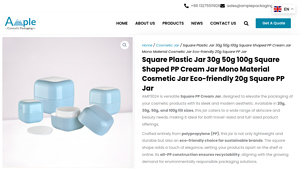
Pendahuluan: {“Product Name”:”Square Plastic Jar”,”Item Number”:”AMP3024″,”Volume Options”:[“20g”,”30g”,”50g”,”100g”],”Material”:”100% polypropylene (PP)”,”Sealing Type”:”Screw Cap”,”Customization”:”Color and printing options available”,”Design”:”Elegant square shape, lightweight and durable”,”Applications”:[“Facial creams”,”Lotions”,”Balms”,”Skincare products”],”Dimensions”:{“20g”:{“Width”:”46mm”,”Height”:”40…
6. Instagram – Scraping Services

Domain: instagram.com
Terdaftar: 2004 (21 tahun)
Pendahuluan: Contact for scraping Instagram services, inquire about the number of pages to scrape per month.
Strategic Sourcing Conclusion and Outlook for PP Cosmetic Jar Mono Material Cream Jar, Skincare Jar
In summary, the strategic sourcing of PP Cosmetic Jar Mono Material Cream Jars represents a pivotal opportunity for international B2B buyers aiming to enhance their product offerings while aligning with sustainability goals. The adoption of mono-material packaging not only simplifies recycling processes but also enables brands to meet the increasing consumer demand for eco-friendly products. By considering customizable options and the availability of post-consumer recycled (PCR) materials, businesses can enhance brand identity and appeal to environmentally-conscious consumers.
As the global market continues to evolve, particularly in regions like Africa, South America, the Middle East, and Europe, it is essential for buyers to remain agile and informed. Investing in innovative packaging solutions can significantly differentiate brands in competitive markets. Therefore, leveraging strategic sourcing practices will not only drive operational efficiency but also foster stronger supplier partnerships.
Looking ahead, we encourage international buyers to explore collaborative opportunities with packaging suppliers to create unique, sustainable, and market-responsive solutions. Embrace the future of cosmetic packaging by prioritizing sustainability and innovation in your sourcing strategies. Together, we can shape a more sustainable beauty industry.




 Indonesian
  English
  Russian
  Spanish
  Italian
  Thai
Thai  French
  Arabic
  Portuguese
  German