
Introduction: Navigating the Global Market for wholesale cosmetics bottles
Wholesale cosmetics bottles have emerged as essential components in the global beauty and personal care industry, far surpassing their traditional role as mere containers. For B2B buyers from regions as diverse as Africa, South America, the Middle East, and Europe, the choice of cosmetic bottles can directly influence product integrity, brand image, regulatory compliance, and overall market success. Whether safeguarding sensitive formulations in demanding climates or navigating the complexities of regional import standards, the right packaging solution is pivotal.
Today’s marketplace is shaped by accelerating consumer expectations for quality, sustainability, and aesthetic innovation—pressures that are particularly acute for buyers managing international supply chains and trade dynamics. Selecting wholesale cosmetic bottles involves balancing diverse factors: from material selection that withstands local environmental conditions, to compliance with evolving regulatory frameworks and sustainability mandates. Moreover, robust supplier relationships, effective cost management, and rigorous quality control mechanisms are critical to mitigate risks and ensure product consistency across borders.
This guide delivers a strategic, actionable roadmap for international B2B buyers determined to optimize their sourcing processes. Key topics include:
- Comprehensive overview of cosmetic bottle types and materials—examining advantages and suitability across plastic, glass, aluminum, and advanced eco-friendly options.
- Manufacturing processes and quality assurance—practical insights on evaluating production standards, certifications, and supplier reliability.
- Supplier identification and cost optimization—approaches for vetting partners, negotiating contracts, and minimizing landed costs.
- Market trends, regional nuances, and FAQs—up-to-date analysis on sustainability, design trends, and common buyer concerns.
By leveraging sector-specific intelligence and proven sourcing strategies, buyers can make confident, future-ready decisions—positioning their organizations to thrive in the competitive and rapidly-evolving global market for wholesale cosmetics bottles.
Understanding wholesale cosmetics bottles Types and Variations
| Nom du type | Principales caractéristiques | Applications primaires B2B | Avantages et inconvénients pour les acheteurs |
|---|---|---|---|
| Flacon compte-gouttes en verre | Precision dropper, airtight seal, transparent/frosted glass options | Serums, facial oils, essential oils | Premium look, protects sensitive formulas; higher cost and fragility require careful logistics |
| Plastic Pump Bottle | Pump dispenser, range of plastics (PET, PP, PCR), customizable design | Lotions, shampoos, hand sanitizers | Cost-effective, easy dispensing, scalable; recyclability varies with plastic type |
| Airless Bottle | Internal piston, no dip tube, minimal air contact, sleek silhouette | Anti-aging, creams, vitamin C, sensitive products | Extends shelf-life, reduces contamination; costlier and design limitations |
| Bouteille en aluminium | Lightweight, corrosion-resistant, fully recyclable, robust for export | Toners, sprays, travel-sized products | Durable and eco-friendly; risk of denting and limited high-end branding appeal |
| Roll-On Bottle | Built-in applicator ball, compact form, leak-resistant | Deodorants, eye serums, spot treatments | Controlled application, portable; best for low-viscosity and small-volume use |
Flacon compte-gouttes en verre
Glass dropper bottles are the gold standard for housing concentrated and premium formulations. Their chemically inert nature ensures sensitive cosmetics are uncompromised by packaging, which is critical for oils and actives prone to oxidation. For B2B buyers exporting to climates with high heat or humidity—such as West Africa or the Middle East—glass provides reliable product protection. However, its breakability demands robust packaging and increases logistics costs. Buyers should conduct thorough risk assessments of shipping channels and consider negotiating with suppliers for impact-resistant or tempered glass options to minimize loss and ensure consistent supply.
Plastic Pump Bottle
Plastic pump bottles are the backbone of mass-market cosmetics packaging. Their affordability, durability, and wide material options (PET, PP, increasingly PCR for sustainability mandates) offer scalability for high-volume products. For B2B distributors targeting diverse markets, flexibility in sizing and customization enhances brand positioning. However, evolving regulations—especially in Europe and environmentally conscious regions of Latin America—mean buyers must scrutinize plastic grades and verify certifications for recyclability, food-grade quality, and BPA-free assurance. Long-term supplier partnerships with a proven record on sustainable plastics help maintain compliance and trade continuity.
Airless Bottle
Airless bottles feature a one-way piston system that dispenses product without air ingress, making them ideal for formulas sensitive to breakdown from oxidation or contamination, such as anti-aging gels or vitamin C emulsions. For buyers managing long shipping times or unpredictable storage conditions (notably in African or South American markets), airless solutions add shelf-life and support premium product claims. These bottles, while costlier, can differentiate a brand in highly competitive segments. B2B purchasers should balance budget and brand positioning, and engage suppliers able to customize piston tolerances or closure systems for regional climate adaptation.
Bouteille en aluminium
Aluminum bottles offer lightweight strength, corrosion resistance, and a fully recyclable profile—traits increasingly attractive as sustainability becomes central to brand value in Europe, the Middle East, and eco-aware markets. Their robustness is particularly suited for travel products and situations where plastic is restricted. However, dents and surface imperfections during transit can be an issue, and premium branding may sometimes be constrained by aluminum’s industrial aesthetic. For export-focused B2B buyers, sourcing suppliers with advanced coating and finishing capabilities helps maintain product integrity and shelf appeal across distant destinations.
Roll-On Bottle
Roll-on bottles incorporate a built-in applicator ball that delivers formulations with precision, making them indispensable for targeted treatments and on-the-go products like deodorants and eye serums. These bottles minimize waste and enable controlled, hygienic dosing—attributes favored in European and Middle Eastern consumer markets. Limitations include suitability mostly for low-viscosity liquids and smaller volumes, so buyers must match bottle selection to product consistency and usage frequency. Collaborating closely with suppliers to ensure leakproof designs and sourcing BPA-free plastics or glass further strengthens market competitiveness.
Related Video: Wholesale Eco Friendly Round Cosmetic Jars With Lids
Key Industrial Applications of wholesale cosmetics bottles
| Industrie/secteur | Specific Application of wholesale cosmetics bottles | Valeur/bénéfice pour l'entreprise | Principales considérations en matière d'approvisionnement pour cette application |
|---|---|---|---|
| Soins personnels et beauté | Packaging for skincare serums, lotions, oils, and creams | Preserves product integrity, reinforces brand image, ensures product stability | Material compatibility, regulatory compliance, durability in transit |
| Santé et bien-être | Essential oil bottling, aromatherapy blends, nutraceutical packaging | Protects sensitive contents, extends shelf life, enables precise dosing | Air-tightness, UV protection, dosage control, global labelling standards |
| L'hospitalité | Guest amenities (shampoos, conditioners, body wash) | Enhances guest experience, supports bulk procurement, enables custom branding | Tamper-evident design, refillability, regional supply reliability |
| Fabrication en sous-traitance | Private label/white-label filling for brand clients | Streamlines production scale, supports diverse formulations, efficient fulfillment | Flexibility in volume & design, lead times, fulfillment logistics |
| Produits pharmaceutiques | Topical medicinal packaging (creams, antiseptics, therapeutic gels) | Ensures dosage accuracy, protects pharmaceuticals, meets hygiene standards | Sterility, batch traceability, compliance with medical-grade standards |
Soins personnels et beauté
Cosmetic bottles are fundamental for packaging skincare serums, lotions, oils, and creams in the personal care industry. In regions such as Africa and the Middle East, bottles must withstand high temperatures and preserve sensitive formulas from environmental exposure. For European and South American buyers, aesthetic factors and compliance with EU packaging directives are equally critical. Wholesale procurement allows brands to optimize cost efficiency while ensuring product differentiation through custom shapes, colors, or labeling. Bulk sourcing also streamlines inventory for multi-SKU launches or seasonal lines.
Santé et bien-être
The health and wellness sector employs wholesale cosmetics bottles for essential oils, aromatherapy blends, and nutraceuticals, where product stability and purity are non-negotiable. Air-tight, UV-protective glass droppers or amber bottles are vital for safeguarding volatile ingredients from oxidation or light damage. International B2B buyers, particularly those shipping to or within equatorial climates like parts of South America or Africa, must prioritize packaging that ensures shelf life and regulatory labeling requirements, especially when catering to export markets with strict natural health product rules.
L'hospitalité
Hotels, resorts, and spas increasingly source cosmetic bottles wholesale to supply branded guest amenities such as shampoo, conditioner, and body wash. Bottles must deliver a premium, tamper-evident experience and be suitable for high-velocity installation and replenishment. Buyers should consider refillable designs to support sustainability goals common in European markets and required for eco-tourism certifications in emerging destinations. Reliable regional supply chains and customizable options allow hospitality groups to maintain consistent brand standards across global properties.
Fabrication en sous-traitance
Contract and private label manufacturers rely on wholesale cosmetic bottles to efficiently manage production runs for diverse clientele. The ability to source bottles in a wide array of sizes and styles enables rapid adaptation to bespoke brand requirements or changing regulatory demands in export target regions (e.g., the EU or Middle East). Key sourcing considerations include flexible minimum order quantities, just-in-time delivery, and the ability to synchronize bottle specifications with formulation needs for seamless filling and packaging.
Produits pharmaceutiques
Medical and pharmaceutical companies utilize wholesale cosmetic bottles for packaging topical creams, antiseptics, and therapeutic gels, where hygiene, dosage accuracy, and traceability are paramount. Materials must be compliant with medical packaging standards to prevent contamination, while design features such as integrated applicators or child-resistant caps may be mandated by local regulations. International buyers, particularly those supplying both mature and emerging markets, should seek suppliers with robust quality assurance, batch traceability systems, and experience navigating cross-border pharmaceutical logistics.
Vidéo connexe : 25 utilisations étonnantes des bacs IBC
Strategic Material Selection Guide for wholesale cosmetics bottles
Glass: Premium Protection and Brand Value
Glass is a classic material favored for high-end and sensitive cosmetic products such as serums, essential oils, and perfumes. Its non-porous, chemically inert nature ensures no interaction with contents, preserving product purity even with volatile or reactive formulations. Glass withstands temperature fluctuations well and offers excellent UV protection with amber or frosted options—valuable in regions with harsh sunlight, such as North Africa or the Middle East. However, glass is heavier than plastics, increasing logistics and shipping costs, and presents a higher breakage risk, requiring careful secondary packaging and warehouse handling. From a regulatory perspective, glass poses no risk of leaching or BPA contamination, and is universally recyclable, meeting strict European sustainability directives and aligning with rising eco-conscious trends in Latin America and Africa. Buyers must, however, factor in higher upfront costs and consider supply chain aids like bulk freight insurance or FOB warehouse partnerships.
PET (Polyethylene Terephthalate): Versatile and Cost-effective
PET is the predominant plastic for cosmetic bottles, especially for lotions, cleansers, and haircare products. It offers a balance of clarity, lightness, and durability; it resists impact and tolerates most cosmetic formulations, including those with oils or alcohols. PET bottles are less costly to produce, reduce shipping expenses due to their lower weight, and support rapid, high-volume manufacturing. The main constraint is limited heat resistance—prolonged exposure to high temperatures (above 60°C) can deform bottles or accelerate product degradation, which is a concern during transport in hot climates like West Africa or Mexico. PET is widely accepted for food contact globally and is recyclable under most municipal systems, but buyers should confirm compliance with region-specific requirements (e.g., Europe’s BPA-free mandates, Saudi SABER certifications). For emerging green markets, selecting PCR (post-consumer recycled) PET can further enhance sustainability credentials.
PP (Polypropylene): Functionality and Chemical Resistance
Polypropylene (PP) is valued in cosmetics packaging for its superior chemical resistance—critical for products containing aggressive actives, acids, or solvents (such as certain toners or hair treatments). PP containers are robust, shatterproof, and can withstand autoclave sterilization temperatures (up to ~120°C), making them suitable for regions with hot climates or limited refrigeration along the supply chain. The material, however, is less transparent than PET, usually requiring coloration or external labeling to achieve visual appeal. PP has a slightly higher production cost than PET, and while recyclable, local infrastructure may limit recycling rates, particularly in parts of Africa and South America. Many international standards (e.g., FDA, EU regulations) approve PP for cosmetic contact, but B2B buyers should verify any unique labeling or recycling symbol requirements for entry into the European or Middle Eastern markets.
Aluminum: Lightweight, Resilient, and Sustainable
Aluminum bottles are increasingly popular for cosmetic brands targeting eco-conscious consumers or needing robust packaging for travel and export. They are lightweight, corrosion-resistant (thanks to internal linings or anodization), and provide an effective barrier against light, moisture, and oxygen. Their resilience makes them ideal for demanding logistics routes or regions with rough handling. Aluminum is inherently recyclable, supporting “closed-loop” packaging initiatives prominent in the EU and increasingly mandated in parts of Africa. Potential drawbacks include sensitivity to denting and the requirement for specialized linings to prevent metal-reactive product contact. Aluminum generally commands a higher price point, and B2B buyers should ensure suppliers use food- or pharma-grade coatings for regulatory compliance in sensitive jurisdictions.
| Matériau | Typical Use Case for wholesale cosmetics bottles | Avantage clé | Principaux inconvénients/limites | Coût relatif (faible/moyen/élevé) |
|---|---|---|---|---|
| Verre | Serums, perfumes, essential oils, high-value creams | Inert, excellent product protection and premium branding | Fragile, heavy; higher shipping/packaging costs | Haut |
| PET | Lotions, shampoos, cleansers, wide-volume items | Lightweight, cost-effective, and recyclable | Can deform under heat; limited chemical resistance | Faible |
| PP | Actives-rich products, toners, aggressive formulations | Superior chemical and temperature resistance, robust | Less clarity; recycling rates vary by region | Moyen |
| Aluminium | Sprays, tonics, travel formats, natural/organic lines | Lightweight, corrosion-resistant, highly recyclable | Dents easily; requires internal coating for some formulas | Haut |
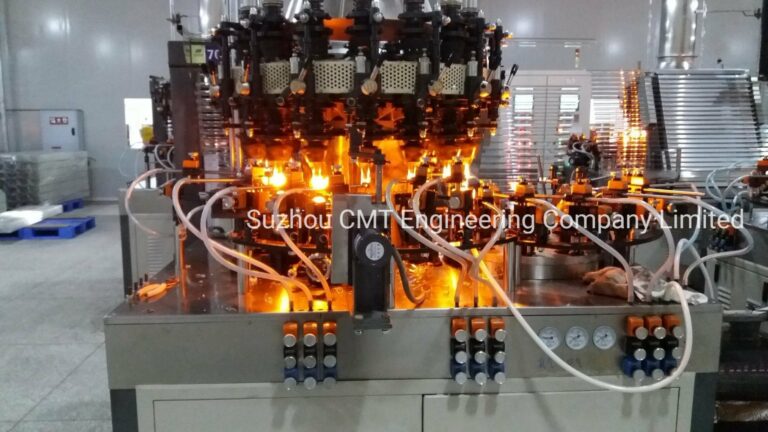
In-depth Look: Manufacturing Processes and Quality Assurance for wholesale cosmetics bottles
Understanding how wholesale cosmetics bottles are produced and quality assured is non-negotiable for B2B buyers looking to build resilient, reputable supply chains. From material selection to rigorous inspection regimes, every step in the manufacturing and QC pipeline influences cost, compliance, and your brand’s standing in target markets across Africa, South America, the Middle East, and Europe. This section uncovers what to expect when sourcing cosmetics bottles in volume—and how savvy buyers can protect their interests.
Key Stages of Manufacturing Wholesale Cosmetic Bottles
The manufacturing process for cosmetics bottles typically divides into four interconnected phases, each critical to final product quality:
1. Préparation du matériel
- Sélection des matières premières : The process begins with the careful selection of resins (such as PET, PP, or HDPE for plastics), glass (soda-lime or borosilicate), or aluminum. Material sourcing is often guided by regional regulations. For instance, the EU’s REACH requirements or Latin American sustainability directives may dictate specific resin grades or recycled content.
- Pre-processing: Plastic resins are often pelletized and dried to optimal moisture content. Glass and aluminum may be refined, filtered, or blended with additives to achieve target clarity, strength, or color stability.
2. Bottle Forming Techniques
- Injection Blow Molding (IBM) & Extrusion Blow Molding (EBM): Predominantly used for plastic bottles. IBM yields precise neck dimensions, ideal for threaded or pump finishes, while EBM caters to larger or non-cylindrical shapes.
- Injection Stretch Blow Molding (ISBM): Especially for PET bottles, enabling enhanced clarity and strength, important for premium markets or climate resilience (e.g., heat resistance in the Middle East).
- Formage du verre : Involves melting, molding, and annealing—precision matters, as uneven walls increase breakage risk during export or shelf handling.
- Aluminum Shaping: Spinning or impact extrusion creates lightweight yet robust containers, with inside lacquering for chemical resistance.
- Assemblage : For multi-component bottles (e.g., airless dispensers), assembly lines integrate pumps, caps, or droppers, often automated to minimize contamination.
3. Finition et décoration des surfaces
- Coloring: Pigments, UV inhibitors, or coatings are added to tubes/pellets or applied post-forming for customized branding.
- Techniques de décoration : Hot stamping, silkscreen printing, labeling, and coating establish visual appeal and brand distinction.
- Traitements de surface : For glass, frosting, or acid etching adds premium feel; for plastics/aluminum, soft touch or matte finishes may be specified.
4. Final Processing and Packing
- Sterilization (if applicable): Especially for pharma or organic-compliant bottles. May utilize autoclaving or chemical treatments.
- Emballage en vrac : Export packing employs custom inserts, secondary packaging, or bulk crates to withstand international logistics—crucial for minimizing breakages en route to Africa or South America.
Quality Assurance: Standards, Checkpoints, and Protocols
Robust quality control (QC) underpins every reputable cosmetics bottle supplier. International B2B buyers must understand industry best practices and how to verify supplier claims:
Normes internationales et sectorielles
- ISO 9001 (systèmes de gestion de la qualité) : A baseline for organizational process quality. Look for suppliers certified to the latest standard—this ensures traceable, systematic control of all factory operations.
- ISO 15378 (Primary Packaging Materials for Medicinal Products): Critical for bottles used in pharmaceutical or cosmeceutical contexts.
- Marquage CE : Essential for bottles destined for the EU, denoting conformity with health, safety, and environmental standards.
- Material-Specific Compliance: FDA (US), REACH (EU), or regional food-contact/material safety certifications—vital when dealing with Africa’s growing regulated cosmetics sector or Mexico’s requirements on plastics.
QC Checkpoints Throughout Production
-
Contrôle de la qualité à l'arrivée (IQC) :
– Inspection of each batch of raw materials for contaminant-free, spec-compliant input.
– Verification of colorants, resins, and closures against purchase specs. -
Contrôle de la qualité en cours de fabrication (IPQC) :
– Monitoring during forming (molding, glass blowing) to detect inconsistencies—wall thickness, weight, dimensional accuracy.
– Frequent visual inspections to pre-empt defects (e.g., bubbles, uneven threading, surface flaws).
– Automated camera systems may be used for critical parameters. -
Contrôle de qualité final (CQF) :
– Rigorous mechanical and chemical testing:- Leak Detection: Pressure/vacuum testing to ensure seal integrity.
- Drop/Impact Testing: Particularly for glass or aluminum, simulating export transit conditions.
- Closure Fit/Functionality Checks: For pumps, droppers, sprayers.
- Compatibility/Stress Testing: Ensures no adverse interaction between bottle material and typical cosmetic formulations (oil, alcohol, aqueous).
- Qualité esthétique : Evaluation of prints, colors, and finishes.
Common Testing Methods and Protocols
- Dimensional Measurement: Using calipers, gauges, or laser inspection to verify finished bottle tolerances.
- Analyse des matériaux : FTIR or DSC for polymer identity and purity.
- Environmental Resistance: UV/sunlight exposure, humidity cycling, or thermal cycling—especially important for regions with harsh climates.
- Migration Testing: Especially for packaging in direct contact with cosmetics, ensuring no leaching of harmful substances.
How B2B Buyers Can Assess and Verify Supplier Quality
Buyers should be proactive in validating supplier quality management capabilities:
- Audits sur site : Visit manufacturing facilities to inspect production and QC practices firsthand. For buyers from Africa or Latin America, consider leveraging local third-party auditors or global agencies, especially if direct travel is impractical.
- Sample Evaluation: Always request pre-shipment samples from production runs, not just “golden” lab samples.
- Review of Certification and Test Reports: Insist on up-to-date copies of ISO, CE, or region-specific safety certifications. Demand batch-level QC reports—scrutinize not just pass/fail rates but specific test results.
- Inspections par des tiers : Engage international QC agencies (SGS, Bureau Veritas, Intertek) to conduct pre-shipment inspections or random sampling. This provides a neutral assessment, especially crucial when entering new supplier relationships in emerging manufacturing hubs.
- Ongoing Performance Reviews: Monitor actual delivered batches for defects or inconsistencies, flagging issues promptly to suppliers and using data to inform future orders.
Regional Considerations for International B2B Buyers
- Afrique et Moyen-Orient : Increasing regulatory enforcement means documentation is essential. Seek suppliers experienced in customs/port documentation and local compliance.
- South America & Mexico: Focus on sustainability and post-consumer recycled content, as consumer expectations and regulatory frameworks catch up with Europe’s.
- L'Europe : The highest standards for material safety, traceability, and environmental performance. Only select suppliers with proven track records on REACH, CE, and green certifications such as FSC for paper labels.
- Supplier Selection Tip: Prioritize those who transparently share QA documentation, are open to audits, and possess experience exporting to your region.
Des pistes d'action pour les acheteurs B2B
- Vet suppliers for relevant certifications and QC systems tailored to your region.
- Request detailed test reports and product samples matching your specific logistics and climate profile.
- Leverage independent third-party inspection, especially for first orders or high-value shipments.
- Understand regulatory nuances in your target market—enforce compliance up front, not at customs clearance.
- Use QC data to inform both purchase negotiations and ongoing supplier scorecards.
By mastering both manufacturing processes and QC protocols, B2B buyers can mitigate risk, ensure brand reputation, and meet the evolving expectations of international consumers.
Related Video: Cosmetics Production Line Design
Comprehensive Cost and Pricing Analysis for wholesale cosmetics bottles Sourcing
Core Cost Components in Wholesale Cosmetics Bottle Procurement
B2B buyers should break down the total cost of sourcing cosmetic bottles into several key components:
-
Matériaux : The choice of raw material—be it PET, HDPE, glass, aluminum, or eco-friendly bioplastics—is one of the most significant drivers. Glass and aluminum command higher prices due to raw material and handling costs, while PET and PP plastics are generally more economical but can fluctuate based on oil prices and recycling content. Regional availability of materials, especially post-consumer recycled (PCR) options, may also impact cost and lead times.
-
Travail dans l'industrie manufacturière : Labor costs vary widely by region; bottles made in Asia typically benefit from lower wages compared to those produced in Europe or South America, but automation and technical expertise at the factory can alter this balance. For complex designs or strict cosmetic-quality standards, skilled labor and multi-stage quality assurance will increase unit costs.
-
Manufacturing Overhead and Tooling: Overhead encompasses utilities, depreciation on manufacturing equipment, and maintenance. Tooling for custom bottle molds is a significant, often one-time, upfront cost—especially impactful for buyers requesting custom shapes or logos. Shared tooling, stock molds, or standard designs can help reduce this barrier.
-
Contrôle de la qualité : Rigorous QC is essential to ensure leak-proof seals, consistent appearance, and compliance with both international and local standards. Costs here cover in-process inspections, batch testing, and certifications (such as ISO 9001, SGS) that can be mandatory for market entry, particularly in Europe and the Middle East.
-
Emballage et logistique : Secure, protective packaging (e.g., foam inserts for glass) is crucial to minimize transit damage. Freight costs fluctuate depending on shipment size, mode (sea vs. air), Incoterms (FOB, CIF, DDP), and destination—import duties and local fees can substantially alter landed cost, especially for buyers in Africa or Latin America facing long shipping routes.
-
Marge du fournisseur : Factory margins reflect not just profit, but also risk factors such as currency volatility or the need to maintain buffer stock for international contracts. Margin expectations can differ by region and supplier relationship duration.
Key Pricing Influencers for B2B Buyers
-
Volume de commande et quantité minimale de commande (MOQ) : Larger orders typically unlock tiered pricing, as suppliers benefit from batch production efficiencies. However, many factories set relatively high MOQs to justify the setup costs, especially for customized bottles.
-
Spécifications des produits et personnalisation : Requests for specific colors, finishes, or logo embossing introduce extra processes and often require unique molds, raising both unit cost and lead time. Standard models offer faster turnaround and cost savings.
-
Material Selection and Sustainability Features: Sourcing bottles with PCR content, biodegradable plastics, or glass in specific grades will impact price—sometimes influenced by local regulation or brand sustainability commitments.
-
Quality Level and Certifications: Buyers targeting premium markets (e.g., Europe’s luxury segments or regulated pharmaceutical/cosmeceutical channels) may need high-grade materials and third-party certifications, both of which boost per-unit cost but reduce compliance risks.
-
Facteurs liés au fournisseur : Trusted, longstanding suppliers may offer better terms but could have less price flexibility. Newer or less established vendors may be more aggressive on price but involve higher risk profiles, potentially requiring stricter due diligence from buyers.
-
Incoterms et conditions de paiement : Pricing varies depending on whether the contract is FOB (ex-works), CIF (including freight), or DDP (delivered duty paid). Longer payment terms may be negotiable with established suppliers, but often carry a premium.
Actionable Buyer Tips for International Markets
-
Benchmark Specifications and Quantities: Collect price quotes based on both standard catalog models and desired customizations to understand cost implications and negotiate from an informed position.
-
Factor in Total Cost of Ownership: Go beyond ex-factory price. Include tooling, freight, import duties, damage risk during transit, and local compliance testing. This is especially important for buyers in Africa and South America, where logistics and customs can represent a significant portion of landed cost.
-
Optimize MOQ and Inventory Strategy: In markets with less predictable demand (e.g., emerging beauty sectors in West Africa or Latin America), collaborate with suppliers to negotiate flexible MOQs or shared warehousing where possible, reducing both cost and stock risks.
-
Scrutinize Quality and Regulatory Compliance: Specify required certifications and request documentation prior to ordering. In Europe and the Middle East, lack of compliance can lead to expensive border rejections or product recalls.
-
Negotiate Based on Value, Not Just Price: Leverage long-term relationship potential, forecasts, or bundled product lines to access better terms—such as reduced tooling costs or incremental discounts on sustainable material upgrades.
-
Monitor Currency Movements and Payment Security: Hedging currency risks and using secure international payment platforms are crucial for price stability, especially in volatile markets.
Avis de non-responsabilité : All price guidance is indicative. Actual costs will fluctuate based on raw material indices, regional freight rates, customized requirements, and specific supplier negotiations. Always seek up-to-date quotes and verify all cost components before finalizing orders.
By dissecting the total cost structure, understanding regional nuances, and applying proven negotiation strategies, B2B buyers across Africa, South America, the Middle East, and Europe can achieve optimal cost-efficiency and minimize sourcing
Spotlight on Potential wholesale cosmetics bottles Manufacturers and Suppliers
This section offers a look at a few manufacturers active in the ‘wholesale cosmetics bottles’ market. This is a representative sample for illustrative purposes; B2B buyers must conduct their own extensive due diligence before any engagement. Information is synthesized from public sources and general industry knowledge.
10 Global Marketplaces For Cosmetic Bottles Wholesale (www.lissonpackaging.com)
10 Global Marketplaces For Cosmetic Bottles Wholesale serves as a central source for curated wholesale cosmetic bottle suppliers worldwide, catering to businesses in beauty, skincare, and personal care sectors. Buyers benefit from access to a diverse range of bottle types—including plastic, glass, and aluminum—suitable for various formulations and branding requirements. The platform emphasizes product customization options and white label solutions, making it easier to tailor packaging for specific market preferences or compliance needs. While specific certifications and manufacturing standards are not detailed, the site highlights partnerships with major global suppliers—supporting seamless international sourcing for buyers in Africa, South America, the Middle East, and Europe. This resource is ideal for companies seeking scalable procurement with options for both off-the-shelf and bespoke bottle designs.
8 Well-known Manufacturers Of Cosmetic Bottles (www.cosmetictubesupplier.com)
Guangdong Huaxing Glass Co., Ltd., established in 1987, has evolved into a leading manufacturer specializing in glass packaging, including an extensive range of wholesale cosmetic bottles. The company integrates advanced design, manufacturing, and deep-processing capabilities, enabling flexible solutions for diverse market requirements. Their expertise covers both standard and custom glass bottles, jars, and specialized cosmetic packaging, making them a preferred partner for brands seeking consistent quality and reliable supply. Huaxing’s robust production facilities and emphasis on high-quality standards support seamless export operations, catering to complex logistics in Africa, South America, the Middle East, and Europe. Their long-standing market presence and commitment to innovation ensure they can accommodate both large-scale and niche cosmetic packaging demands.
8 Cosmetic Bottle Manufacturers to Elevate Your Beauty Brand (www.jarsking.com)
With a broad portfolio encompassing cosmetic bottles, jars, and perfume containers, this manufacturer stands out for its commitment to environmentally responsible packaging. Utilizing lightweight glass, post-consumer recycled plastics, and green manufacturing techniques, the company targets brands seeking premium aesthetics without compromising sustainability. Holding ISO 14001 certification, it demonstrates adherence to recognized environmental management standards—a significant assurance for global buyers navigating tightening regulatory requirements. Through strategic international partnerships, the company ensures efficient, reliable distribution across Africa, South America, the Middle East, and Europe. B2B clients also benefit from tailored packaging solutions that meet diverse regional market needs, supported by a track record of innovation in both design and eco-friendly material use.
Comparaison rapide des fabricants de profilés
| Fabricant | Bref résumé des points forts | Domaine du site web |
|---|---|---|
| 10 Global Marketplaces For Cosmetic Bottles Wholesale | Marketplace for global bottle sourcing options. | www.lissonpackaging.com |
| 8 Well-known Manufacturers Of Cosmetic Bottles | Leading glass packaging, broad export experience. | www.cosmetictubesupplier.com |
| 8 Cosmetic Bottle Manufacturers to Elevate Your Beauty Brand | Sustainable, ISO-certified, global eco-friendly cosmetic bottles. | www.jarsking.com |
Essential Technical Properties and Trade Terminology for wholesale cosmetics bottles
Key Technical Specifications for Cosmetics Bottles
For international B2B buyers evaluating wholesale cosmetics bottles, understanding essential technical properties ensures product suitability, regulatory compliance, and supply chain efficiency. The following specifications are critical when sourcing at scale:
- Qualité des matériaux
The composition and purity of materials, such as PET (polyethylene terephthalate), HDPE (high-density polyethylene), glass, or aluminum, impact bottle strength, chemical resistance, and recyclability. Buyers in regions with strict safety standards or tropical climates should verify UV stability and food-grade certification, as these affect shelf-life and prevent product contamination.
- Capacity (Volume) and Tolerances
Bottles are specified by nominal volume (e.g., 30ml, 100ml), but minor variations in actual fill capacity—known as tolerance—are normal in manufacturing. Tolerance directly influences dosing accuracy and packaging consistency; buyers targeting regulated markets in Europe or large-scale promotions in South America must clarify acceptable deviation ranges with suppliers to ensure brand and regulatory consistency.
- Compatibilité des finitions et des fermetures du manche
The neck finish refers to the threading and diameter at the bottle opening, which must precisely match closure systems like pumps, droppers, or caps. Standards (e.g., 24/410, 18/415) enable interchangeability and streamline assembly. Specifying neck finish ensures buyers can source closures locally or change suppliers without retooling—critical for cost control and flexibility in emerging and mature markets alike.
- Barrier Properties and Shelf-Life Protection
Barrier performance defines how well a bottle resists oxygen, moisture, and light—key for protecting sensitive formulations like serums or natural products. Enhanced barriers (coatings or multi-layer plastics) are essential in hot, humid regions (Africa, Middle East) or for exporters handling long shipping times. Confirming barrier specifications with suppliers helps prevent spoilage and reputational risk.
- Color, Opacity, and Surface Treatment
Bottle tint (e.g., amber, opaque, UV-blocking coatings) shields light-sensitive formulas and reinforces branding. Additionally, surface finishes (frosted, glossy, matte) affect both perceived product value and printability for labels. Buyers should align these features with marketing strategies and regulatory requirements regarding labeling and product protection.
Common Industry and Trade Terms
Navigating international trade for cosmetics bottles also requires fluency in standard B2B terminology. Understanding these terms ensures smoother negotiations, clearer contracts, and less risk of misunderstandings.
- MOQ (Minimum Order Quantity)
The lowest quantity a supplier is willing to produce or sell per order. MOQs affect pricing, production lead times, and inventory costs. Buyers should negotiate MOQs suited to their market demand and storage capacity, especially important for new product launches and smaller distributors in developing markets.
- OEM (Original Equipment Manufacturer)
Refers to suppliers producing goods—such as bottles, caps, or custom packaging—according to the buyer’s specifications or branding. OEM relationships offer tailored solutions but require clear communication on design, materials, and tolerances. This is ideal for brands aiming for differentiation in competitive markets across the Middle East and Europe.
- RFQ (Request for Quotation)
The formal process by which buyers solicit detailed pricing, specifications, and delivery terms from prospective suppliers. A thorough RFQ streamlines supplier evaluation and comparison, key for cost transparency—particularly when importing from different regions with variable freight and duties.
- Incoterms (termes commerciaux internationaux)
Standardized trade terms published by the International Chamber of Commerce (e.g., FOB, CIF, DDP) defining responsibilities for shipping, insurance, and customs between buyer and seller. Mastery of Incoterms reduces the risk of unexpected expenses or delays, which is vital for cross-border shipments to and from Africa, Latin America, or Europe.
- Délai d'exécution
The period between placing an order and receiving goods, including production and shipping. Accurate lead time estimates are crucial for inventory planning and launch schedules. Buyers serving fast-moving or seasonal markets need to balance lower costs from overseas production with potential shipping delays.
- Certificate of Analysis (COA)
Documented proof that a batch of bottles meets specified technical and regulatory standards, often required for entry into the EU or major brand partnerships. Always request COAs or third-party test reports to confirm material safety, especially when importing into markets with strict compliance frameworks.
By proactively mastering these technical properties and trade terms, B2B buyers can optimize sourcing decisions, mitigate risks, and build a resilient and responsive supply chain for wholesale cosmetics bottles across diverse international markets.
Navigating Market Dynamics, Sourcing Trends, and Sustainability in the wholesale cosmetics bottles Sector
Global Market Forces and Key Sourcing Trends
The wholesale cosmetics bottles sector is experiencing simultaneous expansion and transformation, shaped by shifting consumer demands, regulatory changes, and persistent global supply chain volatility. As the beauty and personal care industry surges—driven by rising incomes, urbanization, and the widespread embrace of wellness—demand for innovative, reliable, and brand-enhancing packaging has intensified across Africa, South America, the Middle East, and Europe.
Market drivers include:
- Premiumization and Differentiation: Both established and emerging brands increasingly leverage distinctive bottle design, materials, and decoration to stand out on crowded shelves, particularly in growth markets like Nigeria, Brazil, or Turkey.
- Supply Chain Agility: Ongoing disruptions, fluctuating freight rates, and changing trade agreements require B2B buyers to diversify supplier bases, often favoring partners offering regional warehousing or flexible minimum order quantities, especially in geographically distant markets.
- Localization and Customization: Regional consumer preferences and climates call for bespoke solutions—UV-resistant bottles for Middle Eastern markets, lightweight or shatterproof plastics for Africa or mobile sales formats popular in South America.
Emerging sourcing and technology trends:
- Consolidation of Digital Marketplaces: Online B2B platforms streamline discovery of vetted suppliers, price benchmarking, and rapid quote generation, granting buyers in Vietnam, Morocco, or Mexico improved access to global inventories.
- Smart Packaging and Trackability: Integration of RFID, serialization, or anti-counterfeit features appeals to buyers seeking supply chain transparency and regulatory compliance, especially crucial in Europe.
- Sustainability Integration: Demand for bottles made from post-consumer recycled (PCR) materials, plant-based bioplastics, or refill-ready designs is soaring, with EU buyers rigorously factoring sustainable packaging into procurement criteria.
Key Takeaways for International Buyers:
– Develop a robust due diligence framework for supplier vetting, including site audits where feasible.
– Consider the impact of local transportation and climate on bottle material and design choices.
– Stay abreast of regulatory changes, from import tariffs in the EU to plastics legislation influencing exports from Asia.
Sustainability and Ethical Supply Chain Approaches
With environmental pressures mounting, sustainability is no longer a peripheral concern but a core driver shaping procurement strategies. B2B buyers face intensifying scrutiny from regulators and end clients demanding demonstrably responsible product packaging.
Sustainable material trends include:
- Recycled Content: PCR plastics and recycled glass are gaining prominence, reducing reliance on virgin materials and providing strong marketing leverage in sustainability-focused markets such as the EU or urban Latin America.
- Biodegradable and Bio-based Plastics: Derived from corn, sugarcane, or bamboo, these alternatives appeal to buyers targeting “green” consumer segments, though due diligence regarding product performance and end-of-life scenarios remains essential.
- Aluminum and Glass: Infinite recyclability and a premium aesthetic make these materials favored choices for buyers seeking both eco-credibility and brand elevation, provided logistics and breakage risks are managed.
Ethical sourcing practices:
– Adopt traceability standards ensuring raw materials are sourced from compliant, socially responsible origins—an increasingly important expectation from European consumers and regulators.
– Seek certified suppliers—look for ISO 14001 (environmental management), FSC-certified packaging, or third-party-verified recycled material declarations.
– Prioritize suppliers investing in resource-efficient manufacturing, such as water/energy reduction and closed-loop systems.
For international B2B buyers, aligning procurement with sustainability and ethics enhances brand value, lowers regulatory risk, and often streamlines market entry—especially in regions with evolving green import standards.
Brief Evolution: From Commodity Containers to Strategic Brand Assets
The cosmetics bottle’s journey mirrors the broader evolution of the beauty industry. What began as generic, mass-produced vessels in the mid-20th century has transformed into a sector defined by innovation, sustainability, and regional adaptation. The rise of global trade in the late 1900s introduced plastics and specialized decoration techniques, enabling brands to proliferate across continents.
Recently, consumer activism and regulatory shifts—particularly in Europe and parts of Latin America—have pushed the sector toward eco-design, refillable formats, and premiumization. For the B2B buyer, this means packaging is no longer a mere afterthought but a strategic lever, capable of influencing both market acceptance and operational efficiency. The ability to anticipate and invest in these shifts provides a competitive edge, especially for buyers across Africa, the Middle East, and beyond seeking to set new benchmarks in both quality and sustainability.
Vidéo connexe : Incoterms pour débutants | Le commerce mondial expliqué
Frequently Asked Questions (FAQs) for B2B Buyers of wholesale cosmetics bottles
-
How do I effectively vet wholesale cosmetics bottle suppliers for reliability and compliance?
Begin by researching the supplier’s business history, client references, and reputation on international B2B platforms. Request detailed product catalogs, factory audit reports, and copies of relevant certifications (ISO, GMP, or regional equivalents). It’s also essential to check if they have experience exporting to your market, understand local regulations, and can provide compliance documentation. Request product samples and evaluate packaging integrity, especially if exporting to regions with challenging climates such as Africa or the Middle East. Establish regular communication and consider on-site or third-party factory inspections when feasible. -
What customization options are generally available, and what should I consider before ordering?
Wholesale cosmetics bottle suppliers often offer customization of material (glass, PET, PP, aluminum), color, size, labeling, shape, and closure type (such as droppers, pumps, or sprayers). Before ordering, ensure customization options comply with import regulations and align with your brand positioning and sustainability goals. Discuss lead times and minimum order quantities (MOQs) for custom runs, as these are typically higher than for standard stock. Clarify prototyping fees and sample approval processes to avoid delays. Request proofs and test samples to verify quality before mass production. -
What are typical minimum order quantities (MOQs), lead times, and payment terms for wholesale orders?
MOQs for cosmetics bottles vary widely—often from 1,000 to 10,000 units—depending on material, customization, and supplier policies. Standard lead times for stock bottles range from 2–4 weeks, while custom orders may require 6–12 weeks, accounting for design approval and tooling. Payment terms are typically 30%–50% deposit upfront, with the balance before shipment. Some suppliers offer more flexible terms for repeat buyers or larger orders. Always confirm if payment options (T/T, L/C, etc.) are suitable for your jurisdiction and currency, especially for African or South American markets where forex availability may impact transactions. -
Which quality assurance (QA) measures and certifications should I require from suppliers?
Request evidence of robust QA systems, including documentation of incoming material inspections, in-process checks, and final product testing. Internationally recognized certifications like ISO 9001 (Quality Management), ISO 15378 (Primary Packaging Materials for Medicinal Products), or environmental certifications can be strong indicators of reliability. For markets like Europe and the Middle East, ensure bottles adhere to REACH or relevant food-contact and safety regulations. Ask for batch test reports, third-party inspection records, and compliance certificates for materials and inks, especially if bottles will contact sensitive cosmetics. -
How can I minimize logistics risks and manage international shipping for bulk orders?
Work closely with suppliers to confirm packaging methods that reduce breakage, especially for glass bottles destined for long-haul shipments to Africa or South America. Choose shipping terms wisely—FOB, CIF, or DDP—and clarify responsibilities for insurance and documentation. Vet freight forwarders for experience with beauty packaging and regional customs requirements. Factor in potential delays due to port congestion or regulatory checks, and consider warehousing solutions in your destination market to buffer against unpredictable lead times. Request packing lists and photographic evidence prior to dispatch. -
What dispute resolution mechanisms should I ensure are in place when contracting with overseas suppliers?
Insist on clear contractual terms regarding product specifications, delivery schedules, QC procedures, and remedies for defects or delays. International B2B transactions generally rely on Incoterms and may reference arbitration bodies such as the International Chamber of Commerce (ICC) or those in Hong Kong or Singapore. Ensure your agreement specifies dispute resolution jurisdiction and language. Retain records of correspondence, inspection reports, and payment receipts. Partial holdbacks or third-party escrow services can provide leverage until you confirm the order meets your expectations. -
Which documentation is required for importing cosmetics bottles into African, Middle Eastern, or European countries?
Import documentation usually includes commercial invoices, packing lists, certificates of origin, and shipping documents (bill of lading or airway bill). Depending on the market, importers may need additional compliance certificates such as REACH (Europe), SASO (Saudi Arabia), SONCAP (Nigeria), or conformity declarations for packaging safety. Check for any local registration or product clearance requirements, especially when importing bottles that will contact cosmetic formulations. Consult local import agents or chambers of commerce to ensure full compliance and avoid customs delays. -
How do I ensure the bottles’ material and design align with sustainability trends and regulations?
Discuss with suppliers the availability of eco-friendly materials such as PCR plastics, glass, or aluminum, and evaluate whether they can provide documentation on recyclability, material content, and absence of hazardous substances. In regions like Europe or emerging sustainable markets in Latin America, compliance with local recycling and EPR (Extended Producer Responsibility) schemes is vital. Consider lifecycle assessments and opt for suppliers who participate in environmental audits or hold certifications like FSC (for cartons) or ISO 14001 (Environmental Management). Transparent sustainability claims help strengthen your brand and reduce regulatory exposure.
Strategic Sourcing Conclusion and Outlook for wholesale cosmetics bottles
In today’s highly competitive global market, securing the right wholesale cosmetics bottles goes beyond cost—it demands a strategic balance of quality, supplier reliability, compliance, and adaptability to regional needs. International B2B buyers across Africa, South America, the Middle East, and Europe are uniquely positioned to leverage local market insights and global sourcing networks. Prioritizing rigorous supplier evaluation, embracing sustainable packaging options, and understanding the nuances of material performance in varied climates enable businesses to mitigate risks and boost brand reputation.
Key takeaways for successful sourcing:
- Diligence raisonnable des fournisseurs : Vet partners for compliance certifications, production capabilities, and logistics expertise—crucial for navigating complex regulatory landscapes.
- Material Optimization: Align bottle type and materials with product requirements, target market preferences, and sustainability imperatives to drive differentiation and consumer trust.
- Assurance qualité : Implement robust quality control from sampling through shipment, ensuring consistent product integrity regardless of shipping distances or regional conditions.
- Cost-Efficiency Strategies: Explore bundled procurement, local distribution hubs, and scalable contract negotiations to manage costs without compromising on quality.
As consumer expectations shift and environmental mandates tighten, proactive buyers will treat packaging not just as a commodity, but as a strategic growth lever. Now is the time to forge resilient supplier partnerships and invest in innovative packaging solutions to future-proof your competitive edge. Stay informed, anticipate market trends, and act decisively—transforming sourcing challenges into lasting opportunity and brand distinction.




 French
  English
  Russian
  Spanish
  Italian
  Thai
Thai  Arabic
  Portuguese
  Indonesian
  German