
Introduction: Navigating the Global Market for Airless Bottles with White Inner
In an increasingly competitive global market, sourcing high-quality airless bottles with white inner linings poses unique challenges for B2B buyers. These innovative packaging solutions not only enhance product longevity and stability but also cater to a wide range of applications, from skincare formulations to pharmaceuticals. As brands strive to differentiate themselves, understanding the nuances of airless bottle technology becomes essential for making informed purchasing decisions.
This comprehensive guide delves into the diverse types of airless bottles available, their specific applications, and critical factors for supplier vetting. Additionally, it offers insights into cost considerations, ensuring that buyers can strike a balance between quality and affordability. By equipping international B2B buyers—particularly those from regions such as Africa, South America, the Middle East, and Europe (including key markets like Saudi Arabia and Germany)—with actionable knowledge, this guide empowers them to navigate the complexities of sourcing airless bottles effectively.
Whether you are looking for eco-friendly options, customizable designs, or the latest advancements in dispensing technology, this resource serves as your go-to reference for making strategic, informed decisions that align with your business goals. Explore how the right choice in airless packaging can elevate your brand’s presence in the global marketplace.
Understanding Airless Bottles with White Inner Types and Variations
| Nom du type | Principales caractéristiques | Applications primaires B2B | Avantages et inconvénients pour les acheteurs |
|---|---|---|---|
| Helix Twist-Up Airless Bottle | Twist-up actuator, metal-free product pathway, available in various sizes (50 ML) | Lotions, gels, serums, moisturizers, sanitizers | Pour : Cost-effective, no minimum order quantity. Cons : Options de couleurs limitées. |
| Rolling Bellow Airless Treatment Bottle | Proprietary rolling bellow technology, 100% metal-free, tamper-proof design | Skin care, makeup, treatment serums | Pour : Excellent for light-sensitive products. Cons : Not suitable for oily formulations. |
| Matte White Airless Pump Bottle | Matte white finish, polypropylene construction, customizable labeling area | Cosmetics, creams, and serums | Pour : Customizable, aesthetic appeal. Cons : Higher price point compared to standard options. |
| Acrylic Airless Jar | White inner jar, screw-on airless treatment pump mechanism, suitable for thicker products | Creams, balms, and thick lotions | Pour : Good for air-sensitive formulations. Cons : Heavier than plastic alternatives. |
| Polypropylene Airless Jar | Economical, lightweight, recyclable materials, available in various sizes | Budget-friendly packaging for creams and gels | Pour : Cost-effective, recyclable. Cons : May lack premium feel compared to acrylic. |
What are the Key Characteristics of Helix Twist-Up Airless Bottles?
The Helix Twist-Up Airless Bottle is designed for efficiency and convenience, featuring a twist-up actuator that allows for precise dispensing. With a capacity of 50 ML, it is ideal for a range of cosmetic products including lotions, gels, and sanitizers. B2B buyers will appreciate the cost-effectiveness of this option, as it comes with no minimum order quantity, making it suitable for small to medium enterprises. However, the limited color options may not meet all branding needs.
How Does the Rolling Bellow Airless Treatment Bottle Stand Out?
This bottle utilizes proprietary rolling bellow technology that ensures a 100% metal-free dispensing system, making it a safe choice for sensitive formulations. Its tamper-proof design enhances product integrity, making it suitable for high-end skincare and treatment serums. For B2B buyers, this bottle is particularly beneficial for light-sensitive products, but it is essential to note that it may not be compatible with oily formulations due to potential leakage issues.
What Makes the Matte White Airless Pump Bottle a Popular Choice?
The Matte White Airless Pump Bottle is characterized by its elegant matte finish and polypropylene construction, making it aesthetically pleasing while also functional. It is perfect for cosmetics and serums, allowing for easy customization with labels. B2B buyers may find this option appealing due to its upscale appearance, but it typically comes at a higher price point compared to more basic packaging solutions.
Why Should You Consider Acrylic Airless Jars for Your Products?
Acrylic Airless Jars are designed for thicker products like creams and balms, featuring a white inner jar and a screw-on airless pump mechanism. This design helps protect air-sensitive formulations from degradation. B2B buyers will find these jars effective for high-viscosity products, although they are heavier than plastic alternatives, which could influence shipping costs and logistics.
What are the Benefits of Using Polypropylene Airless Jars?
Polypropylene Airless Jars are a budget-friendly option that is both lightweight and recyclable, making them an attractive choice for brands looking to reduce costs without compromising quality. They are suitable for a variety of cosmetic applications, particularly creams and gels. However, buyers should consider that while these jars are economical, they may lack the premium feel and durability of acrylic packaging.
Key Industrial Applications of Airless Bottles with White Inner
| Industrie/secteur | Specific Application of Airless Bottles with White Inner | Valeur/bénéfice pour l'entreprise | Principales considérations en matière d'approvisionnement pour cette application |
|---|---|---|---|
| Cosmétiques | Packaging for lotions, serums, and creams | Préserve l'intégrité du produit et prolonge la durée de conservation | Ensure compatibility with formulations, consider MOQ, and customization options |
| Produits pharmaceutiques | Delivery systems for topical treatments and ointments | Maintains sterility and prevents contamination | Vérifier la conformité réglementaire et les normes de sécurité des matériaux |
| Soins personnels | Packaging for sanitizers and moisturizers | Enhances product appeal and user experience | Assess design options and ease of use for consumers |
| Alimentation et boissons | Emballage pour sauces et assaisonnements | Protects flavor and freshness | Confirm compliance with food safety regulations |
| Specialty Chemicals | Containers for light-sensitive or reactive chemicals | Ensures product stability and effectiveness | Evaluate material compatibility and supply chain reliability |
How Are Airless Bottles with White Inner Used in the Cosmetics Industry?
In the cosmetics sector, airless bottles with a white inner are ideal for packaging lotions, serums, and creams. These bottles prevent air exposure, which can degrade sensitive ingredients, thus preserving product integrity and extending shelf life. For international buyers, particularly from regions like Africa and Europe, sourcing options should include customization for branding and ensuring compatibility with various formulations. Additionally, the ability to order without minimum quantities allows for flexibility in inventory management.
What Role Do Airless Bottles Play in Pharmaceuticals?
In the pharmaceutical industry, airless bottles are crucial for delivering topical treatments and ointments. Their design maintains sterility and prevents contamination, which is vital for patient safety. Buyers from the Middle East and South America should prioritize suppliers who comply with stringent regulatory standards and can provide documentation to ensure safety and efficacy. The choice of materials is also critical, as they must withstand the chemical properties of medicinal formulations.
How Are Airless Bottles Beneficial for Personal Care Products?
For personal care products such as sanitizers and moisturizers, airless bottles enhance user experience by providing a hygienic and convenient dispensing method. The white inner layer protects the product from light, which can affect formulation stability. B2B buyers must consider sourcing options that provide easy-to-use designs and aesthetic appeal, catering to consumer preferences in diverse markets, including Germany and Saudi Arabia.
Can Airless Bottles Be Used for Food and Beverage Packaging?
Airless bottles can also be adapted for food and beverage applications, specifically for sauces and dressings. They protect flavor and freshness by minimizing exposure to air and contaminants. Buyers in South America and Africa should ensure that the bottles meet food safety regulations and are made from materials suitable for food contact. Customization options for branding are also essential for standing out in a competitive market.
What Are the Advantages of Airless Bottles for Specialty Chemicals?
In the specialty chemicals sector, airless bottles are ideal for storing light-sensitive or reactive chemicals. These containers ensure product stability and effectiveness by preventing exposure to air and light. International buyers need to evaluate the compatibility of materials with their specific chemicals and confirm the reliability of supply chains. Additionally, understanding the logistics of sourcing and distribution can help mitigate challenges in procurement.

A stock image related to Airless Bottles with White Inner.
3 Common User Pain Points for ‘Airless Bottles with White Inner’ & Their Solutions
Scenario 1: Difficulty in Product Compatibility Testing
Le problème :
B2B buyers often face the challenge of ensuring that the formulations they intend to package in airless bottles are compatible with the materials of the bottle. For instance, certain formulations containing high silicone content or pure oils can lead to leakage as they lubricate the seal, causing a loss of vacuum and pump failure. This issue is particularly critical for manufacturers in regions like Africa and South America, where the market demands high-quality and reliable packaging. The consequences of using incompatible products can lead to wasted materials, increased costs, and damage to brand reputation.
La solution :
To overcome this challenge, it is essential to conduct rigorous compatibility testing before finalizing the airless bottle choice. Start by sourcing samples of airless bottles with white inner linings and evaluate them with your specific formulations. Focus on assessing the interaction between the product and the bottle material over time. Utilize lab testing to simulate long-term storage conditions and ensure that the bottle maintains its integrity. Document the results thoroughly and adjust your formulation or packaging choice accordingly. Collaborating with suppliers who offer technical support and guidance can also help in selecting the right airless packaging for your products.
Scenario 2: Misunderstanding Airless Technology
Le problème :
Many B2B buyers are unaware of the mechanics of airless bottle technology, leading to misconceptions about how these bottles function. For example, some may assume that all airless bottles are the same and fail to recognize that variations in design can impact product delivery and efficacy. This misunderstanding can lead to suboptimal choices that affect product performance and customer satisfaction, especially in competitive markets like the Middle East and Europe.
La solution :
Education is key to addressing this pain point. Buyers should invest time in understanding the different types of airless dispensing systems, including the mechanics behind white inner bottles. Take advantage of webinars, workshops, and online resources provided by manufacturers to deepen your knowledge of airless technology. Additionally, engage with suppliers who can provide detailed specifications and operational explanations of their products. This knowledge will empower you to make informed decisions that align with your product requirements, ensuring effective delivery and preserving formulation integrity.
Scenario 3: Supply Chain Inconsistencies
Le problème :
B2B buyers often encounter supply chain issues, such as inconsistent availability of airless bottles with white inner linings, leading to production delays. This issue can be particularly pronounced in regions with less robust logistics networks. Inconsistent supply can hinder the ability to meet customer demands, resulting in lost sales opportunities and strained relationships with clients.
La solution :
To mitigate supply chain inconsistencies, buyers should establish strong relationships with multiple suppliers. Diversifying your supplier base can provide backup options in case of shortages. Additionally, consider placing bulk orders or utilizing just-in-time inventory systems to ensure that you always have enough stock on hand. Regular communication with suppliers about their inventory levels and potential delays can also help you plan your production schedules more effectively. Lastly, exploring local manufacturers or suppliers within your region may reduce shipping times and costs, improving overall supply chain reliability.
Strategic Material Selection Guide for Airless Bottles with White Inner
What Are the Key Materials Used in Airless Bottles with White Inner?
When selecting materials for airless bottles with a white inner, it’s crucial to consider the properties and characteristics of each option. Below, we analyze four common materials used in the production of these bottles: Polypropylene (PP), Styrene Acrylonitrile (SAN), Acrylonitrile Butadiene Styrene (ABS), and Polyethylene (PE).
How Does Polypropylene (PP) Perform in Airless Bottles?
Polypropylene is widely used for airless bottles due to its excellent chemical resistance and durability. It can withstand a temperature range of -20°C to 120°C, making it suitable for various cosmetic formulations. Additionally, PP is lightweight, which reduces shipping costs.
Pour : Polypropylene is cost-effective and easy to mold, allowing for complex designs. It is also recyclable, appealing to eco-conscious brands.
Cons : While PP is durable, it may not be as resistant to UV light as other materials, which can lead to degradation over time if exposed to sunlight.
Impact sur l'application : PP is compatible with most cosmetic products, including lotions and serums. However, it may not be ideal for products with high oil content, which can affect the integrity of the seal.
Considérations internationales : Buyers from regions like Europe and the Middle East should ensure that their PP bottles comply with EU regulations regarding food safety and packaging materials, as well as ASTM standards.
What Role Does Styrene Acrylonitrile (SAN) Play in Airless Bottles?
SAN is known for its clarity and strength, making it an excellent choice for airless bottles that require visibility of the product inside. It has a good temperature resistance, typically ranging from -40°C to 90°C.
Pour : SAN offers a high gloss finish and is less prone to cracking compared to other materials. Its clear nature allows consumers to see the product level, enhancing user experience.
Cons : SAN can be more expensive than PP and may require specific processing conditions, increasing manufacturing complexity.
Impact sur l'application : SAN is suitable for a variety of cosmetic products but may not be ideal for those that require extensive UV protection unless additional coatings are applied.
Considérations internationales : Compliance with international standards such as DIN and JIS is essential for SAN bottles, especially in markets like Germany and Saudi Arabia, where product safety is heavily regulated.
How Does Acrylonitrile Butadiene Styrene (ABS) Compare?
ABS is a robust thermoplastic known for its impact resistance and toughness. It can withstand temperatures between -20°C and 80°C, making it suitable for a range of cosmetic applications.
Pour : ABS is highly durable and resistant to physical impacts, making it ideal for products that may be subject to rough handling during shipping and storage.
Cons : The cost of ABS is generally higher than that of PP and SAN, which may affect pricing strategies for brands looking to keep costs low.
Impact sur l'application : ABS is compatible with a wide range of cosmetic formulations but may not be suitable for products that require long-term exposure to high temperatures.
Considérations internationales : Brands targeting the African market should consider local regulations regarding plastic use and recycling, as ABS may face scrutiny in some regions.
What Is the Role of Polyethylene (PE) in Airless Bottles?
Polyethylene is often used for the inner components of airless bottles due to its excellent barrier properties and resistance to moisture. It can handle temperatures from -50°C to 80°C.
Pour : PE is flexible and has a low density, making it lightweight and cost-effective. It also has good chemical resistance, which is crucial for maintaining product integrity.
Cons : PE may not provide the same level of rigidity as other materials, which could affect the overall durability of the bottle.
Impact sur l'application : PE is suitable for a variety of cosmetic products, especially those that are sensitive to oxygen and moisture.
Considérations internationales : For buyers in South America, understanding local recycling programs and regulations regarding PE usage is essential, as it can impact brand reputation and compliance.
Summary Table of Materials for Airless Bottles with White Inner
| Matériau | Typical Use Case for Airless Bottles with White Inner | Avantage clé | Principaux inconvénients/limites | Coût relatif (faible/moyen/élevé) |
|---|---|---|---|---|
| Polypropylène (PP) | Lotions, gels, and serums | Rentable et recyclable | UV sensitivity | Faible |
| Styrene Acrylonitrile (SAN) | Clear cosmetic products | High clarity and strength | Higher cost and processing complexity | Méd. |
| Acrylonitrile Butadiène Styrène (ABS) | Impact-resistant products | Excellent durability | Coût plus élevé | Haut |
| Polyéthylène (PE) | Moisture-sensitive products | Léger et flexible | Lower rigidity | Faible |
This analysis provides B2B buyers with essential insights into material selection for airless bottles with a white inner, helping them make informed decisions tailored to their market needs.

A stock image related to Airless Bottles with White Inner.
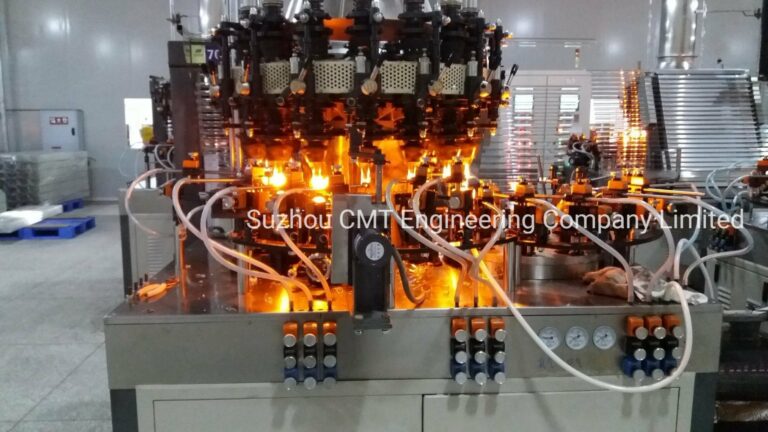
In-depth Look: Manufacturing Processes and Quality Assurance for Airless Bottles with White Inner
What Are the Main Stages in the Manufacturing Process of Airless Bottles with White Inner?
The manufacturing process of airless bottles with a white inner typically involves several key stages, including material preparation, forming, assembly, and finishing. Each stage is critical to ensuring that the final product meets the necessary quality and functional standards.
Material Preparation:
This initial stage involves sourcing high-quality materials such as polypropylene (PP), acrylonitrile butadiene styrene (ABS), and polyethylene (PE). These materials are selected for their durability, chemical resistance, and suitability for cosmetic applications. Suppliers often conduct rigorous testing to ensure the materials meet industry specifications and regulatory requirements.
Forming:
Once the materials are prepared, they undergo a forming process where they are molded into the desired shapes. This may involve injection molding or blow molding techniques, depending on the design of the bottle. The white inner layer is crucial for protecting sensitive formulations from light and ensuring the integrity of the product.
Assemblage :
After forming, the various components of the airless bottle, including the actuator, collar, and inner container, are assembled. This stage may involve automated processes to enhance efficiency and precision. A key feature of airless bottles is the pump mechanism, which requires careful installation to ensure it functions correctly without introducing air into the product.
Finition :
The final stage includes surface treatment, labeling, and packaging. Finishing techniques may involve applying a matte or glossy finish, screen printing, or labeling. Quality checks are also performed to ensure that the final product is free from defects and meets the specified aesthetic and functional criteria.
How Is Quality Assurance Implemented in the Manufacturing of Airless Bottles?
Quality assurance (QA) is integral to the manufacturing of airless bottles, ensuring that products are safe, reliable, and compliant with international standards. This involves adherence to various quality control measures and industry standards.
International Standards Compliance:
Manufacturers of airless bottles often comply with ISO 9001, a globally recognized standard for quality management systems. This certification demonstrates a commitment to quality and continuous improvement. Additionally, other industry-specific certifications, such as CE marking for compliance with European standards or API (American Petroleum Institute) standards for materials used in cosmetic packaging, may also be relevant.
Quality Control Checkpoints:
Quality control is typically divided into several checkpoints throughout the manufacturing process:
-
Contrôle de la qualité à l'arrivée (IQC) : This stage involves inspecting raw materials upon receipt to ensure they meet specified standards. Any materials that fail to meet these criteria are rejected.
-
Contrôle de la qualité en cours de fabrication (IPQC) : During the manufacturing process, random samples are taken at various stages to monitor quality. This includes checking the integrity of the molded parts and the functionality of the pump mechanisms.
-
Contrôle de qualité final (CQF) : After assembly and finishing, the final products undergo comprehensive testing to ensure they meet all specifications. This includes visual inspections for defects, functional testing of the dispensing mechanism, and verification of labeling accuracy.
What Testing Methods Are Commonly Used for Airless Bottles?
A variety of testing methods are employed to ensure the quality and reliability of airless bottles:
-
Essais mécaniques : This includes tests for strength, durability, and resistance to impact. Manufacturers may use standardized tests to assess the ability of the bottles to withstand typical handling and transportation stresses.
-
Test d'étanchéité : This is crucial for airless bottles, as any leaks can compromise the vacuum seal and product efficacy. Various methods, such as pressure decay testing, can be used to detect leaks in the packaging.
-
Test de compatibilité : It is essential to evaluate how the materials interact with different formulations. This helps ensure that there is no leaching or reaction between the packaging and the product.
Comment les acheteurs B2B peuvent-ils vérifier le contrôle de la qualité des fournisseurs ?
B2B buyers should take proactive steps to verify the quality control practices of their suppliers. Here are several strategies:
-
Audits des fournisseurs : Conducting audits of potential suppliers can provide insight into their manufacturing processes and quality assurance measures. Buyers should look for compliance with international standards and certifications.
-
Rapports sur la qualité : Requesting detailed quality reports can help buyers assess the supplier’s adherence to quality standards. These reports should include information about testing methods, results, and any corrective actions taken in case of deviations.
-
Inspections par des tiers : Engaging third-party inspection agencies can offer an unbiased evaluation of the supplier’s quality control practices. This is particularly important for international transactions, where local regulations may differ.
Quelles sont les subtilités du contrôle de la qualité pour les acheteurs internationaux B2B ?
International buyers, particularly from regions like Africa, South America, the Middle East, and Europe, need to be aware of specific nuances in quality control:
-
Conformité réglementaire : Different regions may have varying regulations governing cosmetic packaging. Buyers should ensure that their suppliers are compliant with local laws, which may include safety standards, labeling requirements, and environmental regulations.
-
Considérations culturelles : Understanding the cultural context of suppliers can enhance communication and foster better relationships. This is particularly important when negotiating quality expectations and timelines.
-
Logistics and Supply Chain Risks: International shipping can introduce risks related to product integrity and quality. Buyers should establish clear protocols for handling and transporting airless bottles to mitigate potential damage during transit.
By understanding the manufacturing processes, quality assurance practices, and ways to verify supplier quality, B2B buyers can make informed decisions when sourcing airless bottles with a white inner. This ensures that they receive high-quality products that meet their specific needs and regulatory requirements.
Practical Sourcing Guide: A Step-by-Step Checklist for ‘Airless Bottles with White Inner’
Introduction
This guide serves as a practical checklist for international B2B buyers interested in sourcing airless bottles with white inner components. As the demand for high-quality cosmetic packaging continues to rise globally, particularly in regions like Africa, South America, the Middle East, and Europe, understanding the procurement process is essential. This checklist will help streamline your sourcing efforts, ensuring you select the right products and suppliers for your needs.
Étape 1 : Définir les spécifications techniques
Before initiating the sourcing process, clearly outline the technical specifications required for your airless bottles. Consider aspects such as capacity (e.g., 30ml, 50ml), material composition (e.g., polypropylene, SAN), and the type of dispensing mechanism (e.g., twist-up actuator). Defining these specifications helps in narrowing down potential suppliers and ensures that the bottles meet your product requirements.
Étape 2 : Research Supplier Options
Conduct thorough research to identify potential suppliers of airless bottles. Utilize online directories, industry trade shows, and referrals from colleagues to compile a list of candidates. Pay attention to suppliers that specialize in cosmetic packaging and have a strong reputation in the market. This step is crucial to ensure you are considering reliable sources that can meet your product standards.
Étape 3 : Évaluer les fournisseurs potentiels
Before committing, it’s essential to vet suppliers thoroughly. Request company profiles, case studies, and references from buyers in similar industries or regions. Look for suppliers who have experience with airless packaging and can demonstrate successful partnerships with other brands. This evaluation helps mitigate risks associated with product quality and reliability.
Étape 4 : Vérifier les certifications des fournisseurs
Ensure that your selected suppliers possess the necessary certifications to guarantee product quality. Look for ISO certifications, particularly ISO 9001, which indicates a commitment to quality management systems. Additionally, check for compliance with regional regulations, especially if you are importing products into regions with stringent standards.
Étape 5 : Demande d'échantillons pour l'évaluation de la qualité
Once you have narrowed down your options, request samples of the airless bottles to assess quality firsthand. Evaluate the material, finish, and functionality of the dispensing mechanism. This is a critical step as it allows you to verify that the product meets your specifications and is suitable for your intended use.
Étape 6 : Négocier les prix et les conditions
Engage in negotiations with your shortlisted suppliers to discuss pricing, minimum order quantities, and delivery timelines. Be transparent about your budget and seek competitive pricing without compromising on quality. Establishing clear terms helps prevent misunderstandings later in the procurement process.
Étape 7 : Confirm Shipping and Logistics Arrangements
Finally, confirm the shipping and logistics arrangements with your chosen supplier. Discuss shipping methods, costs, and expected delivery times. Make sure to account for any customs requirements or potential delays, especially when sourcing internationally. A well-planned logistics strategy ensures that you receive your products on time and in good condition.
By following this checklist, B2B buyers can effectively navigate the sourcing process for airless bottles with white inner components, ensuring they make informed decisions that align with their business needs.
Comprehensive Cost and Pricing Analysis for Airless Bottles with White Inner Sourcing
What Are the Key Cost Components for Airless Bottles with White Inner Sourcing?
When considering the total cost structure for airless bottles with white inner sourcing, several components come into play. The primary cost elements include materials, labor, manufacturing overhead, tooling, quality control (QC), logistics, and profit margin.
-
Matériaux: The cost of raw materials significantly impacts pricing. Airless bottles typically utilize a combination of polypropylene, polyethylene, and other plastics. The price of these materials can fluctuate based on global supply and demand, affecting your overall costs. Additionally, sourcing high-quality materials can result in higher initial costs but may lead to better product performance and customer satisfaction.
-
Travail: Labor costs vary based on the manufacturing location. Countries with lower labor costs, such as some in Africa or South America, may offer competitive pricing but could compromise on quality. Conversely, manufacturers in Europe may have higher labor costs, reflecting stringent labor laws and higher skill levels.
-
Frais généraux de fabrication: This includes the indirect costs associated with production, such as utilities, equipment maintenance, and facility costs. Efficient production processes can help minimize these costs, making it crucial to partner with manufacturers that optimize their operations.
-
Outillage: Custom tooling for specific designs can be a significant upfront investment. However, this cost can be amortized over larger production runs, making high-volume orders more cost-effective. Understanding the tooling requirements for your specific bottle design is vital for accurate cost estimation.
-
Contrôle de la qualité (CQ): Implementing rigorous QC measures ensures that the products meet industry standards and customer expectations. While this may add to the overall cost, it helps prevent costly returns and enhances brand reputation.
-
Logistique: Shipping costs can vary greatly depending on the Incoterms used. For instance, shipping directly from the manufacturer to your facility (Ex Works) may reduce costs but increase your responsibility for logistics. Understanding these terms is essential for calculating your total landed cost.
-
Marge: Finally, suppliers will add a profit margin to their costs. This can vary significantly based on market conditions, competition, and the perceived value of the product.
How Do Price Influencers Affect the Cost of Airless Bottles?
Several factors influence the pricing of airless bottles, which B2B buyers should consider:
-
Volume/MOQ: Many manufacturers offer tiered pricing based on order volume. Higher minimum order quantities (MOQs) can lead to lower per-unit costs. Buyers should assess their demand to determine the optimal order size.
-
Spécifications et personnalisation: Custom designs or unique specifications can increase costs. Standardized products are typically more affordable, so buyers should weigh the benefits of customization against budget constraints.
-
Matériaux et certifications de qualité: Bottles made from premium materials or those with specific quality certifications (e.g., ISO) may command higher prices. However, these certifications can be crucial for compliance in regulated markets.
-
Facteurs liés au fournisseur: The reliability and reputation of the supplier can significantly affect pricing. Established suppliers may charge more due to their proven track record, while newer companies might offer lower prices to gain market share.
Quels conseils peuvent aider les acheteurs à négocier de meilleurs prix ?
International B2B buyers, especially those from diverse regions like Africa, South America, the Middle East, and Europe, should consider the following strategies to enhance their purchasing power:
-
Négocier les conditions: Don’t hesitate to negotiate pricing, payment terms, and delivery schedules. Suppliers may be willing to adjust their offers based on your specific needs.
-
Évaluer le coût total de possession: Beyond the initial purchase price, consider factors like shipping, customs duties, and potential returns. A higher upfront cost may result in lower overall expenditure if the product is of superior quality and durability.
-
Understand Pricing Nuances for International Transactions: Currency fluctuations and international tariffs can significantly affect the cost. Buyers should be aware of these factors and consider using hedging strategies or negotiating prices in stable currencies.
-
Établir des relations à long terme: Establishing a strong relationship with suppliers can lead to better pricing and terms in the long run. Loyalty can sometimes yield discounts or preferential treatment.
Disclaimer for Indicative Prices
The prices mentioned in this analysis are indicative and can vary based on market conditions, supplier negotiations, and specific buyer requirements. It is advisable to conduct thorough market research and obtain multiple quotes to ensure competitive pricing.
Alternatives Analysis: Comparing Airless Bottles with White Inner With Other Solutions
Exploring Alternative Solutions to Airless Bottles with White Inner
In the competitive landscape of cosmetic packaging, businesses are often faced with the challenge of choosing the most effective solution for product preservation and presentation. Airless bottles with a white inner lining are designed to protect sensitive formulations from air exposure, thus extending shelf life and maintaining product integrity. However, alternative packaging solutions can also serve similar functions, each with its unique advantages and drawbacks. Below, we compare airless bottles with white inner linings against other viable options: traditional pump bottles and airless jars.
| Aspect comparatif | Airless Bottles With White Inner | Bouteilles à pompe traditionnelles | Airless Jars |
|---|---|---|---|
| Performance | Excellent for sensitive products; prevents oxidation. | Good but may expose product to air. | High performance in preserving creams and gels. |
| Coût | Moderate ($1.95 – $15.95 per unit). | Generally lower cost ($1.00 – $5.00 per unit). | Variable ($3.50 – $12.95 per unit). |
| Facilité de mise en œuvre | Easy to fill, compatible with various formulations. | Simple design, easy to use. | Requires careful filling; more complex than pumps. |
| Maintenance | Minimal maintenance; refillable options available. | Requires regular cleaning to avoid clogging. | Low maintenance; durable but may require thorough cleaning. |
| Meilleur cas d'utilisation | Ideal for serums, lotions, and light-sensitive products. | Suitable for thicker products like creams but less effective for sensitive formulations. | Best for creams, thick gels, and sensitive products. |
What are the Pros and Cons of Traditional Pump Bottles?
Traditional pump bottles are a popular choice in the beauty and personal care industry due to their affordability and accessibility. They work well for thicker products like lotions and creams. However, they may allow air to enter the container, which can lead to oxidation and spoilage of sensitive ingredients. Their simplicity in design makes them easy to use, but they may require more frequent maintenance and cleaning to prevent clogging.
How do Airless Jars Compare to Airless Bottles with White Inner?
Airless jars present another effective alternative, particularly for thicker creams and gels. They utilize a vacuum mechanism to dispense the product while preventing air exposure. This makes them suitable for sensitive formulations. However, they tend to be more complex to fill and may require more meticulous handling during production. Pricing can vary, often falling within a moderate range, making them a solid choice for businesses focused on preserving product integrity.
Conclusion: Which Solution Should B2B Buyers Choose?
When selecting the right packaging solution, B2B buyers must consider factors such as product type, budget, and intended market. Airless bottles with white inner linings provide superior protection for sensitive formulations, making them ideal for high-end cosmetic brands targeting quality-conscious consumers. Traditional pump bottles, while cost-effective, may not be suitable for all products due to their exposure risks. Airless jars offer a good balance between performance and preservation but come with a slightly higher complexity in filling and maintenance. Ultimately, the choice will depend on the specific needs of the product and the brand’s positioning within the market.
Essential Technical Properties and Trade Terminology for Airless Bottles with White Inner
What are the Key Technical Properties of Airless Bottles with White Inner?
1. Material Composition
Airless bottles typically utilize materials such as polypropylene (PP), acrylonitrile butadiene styrene (ABS), and styrene acrylonitrile (SAN). The choice of materials directly impacts the product’s durability, chemical resistance, and ability to maintain a vacuum seal, crucial for preserving sensitive formulations. For B2B buyers, understanding material grades is essential for compliance with industry standards and ensuring the safety of the packaged contents.
2. Capacity and Size Specifications
Airless bottles come in various capacities, commonly ranging from 15 mL to 50 mL. The dimensions (e.g., height and diameter) of the bottles must align with the client’s packaging and storage requirements. Buyers should consider how the size impacts shipping costs and shelf space, ensuring that they select the appropriate volume for their product lines.
3. Dispensing Mechanism
The airless dispensing system typically employs a piston-based mechanism that prevents air exposure to the contents. This feature is vital for maintaining product integrity, especially for formulations sensitive to oxidation. B2B clients should inquire about the pump’s output per actuation (e.g., 0.21 mL) to ensure it meets their application needs.
4. Tamper-Proof Design
Many airless bottles feature a tamper-evident seal or a snap-on cap that enhances product security. This is particularly important for cosmetic and pharmaceutical applications, where product integrity and safety are paramount. Buyers should assess the effectiveness of the tamper-proof features to build consumer trust and comply with regulatory requirements.
5. Options de personnalisation
The ability to customize labels and finishes is another essential property. Many suppliers offer options for silk screening or labeling, allowing brands to enhance their market presence. B2B buyers should evaluate the level of customization available to ensure alignment with their branding strategy.
Which Trade Terminology Should B2B Buyers Know When Sourcing Airless Bottles?
1. OEM (Original Equipment Manufacturer)
OEM refers to companies that manufacture products based on specifications provided by another company. For B2B buyers, working with OEMs can facilitate tailored solutions that meet specific needs without the burden of large-scale production. Understanding OEM relationships can help buyers negotiate better pricing and delivery terms.
2. MOQ (Minimum Order Quantity)
MOQ is the smallest number of units a supplier is willing to sell. This term is critical for B2B buyers as it can affect inventory levels and cash flow. Buyers should ensure that the MOQ aligns with their sales forecasts to avoid overstocking or stockouts.
3. RFQ (Request for Quotation)
An RFQ is a formal request from a buyer to suppliers for pricing and terms regarding a specific quantity of goods. This process helps buyers compare costs and conditions from different suppliers, making it a vital step in procurement. Understanding how to effectively draft an RFQ can lead to better pricing and terms.
4. Incoterms (conditions commerciales internationales)
Incoterms are a series of predefined commercial terms published by the International Chamber of Commerce that define the responsibilities of buyers and sellers in international transactions. Familiarity with Incoterms is crucial for B2B buyers to understand shipping costs, risk transfer, and delivery obligations, which can significantly impact overall pricing and logistics.
5. Délai d'exécution
Lead time refers to the amount of time it takes from placing an order to receiving the product. For airless bottles, lead time can vary based on manufacturing location, order size, and shipping method. Buyers should factor lead time into their inventory management and product launch timelines to ensure timely market entry.
6. Conformité et certifications
Understanding the compliance requirements and certifications (such as ISO 9001) that a supplier holds can assure buyers of product quality and safety standards. This knowledge is crucial for maintaining regulatory compliance in various markets, particularly in the cosmetics and pharmaceutical industries.
Navigating Market Dynamics and Sourcing Trends in the Airless Bottles with White Inner Sector
What are the Current Market Trends for Airless Bottles with White Inner?
The global market for airless bottles, particularly those featuring a white inner layer, is experiencing significant growth driven by the increasing demand for high-quality cosmetic and skincare packaging. The rise in consumer awareness regarding product integrity and efficacy has made airless packaging a preferred choice, as it minimizes contamination and preserves the formulation’s active ingredients. International B2B buyers, especially from Africa, South America, the Middle East, and Europe, are gravitating towards airless bottles due to their versatility in packaging various products, including lotions, serums, and creams.
Emerging trends indicate a shift towards customization and branding opportunities. Buyers are increasingly looking for unique designs and finishes that align with their brand aesthetics. The technological advancements in manufacturing processes have enabled suppliers to offer innovative solutions, such as twist-up dispensers and metal-free pathways, which are particularly appealing to companies focused on sustainability and product safety.
Furthermore, the push for shorter lead times and flexible order quantities has become a crucial factor for international buyers. Suppliers who can provide quick turnaround times and no minimum order quantities are gaining a competitive edge. This trend is particularly relevant for markets like Germany and Saudi Arabia, where rapid market responses are essential to meet consumer demands.
How is Sustainability Influencing Sourcing Trends for Airless Bottles?
Sustainability is at the forefront of sourcing decisions for airless bottles with white inner materials. As businesses increasingly adopt environmentally responsible practices, the demand for packaging solutions that minimize environmental impact has surged. Buyers are not only interested in the functionality of airless bottles but also in the materials used in their production.
Many manufacturers are shifting towards recyclable and biodegradable materials, which is crucial for reducing the carbon footprint of their products. Certifications such as ISO 14001 for environmental management and the use of recycled plastics can enhance a brand’s reputation and appeal to eco-conscious consumers.
Ethical sourcing is also becoming a priority for B2B buyers. Ensuring that suppliers adhere to fair labor practices and responsible sourcing can significantly influence purchasing decisions. Companies are looking for partners who demonstrate transparency in their supply chains and are committed to sustainable practices, which can lead to stronger business relationships and increased customer loyalty.
How Have Airless Bottles Evolved Over Time?
The evolution of airless bottles has been marked by significant advancements in technology and design. Initially introduced to improve product shelf life and reduce contamination, airless packaging has transformed into a sophisticated solution that caters to diverse consumer needs.
In the early days, these bottles primarily featured basic designs, but as demand grew, manufacturers began to innovate. The introduction of features like twist-up mechanisms and customizable labeling has made airless bottles more appealing to brands looking to differentiate themselves in a competitive market.
Today, the focus has shifted towards integrating sustainability into the design process, with manufacturers exploring new materials and eco-friendly practices. This evolution reflects the broader trends in consumer preferences, where functionality, aesthetics, and environmental responsibility are paramount.
Overall, the market dynamics surrounding airless bottles with white inner materials present a wealth of opportunities for B2B buyers, particularly those committed to quality, sustainability, and innovation.
Frequently Asked Questions (FAQs) for B2B Buyers of Airless Bottles with White Inner
-
How do I ensure the airless bottles I source are compatible with my product formulations?
To ensure compatibility, it’s crucial to test the airless bottles with your specific formulations before committing to a large order. Factors such as viscosity, pH levels, and the presence of oils or silicones can affect performance. Request samples from suppliers and conduct stability tests to verify that the seals maintain their integrity and that the product dispenses correctly without leakage. This proactive approach helps prevent potential failures in product delivery and customer satisfaction. -
What is the best material for airless bottles to protect sensitive formulations?
Polypropylene (PP) and Styrene Acrylonitrile (SAN) are among the best materials for airless bottles, particularly for sensitive formulations. These materials are resistant to chemical reactions and provide excellent barrier properties against oxygen and light, which can degrade active ingredients. Ensure that the inner materials are also compatible with your product, especially for formulations that may react with certain plastics. Always verify with the supplier about the specific materials used in the airless bottles. -
How can I customize airless bottles to align with my brand identity?
Customization options for airless bottles typically include labeling, color choices, and specific design features. Many suppliers offer silk screen printing, shrink sleeves, or labels that can be tailored to your brand. When discussing customization, consider the minimum order quantities (MOQs) and any associated costs. Collaborate closely with your supplier to ensure that your design meets both aesthetic and functional requirements, particularly regarding product visibility and branding impact. -
What are typical minimum order quantities (MOQs) for airless bottles?
MOQs for airless bottles can vary significantly depending on the supplier and the specific product. Some suppliers cater to smaller businesses by offering no minimum order requirements, while others may have MOQs ranging from 100 to 1,000 units. It’s essential to communicate your needs with potential suppliers to find a balance between your budget and the quantity that meets your business goals. Always consider the cost-effectiveness of larger orders versus your immediate requirements. -
What payment terms should I expect when sourcing airless bottles internationally?
International payment terms can vary widely among suppliers. Common options include payment in advance, letters of credit, or net 30/60/90 days terms depending on the relationship with the supplier and order size. Always clarify payment methods acceptable for your region and ensure that all terms are documented in your purchase agreement to avoid misunderstandings. Consider using secure payment methods that provide buyer protection, especially for larger transactions. -
How do I vet suppliers of airless bottles to ensure quality and reliability?
Vetting suppliers involves checking their certifications, such as ISO 9001, which indicates quality management systems. Request references and reviews from other clients, and consider conducting site visits if feasible. Evaluate their production capabilities, quality assurance processes, and response times. It’s also beneficial to request product samples for inspection and testing before placing a significant order. This thorough vetting process helps mitigate risks associated with quality and delivery reliability. -
What shipping options are available for airless bottles, and how do they impact costs?
Shipping options for airless bottles include air freight, sea freight, and express courier services. Air freight is faster but typically more expensive, making it suitable for urgent orders. Sea freight is more cost-effective for larger shipments but takes longer. Consider the total landed cost, which includes shipping, customs duties, and taxes, when evaluating options. Discuss with your supplier to determine the best shipping method based on your budget and timeline. -
How can I ensure the quality of airless bottles upon delivery?
To ensure quality upon delivery, establish clear quality assurance criteria with your supplier before production begins. Request a pre-shipment inspection to verify that the bottles meet your specifications. Additionally, consider third-party inspection services that can provide an unbiased assessment. Upon receipt, conduct your own quality checks to ensure there are no defects or inconsistencies. Document any issues immediately to address them with the supplier, ensuring a proactive approach to quality management.
Avis de non-responsabilité et conditions d'utilisation
⚠️ Avis de non-responsabilité important
Les informations fournies dans ce guide, y compris le contenu concernant les fabricants, les spécifications techniques et l'analyse du marché, sont uniquement destinées à des fins d'information et d'éducation. Elles ne constituent pas un conseil professionnel en matière d'achat, un conseil financier ou un conseil juridique.
Bien que nous ayons fait tout notre possible pour garantir l'exactitude et l'actualité des informations, nous ne sommes pas responsables des erreurs, des omissions ou des informations obsolètes. Les conditions du marché, les détails de l'entreprise et les normes techniques sont susceptibles d'être modifiés.
Les acheteurs B2B doivent faire preuve d'une diligence raisonnable indépendante et approfondie. avant de prendre toute décision d'achat. Il convient notamment de contacter directement les fournisseurs, de vérifier les certifications, de demander des échantillons et de solliciter une consultation professionnelle. Le risque lié à l'utilisation des informations contenues dans ce guide est supporté uniquement par le lecteur.
Top 7 Airless Bottles With White Inner Manufacturers & Suppliers List
1. Helix – 50 ML Twist-Up Airless Bottle

Domaine : cosmeticpackagingnow.com
Enregistré : 2017 (8 ans)
Introduction : {“Product Name”: “50 ML Twist-Up Airless Bottle”, “Brand”: “Helix”, “Price”: “$2.93 USD”, “Stock”: “32,374 in stock”, “Capacity”: “1.7 OZ or 50 ML”, “Output”: “0.21 ML”, “Dimensions”: “36 MM X 159 MM”, “Materials”: {“Actuator”: “PP – Polypropylene”, “Collar”: “ABS – Acrylonitrile Butadiene Styrene”, “Inner Bottle”: “PP – Polypropylene”, “Outer Bottle”: “SAN – Styrene Acrylonitrile”, “Piston”: “PE …
2. Calmar/Silgan – Airless Treatment Pump Bottle

Domaine : lotioncrafter.com
Enregistré : 2002 (23 ans)
Introduction : {‘product_name’: ‘Airless Treatment Pump Bottle’, ‘color’: ‘White’, ‘size’: ’30ml (1 ounce)’, ‘price’: {‘single’: ‘$15.95’, ‘5_pack’: ‘$15.95′, ’20_pack’: ‘$62.95’, ‘100_pack’: ‘$290.00’}, ‘manufacturer’: ‘Calmar/Silgan’, ‘dimensions’: {‘length’: ’94mm (3.7 inches)’, ‘diameter’: ’24mm (0.94 inches)’}, ‘label_area’: {‘height’: ’60mm (2.36 inches)’, ‘width’: ’94mm (3.7 inches)’}, ‘material’: ‘Mixed …
3. CPR Sale – Twist Up Airless Bottles

Domaine : cprsale.com
Enregistré : 2008 (17 ans)
Introduction : Twist Up Airless Bottles feature a Double Bottle Design with a Twist-top Pump. The outer bottle is molded in acrylic with a white interior, while the inner bottle is molded in white polypropylene. This design eliminates the need for an over cap. Available sizes include 15 ml, 30 ml, and 50 ml. The bottles come in various colors and materials, primarily plastic. Pricing starts from $1.95.
4. Mckernan – Airless Bottles

Domaine : mckernan.com
Enregistré : 1996 (29 ans)
Introduction : {“Airless_Bottles”: {“count”: 77, “materials”: [“Plastic”, “Misc”], “colors”: [“White”, “Clear”, “Natural”, “Frosted”, “Black”, “Silver”, “Blue”, “Red”], “shapes”: [“Cylinder”, “Round”, “Overcap”, “Metal Shelled”, “Hood”, “Metallized”, “Matte”, “Smooth”, “Empress”, “Metal Shell”, “No Hood”]}, “Airless_Jars”: {“count”: 3, “materials”: [“Plastic”], “colors”: [“White”, “Clear”, “Natural”, “Frosted”, …
5. SKS – 50 ml White Polypropylene Airless Pump Bottles

Domaine : sks-bottle.com
Enregistré : 1997 (28 ans)
Introduction : {“Product Name”: “50 ml White Polypropylene Airless Pump Bottles w/ White Caps”, “Stock Number”: “2591-01”, “Size”: “50 ml (1.69 oz)”, “Case Pack”: “24/bag”, “Material”: “White Polypropylene”, “Neck Finish”: “48/2030”, “Cap Option”: “White PP Airless Pumps w/ Snap On Caps”, “Country of Origin”: “USA”, “Dimensions”: {“Height”: “91 mm (3.58\”)”, “Diameter”: “48 mm (1.89\”)”}, “Label Panel Dimensions…
6. CosmeticPac – Airless Jars and Bottles

Domaine : reddit.com
Enregistré : 2005 (20 ans)
Introduction : Airless jars and bottles, available in sizes 30mL and 50mL. Types include frosted standard pump and double twist double wall with an interior white wall. Easy to use, clean, and refill. Cost approximately $12.45 total, with $11 shipping for two-day delivery. Link to purchase: https://www.cosmeticpackagingnow.com.
7. Container and Packaging – 50ml Airless Jar

Domaine : containerandpackaging.com
Enregistré : 2001 (24 ans)
Introduction : {“Item Number”: “A466WHCLSL”, “Capacity”: “50 mL (1.69 oz)”, “Color”: “White/Silver”, “Material”: “Plastic/Metal”, “Weight/Case (oz)”: “641.92”, “Recyclable”: “Yes”, “Description”: “50ml white airless jar with shiny silver collar, unassembled in two parts: jar and pump with over cap. Designed for easy filling before assembly. Features bottom hole for air intake, ideal for preserving skincare produ…
Strategic Sourcing Conclusion and Outlook for Airless Bottles with White Inner
In today’s competitive market, the strategic sourcing of airless bottles with a white inner is pivotal for brands aiming to enhance product integrity and consumer satisfaction. These innovative packaging solutions not only safeguard sensitive formulations from oxidation and contamination but also elevate the aesthetic appeal of products, catering to discerning customers across various regions.
International B2B buyers, particularly in Africa, South America, the Middle East, and Europe, should leverage the benefits of airless technology to ensure product longevity and effectiveness. By prioritizing suppliers that offer high-quality, customizable options without minimum order quantities, businesses can adapt quickly to market demands while maintaining cost efficiency.
As you explore sourcing opportunities, consider the unique requirements of your target market, including regional preferences and regulatory standards. Engaging with reliable manufacturers and suppliers can pave the way for successful partnerships that drive growth.
Looking ahead, the demand for eco-friendly and effective packaging solutions will only increase. Now is the time to invest in airless bottles with white inner, positioning your brand for future success. Embrace this opportunity and take the next step towards enhancing your product offerings today.




 French
  English
  Russian
  Spanish
  Italian
  Thai
Thai  Arabic
  Portuguese
  Indonesian
  German