
Introduction: Navigating the Global Market for candle jar manufacturers
Selecting the right candle jar manufacturer is a pivotal decision for international B2B buyers seeking to meet growing consumer demand and capitalize on a sector projected to surpass $20 billion globally by 2030. Candle jars, once humble accessories, have become vital for product differentiation, safety, and brand identity in segments as diverse as wellness, hospitality, religious use, and home décor. For buyers in Africa, South America, the Middle East, and Europe, navigating this dynamic landscape presents both lucrative opportunities and formidable challenges—from sourcing reliable suppliers and balancing cost with quality, to understanding regulatory standards and responding to evolving design trends.
The global market for candle jar manufacturers is both extensive and varied. Manufacturers now offer a broad spectrum of options, from luxury glass vessels and sustainable materials to custom shapes and finishes tailored to local and international tastes. Yet, the sheer range of manufacturers, material choices, and price points can make sourcing decisions complex, particularly as businesses contend with shipping costs, import/export regulations, and the nuances of regional preferences.
This guide offers a holistic, actionable resource for international B2B buyers. It explores the most popular types of candle jars and their key materials, presents insights into manufacturing processes and quality control, profiles leading global suppliers, and analyzes cost considerations alongside market trends. Additionally, it addresses the questions and concerns most relevant to buyers—from minimum order quantities to supplier vetting and logistics. By delivering practical insights tailored to diverse regions such as Turkey, France, Nigeria, Brazil, and the UAE, this guide empowers buyers to make informed, confident decisions—transforming the complexity of global candle jar sourcing into a strategic advantage.
Understanding candle jar manufacturers Types and Variations
| Nom du type | Principales caractéristiques | Applications primaires B2B | Avantages et inconvénients pour les acheteurs |
|---|---|---|---|
| Large-Scale Industrial Manufacturers | High-volume production; automated lines; standardized jar designs | Mass retailers, private-label brands, hospitality chains | Lower unit costs and consistent quality, but limited customization options |
| Custom/OEM Candle Jar Manufacturers | Bespoke containers, flexible MOQs, design and branding capabilities | Niche brands, premium/luxury labels, giftware | Unique differentiation and branding, but longer lead times and higher prices |
| Eco-Friendly/Artisanal Producers | Locally sourced, recycled, or sustainable materials; hand-finished touches | Wellness brands, eco-focused, boutique retail | Strong sustainability appeal, but higher costs and inconsistent supply |
| Specialty Glass Jar Manufacturers | High-borosilicate glass, unique finishes, heat resistance | Scented candles, diffusers, high-end decor | Premium quality and durability, but higher minimums and price points |
| Multi-Purpose Container Suppliers | Offer jars for food, beauty, and candles; broad catalog | Distributors, wholesalers, varied product lines | Flexible sourcing and scale, but potential for less candle-specific expertise |
Large-Scale Industrial Manufacturers
These manufacturers focus on efficiency and scale, producing vast quantities of standardized glass or ceramic candle jars for mainstream markets. They typically employ automated production lines and offer consistent product quality, favorable for buyers requiring steady supply for mass retail or large-scale hospitality projects. Purchasing considerations include negotiating volume discounts, assessing logistics capabilities, and ensuring that the standard designs fit the intended market needs. The main limitations are limited customization and minimum order requirements.
Custom/OEM Candle Jar Manufacturers
Custom or OEM manufacturers excel at developing tailored solutions for brands needing unique shapes, colors, or branded features. They are ideal partners for premium, gift, or boutique brands seeking market differentiation. Buyers benefit from value-added services such as low minimum order quantities (MOQs), unique packaging, and collaborative design support. However, lead times are usually longer due to prototyping and approval stages, and per-unit costs may be higher, especially for highly customized orders.
Eco-Friendly/Artisanal Producers
This segment emphasizes sustainability—offering jars made from recycled glass, natural materials, or with eco-certifications. They often add handcrafted touches for a unique look, aligning well with brands prioritizing green values. Buyers from wellness, organic, or upmarket boutique sectors can leverage this to boost brand storytelling. The main drawbacks include higher prices, potential supply constraints, and variation in product finish due to artisan processes.
Specialty Glass Jar Manufacturers
Specialty manufacturers focus on advanced glass types (like borosilicate) and technical finishes (matte, colored, etched). Their containers are favored for scented candles, high-end decor, and products requiring premium heat resistance. B2B buyers from high-end retail or fragrance industries value the technical performance and design versatility. However, these jars often have higher minimum order volumes and cost more, demanding careful planning regarding demand forecasting and product positioning.
Multi-Purpose Container Suppliers
These suppliers offer jars catering to multiple sectors, including food, beauty, and candles, consolidating procurement across various product lines. Distributors and wholesalers benefit from streamlined sourcing and potential volume discounts by bundling orders. For buyers, the flexibility of catalog and lower lead times are attractive; however, candle-specific features such as heat resistance or wick-fitting compatibility may not be prioritized, so quality control is important. Buyers should verify technical specifications fit candle usage.
Vidéo connexe : Les grands modèles linguistiques (LLM) - Tout ce qu'il faut savoir
Key Industrial Applications of candle jar manufacturers
| Industrie/secteur | Specific Application of candle jar manufacturers | Valeur/bénéfice pour l'entreprise | Principales considérations en matière d'approvisionnement pour cette application |
|---|---|---|---|
| L'hospitalité | Branded candles for guest rooms, lobbies, and spas | Enhances ambiance, supports brand experience, drives guest satisfaction | Customization, design flexibility, compliance with fragrance regulations |
| Bien-être et spa | Aromatherapy and wellness candle containers | Supports wellness treatments, differentiates service offerings | Heat resistance, ability to seal scents, eco-friendly materials |
| Religious & Ceremonial | Jars for devotional and ritual candles | Enables safe burning, captures wax drippings, upholds tradition | Consistency in size, safety compliance, regional supply chain reliability |
| Parfum d'intérieur | Decorative candle jars for private-label brands | Boosts product appeal, supports premium branding, enables gift packaging | MOQ flexibility, variety in shapes/colors, quality control |
| Cadeaux promotionnels et d'entreprise | Customized candle jars with logos or messages | Strengthens corporate branding, provides memorable promotional products | Printing capabilities, fast turnaround, secure packaging for export |
L'hospitalité
Leading hotels and resorts depend on high-quality candle jars to create a luxurious and welcoming environment in guest rooms, spas, and public spaces. Branded candle jars not only enhance interior design but also reinforce brand identity and elevate guest experience. Buyers in this sector—particularly in regions where scent-sensitive environments prevail, like the Middle East—prioritize reliable customization options, safe and consistent burn quality, and compliance with local fragrance regulations.
Bien-être et spa
Wellness centers and spas leverage aromatherapy and scented candles in tailored glass jars to differentiate their treatment experiences and cultivate a tranquil ambiance. Therapeutic candle jars protect against heat, help seal fragrant oils, and meet customer expectations for sustainability. Buyers from Europe and Africa, where demand for eco-friendly spa experiences is rising, require jars made with recyclable glass, robust lids, and the ability to withstand frequent handling while maintaining the integrity of essential oils.
Religious & Ceremonial
Candle jars play a critical role in religious and ceremonial contexts, providing containers for devotional, memorial, and ritual candles. These jars offer safety benefits by catching melted wax and minimizing fire risk during extended ceremonies—especially vital in churches, mosques, or synagogues across Africa, South America, and Europe. Buyers need assurance of uniform jar dimensions, regulatory safety compliance, and stable supply chains that accommodate cyclical bulk purchasing tied to religious calendars.
Parfum d'intérieur
Private-label candle brands rely on a diverse range of decorative jars to attract consumers and serve as ready-made gifts. Aesthetic variety, durability in shipping, and packaging flexibility are paramount for businesses seeking to respond to fast-changing market tastes in regions like France or Turkey. Manufacturers must provide manageable minimum order quantities (MOQs), reliable QA/QC processes, and a broad selection of shapes and finishes to help B2B buyers serve both mass-market and luxury segments.
Cadeaux promotionnels et d'entreprise
Enterprises use customized candle jars for corporate gifting and promotional campaigns, seeking products that make lasting impressions on clients and employees. These applications demand sophisticated jar printing and labeling capabilities, quick order turnaround, and export-ready packaging to avoid breakage during transit—especially for multinationals sourcing for events throughout the Middle East and South America. For B2B buyers, supplier agility, advanced customization, and robust logistics solutions are critical to meeting event-driven timelines.
Vidéo connexe : Utilisations des métaux et des non-métaux
Strategic Material Selection Guide for candle jar manufacturers
Verre
Glass is the predominant material for candle jars worldwide, valued for its heat resistance, inertness, and premium appearance. Its non-porous structure ensures that it does not react with candle waxes, fragrances, or dyes, making it ideal for a wide variety of candle types. Glass offers excellent clarity, allowing customers to see the candle inside, and supports intricate branding options such as screen printing or labeling.
Pour :
– Highly heat resistant and non-flammable, ensuring safety during candle burning.
– Chemically stable—does not absorb or alter candle scents.
– Available in numerous shapes, sizes, colors, and finishes, supporting brand differentiation.
– Easily recyclable and generally accepted in environmental compliance audits.
Cons :
– Higher fragility—prone to breakage during shipping if not properly packaged.
– Generally heavier, increasing transport costs, especially for long-distance international logistics.
– Some specialty glasses (e.g., colored or borosilicate) may have a higher unit cost.
Considérations internationales :
Buyers from Europe, Africa, and the Middle East commonly prefer glass due to its quality image and regulatory acceptance (e.g., REACH in the EU). Certification to standards such as ASTM C1036 (USA), DIN 1249 (Germany), or EN 1279 (Europe) may be required. Transport infrastructure in regions with rough handling may call for reinforced or tempered glass.
Tinplate (Steel)
Tinplate jars offer a lightweight and shatterproof alternative to glass, popular for travel candles and mass-market products. The material is a thin steel sheet coated with tin, providing corrosion resistance and an appealing finish.
Pour :
– Robust, lightweight, and unbreakable—well-suited for export and e-commerce.
– Shapes and sizes can be easily customized through metal stamping.
– Accepts a variety of attractive finishes such as painting, printing, and embossing.
Cons :
– Heat transfer is high, making the jar potentially hot to the touch during use.
– Susceptible to corrosion if the tin layer is damaged or if exposed to aggressive fragrances or additives in the wax.
– Limited transparency—contents are not visible without opening the jar.
Considérations internationales :
Tinplate complies with FDA and EU food safety standards if appropriately coated. Buyers must ensure suppliers use coatings free of harmful substances such as lead or BPA—especially relevant for European imports. Certain markets, such as the Middle East and parts of Africa, may have a stronger preference for glass over metal for luxury applications.
Céramique
Ceramic jars are favored in premium and artisanal candle segments for their handcrafted appearance and thermal stability. Composed of fired clay, they offer creative freedom through glazing and shape customization.
Pour :
– Excellent heat retention and resistance—remains cool on the outside even as the candle burns down.
– High durability against scratching or denting.
– Exceptional aesthetic versatility; supports glazed, matte, and textured finishes.
Cons :
– Generally higher production cost, especially for hand-finished or intricate designs.
– Heavier and more resource-intensive to ship, raising landed cost for international buyers.
– Brittle compared to tinplate; breakage risk during air and sea freight.
Considérations internationales :
Artisan ceramics are strongly aligned with luxury positioning in Europe, Turkey, and high-end Middle Eastern markets. For importers, ensure compliance with lead- and cadmium-content regulations (e.g., EU’s EN 1388-1/2). Consistency in color and shape may vary between batches—important to address in quality agreements.
High Borosilicate Glass
High borosilicate glass provides elevated thermal and chemical resistance relative to standard soda-lime glass. It is often used for large, multi-wick, or refillable candles where higher temperatures or aggressive fragrances might be involved.
Pour :
– Superior thermal shock resistance—can handle sudden temperature changes and higher temperatures.
– Outstanding clarity and scratch resistance.
– Long-lasting, supports multiple reuses or refills.
Cons :
– Higher material and manufacturing cost.
– Limited color and texture range compared to standard glass or ceramic.
– Still susceptible to breakage, though often more robust than ordinary glass.
Considérations internationales :
Borosilicate glass is preferred in the EU and advanced Middle Eastern retail channels for luxury or refillable candles. Compliance with ASTM E438/E439, or ISO 3585, may be cited for laboratory-grade vessels, although not always mandatory for consumer goods. Its cost premium may be difficult to justify in some developing markets in Africa or South America.
Tableau récapitulatif
| Matériau | Typical Use Case for candle jar manufacturers | Avantage clé | Principaux inconvénients/limites | Coût relatif (faible/moyen/élevé) |
|---|---|---|---|---|
| Verre | Most standard and luxury candles; universal appeal | Non-reactive, safe, customizable | Fragile, heavy—higher shipping cost/risk | Moyen |
| Tinplate (Steel) | Travel candles, mass-market, child-safe products | Shatterproof, lightweight, low freight risk | Can heat up when in use, non-transparent, corrosion risk | Faible |
| Céramique | Artisanal, premium, and decorative candles | Aesthetic versatility, cool exterior, durable | Costly, heavy, batch color variation, breakable | Haut |
| High Borosilicate Glass | Refillable candles, large/multi-wick, luxury segment | Extreme heat/shock resistance, clarity | Higher cost, limited color range, still breakable | Haut |
In-depth Look: Manufacturing Processes and Quality Assurance for candle jar manufacturers
Overview of Candle Jar Manufacturing Workflows
Candle jar manufacturing is a tightly controlled, multi-stage process designed to balance aesthetic appeal, durability, and strict compliance with international quality standards. For B2B buyers seeking to reliably source products for diverse markets, understanding these workflows is crucial for supplier evaluation and risk mitigation.
Key Stages in Candle Jar Production
1. Préparation des matières premières
The process begins with the careful selection and preparation of raw materials. For glass jars, manufacturers primarily use silica sand, soda ash, limestone, and occasionally specialty additives (such as borosilicate for enhanced thermal resistance). These materials are washed, filtered, and batch-mixed under strict protocols to ensure purity and consistency—critical for clarity and preventing impurities which could compromise structural integrity or aesthetic uniformity.
2. Fusion et mise en forme
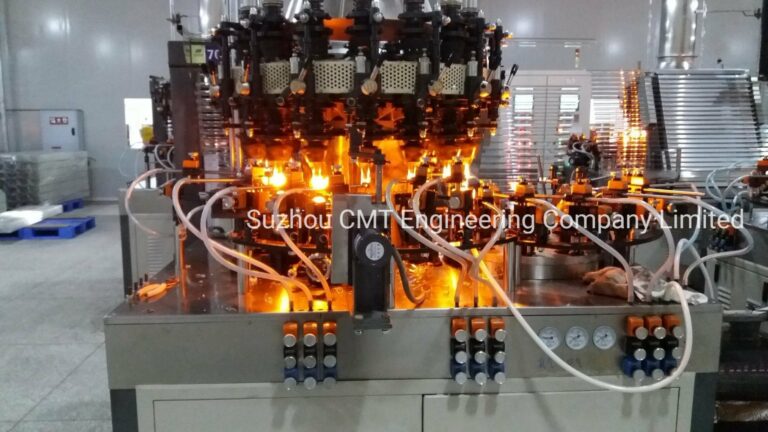
The raw material batch enters high-temperature furnaces (typically exceeding 1400°C) where it melts into molten glass. This molten material is then precisely formed into jar shapes using methods such as automatic pressing, blow-and-blow, or press-and-blow. Automation ensures uniform wall thickness and dimensional accuracy, reducing rejection rates. In some regions, and for artisanal runs, semi-automated or hand-blown techniques may also be used for premium or custom orders, but these require closer QC scrutiny.
3. Annealing and Cooling
After forming, hot jars enter an annealing lehr—a temperature-controlled tunnel—where gradual cooling relieves stress and prevents cracking. Controlled annealing is vital for long-term durability, especially for international shipping where temperature fluctuations are common.
4. Traitement de surface et décoration
Next, jars are treated to achieve required surface properties. Treatments can include acid etching, sandblasting, painting, or coating for decorative effects and increased scratch resistance. For private-label and branded products, advanced screen printing, hot stamping, and decal application create customized finishes. The choice of finishing techniques affects both packaging compliance and market appeal in different regions (e.g., minimalist in Europe, vibrant in parts of Africa and South America).
5. Assembly and Packing
If the product includes components such as lids or mounts, these are assembled under controlled conditions to maintain fit and safety. The packing stage uses shock-absorbent materials and high-strength cartons, with export-oriented suppliers focusing on ISTA-certified packaging to withstand international logistics.
Points de contrôle critiques du contrôle de la qualité
Stringent quality assurance systems are a hallmark of top-tier candle jar manufacturing. Buyers should expect robust QC at every stage:
-
Contrôle de la qualité à l'arrivée (IQC) : Inspection and testing of raw materials for purity, moisture, consistency, and chemical composition. Certified suppliers issue traceability documentation and Certificates of Analysis (COA) for all batches.
-
Contrôle de la qualité en cours de fabrication (IPQC) : Continuous sampling during melting, forming, and annealing. Automated vision systems may inspect for bubbles, inclusions, cracks, or shape distortion. Human inspectors conduct random checks for tactile defects.
-
Contrôle de qualité final (CQF) : Finished jars undergo comprehensive dimensional checks—mouth diameter, capacity, wall thickness—as well as visual inspection to identify cosmetic imperfections. Water-tightness, impact resistance, and thermal shock tests ensure the jar meets international standards and can withstand local market conditions.
Industry Standards & Certifications
B2B buyers should be aware of the following internationally recognized standards:
-
ISO 9001:2015: Certifies that the manufacturer applies comprehensive quality management systems, including traceability and continuous improvement frameworks. This is often non-negotiable for buyers in Turkey, France, and advanced African economies.
-
ISO 14001 : Highlights environmental management, critical for eco-conscious markets in the EU and select Middle Eastern countries.
-
Marquage CE : Particularly relevant for glassware and homeware distributed within Europe, indicating compliance with EU safety and consumer protection directives.
-
Food Contact Safety (e.g., EU Regulation 1935/2004): Important if jars may be repurposed for food storage in markets with regulatory overlap.
-
REACH and RoHS: Assurance that restricted chemicals are not used—vital for buyers with regulatory exposure to the EU or import controls in the Middle East.
Common Quality Testing Methods
- Test de choc thermique : Validates jar resistance to temperature changes during candle burning or environmental exposure.
- Impact Testing: Ensures jars will remain intact during handling and shipping, reducing breakage risk for importers over long supply chains.
- Dimensional Examination: Automated calipers and laser tools verify sizes match buyer specifications, critical for branding or compatibility with automated candle-filling equipment.
- Visual and Stress Point Inspections: Identifies hidden flaws invisible to the naked eye, using polarized light or dye-penetrant methods.
- Leachate Testing: Assures no harmful substances are released if jars are exposed to heat or if they contact wax or fragrance oils.
Proven Approaches for B2B Buyers to Verify Supplier Quality
-
Request Comprehensive QC Documentation: Reliable manufacturers retain detailed inspection records, test reports, and batch traceability information. B2B buyers should request samples of recent QC reports as part of the supplier vetting process.
-
Audit Supplier Facilities: Onsite or virtual audits—sometimes in partnership with third-party auditors—allow buyers to verify the operation of quality management systems and actual manufacturing conditions. This is especially recommended before finalizing large contracts or for markets with high regulatory risk.
-
Commission Third-Party Inspections: Engaging global agencies (such as SGS, Bureau Veritas, or Intertek) to conduct Pre-Shipment Inspection (PSI), Container Loading Checks (CLC), or During Production Inspection (DUPRO) helps validate compliance, especially for custom orders or suppliers in developing regions.
-
Check for Certification Validity: Demand copies of ISO 9001, CE, or local regulatory certificates, and cross-check their validity with the issuing bodies. International buyers from the Middle East, Europe, and regulated African and South American markets should be vigilant about expired or falsified paperwork.
Regional Quality Considerations for International Buyers
-
Afrique et Amérique du Sud : Supply chains may be protracted or exposed to high temperature and humidity shifts. Prioritize impact resistance and packaging quality; ensure suppliers provide ISTA packaging certification or similar.
-
Moyen-Orient : Increasing regulatory scrutiny for imported consumer goods. Buyers should insist on comprehensive traceability (ISO 9001), chemical compliance (REACH/RoHS), and—where possible—test reports in Arabic or with local regulatory recognition.
-
Europe (Turkey, France): EU markets demand CE compliance, food contact safety, and increasingly, proven eco-friendly or recycled content. Buyers in these regions should verify supplier sustainability credentials alongside product certifications.
Points d'action pour les acheteurs B2B
- Develop a robust supplier questionnaire covering manufacturing methods, QC checkpoints, and relevant certifications.
- Where possible, visit the supplier or employ third-party agencies for pre-production and pre-shipment inspections.
- Require periodic QC reports and insist on random sample testing, especially for large-volume or repeat orders.
- Specify packaging and logistical requirements upfront, based on the end market’s environment and regulatory landscape.
- Stay abreast of evolving regional regulations to avoid shipment hold-ups or rejections.
By mastering the manufacturing workflows and embedding rigorous quality assurance measures into the procurement process, international B2B buyers can mitigate supply chain risks, meet local compliance demands, and enhance their product’s reputation across diverse global markets.
Related Video: Amazing scenes。Top 6 Most Popular Factory Manufacturing Videos in China
Comprehensive Cost and Pricing Analysis for candle jar manufacturers Sourcing
Understanding Key Cost Components
When sourcing from candle jar manufacturers, understanding the core elements that shape cost structures is paramount for B2B buyers. The most significant cost drivers include:
- Matières premières: Glass (soda-lime, borosilicate, colored/clear), metals (for lids), and decorative finishes make up the largest expense, often representing 40-60% of unit cost. Fluctuations in global commodity prices and the desired grade directly affect your spend.
- Travail: Labor costs depend on manufacturing geography—plants in China, Turkey, or Eastern Europe offer differing cost bases compared to the USA or Western Europe. Automation levels and labor skill requirements (for complex shapes or finishes) also factor in.
- Frais généraux de fabrication: Machine maintenance, facility operation, utilities (energy-intensive for glass forming), and management are embedded in the unit price. High-volume, automated facilities typically leverage economies of scale for efficiency.
- Outillage et moules: Custom shapes or branding require bespoke molds. Initial tooling charges can be a significant capital outlay but may be amortized over larger or repeat orders.
- Contrôle de la qualité (CQ): Rigorous QC—often required for export, premium home décor, or food-grade jars—increases costs but minimizes risk of defects that hurt your brand.
- Packaging and Logistics: Protective packaging (to prevent glass breakage), international freight (ocean or air), customs fees, and insurance are critical for buyers from Africa, South America, the Middle East, or Europe. Distance to port and destination, as well as packaging standards, all affect landed costs.
- Marge du fournisseur: Manufacturers build in a profit margin based on their operating model, market demand, and customer segment.
Pricing Influencers: What Drives Your Quoted Price
Several factors impact final pricing in B2B candle jar procurement:
- Volume de commande et quantité minimale de commande (MOQ): Larger volumes unlock tiered pricing. For example, a 20-foot FCL (full container load) typically results in lower per-unit costs compared to LCL (less than container load) or sample orders.
- Product Specifications and Customization: Requirements for unique colors, surface treatments (matte, frosted, metallic), shapes, or branded embossing increase complexity and cost. Standard catalog products are generally more affordable.
- Material Grade and Sourcing: High-clarity glass, recycled content, or compliance with food-grade standards will command a premium over economy options.
- Normes de qualité et certifications: B2B buyers in the EU or GCC region may need REACH, ISO, or food-contact certifications, impacting both cost and supplier choice.
- Supplier Scale and Region: Established manufacturers with robust automation and supply chains may offer better pricing—especially if located near raw material sources or export hubs.
- Incoterms: EXW, FOB, CIF, and DDP terms shift responsibility and cost for transport, insurance, and delivery. For buyers managing logistics from Africa, South America, or the Middle East, choosing favorable Incoterms can significantly affect total landed cost.
Strategic Tips for International B2B Buyers
- Negotiate Beyond Price per Unit: Seek detailed breakdowns—material, labor, overhead, and logistics. Request volume discounts or bundled offers (e.g., inclusion of packaging or basic customization at no extra cost for higher orders).
- Optimiser le coût total de possession (TCO): Account not only for ex-works price but also shipping, import duties, warehousing, and potential quality claims. Sometimes, a slightly higher ex-factory cost is offset by reduced freight or lower defect rates.
- Explore Local Sourcing Hubs: For buyers in Turkey or North Africa, consider regional manufacturers to cut transit time and logistics cost. Engage with multiple suppliers to benchmark and foster competition.
- Clarify MOQ Flexibility: Early-stage businesses or new market entrants should clarify whether manufacturers are open to smaller prototype or pilot quantities before full-scale commitment.
- Plan Lead Times and Inventory: Glass manufacturing (especially for custom jars) involves several weeks for production and shipping. Factor in buffer stock to avoid unexpected shortages due to delays in global shipping or customs clearance.
- Request Certification Documentation Upfront: For regulated markets (EU, Gulf, etc.), ensure certificates and compliance paperwork are available before placing orders, avoiding post-production complications.
Regional Considerations for Buyers
- Afrique et Amérique du Sud: Logistics and port access are critical. Collaborate with freight forwarders experienced in glassware imports and ensure packing standards protect against transit breakage.
- Moyen-Orient: Leverage regional hubs such as Turkey for shortened supply chains and faster replenishment. Monitor for alignment with regional packaging preferences and religious/cultural requirements.
- L'Europe: Stringent quality and traceability expectations prevail, alongside requirements for sustainable materials and processes. Confirm that your supplier’s cost includes compliance adherence.
Avis de non-responsabilité : All indicative prices and cost components outlined here are for informational purposes. Actual quotes will vary by supplier, specifications, quantity, market, and global economic conditions. Always obtain a comprehensive, binding offer before finalizing you sourcing decision.
Spotlight on Potential candle jar manufacturers Manufacturers and Suppliers
This section offers a look at a few manufacturers active in the ‘candle jar manufacturers’ market. This is a representative sample for illustrative purposes; B2B buyers must conduct their own extensive due diligence before any engagement. Information is synthesized from public sources and general industry knowledge.
100 Jar Candle Manufacturers in 2025 (ensun.io)
100 Jar Candle Manufacturers in 2025 positions itself as a supplier of premium, large-format jar candles, with an emphasis on high fragrance performance and superior burn quality. Their flagship jars—offered in generous 24oz sizes with a wide diameter—are designed for a robust wax pool, making them ideal for larger rooms and commercial settings such as hospitality venues or retail spaces. Utilizing food-grade paraffin wax and 100% natural cotton wicks, their products are crafted to deliver a clean, long-lasting burn of up to 150 hours. For B2B buyers, these features signal a focus on quality, consistency, and user experience—key factors in international markets including Africa, South America, the Middle East, and Europe. While detailed certifications or export experience are not specified, their commitment to clean-burning, multi-wick, and versatile design caters to buyers seeking reliable, high-capacity jar candles for diverse applications.
20 Glass Jar Manufacturers in the World[2024 Updated] (www.feemio.com)
With a global overview of leading glass packaging, FEEMIO’s “Top 20 Glass Jar Manufacturers in the World” resource highlights suppliers recognized for their commitment to sustainable, responsibly sourced materials. Many listed manufacturers specialize in glass candle jars, covering a broad selection of formats such as frosted, black, white, amber, clear, and luxury jars. Several providers emphasize eco-friendly processes—using recyclable glass and advanced production techniques—helping B2B buyers meet both quality and environmental standards.
For international buyers from Africa, South America, the Middle East, and Europe, the profiled manufacturers typically offer strong export capabilities and experience with custom specifications. Key advantages include scalable production, flexibility in container sizes and finishing, and optional branding or private labeling for large orders. Although public details about specific certifications or compliance vary by supplier, the selected companies are noted for their industry experience and wide market reach.
candle jars Manufacturer/Producer (www.europages.co.uk)
Candle jars Manufacturer/Producer, listed on Europages, serves as a centralized B2B source connecting buyers with a network of over 60 specialist candle jar manufacturers and suppliers. The marketplace is known for offering a broad range of customizable candle jar options, such as vintage-style scented jars that cater to both aesthetic and branding needs. The platform highlights suppliers with expertise in high-quality filling solutions and comprehensive packaging, indicating robust capabilities in end-to-end production and private-label customization. While the collective nature of the marketplace means individual certification details may vary, many featured partners emphasize adherence to international standards and established export experience. This makes it a practical entry point for international buyers across Africa, South America, the Middle East, and Europe seeking flexible MOQs and reliable sourcing from experienced European producers.
Comparaison rapide des fabricants de profilés
| Fabricant | Bref résumé des points forts | Domaine du site web |
|---|---|---|
| 100 Jar Candle Manufacturers in 2025 | Large, high-fragrance jar candles for bulk buyers | ensun.io |
| 20 Glass Jar Manufacturers in the World[2024 Updated] | Diverse, export-oriented candle jar manufacturers | www.feemio.com |
| candle jars Manufacturer/Producer | B2B marketplace, broad selection, custom solutions | www.europages.co.uk |
Essential Technical Properties and Trade Terminology for candle jar manufacturers
Key Technical Properties When Sourcing Candle Jars
For international B2B buyers targeting consistent quality and brand reputation, understanding the core technical specifications of candle jars is essential. Each property directly impacts performance, appearance, safety, and cost. Below are the most critical technical properties to scrutinize during supplier negotiations and quality assessments:
1. Composition et qualité des matériaux
The majority of premium candle jars are made from glass, but discerning buyers should probe further: Is the jar made from soda-lime glass, borosilicate, or recycled materials? Borosilicate glass offers superior thermal resistance—important for safety and durability—whereas soda-lime is cost-effective and clear but more prone to thermal shock. Material grade impacts not only aesthetics but shipping safety and shelf life.
2. Tolérance dimensionnelle
Precise jar dimensions ensure compatibility with standardized lids, packaging, and automated filling lines. Manufacturers specify tolerances (e.g., ±1mm height/diameter) to indicate acceptable deviations. Tight tolerances reduce issues such as leakage or ill-fitting closures, minimizing product loss, rework, and customer complaints.
3. Thermal Shock Resistance
Candle jars endure repeated heating and cooling cycles. Thermal shock resistance denotes the jar’s ability to withstand sudden temperature changes without cracking. International buyers, particularly those in markets with variable supply chain climates (Africa, Middle East), should look for manufacturers that test for thermal shock performance in line with international standards.
4. Finish and Closure Compatibility
“Finish” refers to the jar’s neck and rim design, dictating which types of lids and closures are compatible. Uniform finishes are vital for brands offering candles in various scents or collections, ensuring all lids fit securely and provide a consistent perceived value to end customers.
5. Surface Treatment and Decoration Options
Many jars offer options like frosted glass, color coatings, screen printing, or hot stamping for branding. Buyers should inquire about available treatments, in-house vs. outsourced decoration, and durability (e.g., scratch or fade resistance), ensuring their product’s visual appeal holds up during logistics and at the point of sale.
6. Load Bearing and Impact Strength
A candle jar’s ability to withstand stacking, transport, and potential drops is crucial for worldwide distribution. Ask for data on load capacity and impact testing, especially for bulk shipments to markets with demanding last-mile conditions.
Common Trade Terminology in the Candle Jar Industry
Navigating international procurement requires fluency in critical B2B terminology. Here are essential terms buyers will encounter when sourcing from candle jar manufacturers:
1. MOQ (Minimum Order Quantity)
The smallest production volume a manufacturer is willing to fulfill. MOQs vary based on jar type, decoration, and supplier capacity. Understanding MOQs is vital for inventory planning, especially for new market entries or SKU launches.
2. OEM (Original Equipment Manufacturer)
Suppliers labeling themselves as OEM partners can produce candle jars to your custom designs and specifications (including branding), not just off-the-shelf models. OEM capability enables market differentiation and private label offerings.
3. RFQ (Request for Quotation)
A formal document sent to suppliers requesting price quotes for specified jar types, quantities, and technical requirements. An RFQ ensures clear expectations and enables apples-to-apples comparisons between potential suppliers, streamlining negotiation.
4. Incoterms (conditions commerciales internationales)
Universal trade terms (e.g., FOB, CIF, DDP) define the division of shipping, insurance, and customs responsibilities between buyer and seller. For buyers in Africa, South America, or the Middle East, selecting the right Incoterm directly impacts cost, risk, and delivery timelines.
5. Délai d'exécution
The period from order confirmation to delivery or dispatch. Understanding and negotiating lead times—including production and shipping—helps buyers align product launches and manage seasonal demand.
6. Certificate of Compliance (CoC)
A document confirming the candle jars meet agreed-upon quality, safety, and regulatory standards (e.g., REACH, FDA for food-grade glass). CoCs are increasingly required for import into the EU and other markets with strict compliance regimes.
Actionable Advice:
International B2B buyers should incorporate these technical specs and terminology into their supplier vetting process and contracts. Clearly defining requirements in early-stage discussions prevents costly misunderstandings, protects brand reputation, and ensures supply chain resilience—no matter your market or order size.
Navigating Market Dynamics, Sourcing Trends, and Sustainability in the candle jar manufacturers Sector
Global candle jar manufacturing is experiencing significant growth, driven by various market dynamics that international B2B buyers need to navigate. The global candle market was valued at over $14 billion in 2024, with expectations to reach nearly $20.36 billion by 2030, growing at a compound annual growth rate (CAGR) of 6.4%. Key drivers include increasing consumer interest in home decor, wellness products, and sustainable living. The rise of e-commerce has also transformed sourcing practices, enabling buyers from Africa, South America, the Middle East, and Europe to access a wider range of suppliers and products.
Emerging trends include the demand for customized and branded candle jars, which cater to specific consumer preferences. The integration of technology in manufacturing processes, such as automation and data analytics, is enhancing operational efficiency and reducing lead times. Additionally, buyers are increasingly seeking suppliers that can provide transparent sourcing practices and product information, allowing for better decision-making.
Durabilité et approvisionnement éthique dans le B2B
Sustainability is a critical consideration for candle jar manufacturers. The environmental impact of traditional materials, such as plastic and non-biodegradable waxes, has prompted a shift towards more eco-friendly options. B2B buyers are now prioritizing suppliers who utilize sustainable materials like recycled glass, biodegradable wax, and natural dyes.
Ethical sourcing practices also play a vital role in the decision-making process. Buyers are encouraged to evaluate suppliers based on their adherence to ethical labor practices and environmental regulations. Certifications such as FSC (Forest Stewardship Council) and ISO 14001 (Environmental Management) are becoming essential indicators of a supplier’s commitment to sustainability. By partnering with manufacturers who prioritize ethical practices, B2B buyers can enhance their brand reputation while contributing positively to the environment.
Brève évolution/histoire
The candle jar manufacturing sector has evolved significantly over the past few decades. Initially dominated by traditional glassmaking techniques, advancements in technology have led to the widespread adoption of automated processes, enhancing production capacity and reducing costs. The introduction of new materials and design innovations has also expanded the variety of candle jars available, catering to a diverse consumer base. As sustainability and ethical sourcing have gained prominence, manufacturers have adapted by integrating eco-friendly practices into their operations, positioning themselves favorably in an increasingly competitive market.
This evolution reflects a broader trend towards customization and sustainability that continues to shape the industry, providing valuable insights for international B2B buyers looking to make informed purchasing decisions.
Vidéo connexe : Le commerce international expliqué
Frequently Asked Questions (FAQs) for B2B Buyers of candle jar manufacturers
-
How can I efficiently vet and verify international candle jar manufacturers for quality and reliability?
Start by requesting documentation—business licenses, export certificates, and relevant quality certifications (e.g., ISO, SGS). Evaluate supplier reputation through third-party B2B platforms, industry directories, and customer reviews. Ask for recent references and inquire about their track record with clients in your region. Arrange video tours of their facilities or appoint a local third-party inspector. Strong and timely communication, clear responses, and transparency regarding production capacity and lead times are also key indicators of a trustworthy partner. -
What customization options are typically available for candle jars, and what information should I prepare?
Most reputable manufacturers offer a range of customization, including jar shapes, sizes, glass colors, lid options, logo printing, embossing, and decorative finishes. Some also accommodate unique packaging requests. Prepare artwork files (preferably in vector format), clear specifications for dimensions and finishes, desired material types, and region-specific compliance needs (e.g., food-grade standards if needed). Early clarification of your branding and regulatory requirements can speed up sampling and production. -
What are standard minimum order quantities (MOQs), and how can I negotiate flexible terms for my market?
MOQs vary widely, usually starting from 1,000 to 10,000 units depending on manufacturer size and customization complexity. For new or emerging markets in Africa, the Middle East, or South America, some suppliers might agree to lower MOQs—especially for trial orders or standard products. To negotiate, clearly explain your business goals, expected order frequency, and growth potential. Bundling product variations within a single order can also help reach MOQs without large stock commitments in one SKU. -
What are typical lead times for production and shipping to international destinations?
Lead times depend on product complexity and order volume. Standard candle jars may require 3–6 weeks for production, while custom designs or high-volume orders can extend to 8–12 weeks. Shipping from major manufacturing centers (e.g., China, USA, Turkey) to Africa, South America, or the Middle East typically adds 3–6 weeks, depending on shipping method and port congestion. Always confirm timelines in advance and build in a buffer for customs clearance and unexpected delays. -
Which quality assurance processes and certifications should I look for in a candle jar manufacturer?
Prioritize manufacturers with robust QA/QC protocols, such as in-house inspection, raw material testing, and final product checks for consistency and safety. Look for certifications like ISO 9001 (quality management), SGS/BV inspection reports, and—where applicable—product-specific standards (e.g., REACH for the EU, FDA glass compliance for the US). Request sample shipments and, for larger commitments, consider appointing a third-party quality inspector to audit before dispatch. -
What payment terms and methods are commonly accepted for international orders, and how can I reduce risk?
Commonly accepted payment terms include advance payment (T/T), Letter of Credit (L/C), or a deposit balance structure (e.g., 30% down, 70% before shipping). Established suppliers might offer open account or deferred terms to long-term clients. To minimize risk, start with L/C or escrow for initial transactions, and avoid full upfront payments. Always confirm bank details through official communication channels and verify company ownership to guard against fraud. -
What international shipping and logistics considerations should I plan for when sourcing candle jars?
Decide if you require Ex Works (EXW), FOB, CIF, or DDP incoterms, depending on your logistics capabilities. For fragile goods like glass jars, confirm packing standards (e.g., double-wall cartons, palletization). Collaborate with freight forwarders experienced with your destination region, and verify if the supplier provides export-compliant packaging and customs documentation. Proactively account for local port handling, import duties, and required certifications for smooth customs clearance. -
How should I handle disputes over quality, delivery delays, or damaged shipments with my supplier?
Establish clear contract terms including product specifications, agreed inspection steps, and acceptable tolerances. Request detailed photos and signed quality reports before shipment. In the event of an issue, document all discrepancies thoroughly with photos and written records, and notify the supplier immediately. Many disputes can be resolved amicably through negotiation, but always have provision for third-party arbitration (ICC, CIETAC) if resolution stalls, and consider trade credit insurance for large transactions.
Strategic Sourcing Conclusion and Outlook for candle jar manufacturers
In today’s dynamic global market, strategic sourcing of candle jar manufacturers offers international B2B buyers a significant competitive edge. By carefully assessing supplier capabilities, product quality standards, and customization options, buyers from regions like Africa, South America, the Middle East, and Europe can secure reliable, scalable partnerships that align with their evolving business needs. Key considerations remain consistent: verify production capacity, ensure international certifications are met, and explore suppliers’ flexibility in design and packaging.
Strong supplier relationships are foundational for timely deliveries and product consistency—critical factors as demand for candles in wellness, hospitality, and consumer segments continues to surge worldwide. Prioritizing manufacturers with diverse offerings and transparent supply chains not only mitigates operational risks but also enables agile responses to shifting market preferences. As consumer trends increasingly drive demand for unique vessels and branded experiences, sourcing partners who provide design support and lower minimum order quantities become invaluable.
Looking ahead, the candle jar sector is poised for sustained growth, driven by innovation and expanding global markets. International buyers are encouraged to leverage digital sourcing platforms, conduct thorough due diligence, and seek out manufacturers that demonstrate responsiveness, quality commitment, and openness to collaboration. By anchoring your sourcing strategy in informed, flexible supplier selection, your business can capture opportunities in both established and emerging candle markets—positioning you for long-term growth and resilience.




 French
  English
  Russian
  Spanish
  Italian
  Thai
Thai  Arabic
  Portuguese
  Indonesian
  German