
Introduction
Dans cet article
- Introduction
- Que recherchent réellement les utilisateurs ?
- Principaux enseignements
- What is the Quick and Direct Answer to ‘Plant-Based Biodegradable Wooden Cream Jar’?
- How Can We Dive Deeper into Plant-Based Biodegradable Wooden Cream Jar? (A Full Explanation)
- What Materials are Used in Plant-Based Biodegradable Wooden Cream Jars?
- How are Plant-Based Biodegradable Wooden Cream Jars Manufactured?
- What Makes These Jars Biodegradable?
- Quels sont les principaux facteurs et éléments à prendre en compte ?
- What is the Environmental Impact of Using Plant-Based Jars?
- Are Plant-Based Jars Cost-Effective for Brands?
- How Do Storage and Shelf Life Compare?
- What are the Main Advantages and Disadvantages of Plant-Based Biodegradable Wooden Cream Jar?
- What are the Advantages of Plant-Based Biodegradable Wooden Cream Jars?
- What are the Disadvantages of Plant-Based Biodegradable Wooden Cream Jars?
- Quelles sont les applications pratiques et les exemples concrets ?
- How are Plant-Based Biodegradable Wooden Cream Jars Being Used in Skincare?
- What Brands are Leading the Charge in Using Plant-Based Jars?
- Qu'est-ce que la conclusion finale et le résumé ?
- Quelles sont les autres questions fréquemment posées (FAQ) ?
- What are the benefits of using a plant-based biodegradable wooden cream jar?
- How do plant-based biodegradable wooden cream jars compare to traditional plastic jars?
- Are plant-based biodegradable wooden cream jars safe for skincare products?
- Where can I buy plant-based biodegradable wooden cream jars?
- Common Problems and Smart Solutions for Plant-Based Biodegradable Wooden Cream Jar
- Pain Point: Limited Awareness of Biodegradable Benefits
- Pain Point: Durability Concerns
- Pain Point: Price vs. Value Perception
- Exploring Alternatives to Plant-Based Biodegradable Wooden Cream Jar
Are you tired of choosing between eco-friendly packaging and effective product preservation? The Plant-based Biodegradable Wooden Cream Jar offers a comfortable solution for those seeking sustainable alternatives in their skincare routine. As consumers increasingly demand environmentally responsible options, many wonder if these jars can genuinely compete with traditional plastic. In this article, we’ll explore the benefits and drawbacks of plant-based biodegradable cream jars, address common concerns, and provide insights into their impact on both your beauty regimen and the planet. Read on to discover how this innovative packaging can meet your needs while contributing to a greener future.
Qu'est-ce qu'un utilisateur ? Vraiment Vous cherchez ?
* **Problem Solving:** Users are asking specific questions like ‘- What are the benefits of using a plant-based biodegradable wooden cream jar?’ and ‘- How do plant-based biodegradable wooden cream jars compare to traditional plastic jars?’. This shows they have specific problems they need to solve regarding ‘Plant-based Biodegradable Wooden Cream Jar’.
Cet article vise à répondre à tous ces besoins en fournissant des explications complètes, des guides pratiques et des informations comparatives.
Principaux enseignements
Eco-Friendly Material: The wooden cream jar is made from plant-based biodegradable materials, making it a sustainable choice for environmentally conscious consumers.
Biodégradable: Designed to break down naturally over time, reducing landfill waste and contributing to a healthier planet.
L'attrait esthétique: The natural wood finish offers a unique and attractive look, enhancing product presentation and appeal.
Utilisation polyvalente: Ideal for various cosmetic products, including creams, lotions, and balms, catering to a wide range of beauty and skincare needs.
Plant-Based Biodegradable Wooden Cream Jar: The Sustainable Choice for Skincare Packaging
In a world increasingly focused on sustainability, the plant-based biodegradable wooden cream jar emerges as a revolutionary alternative for skincare packaging. This innovative option not only serves as an eco-friendly vessel for creams and lotions but also aligns with a growing consumer demand for environmentally responsible products. In this comprehensive guide, we will explore every aspect of plant-based biodegradable wooden cream jars, answering your questions and providing insights into their benefits, comparisons, safety, and purchasing options.
What is the Quick and Direct Answer to ‘Plant-Based Biodegradable Wooden Cream Jar’?
A plant-based biodegradable wooden cream jar is a sustainable packaging solution made primarily from wood-derived materials. Unlike traditional plastic containers, these jars are designed to decompose naturally over time, minimizing environmental impact. They are suitable for a variety of skincare products and often integrate aesthetic appeal and functionality, making them an attractive choice for eco-conscious brands and consumers.
How Can We Dive Deeper into Plant-Based Biodegradable Wooden Cream Jar? (A Full Explanation)
To fully understand the concept of plant-based biodegradable wooden cream jars, it’s essential to delve into their composition, manufacturing process, and environmental implications.
What Materials are Used in Plant-Based Biodegradable Wooden Cream Jars?
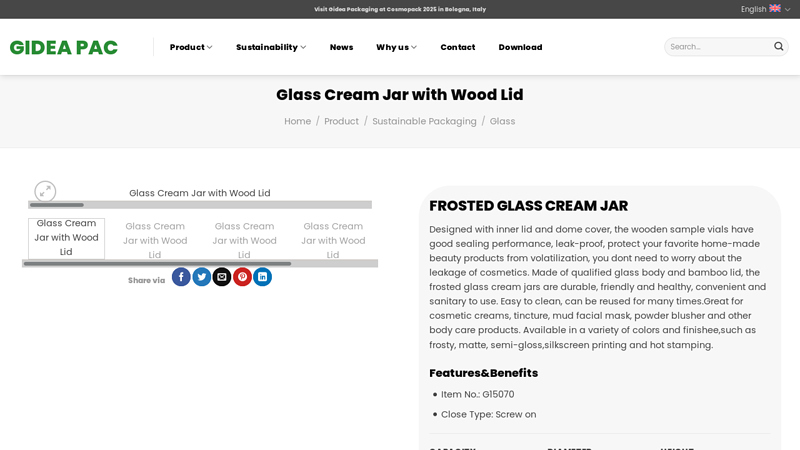
Source : gideapac.com
Plant-based biodegradable wooden cream jars are typically made from materials such as:
Wood Fiber: Sourced from sustainably managed forests, wood fiber is the main component of these jars. It provides structural integrity and a natural aesthetic.
Bioplastics: Some jars may incorporate bioplastics derived from renewable resources like cornstarch or sugarcane, enhancing durability while remaining biodegradable.
Natural Resin: Natural resins can be used as binding agents, ensuring the jar maintains its shape and functionality without compromising biodegradability.
How are Plant-Based Biodegradable Wooden Cream Jars Manufactured?

The manufacturing process involves several key steps:
- Sourcing : Raw materials are sourced from sustainable forests or agricultural by-products.
- Traitement : The wood fibers or bioplastics are processed into a moldable material.
- Molding: The material is shaped into jars using heat and pressure, similar to traditional plastic molding techniques.
- Finition : The jars are then finished with natural coatings or dyes, ensuring they are safe for skincare products while enhancing their aesthetic appeal.
What Makes These Jars Biodegradable?
The biodegradability of these wooden cream jars is primarily due to their organic materials. They break down into natural substances when exposed to moisture, heat, and microbial activity, typically within a few months to a few years, depending on environmental conditions.

Source: greenearthpackaging.com
Quels sont les principaux facteurs et éléments à prendre en compte ?
When considering plant-based biodegradable wooden cream jars, several core factors and components should be evaluated:
What is the Environmental Impact of Using Plant-Based Jars?
The environmental impact of using plant-based biodegradable wooden cream jars is significantly lower than that of traditional plastic jars. They reduce plastic waste and reliance on fossil fuels, contributing to a circular economy.
Are Plant-Based Jars Cost-Effective for Brands?
While the initial cost of plant-based biodegradable jars may be higher than plastic options, brands can benefit from reduced waste disposal costs and appeal to environmentally conscious consumers, leading to increased sales and customer loyalty.
How Do Storage and Shelf Life Compare?
Plant-based biodegradable wooden cream jars typically have a similar shelf life to traditional jars when stored properly. However, exposure to extreme humidity or heat may affect their integrity, so proper storage conditions are essential.
What are the Main Advantages and Disadvantages of Plant-Based Biodegradable Wooden Cream Jar?
What are the Advantages of Plant-Based Biodegradable Wooden Cream Jars?
- Eco-Friendliness: These jars reduce plastic pollution and carbon footprint, appealing to environmentally conscious consumers.
- L'attrait esthétique : The natural wood finish offers a premium look, enhancing the overall branding of skincare products.
- Biodegradability: Unlike plastics, these jars break down naturally, reducing landfill waste.
- Consumer Demand: Increasing consumer awareness and demand for sustainable products make these jars a strategic marketing advantage.
What are the Disadvantages of Plant-Based Biodegradable Wooden Cream Jars?
- Coût : Higher production costs may lead to increased retail prices, which can deter some consumers.
- Durabilité : While sturdy, wooden jars may not be as resilient as plastic counterparts, particularly in humid environments.
- Limited Availability: Currently, the market for biodegradable wooden cream jars is smaller compared to traditional packaging options, making sourcing more challenging.
- Potential for Contamination: If not properly treated, wood can harbor bacteria or mold, necessitating careful handling and processing.
Quelles sont les applications pratiques et les exemples concrets ?
How are Plant-Based Biodegradable Wooden Cream Jars Being Used in Skincare?
Many brands are adopting plant-based biodegradable wooden cream jars for their skincare lines. Here are some real-world applications:
- Luxury Skincare Brands: High-end brands often use these jars to enhance the premium feel of their products while showcasing their commitment to sustainability.
- Organic and Natural Skincare Products: Brands focusing on organic ingredients benefit from using eco-friendly packaging that aligns with their brand values.
- Gift Sets and Special Editions: Biodegradable wooden jars are increasingly popular for gift sets, where consumers seek unique and sustainable packaging options.
What Brands are Leading the Charge in Using Plant-Based Jars?
Source: cleanthesky.com
Several brands are pioneering the use of plant-based biodegradable wooden cream jars:
Lush Cosmetics: Known for its commitment to sustainability, Lush has incorporated wooden jars into its product line, highlighting the eco-friendly nature of its packaging.
Burt’s Bees: This brand focuses on natural ingredients and has adopted biodegradable packaging for many of its skincare products.
Aesop: The luxury skincare brand utilizes wooden jars in select products, appealing to eco-conscious consumers through elegant design and sustainable materials.
Qu'est-ce que la conclusion finale et le résumé ?
In conclusion, the plant-based biodegradable wooden cream jar represents a significant advancement in sustainable skincare packaging. By minimizing environmental impact and appealing to consumer demand for eco-friendly products, these jars offer a compelling alternative to traditional plastic containers. While they come with some challenges, such as higher costs and potential durability issues, their numerous advantages make them a smart choice for brands looking to align with sustainable practices.
As the market continues to evolve, the adoption of plant-based biodegradable wooden cream jars is expected to grow, paving the way for a more sustainable future in the skincare industry.
Quelles sont les autres questions fréquemment posées (FAQ) ?
What are the benefits of using a plant-based biodegradable wooden cream jar?
Using a plant-based biodegradable wooden cream jar offers several benefits, including reduced plastic waste, enhanced aesthetic appeal, and alignment with consumer preferences for sustainable products. They contribute positively to the environment by decomposing naturally and minimizing the carbon footprint of packaging.

How do plant-based biodegradable wooden cream jars compare to traditional plastic jars?
Plant-based biodegradable wooden cream jars are more environmentally friendly than traditional plastic jars. They break down naturally over time, while plastic can take hundreds of years to decompose. Additionally, wooden jars often provide a more premium appearance, appealing to consumers seeking luxury and sustainability.
Are plant-based biodegradable wooden cream jars safe for skincare products?
Yes, plant-based biodegradable wooden cream jars are generally safe for skincare products when properly treated and manufactured. Brands must ensure that any coatings or finishes used are non-toxic and compatible with the products they contain.
Where can I buy plant-based biodegradable wooden cream jars?
You can purchase plant-based biodegradable wooden cream jars from various sources, including:
Détaillants en ligne : Websites specializing in eco-friendly packaging often offer a range of wooden cream jars.
Sustainable Packaging Suppliers: Many suppliers focus on providing sustainable packaging solutions for brands.
Direct from Manufacturers: Some companies offer bulk purchasing options for businesses looking to incorporate these jars into their product lines.
By understanding the intricate details surrounding plant-based biodegradable wooden cream jars, consumers and brands alike can make informed decisions that contribute to a more sustainable future.
Common Problems and Smart Solutions for Plant-Based Biodegradable Wooden Cream Jar
Common User Pain Points for Plant-based Biodegradable Wooden Cream Jars
Pain Point: Limited Awareness of Biodegradable Benefits
Scénario de l'utilisateur :
Emma, an eco-conscious consumer, has recently switched to plant-based products. She loves the idea of using biodegradable packaging but struggles to find clear information on how these products impact the environment compared to traditional packaging. After purchasing several cream jars that claim to be biodegradable, she worries whether her choices are truly sustainable or just a marketing gimmick.
Solution :
To alleviate concerns about the authenticity of biodegradable products, Emma can take the following steps:
- Recherche de marques : Look for brands that provide certifications, such as “Biodegradable” or “Compostable,” which can often be verified through third-party organizations.
- Lire les commentaires : Engage with online communities or forums that discuss eco-friendly products. User reviews can provide insights into the actual performance and sustainability of the jars.
- Ask Questions: Reach out to customer service representatives of brands to inquire about their sourcing, manufacturing processes, and the end-of-life options for their products. Transparency is key in understanding the sustainability claims.
Pain Point: Durability Concerns
Scénario de l'utilisateur :
Mark enjoys making homemade creams and lotions, and he wants to package them in something environmentally friendly. However, he has read mixed reviews about the durability of biodegradable wooden cream jars. He fears that the jars will not hold up well over time, leading to leaks or breakage.
Solution :
Mark can address his durability concerns by:
- Selecting Quality Materials: Look for jars made from high-quality wood, such as bamboo or sustainably harvested hardwood. These materials often have better durability and resistance to moisture.
- Check Product Specifications: Review the manufacturer’s specifications for weight capacity and ideal storage conditions. This information can help assess whether the jars will meet his needs.
- Conduct a Test Run: Before committing to large batches, Mark can purchase a few jars to test with his creams. This trial will allow him to evaluate their performance and durability firsthand.
Pain Point: Price vs. Value Perception
Scénario de l'utilisateur :
Sophia is a small business owner who makes organic skincare products. She wants to switch to plant-based biodegradable wooden cream jars to align her brand with eco-friendly values. However, she is hesitant due to the higher price point compared to plastic options. She worries that her customers may not be willing to pay extra for the jars.
Solution :
To justify the investment in biodegradable jars, Sophia can:
- Educate Customers: Use her website and social media platforms to share the environmental benefits of biodegradable packaging. Informing customers about how their purchases contribute to reducing plastic waste can enhance their willingness to pay more.
- Highlight Unique Selling Points (USPs): Emphasize the uniqueness of her products, such as the use of sustainable materials and commitment to eco-friendliness, which can attract a niche market willing to support sustainable practices.
- Offer Bundles or Discounts: Consider offering promotional packages that combine her products with the new jars, making them more appealing. This strategy can help offset the cost for customers while still conveying the value of sustainability.
By addressing these common pain points, users can make informed choices about plant-based biodegradable wooden cream jars, leading to a more satisfying and environmentally conscious experience.

Source: accio.com
Exploring Alternatives to Plant-Based Biodegradable Wooden Cream Jar
The term “Plant-based Biodegradable Wooden Cream Jar” likely refers to a sustainable packaging solution designed for cosmetic or skincare products. This innovative product appeals to eco-conscious consumers who prioritize environmentally friendly materials. In this comparison, we will analyze similar products on the market that also emphasize sustainability. The table below outlines key features of the Plant-based Biodegradable Wooden Cream Jar alongside two main competitors, giving you a clear understanding of how they stack up against each other.
| Fonctionnalité | Plant-Based Biodegradable Wooden Cream Jar | Bocal en verre écologique | Recycled Plastic Jar |
|---|---|---|---|
| Matériau | Plant-Based Biodegradable Wood | Verre | Recycled Plastic |
| Biodégradabilité | Fully Biodegradable | Non biodégradable | Partially Biodegradable |
| Poids | Léger | Plus lourd | Léger |
| L'attrait esthétique | Natural, rustic finish | Sleek, modern look | Versatile designs |
| Impact sur l'environnement | Low impact, renewable resources | High energy for production | Reduces plastic waste |
| Coût | Modéré | Higher initial cost | Budget-friendly |
- Analyse des experts de l'industrie






 French
  English
  Russian
  Spanish
  Italian
  Thai
Thai  Arabic
  Portuguese
  Indonesian
  German