
Introduction: Navigating the Global Market for Custom Glass lotion bottle, glass jar
Sourcing custom glass lotion bottles and glass jars for international cosmetic distribution demands navigating complex supply chains while ensuring consistent quality across diverse regulatory environments. For B2B buyers operating in emerging markets—from Nigeria and Saudi Arabia to Brazil and Eastern Europe—the procurement process often involves bridging significant gaps between design expectations and manufacturing realities, particularly when coordinating custom decorations like electroplating or UV-protective amber glass across different time zones and quality standards.
What Critical Challenges Do Buyers Face When Importing Glass Packaging?
The global marketplace for cosmetic glass containers presents a fragmented landscape where production capabilities vary dramatically between regions. Buyers frequently encounter inconsistencies in material quality, ranging from inferior glass frit that compromises product integrity to inadequate light protection for sensitive formulations. Navigating customization workflows—from silk-screen printing to frosted finishes—requires technical expertise to ensure brand specifications translate accurately across cultural and linguistic barriers, while logistics complexities can delay launches and inflate costs.
How Can This Guide Optimize Your International Procurement Strategy?
This comprehensive resource addresses the complete ecosystem of glass packaging procurement, from material selection to supplier vetting. We examine technical specifications including high-white glass durability, capacity ranges from 5ml to 250ml, and sustainable options like recyclable pump mechanisms. For international buyers, we provide frameworks for verifying ISO and BSCI certifications, cost-optimization strategies accounting for regional import regulations, and logistics solutions tailored to African, Middle Eastern, South American, and European trade routes. By consolidating technical expertise with regional market insights, this guide empowers you to establish resilient supply partnerships that protect your investment while elevating your brand’s packaging standards.
Understanding Custom Glass lotion bottle, glass jar Types and Variations
| Typ Name | Wichtigste Unterscheidungsmerkmale | Primäre B2B-Anwendungen | Kurze Vor- und Nachteile für Käufer |
|---|---|---|---|
| Boston Round Glass Bottles | Classic cylindrical shape with rounded shoulders; universal neck finish; 5ml-250ml capacity range; compatible with standard pumps | Mass-market skincare lotions, hair care products, pharmaceutical topicals, hotel amenities | Vorteile: Lower mold costs, stable production, easy pump sourcing. Nachteile: Poor shipping density (cubic utilization), limited shelf differentiation. |
| Square & Geometric Glass Containers | Angular profiles (square, rectangular, hexagonal); flat panel surfaces; space-efficient geometry; modern aesthetic | Premium cosmetic lines, men’s grooming, retail displays with space constraints, luxury hospitality | Vorteile: Maximized pallet density (lower freight costs), large label adhesion area. Nachteile: Higher manufacturing complexity, corner vulnerability during transit. |
| UV-Protective Amber/Black Glass | Iron oxide-infused glass blocking 99% UV rays; opaque brown, black, or dark green hues; pharmaceutical-grade protection | Photosensitive formulations (vitamin C, retinol, essential oils), natural/organic skincare, apothecary brands in sunny climates | Vorteile: Extends shelf life without preservatives, premium aesthetic, climate-resistant. Nachteile: Higher material costs, obscures product visibility/levels. |
| Frosted & Specialty Finish Glass | Acid-etched or sandblasted matte surfaces; electroplated metallic gradients; silk-screen or embossed detailing | Luxury spa brands, boutique skincare, personalized corporate gifts, bridal markets | Vorteile: Tactile premium feel, hides fill lines, strong differentiation. Nachteile: High MOQs for custom finishes, requires specialized labeling adhesives. |
| Refillable Glass Systems with Eco-Pumps | Thick-walled durable construction; recyclable PP/ABS or bamboo pump mechanisms; designed for 5-10 reuse cycles | Sustainable beauty brands, zero-waste retail, subscription services, EPR-compliant markets (EU, Middle East) | Vorteile: Regulatory compliance, long-term cost savings, brand loyalty via reuse. Nachteile: High initial investment, requires consumer education, pump durability critical. |
Which Boston Round Designs Offer the Best Cost Efficiency for Bulk Orders?
Boston Round bottles remain the industry standard for liquid skincare formulations due to their symmetrical cylindrical shape and universal neck finishes compatible with standard pumps and caps. Their curved shoulders facilitate smooth product dispensing while minimizing residual waste. For B2B buyers managing tight margins in competitive
Key Industrial Applications of Custom Glass lotion bottle, glass jar
| Industrie/Sektor | Specific Application of Custom Glass lotion bottle, glass jar | Wert/Nutzen für das Unternehmen | Wichtige Überlegungen zur Beschaffung für diese Anwendung |
|---|---|---|---|
| Premium Cosmetics & Skincare | High-end facial serums, anti-aging lotions, luxury moisturizers in UV-protective containers | Premium brand positioning; chemical stability for sensitive ingredients; sustainability credentials | ISO/BSCI certification; UV-blocking glass options (amber/black); decoration capabilities (frosting, silk-screening); climate-appropriate packaging for hot regions |
| Hospitality & Hotel Amenities | Refillable bathroom dispensers for lotions, spa treatment containers, branded amenity jars | Operational cost reduction through refillable systems; enhanced guest experience; brand consistency across properties | Pump durability for high-traffic use; corrosion resistance for coastal/humid climates; waterproof labeling/engraving; flexible MOQ for boutique hotels |
| Pharmaceutical & Medical Wellness | Dermatological creams, therapeutic lotions, herbal medicinal packaging | Absolute product purity; chemical inertness; regulatory compliance for medical-grade storage | Medical-grade borosilicate glass; child-resistant closure compatibility; Braille labeling capability; temperature stability documentation |
| Gourmet Food & Specialty Products | Artisanal honey jars, cold-pressed oil bottles, gourmet sauce containers | Extended shelf life without chemical leaching; premium shelf presence; reusability for consumer retention | Food-grade certification (FDA/EU); wide-mouth jar designs; airtight seal integrity; decoration durability for refrigerated supply chains |
| Home Fragrance & Aromatherapy | Luxury candle vessels, reed diffuser bottles, essential oil containers | Heat resistance for candle use; essential oil compatibility; luxury aesthetic for interior design markets | Heat-resistant glass specifications; VOC compatibility testing; leak-proof pump/seal systems; seasonal customization capabilities |
How Are Custom Glass Lotion Bottles Transforming Premium Cosmetics Manufacturing?
In the premium cosmetics sector, custom glass lotion bottles serve as the primary vessel for high-value serums, anti-aging creams, and luxury moisturizers. These containers solve critical stability challenges by providing inert, non-reactive surfaces that preserve sensitive active ingredients like retinol and vitamin C. For buyers in Saudi Arabia and Nigeria, UV-blocking amber or black glass options are essential to prevent product degradation in high-temperature climates. The ability to customize with frosting, silk-screening, or metallic finishes allows brands to align with regional aesthetic preferences while conveying luxury positioning in competitive duty-free and retail markets.
What Makes Glass Packaging Essential for Hospitality Amenities Sourcing?
The hospitality industry utilizes custom glass dispensers and jars to elevate guest experiences in luxury hotels, resorts, and spa facilities across the Middle East and Africa. These refillable systems replace single-use plastics, supporting sustainability mandates while reducing long-term procurement costs. Custom engraving and labeling enable consistent branding across bathroom amenities, from hand lotions to body washes. For international buyers, sourcing considerations include pump durability for high-traffic environments and resistance to corrosion from saline or chlorinated water in coastal resort properties, ensuring operational longevity in demanding hospitality settings.
Why Are Pharmaceutical Companies Switching to Glass Packaging Solutions?
Pharmaceutical and medical wellness companies leverage glass lotion bottles for dermatological treatments, therapeutic creams, and herbal medicinal products requiring absolute purity and chemical stability. Glass’s impermeable nature prevents contamination and maintains potency for temperature-sensitive formulations common in regions like Nigeria with varying storage conditions. B2B buyers prioritize medical-grade borosilicate glass options and child-resistant closure compatibility to meet regulatory standards. The customization capabilities allow for precise dosing mechanisms and Braille labeling accommodations, ensuring accessibility compliance while maintaining the professional medical aesthetic required for pharmacy and clinical distribution channels.
How Can Custom Glass Jars Elevate Gourmet Food Export Brands?
In the specialty food sector, custom glass jars function as premium packaging for artisanal honey, cold-pressed oils, and gourmet sauces targeting export markets and domestic luxury retail in Europe and South America. These containers solve preservation challenges by providing airtight seals that maintain product freshness without chemical leaching. For European and Middle Eastern buyers, the aesthetic versatility—from traditional embossed designs to modern minimalist frosted finishes—supports brand storytelling around heritage and quality. Sourcing priorities include wide-mouth designs for easy product access, food-grade certification compliance, and decoration durability to withstand refrigeration and handling throughout the supply chain.
What Are the Critical Requirements for Glass Packaging in Home Fragrance?
The home fragrance industry employs custom glass jars and bottles for luxury candles, reed diffusers, and aromatherapy oils targeting the growing wellness markets in Europe and the Middle East. These containers must withstand essential oil exposure without degradation while providing the visual elegance expected in high-end interior retail. For B2B buyers, sourcing heat-resistant glass for candle applications and ensuring compatibility with volatile organic compounds are critical requirements. Customization options such as metallic lids and gradient coloring enable brands to align with seasonal collections and regional design preferences, from ornate Middle Eastern patterns to Scandinavian minimalism.

A stock image related to Custom Glass lotion bottle, glass jar.
3 Common User Pain Points for ‘Custom Glass lotion bottle, glass jar’ & Their Solutions
Scenario 1: How Can Small Brands Manage High Minimum Order Quantities for Custom Glass Packaging?
Das Problem: Small to mid-sized cosmetic brands in emerging markets like Nigeria or Saudi Arabia frequently encounter manufacturers requiring MOQs of 20,000 to 50,000 units for fully custom glass molds. This creates severe cash flow pressure, ties up limited warehouse space, and increases inventory risk if product lines underperform. This is particularly challenging for startups in regions where access to trade financing is limited, forcing buyers to choose between brand differentiation and financial security. Many abandon customization entirely, settling for generic packaging that weakens their market positioning against established competitors.
Die Lösung: Opt for “semi-custom” strategies utilizing manufacturers’ existing mold libraries—such as cylindrical, Boston round, or square shapes—combined with advanced decoration techniques like electroplating, gradient spraying, or hot stamping. This approach often reduces MOQs to 3,000–5,000 units while maintaining premium aesthetics. Negotiate phased production schedules where you pay for smaller batches released periodically rather than simultaneous delivery. Prioritize suppliers with high-capacity automated production lines capable of daily outputs exceeding 500,000 units, as these facilities typically offer greater flexibility on minimums for decorated standard bottles due to efficient changeover capabilities.
Scenario 2: What Strategies Prevent Production Delays When Sourcing Custom Glass Bottles Internationally?
Das Problem: B2B buyers planning product launches around specific cultural or seasonal peaks—such as Ramadan in the Middle East or the dry season in West Africa—frequently underestimate total procurement timelines. Custom glass production can require 6–8 weeks, plus 3–4 weeks for ocean freight and potential customs delays. In regions with port congestion common in parts of Africa and South America, these delays can extend to 12–14 weeks total, devastating businesses launching time-sensitive limited-edition lines or seasonal skincare formulations. Without precise scheduling, brands miss critical revenue windows or arrive with outdated packaging.
Die Lösung: Implement a “sample-lock” protocol where design approvals and physical samples are confirmed before mass production begins, eliminating costly rework cycles. Select manufacturers with in-house design teams who can fast-track technical drawings and who maintain raw material inventories (such as high-white glass frit) to avoid sourcing delays. Build 15–20% buffer time into your launch calendar, and consider hybrid shipping strategies—air freight for initial launch stock followed by sea freight for replenishment. Establish clear communication channels for real-time production updates, particularly when working across time zones with suppliers in Asia.
Scenario 3: How Do Buyers Ensure Glass Packaging Quality Survives Tropical Climates and Long Transit?
Das Problem: Buyers in tropical regions (South America, Africa) or extreme desert climates (Middle East) often receive glass packaging that performs poorly under local conditions. Standard clear glass may offer insufficient UV protection for sensitive skincare formulations, causing ingredient degradation and discoloration. Additionally, decorative elements like screen-printed logos can peel or fade under high humidity during long transit. There is also frequent confusion between borosilicate and soda-lime glass—buyers may receive standard soda-lime containers that cannot withstand extreme pH
Strategic Material Selection Guide for Custom Glass lotion bottle, glass jar
Selecting the optimal substrate for your cosmetic packaging line requires balancing formulation compatibility, supply chain reliability, and regional market preferences. For B2B buyers managing procurement across diverse climates—from the humidity of West Africa to the arid heat of the Gulf States—understanding material specifications ensures your glass lotion bottles and jars maintain structural integrity during international transit. The following analysis examines four primary glass compositions used in custom cosmetic packaging, evaluating their performance characteristics, cost structures, and suitability for bulk manufacturing operations in key emerging markets.
Which Glass Composition Delivers the Best Value for High-Volume Production?
Soda-lime glass dominates the cosmetic packaging sector, comprising approximately 90% of global production for lotion bottles and cream jars. Manufactured from silica, soda ash, and limestone, this material offers excellent chemical inertness, ensuring that active skincare ingredients remain stable during the product lifecycle. Its moderate thermal expansion coefficient suits standard filling operations, though it requires climate-controlled logistics when shipping to regions with extreme temperature variations. The material’s compatibility with automated decoration techniques—including six-color silk screening and hot foil stamping—enables cost-effective brand differentiation at scale. For buyers in Nigeria and South America, soda-lime glass provides the optimal balance between durability and procurement economics, with established supply chains minimizing lead time risks.
Is Borosilicate Glass Worth the Investment for Extreme Climate Conditions?
Borosilicate glass distinguishes itself through superior thermal shock resistance, withstanding temperature differentials up to 165°C without structural compromise. For brands marketing hot-fill products or targeting markets with extreme climate fluctuations—such as Saudi Arabian summers or high-altitude South American regions—this pharmaceutical-grade material eliminates cracking risks during sterilization and transport. The material’s low coefficient of expansion ensures seal integrity across varying storage conditions, critical for maintaining pump mechanism functionality. While unit costs run 40-60% higher than standard alternatives, the reduced breakage rates during international shipping and enhanced premium perception often justify the investment. Its exceptional clarity and substantial heft communicate luxury positioning effectively in European and Middle Eastern markets where tactile quality influences purchasing decisions.
How Does UV-Protective Tinted Glass Extend Product Shelf Life in Sunny Climates?
Amber, cobalt blue, and opaque black glass formulations incorporate iron oxide and carbon to block 90-99% of harmful UV radiation. Critical for protecting retinol-based creams, vitamin C serums, and natural organic formulations prevalent in sun-intensive markets like Nigeria and the Middle East, these materials prevent photodegradation that compromises efficacy. The inherent coloration eliminates secondary labeling requirements for light-sensitive products, streamlining production workflows and reducing label costs. However, the opacity limits consumer visual assessment of remaining product volume, requiring strategic design solutions such as graduated markings or transparent side panels. For B2B buyers, tinted glass offers competitive differentiation in markets where product longevity claims support premium pricing strategies.
What Are the Supply Chain Implications of Using Post-Consumer Recycled Glass?
PCR glass incorporates 30-70% recycled cullet, reducing carbon emissions by approximately 25% compared to virgin material production. As European sustainability regulations tighten and African eco-conscious consumer segments expand, this material offers compliance advantages and brand positioning benefits. The manufacturing process produces subtle color variations and occasional aesthetic inclusions, which savvy marketers position as artisanal authenticity rather than defects. While material costs remain comparable to standard soda-lime glass, minimum order quantities typically increase by 20-30% due to specialized batch processing requirements. For buyers targeting circular economy initiatives, PCR glass aligns with corporate ESG mandates while maintaining the infinite recyclability that makes glass packaging inherently sustainable.
| Material | Typical Use Case for Custom Glass lotion bottle, glass jar | Hauptvorteil | Wesentlicher Nachteil/Beschränkung | Relative Cost |
|---|---|---|---|---|
| Soda-Kalk-Glas | Mass-market lotions, standard creams, body milks | Cost-effective, widely available, excellent decoration compatibility | Moderate thermal shock resistance, requires climate-controlled shipping | Niedrig |
| Borosilikatglas | Premium serums, hot-fill products, pharmaceutical-grade cosmetics | Extreme temperature durability, superior chemical stability | High unit cost, limited supplier base, heavier shipping weight | Hoch |
| UV-Protective Glass (Amber/Black/Cobalt) | Photosensitive formulations, natural/organic cosmetics, vitamin-rich creams | Blocks 90-99% UV radiation without secondary labeling | Opaque appearance limits product visibility, higher material cost than clear | Mittel-Hoch |
| Post-Consumer Recycled (PCR) Glass | Eco-brand lines, sustainable corporate initiatives, circular economy products | Reduced carbon footprint, regulatory compliance, marketing differentiation | Color inconsistency between batches, higher MOQs, limited availability in some regions | Mittel |

A stock image related to Custom Glass lotion bottle, glass jar.
In-depth Look: Manufacturing Processes and Quality Assurance for Custom Glass lotion bottle, glass jar
When sourcing custom glass lotion bottles and jars for international markets, understanding the technical backbone of manufacturing and quality assurance separates high-value partnerships from risky transactions. For buyers operating in regions with stringent import standards—such as the EU’s REACH regulations or Saudi Arabia’s SASO requirements—visibility into production workflows ensures not only aesthetic consistency but also regulatory compliance and supply chain resilience.
What Raw Materials Define Premium Glass Packaging Quality?
The foundation of durable cosmetic glassware begins with material selection. Premium manufacturers utilize high-white glass frit—a silica-based compound with reduced iron content that delivers exceptional clarity and color consistency. For brands requiring UV protection for light-sensitive formulations (such as retinol-based creams or essential oil blends), amber, cobalt blue, or opaque black glass variants incorporate specific mineral oxides that block harmful light wavelengths while maintaining chemical stability.
B2B buyers should verify that suppliers utilize lead-free, BPA-free glass compositions compliant with FDA and EU cosmetic safety standards. Additionally, inquire about recycled glass content (post-consumer recycled material) which reduces carbon footprint without compromising structural integrity—a critical selling point for environmentally conscious markets in Europe and North America.
How Are Custom Glass Bottles and Jars Manufactured at Scale?
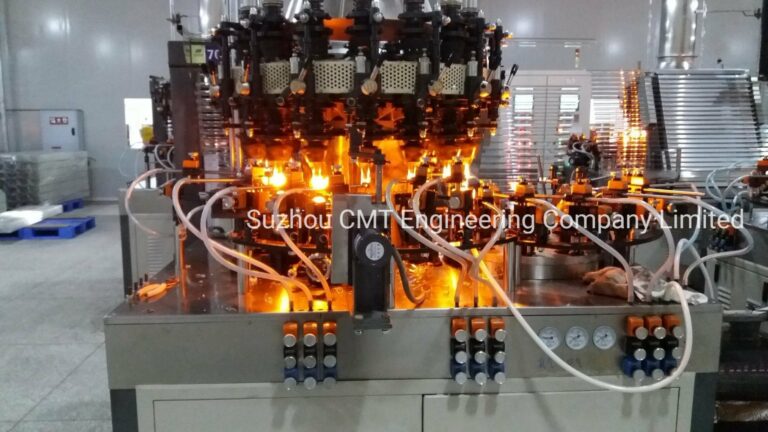
Modern glass packaging production leverages automated IS (Individual Section) machine technology, capable of producing 500,000 to 1 million units daily depending on bottle complexity. The process begins in high-temperature furnaces (1,500°C+) where raw materials melt into molten glass. Automated feeders transfer precise gobs of glass into multi-section molds, where compressed air forms the parison into final bottle shapes.
For cosmetic jars and lotion bottles requiring thick walls for durability, manufacturers employ press-and-blow techniques rather than blow-only methods, ensuring uniform wall thickness critical for pump mechanism compatibility. Following formation, controlled annealing ovens gradually cool glassware to eliminate internal stresses that could cause thermal shock breakage during filling or shipping—particularly vital for buyers in hot climates like Nigeria or Saudi Arabia where temperature fluctuations occur during transit.
What Decoration Technologies Elevate Brand Differentiation?
Beyond basic forming, secondary processing transforms standard containers into premium brand assets. Advanced decoration capabilities include:
- Silk Screen Printing: Six-color automated systems enable precise logo application and ingredient labeling directly on glass surfaces, offering superior scratch resistance compared to adhesive labels.
- Hot Stamping & Embossing: Metallic foil application and raised glass textures create tactile luxury cues essential for high-end skincare positioning.
- Oberflächenbehandlungen: Frosting (acid etching or sandblasting), gradient spraying, and electroplating provide distinctive visual effects while maintaining container recyclability—unlike plastic laminates.
Reputable manufacturers provide pre-production sampling workflows where engineers adjust Pantone color matching, opacity levels, and print registration before mass production, minimizing costly errors for buyers managing inventory across multiple international markets.
Which Quality Assurance Protocols Should B2B Buyers Verify?
Robust quality management extends beyond final inspection. Look for suppliers certified under ISO 9001 (quality management), ISO 14001 (environmental management), and BSCI (Business Social Compliance Initiative)—particularly important for buyers in ethically conscious European markets. REACH compliance ensures absence of restricted chemical substances, while CE marking indicates conformity with European health and safety standards.
Effective QC workflows should include:
- Incoming Material Inspection: Verification of glass frit purity and colorant consistency
- In-Process Monitoring: Dimensional checks during forming to ensure neck finish compatibility with standard pumps (24/410, 28/410 threads)
- Pre-Shipment Sampling: AQL (Acceptable Quality Level) inspections checking for defects like seeds (air bubbles), stones (impurities), or check marks (surface cracks)
- Capacity Verification: Gravimetric testing to confirm stated volumes (5ml–250ml ranges) meet regulatory labeling requirements
How Does Mold Development Work for Custom Geometries?
For brands requiring proprietary shapes—hexagonal serum bottles or square cream jars—manufacturers utilize CNC-machined cast iron or stainless steel molds. Initial prototype development typically spans 7–15 days, involving 3D modeling and sample production for dimensional approval. Buyers should confirm whether mold investments are amortized against order volumes or require upfront payment, as this impacts unit economics for smaller batch orders (MOQ considerations).
Multi-cavity molds (8–12 sections) maximize production efficiency for high-volume orders, while single-cavity tooling accommodates limited edition runs or market testing phases common among emerging cosmetic brands in South America and Africa.
What Sustainability Standards Support Global Market Access?
Environmental compliance increasingly functions as a market entry requirement rather than a value-add. Verify that manufacturers offer:
- 100% Recyclable Glass: Infinite recyclability without quality degradation
- Refillable Designs: Threaded jars and pump bottles engineered for multiple usage cycles, reducing packaging waste
- Eco-Friendly Accessories: Pump mechanisms utilizing recyclable PP/ABS plastics or bamboo components rather than mixed-material assemblies that complicate recycling streams
For buyers targeting Middle Eastern markets, ensure products comply with local environmental initiatives such as Saudi Vision 2030 sustainability guidelines, while European buyers should prioritize Extended Producer Responsibility (EPR)-compliant packaging solutions.
By scrutinizing these manufacturing and quality assurance dimensions, B2B procurement teams secure packaging partnerships that mitigate supply chain risks, ensure regulatory adherence across diverse markets, and deliver consistent brand experiences from Lagos to London.
Practical Sourcing Guide: A Step-by-Step Checklist for ‘Custom Glass lotion bottle, glass jar’
Procuring custom glass packaging for international cosmetic markets requires strategic coordination between design specifications, regulatory compliance, and supply chain logistics. This practical checklist equips B2B buyers—particularly those sourcing for markets in Nigeria, Saudi Arabia, and emerging European territories—with actionable steps to evaluate manufacturers, ensure product integrity, and establish reliable procurement workflows for glass lotion bottles and jars.
1. What specifications should you define before sourcing custom glass lotion bottles?
Detail your precise capacity requirements, typically ranging from 5ml travel sizes to 250ml retail formats, alongside bottle geometry preferences such as cylindrical, Boston round, or square profiles. Specify high-white flint glass for premium transparency or select amber and black glass variants for UV-sensitive formulations requiring photoprotection. Confirm closure system compatibility—whether treatment pumps, disc caps, or bamboo dispensers—and mandate material certifications verifying BPA-free composition and 100% recyclability standards to meet sustainability mandates.
2. How do you verify manufacturer certifications for international cosmetic packaging?
Validate ISO 9001, BSCI, and REACH compliance documentation to ensure adherence to international quality management and chemical safety standards. For Middle Eastern and European distribution, confirm CE marking availability and relevant cosmetics packaging regulations. Request detailed documentation of inline quality inspection protocols across automated production lines. Critically assess whether the facility maintains sufficient manufacturing scale with documented daily output capacities exceeding your projected volume requirements to prevent supply chain disruptions during peak demand periods.
3. What customization capabilities indicate a qualified glass bottle supplier?
Examine comprehensive decoration portfolios spanning frosted acid etching, gradient spray painting, metallic electroplating, and precision multi-color silk screening utilizing 6-color automated systems. Confirm the supplier’s sampling protocol includes physical pre-production prototypes for tactile and visual approval before mass manufacturing commences, with explicit revision allowances for color matching and typographic accuracy. Verify technical competency in specialized luxury finishes such as hot stamping, embossing, or debossing to achieve distinctive shelf presence.
4. How can you confirm production capacity meets your inventory demands?
Analyze stated daily output volumes—established manufacturers typically sustain 500,000 to 1,000,000 units daily—and confirm realistic mold development timelines for proprietary bottle designs. Establish transparent production schedules accounting for seasonal fluctuations and ocean freight logistics to African, South American, and Middle Eastern ports. Negotiate strategic buffer stock agreements or consignment arrangements for recurring orders to mitigate international shipping variability and port congestion risks.
5. What quality control standards ensure product safety compliance?
Require comprehensive batch-level inspection reports covering glass wall thickness consistency, pump mechanism actuation durability, and leak-proof sealing verification under transport simulation conditions. For photosensitive skincare applications, demand certified UV-blocking efficacy data for amber or cobalt-tinted glass variants. Confirm compliance with cosmetic packaging migration standards in target markets. Institute contractual pre-shipment inspection rights, potentially via third-party agencies, enabling rejection of batches exhibiting dimensional deviations, particulate contamination, or cosmetic decoration defects.
6. How do you evaluate sustainability credentials and logistics efficiency?
Prioritize suppliers utilizing post-consumer recycled glass content and refillable bottle architectures to align with circular economy regulations and ESG reporting requirements. Clarify Minimum Order Quantities (MOQs), palletization standards suitable for ocean freight containerization, and Incoterms responsibilities regarding port of destination. Secure detailed inner packing specifications utilizing shock-absorbent materials to prevent transit breakage. Establish secure payment structures balancing initial deposit requirements with letter-of-credit or escrow options suitable for high-value international transactions.

A stock image related to Custom Glass lotion bottle, glass jar.
Comprehensive Cost and Pricing Analysis for Custom Glass lotion bottle, glass jar Sourcing
Sourcing custom glass lotion bottles and jars requires looking beyond the per-unit quote to understand the total landed cost structure. For buyers in markets like Nigeria, Saudi Arabia, or Brazil, pricing volatility often stems from mold investments, decoration complexity, and container optimization rather than material costs alone. When evaluating suppliers capable of producing one million units daily, understanding how automated production lines impact pricing tiers becomes essential for accurate budget forecasting. A comprehensive analysis reveals that while standard off-the-shelf designs offer immediate cost advantages, custom configurations demand strategic planning around amortization, certification requirements, and regional logistics variables that significantly affect your final investment.
How Do Minimum Order Quantities Affect Your Pricing Tiers?
Glass packaging manufacturers typically structure pricing in volume brackets, with significant breaks occurring at 10,000, 30,000, and 100,000+ unit thresholds. High-capacity facilities producing approximately one million units daily can offer competitive unit costs below $0.50 for standard 100ml cylindrical bottles, but these economies require commitments to 20,000+ pieces per SKU. For emerging brands unable to meet these thresholds, consolidating orders across multiple SKUs or selecting stock molds with minor label customization often proves more cost-effective than bearing the burden of low-volume custom production premiums, which can inflate unit costs by 40-60%.
What Mold Development Costs Should You Expect for Custom Designs?
Custom shapes—whether hexagonal jars or Boston round bottles—incur upfront mold fees ranging from $800 to $5,000 depending on cavity complexity and precision requirements. These tooling investments typically amortize across the production run, meaning your break-even point usually occurs between 15,000 to 25,000 units. When sourcing from certified manufacturers with automated production lines, negotiate mold ownership transfer clauses; this ensures you retain the tooling asset for future production cycles without paying duplicate fees when reordering. For complex designs requiring multi-cavity molds, expect lead times of 15-25 days before sample approval, during which deposit capital remains committed.
How Do Material Specifications and Decoration Techniques Impact Costs?
Material selection creates distinct pricing tiers: high-white glass commands a 15-20% premium over standard flint glass but offers superior clarity for premium positioning, while UV-protective amber or black glass adds approximately $0.08-$0.12 per unit. Decoration costs vary dramatically by technique—simple silk-screening adds $0.03-$0.05 per color, whereas electroplating or gradient spraying can increase unit costs by $0.25-$0.40. For buyers targeting European sustainability mandates or Middle Eastern eco-conscious consumers, specifying recycled glass content may add 5-10% to material costs but eliminates future compliance risks and appeals to environmentally aware market segments.
What Logistics Considerations Affect Total Landed Costs for Regional Buyers?
Shipping efficiency critically impacts pricing for African and Middle Eastern markets, where cylindrical bottles optimize container space better than square alternatives, potentially reducing freight costs by 20-25%. Factor in 30-45 day sea freight timelines and potential demurrage charges at congested ports like Lagos or Jeddah. Additionally, inquire about ISPM-15 compliant palletization and reinforced packaging to prevent breakage during long-haul transit, as glass damage rates can spike to 3-5% without proper protective measures, directly eroding your cost savings. Consider negotiating EXW terms if you have established freight forwarders familiar with regional import documentation requirements.
Which Payment Structures Minimize Financial Risk in International Sourcing?
Standard B2B terms for custom glass typically require 30% deposit with mold fees paid upfront, and 70% against bill of lading—though established buyers may negotiate 50/50 splits. Budget for sampling costs at 2-3x the projected unit price, as manufacturers must halt production lines for custom color matching and decoration proofs. Always secure detailed proforma invoices specifying Incoterms (typically FOB or CIF) to avoid disputes over freight forwarding responsibilities that could delay shipments to South American or European distribution centers. For large orders exceeding $50,000, consider letter-of-credit arrangements to mitigate payment risks while building supplier trust.
Alternatives Analysis: Comparing Custom Glass lotion bottle, glass jar With Other Solutions
When selecting primary packaging for skincare and personal care lines, B2B procurement teams must weigh material performance against supply chain realities, particularly when sourcing for diverse markets across Africa, the Middle East, and South America. While custom glass lotion bottles and jars remain the gold standard for luxury positioning and chemical inertness, two alternatives dominate mid-range and sustainable segments: post-consumer recycled (PCR) PET plastic containers and aluminum cosmetic bottles. Each solution presents distinct trade-offs regarding freight economics, regulatory compliance, and brand perception that require careful evaluation before committing to mold investments.
| Vergleich Aspekt | Custom Glass Lotion Bottle, Glass Jar | rPET Plastic Bottles & Jars | Aluminum Cosmetic Bottles & Tins |
|---|---|---|---|
| Material Safety & Compatibility | Superior chemical inertness; zero risk of leaching or gas permeation; ideal for acidic vitamin C serums and essential oil blends | Good chemical resistance; requires compatibility testing for solvent-heavy formulas; risk of microplastic contamination in supply chain | Excellent barrier properties; requires epoxy phenolic lining for alkaline or acidic lotions to prevent metal interaction |
| Customization & Branding | Extensive surface decoration (frosting, electroplating, embossing, silk screening); tactile luxury weight; transparent/amber/UV-blocking colors available | Limited to labeling, shrink sleeves, or basic color injection; lightweight feel may reduce perceived value; clear versions offer product visibility | Moderate customization via anodizing, digital printing, and embossing; metallic finish conveys modern industrial aesthetic; opaque by nature |
| Unit Cost & MOQ | Higher per-unit cost ($$); MOQs typically 5,000–10,000 units due to mold fabrication requirements | Lowest cost entry ($); stock molds available with MOQs as low as 1,000 units; ideal for market testing | Moderate cost ($$); custom tooling required but lower than glass molds; competitive for mid-size runs (3,000–5,000 units) |
| Logistics & Freight Efficiency | Heavy weight increases sea freight costs by 40–60% compared to alternatives; higher breakage risk requires reinforced export packaging | Lightweight (reduce shipping costs by up to 70%); flexible sourcing from regional hubs in Nigeria, Turkey, or Southeast Asia | Lightweight yet durable; minimal breakage during transit; stackable design optimizes container space for Middle Eastern and European distribution |
| Sustainability & End-of-Life | Infinitely recyclable without quality loss; supports circular economy models mandated in EU regulations; refillable systems available | Recyclable but often downcycled into fiber; dependent on regional recycling infrastructure (variable in South America and Africa); carbon footprint lower in transport phase | Infinitely recyclable with high scrap value; recycling infrastructure well-established globally; energy-intensive initial production but offsets with lightweight transport |
How Do Recycled PET Plastic Bottles Compare to Glass for Lotion Packaging in Emerging Markets?
rPET plastic containers offer compelling advantages for B2B buyers operating in price-sensitive markets such as Nigeria or Brazil, where logistics costs often exceed product manufacturing expenses. The material’s negligible weight reduces landed costs significantly when shipping full container loads from Asian manufacturing hubs, while lower MOQs allow brands to test multiple SKUs without committing to glass-level inventory volumes. However, procurement teams must verify that suppliers provide true PCR content certification, as unregulated markets may offer “greenwashed” virgin plastic. The trade-off lies in shelf presence: while glass communicates pharmaceutical-grade purity essential for Saudi Arabian luxury consumers, plastic struggles to convey the same tactile premiumness, though advanced decoration techniques like soft-touch coating can narrow this perception gap for mass-market distribution.
Are Aluminum Cosmetic Containers a Viable Alternative to Glass Jars for Premium Skincare Lines?
Aluminum packaging presents a strategic middle ground for brands targeting the Middle Eastern hospitality sector or European eco-conscious consumers who prioritize travel-friendly durability alongside sustainability. Unlike glass, aluminum withstands the temperature fluctuations common in cross-continental shipping to African ports and offers superior protection against UV degradation for sensitive formulations like retinol creams. The material’s high scrap value ensures robust recycling rates even in developing economies with informal waste sectors, addressing corporate ESG commitments. Yet, buyers must account for the necessity of protective interior linings, which add complexity to the supply chain, and the inability to showcase product texture through the container—a key disadvantage against transparent glass when marketing artisanal lotions in boutique European retail environments.
Essential Technical Properties and Trade Terminology for Custom Glass lotion bottle, glass jar
When sourcing custom glass lotion bottles and jars for international distribution, precise technical specifications and standardized trade terminology form the foundation of successful procurement contracts. Understanding these parameters prevents costly miscommunications regarding compatibility, regulatory compliance, and logistics—particularly critical when managing supply chains across diverse climates and regulatory environments in the Middle East, Africa, and Europe.
What Technical Specifications Determine Glass Container Quality and Compatibility?
High-White Glass Composition and Thermal Resistance
Specify soda-lime silica glass with high-white clarity (low-iron content) to ensure chemical inertness for pH-sensitive skincare formulations. For markets experiencing extreme temperature variations during transport—common in Gulf Cooperation Council (GCC) regions or Sub-Saharan Africa—verify thermal shock resistance ratings (typically Δ60°C for standard cosmetic glass) to prevent cracking during hot-fill processing or climate-controlled storage transitions.
Neck Finish and Thread Specifications
The neck finish designation (e.g., 24/410, 28/400) dictates pump dispenser compatibility and sealing integrity. Critical dimensions include thread pitch, bore diameter, and finish height tolerances (±0.5mm), ensuring hermetic seals that withstand pressure changes during air freight and prevent leakage of viscous lotions in high-temperature warehouses.
UV Protection Coefficients and Amber Glass Ratings
For formulations containing photosensitive ingredients like retinol or vitamin C, specify amber or antique glass with documented light transmission rates (typically <10% at 300-450nm wavelengths). This photoprotection is essential for products stored in high-sunlight regions, preventing degradation before reaching end consumers in open-air retail environments common in Nigerian or Saudi Arabian markets.
Wall Thickness and Impact Resistance Metrics
Standard cosmetic glass wall thickness ranges from 3-5mm, directly affecting freight weight calculations and breakage susceptibility. Request Izod impact resistance data (ASTM D256 standards) and vertical load testing results to ensure containers survive rough handling through port logistics and last-mile distribution networks.
Capacity Tolerance and Regulatory Fill Standards
Manufacturing tolerances typically allow ±2-3% volume variance; however, specify exact brimful capacity versus labeled fill volume to comply with EU Weights and Measures Regulations or NAFDAC (Nigeria) net content requirements. This prevents regulatory rejection due to underfilling claims.
What Essential Trade Terms Govern Custom Glass Procurement Contracts?
MOQ (Minimum Order Quantity) and Mold Investment Structures
MOQs typically range 3,000–10,000 units for existing stock molds, while custom mold development requires 50,000+ unit commitments or separate mold fees ($2,000–$10,000). Clarify whether suppliers calculate MOQ per individual SKU or allow combined shipments across multiple sizes to optimize initial inventory investment.
OEM vs. ODM Manufacturing Arrangements
OEM (Original Equipment Manufacturing) executes your proprietary designs with exclusive molds, whereas ODM (Original Design Manufacturing) modifies existing supplier catalog designs with your branding. ODM arrangements reduce mold costs and lead times by 30-40%, ideal for market testing before committing to exclusive tooling.
Lead Time Milestones and Production Scheduling
Distinguish between TTM (Time to Market) components: pre-production sampling (7-15 days), mold fabrication (20-30 days), and mass production (30-45 days). For seasonal product launches, negotiate “TT” (Telegraphic Transfer) payment triggers that align production milestones with shipping windows to avoid demurrage charges at destination ports.
FOB, CIF, and EXW Incoterms for International Logistics
FOB (Free On Board) transfers ownership at the origin port; CIF (Cost, Insurance, Freight) includes maritime shipping to your destination; EXW (Ex Works) requires you to arrange collection from the factory. For buyers in landlocked African markets or complex Middle Eastern customs zones, CIF terms often simplify clearance procedures and insurance liability.
Decoration Specifications: Silk Screening vs. Hot Stamping
Silk screening applies ceramic inks directly onto glass surfaces (dishwasher-safe, abrasion-resistant), while hot stamping transfers metallic foils for premium aesthetic effects. Specify Pantone color matching protocols and adhesion testing standards (ASTM D3359 cross-hatch test) to ensure decoration survives humid storage conditions during ocean transit.
AQL Standards and Pre-Production Sampling
Define Acceptable Quality Level (AQL) standards—typically 1.0–2.5 for cosmetic glass—establishing defect thresholds (e.g., maximum permissible bubble size or decoration misalignment) for bulk shipments. Pre-Production Samples (PPS) must be approved before mass manufacturing, serving as the binding quality benchmark for third-party inspection agencies.
Navigating Market Dynamics and Sourcing Trends in the Custom Glass lotion bottle, glass jar Sector
The global cosmetic glass packaging sector is experiencing a paradigm shift driven by regional premiumization and formulation-specific requirements across diverse economic landscapes. For B2B buyers targeting the burgeoning beauty markets of Saudi Arabia and Nigeria, alongside established European premium segments, demand now centers on suppliers capable of delivering high-white glass with advanced UV-protection capabilities—particularly amber and black variants that preserve sensitive active ingredients like retinol and vitamin C from photodegradation in harsh climates. This technical necessity coincides with an aesthetic arms race where packaging serves as the primary tactile brand touchpoint; manufacturers must offer extensive decoration portfolios including six-color automatic screen printing, hot stamping, embossing, and gradient spraying to secure shelf differentiation in competitive retail environments.
Supply chain resilience has emerged as a non-negotiable procurement pillar following recent global logistics disruptions affecting maritime routes to Africa and South America. Astute buyers are increasingly prioritizing manufacturers with scalable automated production—capacities exceeding one million units daily—who can guarantee delivery timelines while accommodating flexible minimum order quantities for market testing. The market also demonstrates bifurcated demand for capacity ranges: compact travel-size formats (5–30ml) for sampling programs and airline retail in emerging markets, alongside substantial 200–250ml vessels for family-sized premium body care lines. Furthermore, geometric diversification beyond standard cylindrical bottles toward Boston rounds, square profiles, and hexagonal designs reflects sophisticated brand storytelling, with custom mold development now accessible to mid-tier brands rather than solely luxury houses. The convergence of e-commerce expansion and unboxing culture has further elevated packaging complexity, requiring glass bottles to withstand individual shipping stresses while maintaining pristine surface quality for direct-to-consumer deliveries across vast distribution networks.
How Can International Buyers Implement Sustainable and Ethical Sourcing in Glass Packaging Supply Chains?
Sustainability has transitioned from marketing differentiator to procurement mandate, particularly for buyers navigating the European Union’s Green Deal directives and emerging extended producer responsibility (EPR) frameworks across target regions. Leading suppliers now integrate post-consumer recycled (PCR) glass cullet into high-white glass production, maintaining aesthetic clarity while reducing virgin raw material extraction by up to 30%. This material innovation aligns with the broader shift toward refillable bottle systems—glass vessels designed for multiple usage cycles with replaceable pump mechanisms, significantly reducing per-unit packaging waste over the product lifecycle. Water stewardship and energy-efficient furnace technologies represent emerging evaluation criteria as manufacturers face scrutiny over resource-intensive melting processes; buyers should assess partners utilizing electric melting technologies or biofuel-powered furnaces to reduce Scope 1 emissions.
Navigating the regulatory mosaic requires particular attention to REACH compliance for European distribution, CE marking for product safety, and region-specific plastic reduction mandates affecting closure components. In African
Frequently Asked Questions (FAQs) for B2B Buyers of Custom Glass lotion bottle, glass jar
1. What is the minimum order quantity for custom glass lotion bottles and jars in B2B procurement?
Minimum order quantities vary significantly based on customization depth and supplier capabilities. For stock glass bottles requiring only surface decoration such as silk-screen printing or labeling, MOQs typically range from 3,000 to 5,000 units per SKU, though some manufacturers accommodate startup brands with 1,000-unit minimums for digital printing services.
When developing custom molds for unique bottle shapes or proprietary designs, expect MOQs between 10,000 and 30,000 units, as this covers mold fabrication costs and ensures production line efficiency. Strategic buyers often consolidate multiple SKUs into single orders or negotiate quarterly fulfillment agreements to meet volume thresholds while managing cash flow. Always confirm whether MOQs apply per color variant or per total order, as this distinction impacts inventory planning for multi-SKU beauty lines.
2. What customization options are available for glass cosmetic jars and bottles beyond basic labeling?
Modern glass packaging offers extensive decoration capabilities to differentiate your brand on crowded retail shelves. Surface treatments include frosted etching, gradient spray painting, metallic electroplating, and multi-color silk screening (up to six colors simultaneously), while structural modifications encompass custom mold development for unique geometries like hexagonal or Boston round profiles.
Functional customization extends to closure systems, with options ranging from standard PP/ABS pumps to premium bamboo or metal dispensers, plus airless pump mechanisms that extend product shelf life. For luxury positioning, consider hot stamping, embossing, or debossing directly onto the glass surface. Capacity customization spans 5ml to 250ml in standard ranges, with engineering teams capable of developing intermediate sizes to match specific formulation volumes.
3. How long does production typically take for custom glass packaging orders shipped to Africa and the Middle East?
Standard production timelines follow a phased approach: sample development requires 7-14 days for initial prototypes, followed by 30-45 days for mass production after sample approval. If creating custom molds, add 15-25 days for mold fabrication and testing before sampling begins.
Ocean freight to African ports (Lagos, Durban) or Middle Eastern hubs (Jeddah, Dubai) typically requires 25-40 days depending on routing and transshipment requirements. Therefore, plan for 75-100 days total lead time from order confirmation to warehouse delivery. Rush production is possible with 20-30% premium pricing, reducing timelines by 10-15 days. Always build in buffer time for customs clearance and potential shipping delays during peak seasons (Ramadan, Chinese New Year).
4. What is the difference between borosilicate and soda-lime glass for cosmetic containers?
Soda-lime glass constitutes approximately 90% of cosmetic packaging globally, offering excellent chemical resistance and cost-effectiveness for lotions, creams, and serums. While fully recyclable and BPA-free, it has limited thermal shock resistance (thermal expansion coefficient of ~9.1 × 10⁻⁶/°C), making it unsuitable for hot-fill processes or extreme temperature fluctuations.
Borosilicate glass features superior thermal shock resistance (~3.3 × 10⁻⁶/°C expansion coefficient), allowing containers to withstand sterilization, hot-filling, and freezer-to-counter transitions without cracking. Its exceptional clarity and premium weight justify higher per-unit costs, making it ideal for high-end serums, essential oils, and pharmaceutical-grade formulations. For standard room-temperature cosmetics without thermal processing requirements, soda-lime provides optimal value, while borosilicate serves specialized stability needs.
5. How can international buyers ensure quality control and compliance when sourcing custom glass packaging overseas?
Implement a multi-layered quality assurance protocol starting with supplier verification—prioritize manufacturers holding ISO 9001, BSCI, REACH, and CE certifications who utilize automated inline inspection systems. Request pre-production samples to verify annealing quality (stress-free glass prevents spontaneous breakage) and dimensional accuracy within ±1mm tolerances.
During production, insist on AQL 1.0 or 2.5 sampling standards for pre-shipment inspections, including leakage testing, drop tests from 1.2 meters, and thermal shock assessments. For high-value orders, engage third-party inspection agencies (SGS, Bureau Veritas) to conduct factory audits and container loading supervision. Ensure suppliers utilize protective packaging standards including egg-crate corrugated dividers, foam netting, and moisture-resistant pallet wrapping to minimize transit damage to fragile glass.
6. What are the optimal shipping and logistics strategies for importing fragile glass containers to regions like Nigeria and Saudi Arabia?
Protecting glass during international transit requires specialized packaging protocols: individual bottles should be separated by corrugated dividers or foam inserts, with cartons reinforced by corner boards and shrink-wrapped to pallets capable of withstanding 2-ton stacking pressure. Choose Incoterms carefully—FOB provides cost control and visibility into handling at origin ports, while CIF offers convenience but requires verification of insurance coverage.
For African and Middle Eastern destinations, consider consolidated container services (LCL) for orders under 15 cubic meters, or full container loads (FCL) for larger volumes to minimize handling points. Secure all-risk marine insurance covering breakage, as standard carrier liability rarely covers fragile goods adequately. Plan shipments to avoid monsoon seasons (June-September for West Africa) and coordinate with local clearing agents familiar with cosmetic packaging regulations in destination countries to prevent customs delays.
7. How do I select the appropriate glass color and UV protection level for light-sensitive cosmetic formulations?
Glass color selection directly impacts product stability and brand positioning. Amber (brown) and black glass provide 99% UV light blockage, essential for protecting retinol, vitamin C, essential oils, and natural formulations from photodegradation. Cobalt blue offers similar UV protection with premium aesthetic appeal suitable for pharmaceutical or luxury positioning.
Frosted glass (chemically etched or sandblasted) diffuses light while providing moderate UV protection and tactile luxury, ideal for high-end moisturizers. Clear glass maximizes product visibility for marketing purposes but requires either UV-stable formulations or the addition of UV inhibitors to the product itself. For custom brand colors (emerald green, matte black, gradient effects), expect MOQs of 5,000-10,000 units per color run, with spray-coated options offering more color flexibility than inherently colored glass at lower volumes.
8. What sustainable and refillable glass packaging options are available for eco-conscious beauty brands targeting European markets?
Sustainable glass solutions now extend beyond basic recyclability to circular design systems. Post-consumer recycled (PCR) glass content ranges from 30% to 100%, reducing carbon footprint by up to 30% while maintaining cosmetic-grade clarity. Refillable systems feature durable outer glass jars paired with replaceable inner pods or cartridges, allowing consumers to retain the premium exterior while minimizing waste.
Material innovations include bamboo or FSC-certified wood closures as alternatives to plastic pumps, and lightweighting designs that reduce glass weight by 15-20% without compromising structural integrity, significantly lowering shipping emissions. Look for suppliers with Cradle to Cradle or ISO 14001 environmental certifications who utilize water-based coatings rather than solvent-based decorations. These specifications satisfy increasingly stringent EU packaging regulations and appeal to environmentally conscious consumers in Germany, France, and Nordic markets.
Wichtiger Haftungsausschluss & Nutzungsbedingungen
⚠️ Wichtiger Haftungsausschluss
Die in diesem Leitfaden enthaltenen Informationen, einschließlich der Angaben zu Herstellern, technischen Spezifikationen und Marktanalysen, dienen ausschließlich Informations- und Bildungszwecken. Sie stellen keine professionelle Kaufberatung, Finanzberatung oder Rechtsberatung dar.
B2B-Käufer müssen ihre eigene unabhängige und gründliche Due-Diligence-Prüfung durchführen before making any purchasing decisions. The risk of relying on any information in this guide is borne solely by the reader.
Top 3 Custom Glass Lotion Bottle, Glass Jar Manufacturers & Suppliers List
1. Evergreen Resources – Cosmetic Glass Packaging

Bereich: evergreenresources.com
Registered: 1999 (27 years)
Einleitung: Cosmetic glass packaging including bottles, jars, roll-on bottles, dropper bottles, and polish bottles. Capacity range: 5ml–230ml (0.17oz–7.8oz). Available colors: regular flint, high-grade flint, ultra-clear flint, opaque opal, translucent opal, and colored opal. Closure options: metal caps, plastic caps, fine mist sprayers, crimp perfume sprayers, pumps, and droppers. Decoration capabilities: fr…
2. Roetell – Glass Cosmetic Containers

Bereich: roetell.com
Registered: 2019 (7 years)
Einleitung: The provided text consists primarily of website navigation menu items rather than specific product page content. Under the Health & Beauty category, the following cosmetic container types are listed: Perfume Bottles, Glass Lotion Bottles, Glass Cream Jars, Glass Essential Oil Bottles, Glass Nail Polish Bottles, Glass Roller Bottles, Car Perfume Bottle, and Glass Mist Bottles. Additional related it…
3. New High Glass – Cosmetic Glass Packaging

Bereich: newhigh.com
Registered: 1996 (30 years)
Einleitung: New High Glass is a wholesale cosmetic packaging distributor specializing in high-quality glass bottles and jars for over 40 years. Product categories include: skincare bottles, eco-fragrance bottles (sustainable/reusable), cosmetic jars for balms and butters, and perfume bottles. They supply glass packaging for cosmetics, perfume, personal care, and essential oils. Key features include hundreds o…
Strategic Sourcing Conclusion and Outlook for Custom Glass lotion bottle, glass jar
How Can Emerging Markets Maximize Value in Custom Glass Packaging Procurement?
For buyers across Africa, the Middle East, and South America, strategic sourcing extends beyond unit pricing to encompass certification alignment and production scalability. Prioritize suppliers offering ISO, BSCI, and REACH compliance to ensure seamless market entry into stringent regulatory environments like the EU and GCC. High-volume capabilities—such as daily outputs exceeding one million units—combined with flexible MOQs enable brands to scale efficiently without compromising customization depth, from UV-protective amber glass to refillable systems that meet growing consumer demand for circularity.
What Sustainability Trends Will Shape Glass Packaging Decisions?
The shift toward 100% recyclable high-white glass and post-consumer recycled content is no longer optional but a market imperative. Forward-thinking buyers should specify refillable bottle architectures and bamboo or recyclable PP pump mechanisms to align with global ESG mandates. These specifications not only reduce carbon footprints but also command premium positioning in environmentally conscious demographics across Europe and emerging green markets in Nigeria and Saudi Arabia.
Building Long-Term Partnerships for Consistent Quality
Sustainable competitive advantage emerges from collaborative supplier relationships rather than transactional procurement. Establish clear quality benchmarks for decoration durability—such as six-color screen printing adhesion and frost-resistant coatings—while securing dedicated engineering support for mold development. This approach ensures consistent brand execution across diverse product lines, from 5ml travel sizes to 250ml retail formats, fostering resilience against supply chain volatility.




 German
  English
  Russian
  Spanish
  Italian
  Thai
Thai  French
  Arabic
  Portuguese
  Indonesian