

Introduction: Navigating the Global Market for glass bottle manufacturer
In today’s competitive landscape, sourcing high-quality glass bottles is a critical challenge for international B2B buyers. With varying regulations, environmental considerations, and a multitude of design options, navigating the global market for glass bottle manufacturers can be overwhelming. This comprehensive guide aims to demystify the complexities of sourcing glass bottles, exploring a diverse range of types, applications, and customization options that meet the unique needs of businesses across Africa, South America, the Middle East, and Europe, including markets like Brazil and Germany.
Our guide covers essential aspects such as supplier vetting processes, cost analysis, and the latest trends in sustainable packaging. It highlights how glass bottles not only enhance product presentation but also ensure safety and freshness, making them an ideal choice for sectors ranging from food and beverage to cosmetics and pharmaceuticals. By equipping buyers with actionable insights and best practices, this guide empowers informed purchasing decisions, fostering successful partnerships with reliable glass bottle manufacturers.
Whether you are a startup seeking affordable options or an established enterprise aiming for bespoke designs, understanding the dynamics of the glass bottle market is key to elevating your product offerings. As you delve into the sections ahead, you will gain valuable knowledge that positions you to navigate this vibrant sector confidently and effectively.
Understanding glass bottle manufacturer Types and Variations
| Nama Jenis | Fitur Pembeda Utama | Aplikasi B2B Utama | Pro & Kontra Singkat untuk Pembeli |
|---|---|---|---|
| Custom Glass Bottle | Tailored designs, sizes, and colors to meet specific needs | Cosmetics, beverages, food products | Kelebihan: Unique branding, tailored to product. Kekurangan: Higher costs, longer lead times. |
| Standard Glass Bottle | Pre-manufactured bottles available in various sizes and shapes | Food and beverage, health products | Kelebihan: Cost-effective, quick availability. Kekurangan: Opsi penyesuaian terbatas. |
| Specialty Glass Bottle | Unique shapes or features (e.g., embossed, colored glass) | Premium spirits, gourmet foods, cosmetics | Kelebihan: Enhances product appeal, stands out on shelves. Kekurangan: Often more expensive. |
| Eco-Friendly Glass Bottle | Made from recycled materials, sustainable production methods | Organic products, eco-conscious brands | Kelebihan: Attracts eco-conscious consumers, supports sustainability. Kekurangan: Mungkin memiliki biaya awal yang lebih tinggi. |
| Bulk Glass Bottle Supplier | Offers large quantities, often at discounted rates | Manufacturers needing high volume packaging | Kelebihan: Cost savings, consistent supply. Kekurangan: Storage and inventory management challenges. |
What Are the Characteristics of Custom Glass Bottles for B2B Buyers?
Custom glass bottles are designed to meet the specific needs of a business, allowing for unique branding and product differentiation. These bottles can be tailored in size, shape, and color, making them ideal for sectors like cosmetics and gourmet foods. B2B buyers should consider the potential for higher costs and longer lead times associated with custom orders, but the investment can significantly enhance brand visibility and market appeal.
How Do Standard Glass Bottles Serve B2B Applications?
Standard glass bottles are mass-produced and readily available in various sizes and shapes, catering to a wide array of industries such as food and beverage. Their cost-effectiveness and quick availability make them a popular choice for businesses that require reliable packaging solutions without extensive customization. However, buyers should be aware that the lack of customization may limit branding opportunities.
What Makes Specialty Glass Bottles Attractive to Businesses?
Specialty glass bottles feature unique shapes or design elements, such as embossed patterns or colored glass, which can elevate a product’s perceived value. These bottles are often used in premium spirits, gourmet foods, and high-end cosmetics, making them a strategic choice for brands looking to stand out on retail shelves. While they can enhance product appeal, buyers should consider the higher costs associated with these distinctive designs.
Why Choose Eco-Friendly Glass Bottles for Your Products?
Eco-friendly glass bottles are made from recycled materials and produced through sustainable methods, appealing to environmentally conscious consumers. They are particularly suitable for organic products and brands that prioritize sustainability in their operations. While these bottles may come with a higher initial cost, they can attract a loyal customer base and contribute positively to a brand’s image.
What Are the Benefits of Working with Bulk Glass Bottle Suppliers?
Bulk glass bottle suppliers provide large quantities of bottles at discounted rates, making them ideal for manufacturers needing consistent and high-volume packaging solutions. This approach can lead to significant cost savings over time. However, B2B buyers should consider the challenges associated with storage and inventory management, as ordering in bulk may require more logistical planning.
Key Industrial Applications of glass bottle manufacturer
| Industri/Sektor | Specific Application of glass bottle manufacturer | Nilai/manfaat untuk bisnis | Pertimbangan Sumber Utama untuk Aplikasi ini |
|---|---|---|---|
| Makanan & Minuman | Packaging for sauces, dressings, and beverages | Preserves product integrity and enhances brand perception | Compliance with food safety regulations and custom designs |
| Kosmetik & Perawatan Pribadi | Bottles for skincare and fragrance products | Provides a premium look and feel, enhancing customer appeal | Variety of sizes, shapes, and closure options for branding |
| Obat-obatan | Containers for syrups and tinctures | Ensures product safety and extends shelf life | Must meet stringent regulatory requirements and customization |
| Home & Hospitality | Glass containers for candles and diffusers | Eco-friendly options that enhance aesthetic appeal | Availability of bulk purchasing and custom designs |
| Bahan Kimia Industri | Storage for essential oils and chemicals | Non-reactive, durable packaging that ensures product safety | Consideration for specific chemical compatibility and sizes |
How Are Glass Bottles Used in the Food & Beverage Industry?
In the food and beverage sector, glass bottle manufacturers supply containers for sauces, dressings, and various beverages. These bottles not only preserve the product’s integrity but also enhance its visual appeal, making it more attractive to consumers. Buyers in this industry must ensure that their glass packaging complies with food safety regulations, which vary by region, particularly in international markets like Africa and Europe. Custom designs may also be necessary to differentiate their products in a competitive market.
What Role Do Glass Bottles Play in Cosmetics & Personal Care?
Glass bottles are essential in the cosmetics and personal care industry for packaging skincare products and fragrances. The use of glass conveys a sense of luxury and quality, appealing to consumers who are increasingly environmentally conscious. For B2B buyers, sourcing options must include a range of sizes, shapes, and closure types to align with branding strategies. Additionally, manufacturers should offer sustainable practices to meet the rising demand for eco-friendly packaging solutions.
Why Are Glass Bottles Important for Pharmaceuticals?
In the pharmaceutical industry, glass bottle manufacturers provide containers for syrups, tinctures, and other liquid medications. Glass is preferred due to its non-reactive properties, which help maintain the integrity and efficacy of the product. Buyers must prioritize suppliers that adhere to stringent regulatory standards, ensuring that packaging meets safety and quality benchmarks. Customization options are also vital to accommodate various dosage requirements and branding needs.
How Do Glass Bottles Enhance Home & Hospitality Products?
For the home and hospitality sector, glass bottles serve as elegant containers for candles, diffusers, and other decorative items. These eco-friendly options not only contribute to a sophisticated aesthetic but also appeal to environmentally conscious consumers. B2B buyers should consider suppliers that offer bulk purchasing options and the ability to create custom designs that align with their branding. The versatility of glass allows for various applications, making it a preferred choice for many businesses in this sector.
What Are the Benefits of Glass Bottles for Industrial Chemicals?
In the industrial sector, glass bottles are utilized for storing essential oils and chemicals due to their durability and non-reactive nature. This ensures the safety of the product while maintaining its quality over time. Buyers should be mindful of the specific chemical compatibility of glass, ensuring that the bottles can safely contain the intended substances. Additionally, sourcing considerations should include availability in various sizes to meet diverse industrial needs.

A stock image related to glass bottle manufacturer.
3 Common User Pain Points for ‘glass bottle manufacturer’ & Their Solutions
Scenario 1: Sourcing Quality Glass Bottles for Diverse Product Lines
Masalahnya: Many B2B buyers face the daunting task of sourcing high-quality glass bottles that meet their specific product requirements, whether for cosmetics, beverages, or food products. The challenge is compounded by the need for various sizes, shapes, and colors to cater to different branding needs. Buyers often worry about the reliability of suppliers, inconsistent quality, and the risk of receiving damaged goods during shipping, which can significantly impact their business operations and product launches.
Solusinya: To effectively source glass bottles, B2B buyers should prioritize manufacturers that offer a wide range of customizable options. Establish relationships with suppliers who provide samples before bulk orders, allowing you to assess quality firsthand. It’s beneficial to inquire about their production processes, quality control measures, and shipping protocols. Additionally, leveraging platforms that facilitate bulk purchasing can lead to discounts and more manageable logistics. Regular communication and establishing a clear specification document detailing your needs will also help ensure that the manufacturer understands your expectations and can deliver accordingly.
Scenario 2: Navigating Compliance and Regulations in Glass Packaging
Masalahnya: Compliance with local and international regulations concerning packaging materials can be a significant hurdle for B2B buyers. Many countries have stringent guidelines regarding the safety and environmental impact of packaging, especially for food and beverage industries. Buyers often find themselves overwhelmed by the varying standards and must ensure that their glass bottle suppliers adhere to these regulations to avoid costly penalties or product recalls.
Solusinya: B2B buyers should conduct thorough research on the regulatory landscape relevant to their products and regions. When engaging with glass bottle manufacturers, explicitly ask for certifications and documentation that demonstrate compliance with safety and environmental standards, such as FDA approval for food contact materials or ISO certifications. Partnering with manufacturers that have a clear understanding of the regulatory environment can save time and resources. Additionally, consider suppliers that offer eco-friendly glass options, as sustainability is increasingly becoming a requirement in many markets. Regularly updating your knowledge on regulatory changes will also help maintain compliance.
Scenario 3: Managing Supply Chain Disruptions and Lead Times
Masalahnya: Global supply chain disruptions have become a frequent challenge, impacting lead times for glass bottle orders. B2B buyers often face unexpected delays that can halt production and affect their market competitiveness. This unpredictability can lead to increased costs, inventory shortages, and strained relationships with customers who rely on timely deliveries.
Solusinya: To mitigate the risks associated with supply chain disruptions, B2B buyers should diversify their supplier base. Instead of relying on a single manufacturer, consider establishing relationships with multiple suppliers in different geographic regions. This strategy not only provides backup options in case of delays but also opens up competitive pricing opportunities. Implementing an effective inventory management system can help track stock levels and predict ordering needs based on sales trends. Regular communication with suppliers about their production capabilities and lead times can also help you plan better. Consider utilizing technology solutions that provide real-time updates on order statuses and logistics, allowing for proactive adjustments to your supply chain strategy.
Strategic Material Selection Guide for glass bottle manufacturer
What Are the Key Materials Used in Glass Bottle Manufacturing?
When selecting materials for glass bottle manufacturing, it is essential to consider the properties, advantages, disadvantages, and specific applications of various types of glass. This analysis will focus on four common materials used in the industry: soda-lime glass, borosilicate glass, recycled glass, and specialty glass. Each material has unique characteristics that can significantly impact product performance and suitability for different applications.
How Does Soda-Lime Glass Perform in Glass Bottle Applications?
Soda-lime glass is the most commonly used type of glass in bottle manufacturing due to its favorable properties and cost-effectiveness. It is made from silica, soda, and lime, providing excellent clarity and a smooth finish. This type of glass typically has a temperature resistance of up to 300°C and is resistant to corrosion from most chemicals, making it suitable for various beverages and food products.
Kelebihan: Soda-lime glass is durable, lightweight, and relatively inexpensive, which makes it a popular choice for mass production. Its recyclability also aligns with environmental sustainability goals.
Kekurangan: However, it is less resistant to thermal shock compared to borosilicate glass, which may limit its use in applications involving extreme temperature changes.
Dampak pada Aplikasi: Soda-lime glass is ideal for packaging soft drinks, juices, and sauces, but it may not be suitable for high-temperature applications like hot-fill products.
Pertimbangan untuk Pembeli Internasional: Compliance with standards such as ASTM and DIN is crucial. Buyers from regions like Africa and South America should ensure that suppliers can meet local regulations regarding food safety and packaging materials.
What Are the Advantages of Borosilicate Glass in Bottle Manufacturing?
Borosilicate glass is known for its high thermal resistance and low expansion coefficient, making it an excellent choice for applications requiring temperature stability. It can withstand temperatures up to 500°C and is resistant to chemical corrosion, which makes it suitable for laboratory and pharmaceutical applications.
Kelebihan: Its durability and resistance to thermal shock make borosilicate glass ideal for applications where sudden temperature changes occur, such as in laboratory settings.
Kekurangan: The primary drawback is its higher cost compared to soda-lime glass, which may not be justifiable for all manufacturers.
Dampak pada Aplikasi: Borosilicate glass is particularly well-suited for laboratory bottles, medical containers, and specialty food products that require high-temperature processing.
Pertimbangan untuk Pembeli Internasional: Buyers in Europe, particularly Germany, should be aware of stringent regulations regarding medical and laboratory glassware, ensuring that suppliers comply with relevant standards.
How Does Recycled Glass Impact Sustainability in Bottle Manufacturing?
Recycled glass is increasingly popular in the glass bottle manufacturing industry due to its environmental benefits. It is made from post-consumer glass, which reduces the need for raw materials and energy consumption during production.
Kelebihan: Using recycled glass significantly lowers manufacturing costs and supports sustainability initiatives, making it an attractive option for eco-conscious brands.
Kekurangan: However, the quality of recycled glass can vary, which may affect the clarity and strength of the final product. Additionally, the manufacturing process can be more complex due to the need for sorting and cleaning recycled materials.
Dampak pada Aplikasi: Recycled glass is commonly used in beverage bottles and jars, appealing to brands focused on sustainability.
Pertimbangan untuk Pembeli Internasional: Buyers should verify that suppliers adhere to recycling standards and regulations in their respective countries, especially in regions like Africa where recycling infrastructure may be less developed.
What Role Does Specialty Glass Play in Niche Applications?
Specialty glass includes various formulations tailored for specific applications, such as UV-resistant glass for light-sensitive products or glass with enhanced barrier properties for preserving flavors and aromas.
Kelebihan: Specialty glass can offer unique advantages, such as improved product preservation and enhanced aesthetics, making it suitable for premium products.
Kekurangan: The main limitation is the cost, as specialty glass can be significantly more expensive than standard options, which may deter mass-market manufacturers.
Dampak pada Aplikasi: Specialty glass is ideal for high-end cosmetics, perfumes, and gourmet food products that require specific protective properties.
Pertimbangan untuk Pembeli Internasional: Buyers should research the availability of specialty glass options and ensure that suppliers can meet their specific requirements, particularly in regions with diverse market needs.
Summary of Material Selection for Glass Bottle Manufacturing
| Bahan | Typical Use Case for glass bottle manufacturer | Keuntungan Utama | Kekurangan/Keterbatasan Utama | Biaya Relatif (Rendah/Sedang/Tinggi) |
|---|---|---|---|---|
| Gelas Soda-Jeruk Nipis | Beverage and food packaging | Hemat biaya dan dapat didaur ulang | Less thermal shock resistance | Rendah |
| Kaca Borosilikat | Laboratory and pharmaceutical applications | High thermal resistance | Biaya lebih tinggi | Tinggi |
| Kaca Daur Ulang | Eco-friendly beverage and food packaging | Supports sustainability initiatives | Variable quality | Sedang |
| Specialty Glass | Premium cosmetics and gourmet food products | Unique protective properties | Biaya produksi yang lebih tinggi | Tinggi |
This guide provides essential insights into material selection for glass bottle manufacturing, helping B2B buyers make informed decisions based on their specific needs and market conditions.

A stock image related to glass bottle manufacturer.
In-depth Look: Manufacturing Processes and Quality Assurance for glass bottle manufacturer
What Are the Main Stages in the Manufacturing Process of Glass Bottles?
The manufacturing process of glass bottles is a complex procedure that involves several key stages: material preparation, forming, assembly, and finishing. Each stage is critical to ensuring that the final product meets the specific needs of the B2B buyers and adheres to quality standards.
-
Persiapan Bahan
The primary raw materials for glass bottle manufacturing include silica sand, soda ash, and limestone. These materials are carefully sourced and combined in precise ratios to ensure optimal quality. The mixture is then melted in a furnace at high temperatures, typically around 1,700 degrees Celsius. This melting process transforms the raw materials into molten glass, which can then be shaped. -
Pembentukan
Once the glass is molten, it is shaped into bottles through various forming techniques. The two most common methods are blow molding and press molding. In blow molding, air is blown into a molten glass parison to create the desired bottle shape. In press molding, a plunger is used to press the molten glass into a mold. Both methods require skilled operators to ensure consistency and precision in the manufacturing process. -
Perakitan
After forming, the bottles may require additional components such as closures, labels, or decorations. This assembly stage is crucial for the aesthetic and functional aspects of the bottle. For instance, cosmetic and food-grade bottles often need tamper-evident seals or specific closures that enhance usability. -
Penyelesaian
The finishing stage includes cooling, annealing, and quality checks. Bottles are gradually cooled in an annealing lehr to relieve internal stresses. After cooling, they undergo surface treatments, which may include polishing or coating to enhance appearance and durability.
How Is Quality Assurance Integrated into Glass Bottle Manufacturing?
Quality assurance (QA) is a vital component of the glass bottle manufacturing process. It ensures that the products not only meet international standards but also satisfy customer requirements.
-
Kepatuhan terhadap Standar Internasional
Many glass bottle manufacturers adhere to international quality standards, such as ISO 9001, which focuses on quality management systems. Compliance with these standards indicates a commitment to quality and customer satisfaction. Industry-specific certifications, such as CE marking for products sold in Europe or API standards for pharmaceutical packaging, may also apply depending on the end use of the glass bottles. -
Pos Pemeriksaan Kontrol Kualitas
The quality control process typically involves several checkpoints throughout the manufacturing stages:
- Kontrol Kualitas Masuk (IQC): Raw materials are tested upon arrival to ensure they meet specified quality criteria.
- Kontrol Kualitas Dalam Proses (IPQC): During the manufacturing process, regular inspections are conducted to monitor production variables and detect issues early.
- Kontrol Kualitas Akhir (FQC): Finished products undergo rigorous testing to verify that they meet both aesthetic and functional specifications. This includes checks for dimensional accuracy, strength, and surface quality. -
Metode Pengujian Umum
Various testing methods are employed to ensure the quality of glass bottles. These may include:
- Inspeksi Visual: Manual checks for defects such as bubbles, cracks, or irregularities.
- Dimensional Testing: Using calipers and gauges to ensure bottles meet specified dimensions.
- Strength Testing: Subjecting bottles to pressure or drop tests to assess durability.
- Chemical Testing: Ensuring that materials used are free from harmful substances, particularly for food and cosmetic packaging.
How Can B2B Buyers Verify the Quality Control of Glass Bottle Suppliers?
For international B2B buyers, especially those in Africa, South America, the Middle East, and Europe, verifying the quality control processes of glass bottle manufacturers is crucial. Here are several strategies to ensure compliance and quality:
-
Audit Pemasok
Conducting on-site audits of potential suppliers is one of the most effective ways to assess their manufacturing processes and quality assurance practices. This allows buyers to evaluate the facilities, equipment, and procedures in place to maintain quality standards. -
Meminta Laporan Kualitas
Buyers should request detailed quality control reports that outline testing methods, results, and compliance with international standards. These documents can provide insights into the supplier’s commitment to quality and their ability to meet specific requirements. -
Inspeksi Pihak Ketiga
Engaging third-party inspection services can provide an unbiased assessment of the manufacturing processes and quality control measures in place. These inspections often cover various aspects, including raw material sourcing, production practices, and final product testing.
What Nuances Should International B2B Buyers Consider Regarding Quality Control Certifications?
When dealing with international suppliers, particularly from diverse regions, B2B buyers should be aware of several nuances related to quality control certifications:
-
Understanding Regional Standards
Different regions may have varying regulations and standards governing glass packaging. For example, European markets might require CE marking, while products sold in the U.S. may need to comply with FDA regulations for food contact materials. Buyers should familiarize themselves with these requirements to ensure compliance. -
Language Barriers
Documentation and certifications may be presented in different languages, which can lead to misunderstandings. It’s advisable for buyers to have access to translations or utilize bilingual professionals to accurately interpret quality reports and certifications. -
Cultural Differences in Quality Perception
Quality expectations can vary significantly across cultures. For instance, while one region may prioritize aesthetic appeal, another may focus on functional performance. Understanding these cultural differences can aid in selecting suppliers who align with specific market demands.
Kesimpulan
The manufacturing processes and quality assurance practices of glass bottle manufacturers are integral to the success of B2B relationships. By understanding the stages of production, quality control measures, and the importance of international certifications, buyers can make informed decisions that enhance their product offerings and ensure compliance with market standards. Engaging with suppliers who prioritize quality assurance will ultimately lead to improved product integrity and customer satisfaction.
Practical Sourcing Guide: A Step-by-Step Checklist for ‘glass bottle manufacturer’
Pendahuluan
This guide serves as a comprehensive checklist for B2B buyers looking to source glass bottle manufacturers. Sourcing glass bottles is a critical step for various industries, including cosmetics, food and beverage, and pharmaceuticals. A structured approach will help ensure that you select a reliable manufacturer who meets your quality, design, and delivery requirements.
Langkah 1: Tentukan Spesifikasi Teknis Anda
Begin by clearly outlining the specifications for your glass bottles. Consider factors such as size, shape, color, and closure type, as these will influence the functionality and market appeal of your products.
- Kualitas Bahan: Ensure the glass is suitable for your product’s contents (e.g., food-grade for consumables).
- Design Requirements: Think about branding opportunities, such as custom shapes or colors.
Langkah 2: Penelitian Pemasok Potensial
Conduct thorough research to compile a list of potential glass bottle manufacturers. Use online platforms, trade shows, and industry directories to identify candidates.
- Geographical Considerations: Focus on manufacturers in regions that align with your market needs, such as those in Europe for high-quality design or Africa for cost-effective options.
- Pengalaman Industri: Look for suppliers who have experience in your specific industry, as they will understand your unique requirements better.
Langkah 3: Mengevaluasi Kemampuan Pemasok
Assess the capabilities of potential suppliers before making a commitment. This includes examining their production capacity, technology, and quality control measures.
- Production Volume: Verify if they can meet your order size, whether it’s small batches or large volumes.
- Jaminan Kualitas: Inquire about their quality control processes to ensure consistency and reliability.
Langkah 4: Minta Sampel
Before finalizing your supplier, request samples of their glass bottles. This step is essential to evaluate the quality and suitability of the product for your needs.
- Physical Evaluation: Check for defects, weight, and durability of the samples.
- Pengujian Kompatibilitas: Ensure the samples work well with your product, especially for food and beverage applications.
Langkah 5: Verifikasi Sertifikasi dan Kepatuhan
Ensure that your chosen manufacturer complies with industry standards and holds necessary certifications. This is particularly important for products intended for food, cosmetics, or pharmaceuticals.
- Standar Keselamatan: Look for certifications such as ISO, FDA, or relevant local regulations.
- Praktik Keberlanjutan: Inquire about their sustainability practices, especially if you are targeting environmentally conscious consumers.
Langkah 6: Menegosiasikan Syarat dan Ketentuan
Once you have selected a potential supplier, engage in discussions to negotiate pricing, payment terms, and delivery timelines. Clear agreements will prevent misunderstandings later.
- Volume Discounts: Discuss the possibility of bulk purchasing discounts if you plan to order large quantities.
- Waktu tunggu: Confirm lead times for production and shipping to ensure they align with your business needs.
Langkah 7: Menetapkan Rencana Komunikasi
Finally, set up a robust communication plan with your chosen manufacturer. Effective communication is vital for addressing issues that may arise during production.
- Pembaruan Reguler: Schedule regular check-ins to monitor the progress of your orders.
- Titik Kontak: Designate a primary contact person on both sides for streamlined communication.
By following this checklist, B2B buyers can effectively navigate the sourcing process for glass bottle manufacturers, ensuring that they partner with a supplier that meets their business needs and quality expectations.
Comprehensive Cost and Pricing Analysis for glass bottle manufacturer Sourcing
What Are the Key Cost Components for Glass Bottle Manufacturing?
Understanding the cost structure of glass bottle manufacturing is essential for B2B buyers, especially when sourcing internationally. The primary cost components include:
-
Bahan: The choice of raw materials significantly impacts pricing. Glass is typically made from silica sand, soda ash, and limestone, with costs fluctuating based on global supply and demand. Specialty glass types, like colored or recycled glass, can incur higher costs.
-
Tenaga kerja: Labor costs vary by region, influenced by local wage standards and labor laws. In regions with higher labor costs, manufacturers may need to pass these expenses onto buyers. Conversely, sourcing from countries with lower labor costs can offer savings.
-
Biaya Overhead Pabrik: This encompasses the indirect costs associated with production, such as utilities, equipment maintenance, and factory management. Efficient operations can minimize overhead, thus reducing overall costs.
-
Perkakas: Custom molds and tooling for specific bottle designs add a one-time cost. For unique specifications, buyers should consider this upfront expense as part of the total investment.
-
Kontrol Kualitas (QC): Ensuring product quality is vital, especially for industries like food and cosmetics. Robust QC processes may add to costs but are essential for maintaining standards and compliance.
-
Logistik: Shipping and handling costs vary by destination. Factors such as distance, shipping method, and volume impact these costs. Buyers should factor in both domestic and international logistics when assessing total costs.
-
Margin: Manufacturers typically add a profit margin to cover their expenses and ensure sustainability. This margin can vary significantly based on market competition and brand positioning.
How Do Pricing Influencers Affect Glass Bottle Costs?
Several factors influence the pricing of glass bottles:
-
Volume / MOQ: Manufacturers often offer lower unit prices for larger orders. Minimum Order Quantities (MOQ) can vary widely, so buyers should negotiate based on their needs.
-
Spesifikasi dan Kustomisasi: Custom designs, colors, or sizes can lead to higher costs. Discussing these requirements upfront can help manage expectations around pricing.
-
Sertifikasi Bahan dan Kualitas: Bottles made from premium materials or those that meet specific industry certifications (like food safety) may come at a premium price.
-
Faktor Pemasok: The reputation and reliability of the supplier can influence pricing. Established manufacturers may charge more for their expertise and quality assurance.
-
Incoterms: Understanding shipping terms is crucial for international buyers. Different Incoterms (e.g., FOB, CIF) affect who bears the risk and costs during transportation, impacting the final price.
Kiat Apa yang Dapat Membantu Pembeli Menegosiasikan Harga yang Lebih Baik?
B2B buyers can employ several strategies to enhance cost-efficiency:
-
Menegosiasikan Persyaratan: Always approach negotiations with a clear understanding of your requirements and budget. Be prepared to discuss volume discounts and payment terms.
-
Evaluate Total Cost of Ownership: Instead of focusing solely on the purchase price, consider the total cost of ownership, including logistics, storage, and potential waste from breakage.
-
Research Local Market Conditions: Buyers from regions like Africa, South America, the Middle East, and Europe should be aware of local market conditions and tariffs that may affect pricing.
-
Consider Long-term Partnerships: Establishing a long-term relationship with a manufacturer can lead to better pricing and terms over time. Loyalty can often result in favorable conditions.
-
Stay Informed on Tariff Updates: Tariffs on imported goods can significantly affect costs. Keeping abreast of any changes can help in making timely purchasing decisions.
Final Thoughts on Pricing Nuances for International Buyers
When sourcing glass bottles, international buyers should remain vigilant about pricing nuances, especially in emerging markets. Fluctuating raw material costs, local labor rates, and logistics challenges can all impact pricing. As a best practice, always request detailed quotes that break down costs, and ensure clarity on all terms before finalizing any agreements.
Penafian: The prices mentioned in this analysis are indicative and can vary based on supplier, order volume, and market conditions. Always confirm current pricing with manufacturers directly.
Alternatives Analysis: Comparing glass bottle manufacturer With Other Solutions
When considering packaging solutions for products, B2B buyers often evaluate the benefits and drawbacks of various materials and manufacturing methods. Glass bottle manufacturing is a popular choice due to its aesthetic appeal and safety features. However, there are viable alternatives that may suit specific business needs better, depending on various factors like cost, performance, and application. This section explores several alternatives to glass bottle manufacturing, allowing buyers to make informed decisions based on their unique requirements.
| Aspek Perbandingan | Glass Bottle Manufacturer | Plastic Bottle Manufacturer | Metal Container Manufacturer |
|---|---|---|---|
| Kinerja | High durability; non-reactive; preserves flavor | Lower durability; can leach chemicals | Durable; excellent barrier properties |
| Biaya | Moderate to high; varies with customization | Low; generally cheaper to produce | Moderate; higher than plastic, lower than glass |
| Kemudahan Implementasi | Requires specialized equipment and processes | Easily scalable; simpler production | Requires specific machinery; moderate complexity |
| Pemeliharaan | Low; reusable and recyclable | Moderate; less sustainable than glass | Low; generally recyclable |
| Kasus Penggunaan Terbaik | Premium products, cosmetics, beverages | Everyday consumer goods, low-cost items | Specialty products, food and beverages |
What Are the Advantages and Disadvantages of Using Plastic Bottle Manufacturing?
Plastic bottles are a cost-effective alternative to glass. They are lightweight, making them cheaper to transport and less prone to breakage. However, they may not provide the same level of product protection or preservation as glass. Additionally, concerns about chemical leaching and environmental impact make plastic less desirable for premium products. Companies focused on sustainability may find that plastic does not align with their brand values.
How Do Metal Containers Compare to Glass Bottles in Terms of Performance?
Metal containers, such as aluminum or tin, provide excellent barrier properties, making them suitable for products that require protection from light and oxygen. They are durable and can be recycled, but they often lack the aesthetic appeal of glass. Metal containers can also alter the taste of certain products, which may be a significant drawback for industries like beverages and cosmetics. Nonetheless, for certain applications, such as energy drinks or canned foods, metal containers may be the optimal choice.
In What Scenarios Would a B2B Buyer Prefer Glass Bottle Manufacturing Over Alternatives?
Choosing glass bottle manufacturing makes sense for brands that prioritize quality and aesthetics. Glass is non-reactive, which preserves the integrity of food and beverages, and offers a premium feel that enhances brand perception. It is also recyclable and reusable, aligning with environmentally conscious values. For products like spirits, perfumes, or high-end cosmetics, glass not only protects the contents but also serves as an attractive packaging solution that can influence consumer buying decisions.
How Can B2B Buyers Determine the Right Packaging Solution for Their Needs?
When selecting a packaging solution, B2B buyers should evaluate their specific requirements, including product type, target market, and budget constraints. Considerations such as environmental impact, brand identity, and product shelf-life should guide the decision-making process. By weighing the pros and cons of glass bottles against alternatives like plastic and metal containers, buyers can choose a solution that aligns with their operational goals and customer expectations. Ultimately, the right choice will depend on a combination of performance, cost, and the desired brand image in the competitive market landscape.
Essential Technical Properties and Trade Terminology for glass bottle manufacturer
What Are the Key Technical Properties of Glass Bottles for B2B Buyers?
When selecting glass bottles for manufacturing, understanding the essential technical properties is crucial for ensuring product quality and compatibility with your intended use. Here are some critical specifications:
-
Kelas Bahan
Glass bottles are typically made from soda-lime glass or borosilicate glass. Soda-lime glass is the most common choice due to its affordability and versatility, suitable for beverages and food products. Borosilicate glass, on the other hand, is more heat-resistant and is preferred for chemical applications. Understanding the material grade helps buyers select bottles that meet safety and regulatory standards for their specific markets. -
Toleransi
Tolerance refers to the permissible limit of variation in the dimensions of the glass bottle, such as height, diameter, and wall thickness. For example, a tolerance of ±0.5 mm means that the actual measurement can vary by this amount. Tight tolerances are essential for ensuring that caps fit properly and that bottles stack efficiently during shipping. This specification is particularly important for high-volume production where consistency is key. -
Selesai Leher
The neck finish of a bottle determines the type of closure that can be used. Common finishes include 28/410 or 24/415, indicating the diameter and style of the neck. Selecting the correct neck finish is vital for compatibility with closures, which can affect product shelf life and consumer usability. Understanding neck finishes helps buyers avoid costly errors in packaging. -
Color
Glass bottles come in various colors, including clear, amber, green, and cobalt blue. The choice of color can influence product preservation, especially for light-sensitive contents like oils and pharmaceuticals. Amber bottles, for instance, protect against UV light, extending shelf life. Buyers should consider how color affects product visibility and branding. -
Kapasitas
The capacity of glass bottles can range from small vials (5 ml) to large containers (1 gallon). Understanding the appropriate capacity is essential for meeting market demand and optimizing shipping costs. Buyers should assess their target market’s preferences to choose the right sizes for their products.
What Are Common Trade Terminology Terms in Glass Bottle Manufacturing?
Navigating the glass bottle manufacturing sector requires familiarity with specific industry jargon. Here are some common terms that every B2B buyer should know:
-
OEM (Produsen Peralatan Asli)
OEM refers to companies that manufacture products or components that are used in another company’s end product. In the glass bottle industry, an OEM may produce custom bottles based on a brand’s specifications, allowing buyers to leverage existing designs and quality assurance processes. -
MOQ (Jumlah Pesanan Minimum)
MOQ is the smallest quantity of a product that a supplier is willing to sell. Understanding MOQ is crucial for buyers to plan their inventory and budget effectively. A high MOQ may lead to excess stock, while a low MOQ can help startups manage costs without overcommitting. -
RFQ (Permintaan Penawaran)
An RFQ is a document sent to suppliers requesting pricing and other details for specific products. This process allows buyers to compare options and negotiate terms effectively. Crafting a precise RFQ can lead to better pricing and service terms, ultimately saving costs. -
Incoterms (Ketentuan Komersial Internasional)
Incoterms are internationally recognized rules that define the responsibilities of buyers and sellers in international transactions. These terms clarify who pays for shipping, insurance, and tariffs, helping to avoid misunderstandings in cross-border transactions. Familiarity with Incoterms is essential for international B2B buyers to ensure smooth logistics. -
Waktu Pimpin
Lead time refers to the amount of time it takes from placing an order to receiving the goods. Understanding lead times is critical for inventory management, especially in industries with seasonal demand. Buyers should communicate with suppliers to set realistic expectations for delivery.
Dengan memahami sifat-sifat teknis dan persyaratan perdagangan ini, pembeli B2B internasional dapat membuat keputusan berdasarkan informasi yang selaras dengan kebutuhan operasional dan permintaan pasar mereka.
Navigating Market Dynamics and Sourcing Trends in the glass bottle manufacturer Sector
What Are the Current Market Dynamics and Key Trends in the Glass Bottle Manufacturing Sector?
The global glass bottle manufacturing market is experiencing significant growth, driven by increasing consumer demand for sustainable packaging solutions. With a shift towards eco-friendly products, businesses are seeking alternatives to plastic, thereby enhancing the demand for glass bottles in sectors such as beverages, cosmetics, and food. Key trends include the rise of custom glass packaging, which allows brands to differentiate their products and enhance shelf appeal. Additionally, advancements in technology are streamlining manufacturing processes and improving supply chain efficiency, enabling manufacturers to respond swiftly to market demands.
International B2B buyers, particularly from regions like Africa, South America, the Middle East, and Europe, are increasingly focusing on localized sourcing strategies. This shift is partially fueled by the need to mitigate supply chain risks exacerbated by global disruptions. The rise of digital platforms for sourcing and procurement is also notable, as they offer buyers the ability to compare prices and specifications from multiple suppliers quickly. As a result, manufacturers that can provide a diverse range of products and quick turnaround times are well-positioned to capture market share.
How Is Sustainability Influencing Sourcing Decisions in the Glass Bottle Manufacturing Sector?
Sustainability is at the forefront of sourcing decisions in the glass bottle manufacturing sector. The environmental impact of glass production, while significant, is mitigated through increased recycling efforts and the use of recycled materials. Glass is fully recyclable, and many manufacturers are adopting practices that prioritize the use of recycled glass, which reduces carbon footprints and conserves natural resources.
Moreover, ethical sourcing practices are becoming increasingly important for B2B buyers. Companies are now expected to demonstrate transparency in their supply chains, ensuring that materials are sourced responsibly and that labor practices are ethical. Certifications such as ISO 14001 for environmental management and Fair Trade can enhance a manufacturer’s appeal to socially conscious buyers. By aligning with sustainable practices and offering eco-friendly products, manufacturers can not only meet regulatory requirements but also attract a growing segment of environmentally-conscious consumers.
What Is the Historical Context of the Glass Bottle Manufacturing Industry Relevant to B2B Buyers?
The glass bottle manufacturing industry has evolved significantly over the past century, transitioning from handcrafted processes to highly automated production techniques. Initially, glass bottles were primarily produced for pharmaceuticals and food storage. However, as consumer goods expanded, the demand for aesthetically pleasing and functional glass packaging grew.
The introduction of mass production techniques in the early 20th century allowed for the widespread availability of glass bottles at lower costs, paving the way for their use in various sectors, including beverages and cosmetics. Today, the industry continues to innovate with custom designs and sustainable practices, reflecting the changing preferences of consumers and the needs of B2B buyers. Understanding this evolution is crucial for buyers looking to navigate current market dynamics and make informed sourcing decisions.
Frequently Asked Questions (FAQs) for B2B Buyers of glass bottle manufacturer
-
How do I choose the right glass bottle manufacturer for my business needs?
Selecting the right glass bottle manufacturer involves evaluating several key factors. Start by assessing their product range to ensure they offer bottles suitable for your specific applications, whether for cosmetics, food, or beverages. Next, consider their production capabilities, including customization options and minimum order quantities (MOQs). Research their reputation through client testimonials and industry reviews, and verify their compliance with international quality standards. Lastly, engage with their customer service to gauge their responsiveness and support, as a reliable partnership is crucial for long-term success. -
What are the key benefits of using glass bottles over plastic containers?
Glass bottles offer several advantages, including superior preservation of product integrity, as glass is non-reactive and does not leach harmful chemicals. This makes glass ideal for food and beverage applications, ensuring taste and quality are maintained. Additionally, glass is 100% recyclable and can be reused without loss of quality, aligning with sustainability goals. The aesthetic appeal of glass also enhances product presentation, which can elevate brand perception and consumer trust. Furthermore, glass provides a premium feel that can differentiate your products in a competitive market. -
What customization options are available when sourcing glass bottles?
Most glass bottle manufacturers offer a range of customization options to meet specific branding and functional needs. These can include various shapes, sizes, and colors, as well as the ability to print labels or engrave designs directly onto the bottles. You may also have the option to choose different closures, such as corks, screw caps, or pumps, to suit your product type. Discussing your requirements upfront with the manufacturer will help ensure they can accommodate your vision and provide samples for evaluation. -
What is the typical minimum order quantity (MOQ) for glass bottles?
Minimum order quantities for glass bottles can vary widely among manufacturers. Some may offer flexible MOQs, allowing you to order as little as a single case, while others might have higher thresholds, particularly for custom designs. It’s essential to clarify MOQs early in your discussions with potential suppliers to avoid unexpected costs or delays. If you are a smaller business, consider manufacturers that cater to startups or smaller orders to find a more suitable partnership. -
What are common payment terms when sourcing from international glass bottle manufacturers?
Payment terms can vary significantly based on the manufacturer and your negotiation. Common practices include full payment upfront, a deposit with the balance due upon shipment, or extended terms such as net 30 or net 60 days. It’s advisable to establish clear payment terms during contract negotiations to protect both parties. Additionally, consider using secure payment methods and international trade finance options to mitigate risks associated with currency fluctuations and payment delays. -
How can I ensure quality assurance when sourcing glass bottles?
Quality assurance is crucial when sourcing glass bottles to ensure they meet your standards. Start by requesting product samples to assess the quality of materials and craftsmanship. Inquire about the manufacturer’s quality control processes, including inspections and testing methods used during production. It’s also beneficial to verify certifications, such as ISO or FDA compliance, which indicate adherence to industry standards. Building a relationship with your supplier and maintaining open communication can also help address quality concerns promptly. -
What logistics considerations should I keep in mind when importing glass bottles?
When importing glass bottles, logistics play a vital role in ensuring timely delivery and minimizing costs. First, evaluate shipping options, including air freight for faster delivery or sea freight for cost-effectiveness. Consider the packaging and handling requirements for glass to prevent breakage during transit. Additionally, familiarize yourself with customs regulations and import duties in your country to avoid unexpected fees. Collaborating with a freight forwarder can streamline the process and help manage logistics efficiently. -
How do tariffs and trade regulations affect the cost of importing glass bottles?
Tariffs and trade regulations can significantly impact the cost of importing glass bottles, especially for international buyers. Changes in tariffs may lead to increased expenses, which can affect your pricing strategy. It’s crucial to stay updated on the latest trade agreements and regulations between your country and the manufacturing region. Consulting with trade specialists or legal advisors can provide insights into how these factors may affect your business. Additionally, consider diversifying your supplier base to mitigate risks associated with trade fluctuations.
Penafian Penting & Ketentuan Penggunaan
⚠️ Penafian Penting
Informasi yang diberikan dalam panduan ini, termasuk konten mengenai produsen, spesifikasi teknis, dan analisis pasar, hanya untuk tujuan informasi dan pendidikan. Panduan ini bukan merupakan nasihat pengadaan profesional, nasihat keuangan, atau nasihat hukum.
Meskipun kami telah melakukan segala upaya untuk memastikan keakuratan dan ketepatan waktu informasi, kami tidak bertanggung jawab atas kesalahan, kelalaian, atau informasi yang sudah ketinggalan zaman. Kondisi pasar, detail perusahaan, dan standar teknis dapat berubah sewaktu-waktu.
Pembeli B2B harus melakukan uji tuntas independen dan menyeluruh mereka sendiri sebelum membuat keputusan pembelian. Hal ini termasuk menghubungi pemasok secara langsung, memverifikasi sertifikasi, meminta sampel, dan mencari konsultasi profesional. Risiko mengandalkan informasi apa pun dalam panduan ini ditanggung sepenuhnya oleh pembaca.
Top 6 Glass Bottle Manufacturer Manufacturers & Suppliers List
1. Glassnow – Glass Bottles Collection

Domain: glassnow.com
Terdaftar: 1997 (28 tahun)
Pendahuluan: Glassnow offers a variety of glass bottles designed with European influences, available in multiple sizes, shapes, colors, and styles. Key product categories include: Cork Finish Glass Bottles, Threaded Finish Glass Bottles, Dropper Bottles, and Glass Tubes. The bottles come in various capacities ranging from 1 oz to 16 oz and are available in colors such as Aqua, Cacao, Clear, Cobalt Blue, Vintag…
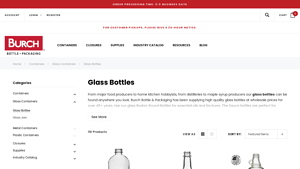
2. Burch Bottle – 16 oz Clear Glass Boston Round Bottle
Domain: burchbottle.com
Terdaftar: 1999 (26 tahun)
Pendahuluan: Burch Bottle offers a variety of glass bottles suitable for different applications, including essential oils, sauces, and liquors. Key products include: 1. 16 oz Clear Glass Boston Round Bottle – 28/400 Finish (Case of 12) – $11.77 2. 50ml Glass Woozy Hot Sauce Bottle – 18-400 Finish (Case of 48) – $15.57 3. 250ml Glass Syrup Bottle 28mm Alcoa (Case of 12) – $9.17 4. 32oz Glass Amber Boston Round …
3. Berlin Packaging – Wholesale Glass Bottles

Domain: berlinpackaging.com
Terdaftar: 1997 (28 tahun)
Pendahuluan: Berlin Packaging offers wholesale glass bottles ranging from 5 ml to 1-gallon sizes in colors such as amber, green, and cobalt blue. Available shapes include Boston round, oval, growlers, and wine bottles. The glass bottles are designed to protect products, keep contents fresh, and prevent contamination. Glass is durable, reusable, and recyclable within 30 days, making it an environmentally friend…
4. Roetell – Glass Bottles and Containers
Domain: roetell.com
Terdaftar: 2019 (6 tahun)
Pendahuluan: Roetell is a manufacturer of a wide range of glass products including bottles, jars, and containers. Key product categories include: 1. Glass Bottles: Whiskey, liquor, spirit, wine, beer, soda, milk, perfume, essential oil, baby, champagne, beverage, hot sauce, diffuser, lotion, oil, nail polish, roller, and drinking glasses. 2. Glass Jars: Candle jars, honey jars, pickle jars, spice jars, cream j…
5. PGP Glass – Glass Packaging Solutions

Domain: pgpfirst.com
Terdaftar: 2021 (4 tahun)
Pendahuluan: PGP Glass manufactures a variety of glass packaging solutions across multiple industries. Key product categories include: 1. Cosmetic and Perfumery: Custom and standard bottles for perfumes, air fresheners, and cosmetics. 2. Food and Specialty Spirits: High-quality jars for food products and bottles for specialty spirits. 3. Pharmaceuticals: Bottles for droppers, vials, and balms, catering to lead…
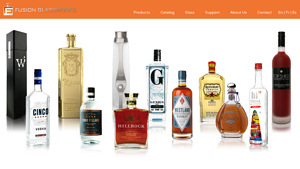
6. Fusion Glassworks – Custom & Standard Bottles
Domain: fusion-glassworks.com
Terdaftar: 2010 (15 tahun)
Pendahuluan: Glass Bottle Manufacturer, Glass Bottle Wholesalers, Custom Bottles, Standard Bottles, Colored Bottles, Small & Special Bottles, Closures, Decoration, Packaging, Promotional Items, 20,000 bottle minimum for quotes.
Strategic Sourcing Conclusion and Outlook for glass bottle manufacturer
In today’s competitive market, strategic sourcing for glass bottles is essential for businesses aiming to enhance product quality and brand appeal. By partnering with reliable manufacturers, buyers can access a diverse range of designs, sizes, and colors that cater to various industries, from cosmetics to food and beverages. The eco-friendly nature of glass packaging not only preserves product integrity but also resonates with the increasing consumer demand for sustainable solutions.
As you explore options, consider the advantages of bulk purchasing and custom designs to elevate your product offerings while optimizing costs. Leveraging the capabilities of established suppliers can ensure timely delivery, quality assurance, and innovative packaging solutions tailored to your specific needs.
Looking ahead, the global demand for glass packaging is poised for growth, particularly in regions like Africa, South America, the Middle East, and Europe. Now is the time to engage with manufacturers who align with your sustainability goals and brand vision. Take the next step in your sourcing strategy and connect with industry leaders to secure the best glass bottle solutions that will enhance your product line and contribute to your business success.




 Indonesian
  English
  Russian
  Spanish
  Italian
  Thai
Thai  French
  Arabic
  Portuguese
  German






