
Introduction: Navigating the Global Market for Sustainable Cosmetic Jar Packaging Replaceable Cream Jar for Skincare Refillable Cosmetic Packaging
In today’s global market, sourcing sustainable cosmetic jar packaging, particularly replaceable cream jars for skincare, poses a significant challenge for B2B buyers. As brands strive to meet the rising consumer demand for eco-friendly solutions, the need for effective, stylish, and functional packaging becomes paramount. This guide is designed to assist international buyers—especially those from Africa, South America, the Middle East, and Europe, including countries like Brazil and Vietnam—in navigating the complexities of sustainable packaging options.
Within these pages, you will find a comprehensive exploration of various types of refillable cosmetic packaging, including innovative designs that facilitate easy product replacement while reducing waste. We will cover essential applications across different skincare lines, the benefits of selecting sustainable materials, and practical insights for supplier vetting to ensure quality and compliance. Additionally, the guide will provide a detailed overview of cost considerations, enabling you to make informed purchasing decisions that align with both your budget and sustainability goals.
By leveraging this resource, international B2B buyers can confidently embrace sustainable practices while enhancing their brand’s appeal in an increasingly eco-conscious market. The insights provided here empower you to choose packaging solutions that not only meet consumer expectations but also contribute positively to the environment.
Understanding Sustainable Cosmetic Jar Packaging Replaceable Cream Jar for Skincare Refillable Cosmetic Packaging Types and Variations
| Nom du type | Principales caractéristiques | Applications primaires B2B | Avantages et inconvénients pour les acheteurs |
|---|---|---|---|
| Echo 50ml Refill Jar | Thick-walled PETG outer jar, hygienic replaceable inner pod | High-end skincare brands, luxury cosmetics | Pour : Stylish design, customizable, durable. Cons : Coût initial plus élevé. |
| JRA Refillable Jar | Patented design for easy inner jar replacement | Subscription services, eco-conscious brands | Pour : Easy to use, recyclable inner jar. Cons : Requires consumer education. |
| Hybrid Refillable Jar | Combines various materials like PCR for sustainability | Natural and organic skincare brands | Pour : Reduces carbon footprint, versatile. Cons : Potential supply chain complexity. |
| Double-Walled Cream Jar | Insulation properties with aesthetic appeal | Premium creams, serums | Pour : Enhances product longevity, premium feel. Cons : May be perceived as bulky. |
| Eco-Friendly Aluminum Jar | Lightweight, fully recyclable, and modern design | Eco-friendly brands, travel cosmetics | Pour : Lightweight, sustainable, visually appealing. Cons : Higher production costs compared to plastic. |
What Are the Key Characteristics of the Echo 50ml Refill Jar?
The Echo 50ml Refill Jar features a thick-walled PETG outer shell paired with a hygienic, replaceable inner pod. This design not only provides a premium aesthetic appeal but also allows brands to maintain product integrity while reducing plastic waste. Ideal for high-end skincare lines, this jar can be customized to align with brand identity, offering a luxurious look that attracts discerning consumers. B2B buyers should consider the initial investment, as the stylish design comes at a higher cost, but it offers long-term brand loyalty through sustainability.
How Does the JRA Refillable Jar Stand Out?
The JRA Refillable Jar is a patented solution that simplifies the refill process for consumers. By allowing users to push out the inner jar for easy replacement, this design enhances user experience and encourages sustainability. This jar is particularly suited for subscription services and brands focused on eco-consciousness. B2B buyers should weigh the ease of use against the need for consumer education on how to utilize the refill system effectively.
What Are the Benefits of Hybrid Refillable Jars?
Hybrid Refillable Jars incorporate materials like Post Consumer Recycling (PCR) content, making them a compelling option for brands looking to minimize their environmental impact. These jars are versatile, catering to various skincare formulations, especially in the natural and organic segment. B2B buyers must consider the potential complexities in sourcing and supply chains, as these materials may have varying availability, but the sustainability benefits can significantly enhance brand reputation.
Why Choose Double-Walled Cream Jars?
Double-walled cream jars provide insulation and an aesthetically pleasing design, making them suitable for premium creams and serums. This packaging type not only protects the product but also enhances its shelf life, appealing to high-end skincare brands. Buyers should note the additional bulkiness of these jars, which may impact shipping and storage costs, but the premium feel can justify the investment.
What Makes Eco-Friendly Aluminum Jars a Smart Choice?
Eco-friendly aluminum jars are lightweight, fully recyclable, and offer a modern design that resonates with environmentally conscious consumers. These jars are particularly suitable for travel cosmetics, as their durability ensures they withstand various conditions. B2B buyers should consider the higher production costs associated with aluminum compared to plastic options, but the sustainable benefits and visual appeal can significantly enhance brand value in a competitive market.
Key Industrial Applications of Sustainable Cosmetic Jar Packaging Replaceable Cream Jar for Skincare Refillable Cosmetic Packaging
| Industrie/secteur | Specific Application of Sustainable Cosmetic Jar Packaging Replaceable Cream Jar for Skincare Refillable Cosmetic Packaging | Valeur/bénéfice pour l'entreprise | Principales considérations en matière d'approvisionnement pour cette application |
|---|---|---|---|
| Soins de la peau et cosmétiques | Use in premium skincare lines for replenishable cream products. | Enhances brand image through sustainability, appealing to eco-conscious consumers. | Need for high-quality materials that ensure product integrity and aesthetics. |
| Subscription Services | Integration into subscription beauty boxes for repeatable skincare products. | Reduces packaging costs over time while improving customer loyalty through convenience. | Consideration for ease of refilling and compatibility with various product formulas. |
| Commerce de détail de luxe | Utilization in high-end cosmetic boutiques for refillable skincare options. | Elevates the shopping experience, encouraging repeat purchases and brand loyalty. | Focus on aesthetic design and customization options to align with brand identity. |
| Commerce électronique | Application in online beauty retailers for eco-friendly packaging solutions. | Appeals to a growing market of online shoppers prioritizing sustainability, increasing sales. | Logistics for shipping durable packaging that protects contents and minimizes waste. |
| Natural & Organic Brands | Adoption in brands emphasizing organic and sustainable ingredients through refillable packaging. | Aligns with brand values, attracting environmentally conscious consumers and enhancing marketability. | Sourcing of sustainable materials that comply with international eco-certifications. |
How is Sustainable Cosmetic Jar Packaging Used in Skincare & Cosmetics?
In the skincare and cosmetics industry, sustainable cosmetic jar packaging is increasingly utilized for premium skincare lines. Brands leverage refillable cream jars to not only reduce plastic waste but also to enhance their brand image by appealing to environmentally conscious consumers. These jars often feature high-quality materials that maintain product integrity, which is crucial for skincare formulations. Buyers must ensure that the packaging is both aesthetically pleasing and functional, as it plays a significant role in customer perception.
What Role Does Sustainable Packaging Play in Subscription Services?
For subscription services, the refillable cosmetic jar packaging offers a unique solution. It allows customers to enjoy their favorite products without the guilt of single-use plastics. This model fosters customer loyalty as users appreciate the convenience of receiving inner refills rather than entire new jars. Businesses should consider the ease of use in their design, ensuring that the inner jars can be easily replaced, which can significantly enhance the customer experience and retention rates.
How Does Sustainable Packaging Enhance Luxury Retail Experiences?
In luxury retail, sustainable cosmetic jars serve as a statement piece that elevates the shopping experience. These refillable options not only provide a sense of exclusivity but also align with the values of modern consumers who prioritize sustainability. Retailers must focus on the visual appeal and customization of these jars to ensure they resonate with their high-end clientele. This attention to detail can lead to increased sales and brand loyalty as consumers are more likely to return for products that reflect their values.
How Can E-commerce Benefit from Sustainable Cosmetic Packaging?
E-commerce platforms are witnessing a surge in demand for eco-friendly packaging solutions. By offering refillable cosmetic jars, online beauty retailers can attract a growing demographic of consumers who prioritize sustainability in their purchasing decisions. The challenge lies in ensuring that the packaging is durable enough for shipping while minimizing waste. Companies must carefully consider logistics and packaging design to protect the product during transit and enhance the overall customer experience.
What Advantages Do Natural & Organic Brands Gain from Refillable Packaging?
Natural and organic brands are uniquely positioned to benefit from sustainable cosmetic jar packaging. These brands can leverage refillable jars to reinforce their commitment to eco-friendliness, thus attracting a loyal customer base that values sustainability. Buyers in this sector should prioritize sourcing materials that meet international eco-certifications, as this not only enhances brand credibility but also aligns with consumer expectations for transparency and responsibility in sourcing practices.
3 Common User Pain Points for ‘Sustainable Cosmetic Jar Packaging Replaceable Cream Jar for Skincare Refillable Cosmetic Packaging’ & Their Solutions
Scenario 1: Balancing Sustainability with Consumer Expectations
Le problème : In today’s eco-conscious market, B2B buyers face the challenge of sourcing sustainable cosmetic packaging that meets not only environmental standards but also consumer expectations for aesthetics and functionality. Many buyers are concerned that sustainable options may compromise the luxurious feel and visual appeal that consumers associate with high-end skincare products. This creates a dilemma: how to maintain brand integrity while transitioning to sustainable packaging solutions.
La solution : To navigate this challenge, buyers should prioritize suppliers who offer customizable, aesthetically pleasing sustainable packaging options. For instance, the Echo 50ml Refill Jar from HCP Packaging combines a stylish outer jar made of thick-walled PETG with a replaceable inner pod designed for creams. Buyers can leverage the extensive decoration and finishing capabilities of suppliers to align the packaging with their brand identity, ensuring that sustainability does not come at the expense of luxury appeal. Additionally, conducting consumer surveys or focus groups can provide insights into what features are most valued by customers, allowing brands to make informed decisions about design while committing to sustainability.
Scenario 2: Managing the Complexity of Refillable Systems
Le problème : Implementing refillable packaging systems can often be perceived as complex and cumbersome. B2B buyers may struggle with the logistics of integrating a refillable jar system into their existing product lines, fearing that it might lead to operational inefficiencies or confusion among consumers regarding how to use the new packaging. This concern is particularly pressing for brands that are accustomed to traditional single-use containers, as they may lack the experience in educating consumers on the benefits and usability of refillable options.
La solution : To ease the transition, buyers should look for suppliers that provide comprehensive educational materials and user-friendly design features. For example, the JRA Refillable Jar from APC Packaging is designed for ease of use, allowing consumers to effortlessly replace the inner jar. Brands can take advantage of the instructional guides and videos provided by manufacturers to educate their customers on how to properly use the refillable jars. Additionally, incorporating clear labeling and engaging marketing campaigns can help demystify the refill process for consumers, making them more comfortable and enthusiastic about embracing sustainable packaging.
Scenario 3: Navigating Regulatory Challenges and Consumer Safety
Le problème : With increasing regulations around sustainability and consumer safety, B2B buyers must ensure that their packaging solutions comply with local and international standards. This can be particularly challenging for brands operating in multiple regions, such as Africa, South America, the Middle East, and Europe, where regulations may vary significantly. Buyers may worry about the implications of non-compliance, including legal repercussions and damage to their brand reputation.
La solution : To address this concern, buyers should partner with suppliers who prioritize compliance and can provide documentation on their packaging’s environmental credentials. For instance, choosing refillable jars that utilize Post Consumer Recycling (PCR) materials, as seen in APC Packaging’s offerings, can help brands meet sustainability regulations while also appealing to eco-conscious consumers. Buyers should also stay informed about the specific regulations in their target markets by engaging with local industry associations or regulatory bodies. Regular training for procurement teams on compliance issues can further ensure that the packaging solutions sourced align with both legal requirements and consumer safety standards, ultimately protecting the brand and enhancing its reputation in the marketplace.
Strategic Material Selection Guide for Sustainable Cosmetic Jar Packaging Replaceable Cream Jar for Skincare Refillable Cosmetic Packaging
What Are the Key Materials for Sustainable Cosmetic Jar Packaging?
In the quest for sustainable cosmetic jar packaging, selecting the right materials is crucial for both performance and environmental impact. Here, we analyze four common materials used in refillable cosmetic jars, focusing on their properties, advantages, limitations, and considerations for international buyers.
How Does PETG Perform in Refillable Cosmetic Packaging?
Polyethylene Terephthalate Glycol (PETG) is a popular choice for sustainable cosmetic jars due to its excellent clarity, durability, and recyclability. It can withstand a temperature range of -40°C to 60°C, making it suitable for various skincare formulations. PETG is resistant to impact and has good chemical resistance, which is vital for preserving the integrity of cosmetic products.
Pour: PETG is lightweight, shatter-resistant, and can be easily molded into complex shapes. Its recyclability aligns well with sustainability goals, appealing to eco-conscious brands.
Cons: While PETG is more affordable than glass, it can still be more expensive than other plastics. Its manufacturing process requires specific machinery, which may complicate production for some manufacturers.
Impact sur l'application: PETG is compatible with a wide range of cosmetic formulations, including creams and serums, ensuring product stability and longevity.
Considérations pour les acheteurs internationaux: Brands targeting markets in Africa, South America, the Middle East, and Europe should ensure compliance with local recycling regulations. Familiarity with standards such as ASTM and EN can aid in successful market entry.
What Advantages Does Glass Offer for Sustainable Packaging?
Verre is a traditional material known for its premium feel and excellent barrier properties. It is highly resistant to chemical reactions, making it ideal for sensitive skincare products. Glass can withstand high temperatures, making it suitable for sterilization processes.
Pour: Glass is fully recyclable and can be reused multiple times without degrading its quality. Its aesthetic appeal enhances brand perception, particularly in luxury markets.
Cons: The primary drawback of glass is its weight, which can increase shipping costs. Additionally, glass is more fragile than plastic, raising concerns about breakage during transit.
Impact sur l'application: Glass jars are particularly well-suited for creams and serums that require a stable environment, ensuring product efficacy.
Considérations pour les acheteurs internationaux: Buyers should be aware of the stringent regulations regarding glass packaging in certain regions, especially in Europe. Compliance with EU regulations on packaging waste is critical.
How Does Post-Consumer Recycled (PCR) Plastic Benefit Sustainable Packaging?
Post-Consumer Recycled (PCR) plastic is gaining traction as a sustainable material for cosmetic jars. It is made from recycled plastic waste, significantly reducing the carbon footprint associated with new plastic production. PCR plastics can be formulated to meet various performance standards, including temperature and chemical resistance.
Pour: Using PCR plastic supports circular economy initiatives and appeals to environmentally conscious consumers. It can also be cost-effective compared to virgin plastics.
Cons: The quality of PCR plastic can vary based on the source of the recycled material, potentially affecting the final product’s performance. Additionally, not all PCR plastics are suitable for all cosmetic formulations.
Impact sur l'application: PCR plastics are versatile and can be used for a range of skincare products, although brands must ensure compatibility with specific formulations.
Considérations pour les acheteurs internationaux: Brands should verify the availability of high-quality PCR materials in their target markets. Understanding local recycling capabilities and consumer attitudes towards PCR can influence market success.
What Role Does Bamboo Play in Sustainable Cosmetic Packaging?
Bambou is emerging as an innovative material for cosmetic packaging, particularly for brands emphasizing natural and eco-friendly credentials. Bamboo is biodegradable and has a low environmental impact due to its rapid growth and renewability.
Pour: Bamboo offers a unique aesthetic that appeals to consumers seeking sustainable products. Its lightweight nature can reduce shipping costs compared to glass.
Cons: The primary challenge with bamboo is its susceptibility to moisture and temperature changes, which can limit its use for certain products. Additionally, the manufacturing process can be more complex and costly.
Impact sur l'application: Bamboo is best suited for dry products or as an outer casing for refillable jars, where moisture resistance is less critical.
Considérations pour les acheteurs internationaux: Understanding the sourcing and certification of bamboo is essential for brands entering markets with stringent sustainability standards, particularly in Europe.
Summary Table of Material Selection for Sustainable Cosmetic Jar Packaging
| Matériau | Typical Use Case for Sustainable Cosmetic Jar Packaging Replaceable Cream Jar for Skincare Refillable Cosmetic Packaging | Avantage clé | Principaux inconvénients/limites | Coût relatif (faible/moyen/élevé) |
|---|---|---|---|---|
| PETG | Refillable jars for creams and serums | Lightweight and shatter-resistant | Complexité accrue de la fabrication | Moyen |
| Verre | Premium jars for luxury skincare products | Excellent barrier properties and aesthetic appeal | Fragile and heavier | Haut |
| PCR Plastic | Versatile jars for various formulations | Supports circular economy initiatives | Quality can vary | Moyen |
| Bambou | Eco-friendly outer casings for refillable jars | Unique aesthetic and biodegradable | Moisture sensitivity | Moyen |
This strategic material selection guide provides B2B buyers with actionable insights into the benefits and limitations of various materials, enabling informed decisions for sustainable cosmetic jar packaging.
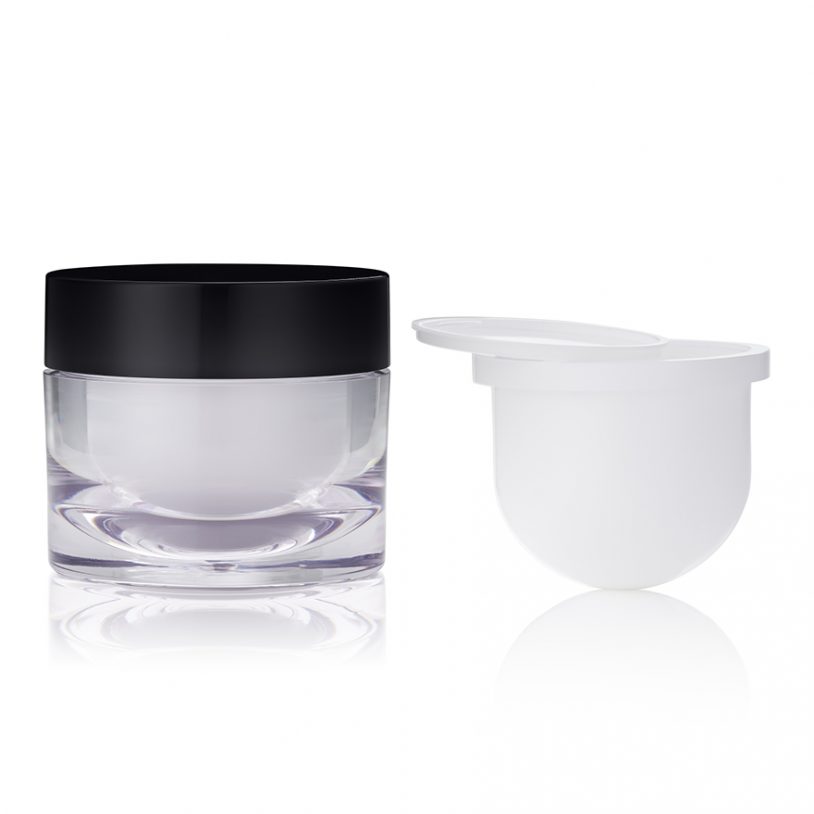
A stock image related to Sustainable Cosmetic Jar Packaging Replaceable Cream Jar for Skincare Refillable Cosmetic Packaging.
In-depth Look: Manufacturing Processes and Quality Assurance for Sustainable Cosmetic Jar Packaging Replaceable Cream Jar for Skincare Refillable Cosmetic Packaging
What Are the Key Stages in the Manufacturing Process for Sustainable Cosmetic Jar Packaging?
The manufacturing process for sustainable cosmetic jar packaging, particularly for refillable cream jars, involves several critical stages: material preparation, forming, assembly, and finishing. Each stage is designed to ensure that the final product meets the rigorous standards of quality and sustainability that modern consumers expect.
Material Preparation: How Are Eco-Friendly Materials Selected and Processed?
Material selection is pivotal in producing sustainable packaging. Manufacturers often use recycled plastics, such as Post Consumer Recycled (PCR) materials, and biodegradable materials like PLA or bamboo. The chosen materials undergo a thorough screening process to ensure they comply with environmental regulations and performance standards.
During material preparation, suppliers may also conduct tests to confirm that the materials are free from harmful substances, adhering to international safety standards. This is particularly important for B2B buyers operating in regions with stringent regulations, such as the European Union.
Forming: What Techniques Are Used to Shape Refillable Cosmetic Jars?
The forming stage typically involves advanced techniques like injection molding or blow molding, which allow for the precise creation of jar components. For instance, the outer jar may be made from thick-walled PETG, while the inner jar is often crafted from polypropylene (PP). These materials are chosen not only for their sustainability but also for their ability to protect product integrity.
The forming process is critical for ensuring the jars’ durability and aesthetic appeal. Techniques such as double-walling can enhance the insulation properties, making them suitable for creams and other skincare products.
Assembly: How Are the Components Brought Together?
Once the individual components are formed, they proceed to the assembly stage. In this phase, the refillable inner jar is designed to fit securely into the outer jar. Many innovative designs allow users to easily replace the inner jar, enhancing the user experience and promoting sustainability.
Assembly techniques may include automated systems for efficiency, ensuring that each jar is assembled consistently and at scale. For B2B buyers, it is important to confirm that the assembly process minimizes waste and is optimized for quality control.
Finishing: What Final Touches Ensure Quality and Appeal?
The finishing stage involves applying any necessary decorative elements, such as labeling, printing, or surface treatments. This step is crucial for brand identity, allowing companies to align the packaging with their marketing strategies. Sustainable finishes, like water-based inks and eco-friendly adhesives, are increasingly popular.
Quality assurance during this stage ensures that the aesthetic elements do not compromise the jar’s functionality or sustainability. B2B buyers should inquire about the finishing processes used and their environmental impact.
How Is Quality Assurance Implemented Throughout the Manufacturing Process?
Quality assurance (QA) is a vital aspect of the manufacturing process for sustainable cosmetic jars. It ensures that the final products meet both international standards and industry-specific requirements.
What International Standards Are Relevant for Quality Assurance?
For B2B buyers, understanding the relevant international standards is crucial. ISO 9001 is a widely recognized standard that focuses on quality management systems, ensuring that manufacturers maintain a consistent level of quality. Other standards may include CE marking for compliance with European safety regulations and specific industry standards like the American National Standards Institute (ANSI) guidelines.
Manufacturers may also adhere to certifications related to sustainability, such as Cradle to Cradle or Green Seal, which can provide additional assurance of their commitment to environmentally friendly practices.
What Are the Key Quality Control Checkpoints in the Manufacturing Process?
Quality control (QC) involves several checkpoints throughout the manufacturing process, typically categorized as Incoming Quality Control (IQC), In-Process Quality Control (IPQC), and Final Quality Control (FQC).
- IQC: During this stage, incoming materials are inspected for quality and compliance with specifications. This ensures that only suitable materials are used in production.
- IPQC: Continuous monitoring during the manufacturing process allows for the identification of any issues in real-time, ensuring that corrective actions can be taken immediately.
- FQC: This final checkpoint involves comprehensive testing of the finished products. Common testing methods include pressure tests, leak tests, and durability assessments to confirm that the jars meet performance standards.
Comment les acheteurs B2B peuvent-ils vérifier les processus de contrôle de la qualité des fournisseurs ?
For B2B buyers, particularly those from Africa, South America, the Middle East, and Europe, verifying a supplier’s quality control processes is essential. Here are some effective strategies:
Que doivent rechercher les acheteurs dans les audits et les rapports des fournisseurs ?
Conducting supplier audits is an effective way to assess quality control measures. Buyers should request documentation of past audits and any certifications the manufacturer holds. These documents provide insights into the supplier’s compliance with relevant standards and their commitment to quality.
How Do Third-Party Inspections Contribute to Quality Assurance?
Third-party inspections can provide an unbiased assessment of the manufacturer’s processes and products. Engaging independent inspectors to evaluate production facilities and practices can help verify that the supplier adheres to industry standards and maintains effective quality control.
What Are the Specific QC Considerations for International Buyers?
International buyers need to be aware of regional differences in regulations and quality expectations. For instance, European buyers may have stricter requirements regarding material safety and environmental impact compared to suppliers in other regions. Understanding these nuances can help buyers make informed decisions and select suppliers who align with their quality expectations.
Conclusion: Why Is Quality Assurance Critical for Sustainable Cosmetic Jar Packaging?
In conclusion, the manufacturing processes and quality assurance practices for sustainable cosmetic jar packaging are crucial for ensuring product integrity, environmental responsibility, and brand reputation. By understanding the intricacies of these processes, B2B buyers can make informed decisions that align with their sustainability goals and quality requirements. Prioritizing suppliers who adhere to stringent quality control measures and international standards will ultimately lead to successful partnerships and enhanced brand loyalty in a competitive market.
Practical Sourcing Guide: A Step-by-Step Checklist for ‘Sustainable Cosmetic Jar Packaging Replaceable Cream Jar for Skincare Refillable Cosmetic Packaging’
To assist international B2B buyers in sourcing sustainable cosmetic jar packaging, this guide outlines actionable steps to ensure an efficient procurement process. By following this checklist, businesses can align their packaging needs with sustainability goals while maintaining product quality and brand integrity.
Étape 1 : Définir les spécifications techniques
Begin by outlining the specific requirements for your refillable cosmetic jars. Consider factors such as size (e.g., 30ml or 50ml), material (e.g., PETG for the outer jar and PP for the inner jar), and design features like double-walled construction for insulation. Clearly defined specifications help streamline the selection process and ensure that suppliers can meet your exact needs.
Étape 2 : Recherche sur les matériaux durables
Investigate the materials used in the cosmetic jars to ensure they meet sustainability standards. Look for options that incorporate Post-Consumer Recycling (PCR) content or are made from biodegradable materials. Understanding the environmental impact of materials will help you select packaging that aligns with your brand’s sustainability goals and resonates with eco-conscious consumers.
Étape 3 : Évaluer les fournisseurs potentiels
Before finalizing your choice, conduct thorough due diligence on potential suppliers. Request company profiles, product samples, and case studies that demonstrate their experience in producing sustainable packaging. Additionally, seek references from other businesses in your industry to gauge supplier reliability and product quality.
Étape 4 : Vérifier les certifications des fournisseurs
Ensure that your selected suppliers possess relevant certifications that validate their commitment to sustainability. Certifications such as ISO 14001 (Environmental Management) and FSC (Forest Stewardship Council) indicate adherence to environmental standards. This step is crucial in mitigating risks associated with non-compliance and enhancing your brand’s credibility.
Étape 5 : Assess Customization Capabilities
Determine whether suppliers can customize the packaging to align with your brand identity. This may include options for decorative finishes, labeling, and unique designs that enhance shelf appeal. Customization not only distinguishes your product in a competitive market but also reinforces your brand’s messaging on sustainability.
Étape 6 : Request Samples and Conduct Testing
Before making a bulk purchase, request samples of the refillable jars to evaluate their functionality and aesthetic appeal. Conduct tests to ensure the jars meet your product’s requirements, such as compatibility with creams and skincare treatments. This step helps to avoid costly errors and ensures that the packaging performs as expected.
Étape 7 : Establish a Clear Supply Chain Process
Finally, outline a clear process for ordering, replenishing, and managing the refillable jars. Discuss lead times, minimum order quantities, and logistics with your suppliers to ensure a smooth supply chain operation. A well-defined process minimizes delays and enhances your ability to respond to market demand efficiently.
By following these steps, B2B buyers can confidently source sustainable cosmetic jar packaging that not only meets their product requirements but also supports their commitment to environmental stewardship.

A stock image related to Sustainable Cosmetic Jar Packaging Replaceable Cream Jar for Skincare Refillable Cosmetic Packaging.
Comprehensive Cost and Pricing Analysis for Sustainable Cosmetic Jar Packaging Replaceable Cream Jar for Skincare Refillable Cosmetic Packaging Sourcing
What Are the Key Cost Components for Sustainable Cosmetic Jar Packaging?
When sourcing sustainable cosmetic jar packaging, particularly replaceable cream jars for skincare, several cost components come into play. Understanding these can help buyers make informed decisions.
-
Matériaux: The choice of materials significantly impacts costs. Common materials for refillable jars include PETG for the outer jar and PP for the inner jar. Sustainable options like post-consumer recycled (PCR) materials or biodegradable plastics may come at a premium, but they align with eco-friendly branding and appeal to environmentally conscious consumers.
-
Travail: Labor costs vary based on the manufacturing location. For instance, factories in regions with lower labor costs, such as parts of Asia, may offer more competitive pricing. Conversely, European manufacturers may have higher labor costs but can provide better quality assurance and compliance with stringent regulations.
-
Frais généraux de fabrication: This includes costs associated with equipment maintenance, utilities, and administrative expenses. Overhead can vary significantly based on the supplier’s operational efficiency and scale. Larger manufacturers often benefit from economies of scale, reducing the overhead per unit.
-
Tooling Costs: Custom designs or unique specifications for jars can incur significant tooling costs. This is particularly relevant for brands looking to differentiate themselves with bespoke packaging. Buyers should factor in these one-time costs when considering custom designs.
-
Contrôle de la qualité (CQ): Ensuring that the packaging meets quality standards is crucial, especially in the cosmetics industry. QC processes may add to the overall cost but are essential for maintaining brand reputation and customer satisfaction.
-
Logistique: Shipping costs can be substantial, especially for international buyers. Factors such as distance, shipping method, and Incoterms (terms of sale) can influence logistics expenses. Buyers should consider the total cost of shipping, including customs duties and taxes.
-
Marge: Suppliers will typically include a profit margin in their pricing. This margin can vary based on the supplier’s market position, brand strength, and the level of customization required by the buyer.
How Do Price Influencers Impact Sourcing Decisions?
Several factors can influence the pricing of sustainable cosmetic jar packaging:
-
Volume/MOQ: Minimum order quantities (MOQ) can significantly affect the price per unit. Higher volumes usually lead to lower prices due to bulk discounts. Buyers should analyze their sales forecasts to negotiate favorable terms.
-
Spécifications et personnalisation: Custom features, such as unique colors, finishes, or sizes, can increase costs. Brands should balance the desire for customization with the associated costs and consider whether off-the-shelf solutions may suffice.
-
Qualité et certifications: Products certified for sustainability or safety may command higher prices. Buyers should weigh the benefits of these certifications against their budget and market positioning.
-
Facteurs liés au fournisseur: The reputation and reliability of the supplier can influence pricing. Established suppliers with a track record of quality may charge more but can provide better assurance against defects and delays.
-
Incoterms: Understanding Incoterms is crucial for international transactions. They define the responsibilities of buyers and sellers regarding shipping costs and risks. Different terms can lead to variations in the overall price.
What Tips Can Help Buyers Negotiate Better Pricing?
To achieve cost-efficiency when sourcing sustainable cosmetic jars, buyers should consider the following strategies:
-
Negotiate Based on Volume: Leverage anticipated order volumes to negotiate better pricing. Suppliers are often willing to provide discounts for larger orders.
-
Évaluer le coût total de possession (TCO): Look beyond the initial purchase price. Assess long-term costs, including logistics, potential waste reduction, and customer satisfaction associated with sustainable packaging.
-
Recherche et comparaison des fournisseurs: Conduct thorough market research to compare suppliers. This can provide insight into competitive pricing and help identify the best fit for specific needs.
-
Faire preuve de souplesse dans les spécifications: If possible, remain open to alternative materials or designs that may be more cost-effective while still meeting sustainability goals.
-
Rester informé des tendances du marché: Understanding industry trends can provide leverage during negotiations. For instance, with increasing regulations against single-use plastics, suppliers may be more motivated to offer competitive pricing for sustainable solutions.
Clause de non-responsabilité concernant la tarification
Pricing for sustainable cosmetic jar packaging can vary widely based on the factors outlined above. The information provided is indicative and should be verified with suppliers for accurate quotes tailored to specific requirements.
Alternatives Analysis: Comparing Sustainable Cosmetic Jar Packaging Replaceable Cream Jar for Skincare Refillable Cosmetic Packaging With Other Solutions
Introduction: Exploring Alternatives to Sustainable Cosmetic Packaging
As sustainability becomes a critical focus in the cosmetics industry, brands are increasingly seeking innovative packaging solutions that not only meet consumer demands but also align with environmental goals. The ‘Sustainable Cosmetic Jar Packaging Replaceable Cream Jar for Skincare Refillable Cosmetic Packaging’ offers a compelling option by enabling consumers to refill products while reducing waste. However, several alternative packaging solutions may also fulfill similar objectives. This analysis will compare the refillable cream jar with two viable alternatives: biodegradable jars and single-use recyclable packaging.
Tableau de comparaison
| Aspect comparatif | Sustainable Cosmetic Jar Packaging Replaceable Cream Jar | Biodegradable Jars | Single-Use Recyclable Packaging |
|---|---|---|---|
| Performance | High durability and reusability; maintains product integrity | Varies by material; may not be as durable | Convenient for consumers; limited reuse |
| Coût | Higher initial investment; cost-effective over time | Generally moderate; can be more expensive than plastic | Low initial cost; long-term disposal costs may increase |
| Facilité de mise en œuvre | Requires consumer education and behavior change | Easy to implement; less education needed | Simple to implement; widely understood by consumers |
| Maintenance | Requires proper cleaning and handling | Minimal maintenance; compostable after use | No maintenance; disposal is straightforward |
| Meilleur cas d'utilisation | High-end skincare brands focused on sustainability | Brands targeting eco-conscious consumers | Brands prioritizing cost-effectiveness and convenience |
Analyse détaillée des alternatives
Biodegradable Jars
Biodegradable jars are made from materials that decompose over time, offering an environmentally friendly alternative to traditional plastic packaging. These jars are typically made from plant-based materials, making them appealing to brands that aim to minimize their ecological footprint.
Pour : They are easy to implement and do not require extensive consumer education. They provide a sustainable option for brands targeting eco-conscious consumers.
Cons : Their performance can vary depending on the specific biodegradable material used, and they may not offer the same durability as refillable options. Additionally, while they decompose, they still require specific conditions to break down effectively, which may not always be available.
Single-Use Recyclable Packaging
Single-use recyclable packaging remains one of the most common solutions in the cosmetics industry. This method uses materials like PET or glass that can be recycled after use, providing a straightforward approach for consumers.
Pour : The initial cost is often lower than refillable jars, and they are convenient for consumers accustomed to disposable products. This option is widely understood and accepted, making it easy for brands to implement.
Cons : While recyclable, this packaging still contributes to waste and does not encourage sustainable consumer behavior. The long-term environmental impact can be significant, particularly in regions lacking effective recycling systems.
Conclusion: Choosing the Right Sustainable Packaging Solution
For B2B buyers navigating the evolving landscape of cosmetic packaging, selecting the right solution hinges on their specific brand goals, target audience, and market conditions. The Sustainable Cosmetic Jar Packaging Replaceable Cream Jar offers a robust, long-term investment that aligns with sustainability trends and consumer preferences. However, biodegradable jars present a viable alternative for brands looking for simpler implementation without the need for consumer behavior change. In contrast, single-use recyclable packaging may appeal to cost-sensitive brands but carries long-term environmental implications. Ultimately, buyers should assess their sustainability objectives, brand positioning, and consumer expectations to determine the most suitable packaging solution for their needs.
Essential Technical Properties and Trade Terminology for Sustainable Cosmetic Jar Packaging Replaceable Cream Jar for Skincare Refillable Cosmetic Packaging
What Are the Key Technical Properties of Sustainable Cosmetic Jar Packaging?
When considering sustainable cosmetic jar packaging, particularly refillable cream jars, several technical properties are critical for ensuring functionality, durability, and sustainability.
1. Qualité des matériaux
The choice of material significantly impacts the jar’s performance and sustainability. Common materials include PETG for outer jars, known for its clarity and strength, and PP for inner jars, valued for its recyclability. Selecting high-grade materials ensures that the packaging is robust enough to withstand transportation and usage while also being environmentally friendly.
2. Refillability Mechanism
A well-designed refill mechanism is essential for user convenience and product longevity. For instance, jars that allow easy removal of the inner pod through a press mechanism not only enhance user experience but also support a circular economy by encouraging the reuse of outer jars. This feature is crucial for brands aiming to reduce waste.
3. Capacité et dimensions
Standard capacities for refillable jars typically range from 30ml to 50ml, catering to various product lines. Understanding the dimensions—such as height and diameter—is vital for optimizing shelf space and ensuring compatibility with existing product lines. This consideration can lead to better inventory management and reduced shipping costs.
4. Caractéristiques d'inviolabilité
In the cosmetic industry, ensuring product integrity is paramount. Incorporating tamper-evident seals or pressure-sensitive closures not only enhances consumer trust but also complies with safety regulations. These features are crucial for brands looking to maintain a premium image while prioritizing consumer safety.
5. Certifications en matière de développement durable
Many manufacturers now offer products that meet sustainability certifications, such as Cradle-to-Cradle or Post Consumer Recycled (PCR) content. Understanding these certifications can help brands communicate their commitment to sustainability, thus appealing to eco-conscious consumers. This aspect is increasingly important in markets influenced by stringent regulations, especially in Europe.
What Common Trade Terms Should B2B Buyers Know in Cosmetic Packaging?
Navigating the world of cosmetic packaging involves understanding various trade terms that can significantly impact purchasing decisions.
1. OEM (Original Equipment Manufacturer)
This term refers to companies that produce products based on the specifications of another company, often allowing for customized packaging solutions. Understanding OEM relationships can help brands ensure that their specific requirements for sustainable materials and design are met.
2. MOQ (Minimum Order Quantity)
MOQ denotes the smallest quantity of products a supplier is willing to sell. This term is crucial for budgeting and inventory management, as it can affect initial investment costs and the overall sustainability of supply chains.
3. RFQ (Request for Quotation)
An RFQ is a formal document sent to suppliers to solicit price quotes for specific products or services. Using RFQs effectively allows companies to compare costs and negotiate better terms, ensuring they get the best value for their sustainable packaging investments.
4. Incoterms (termes commerciaux internationaux)
These are internationally recognized terms that define the responsibilities of buyers and sellers in international transactions. Familiarity with Incoterms helps B2B buyers understand shipping costs, risks, and responsibilities, which is essential for planning and budget allocation.
5. Délai d'exécution
Lead time refers to the time taken from placing an order to receiving the goods. Understanding lead times is critical for planning product launches and managing inventory effectively, especially for brands that rely on seasonal sales.
Conclusion
Understanding the essential technical properties and trade terminology associated with sustainable cosmetic jar packaging is vital for B2B buyers. By focusing on material quality, refillability features, and industry-specific terms, brands can make informed decisions that align with their sustainability goals and market demands. This knowledge not only enhances operational efficiency but also strengthens brand positioning in an increasingly eco-conscious marketplace.
Navigating Market Dynamics and Sourcing Trends in the Sustainable Cosmetic Jar Packaging Replaceable Cream Jar for Skincare Refillable Cosmetic Packaging Sector
What Are the Global Drivers and Key Trends in Sustainable Cosmetic Jar Packaging?
The sustainable cosmetic jar packaging sector is experiencing significant transformation driven by an increasing global emphasis on environmental sustainability and consumer demand for eco-friendly products. Key trends influencing this market include the rise of refillable packaging solutions, which not only reduce waste but also align with the growing circular economy principles. Consumers, particularly in regions like Africa, South America, the Middle East, and Europe, are increasingly seeking brands that prioritize sustainability, with many willing to pay a premium for products that reflect their values.
Technological advancements in packaging design are facilitating the development of innovative refill systems, such as those offered by HCP and APC Packaging, where inner jars can be easily replaced without discarding the outer container. This trend is supported by regulatory changes, especially within the European Union, aimed at reducing single-use plastics. Additionally, the integration of Post-Consumer Recycled (PCR) materials into packaging is becoming standard practice, allowing brands to minimize their carbon footprint while appealing to environmentally conscious consumers. For international B2B buyers, understanding these dynamics is crucial for sourcing sustainable solutions that meet market demands and regulatory standards.
How Important Is Sustainability and Ethical Sourcing in B2B?
Sustainability and ethical sourcing have become central tenets for businesses looking to thrive in the sustainable cosmetic jar packaging market. The environmental impact of packaging waste is staggering, with the beauty industry alone contributing to over 114 billion packaging units discarded annually. This reality has prompted a shift towards refillable packaging, which can significantly reduce waste and greenhouse gas emissions. Brands that adopt sustainable practices not only mitigate their environmental footprint but also enhance their brand reputation, attracting a loyal customer base.
Ethical supply chains are paramount in this sector, with buyers increasingly scrutinizing sourcing practices. Certifications such as Forest Stewardship Council (FSC), Cradle to Cradle, and ISO 14001 are becoming essential indicators of a company’s commitment to sustainability. Moreover, using materials like recycled plastics and bioplastics can further enhance a brand’s sustainability profile. For B2B buyers, collaborating with suppliers who prioritize ethical sourcing and sustainability ensures compliance with emerging regulations and aligns with consumer expectations, ultimately driving business growth.
How Has the Sustainable Cosmetic Packaging Sector Evolved Over Time?
The evolution of sustainable cosmetic packaging can be traced back to the growing awareness of environmental issues and the impact of consumer behavior on the planet. Initially perceived as a niche market, refillable and sustainable packaging solutions have gained traction, particularly as regulations targeting single-use plastics have intensified. The introduction of innovative designs, such as those from Jarsking, illustrates the industry’s shift towards durable and reusable packaging systems that minimize waste.
This transition is underpinned by a broader societal movement towards sustainability, where consumers are increasingly advocating for environmentally friendly practices. The market is projected to exceed US $64 billion by 2034, driven by a combination of consumer demand and regulatory frameworks. As the landscape continues to evolve, B2B buyers must stay informed about these trends to secure partnerships that align with their sustainability goals and respond to market shifts effectively.
Frequently Asked Questions (FAQs) for B2B Buyers of Sustainable Cosmetic Jar Packaging Replaceable Cream Jar for Skincare Refillable Cosmetic Packaging
-
How do I ensure the sustainability of the cosmetic jar packaging I am sourcing?
To guarantee the sustainability of your cosmetic jar packaging, look for suppliers that utilize eco-friendly materials such as post-consumer recycled (PCR) plastics, glass, or biodegradable options. Verify certifications and compliance with international sustainability standards. Additionally, inquire about the life-cycle analysis of the packaging to understand its environmental impact. Building a relationship with suppliers who prioritize transparency in their manufacturing processes will also help ensure that your packaging aligns with your sustainability goals. -
What is the best refillable cosmetic jar packaging for skincare products?
The best refillable cosmetic jar packaging for skincare products typically features durable outer containers made from materials like PETG or glass, paired with easily replaceable inner jars. Look for designs that offer user-friendly features, such as pressure-sensitive seals or easy detachment mechanisms. Consider the aesthetics, as packaging should align with your brand identity while being functional. A well-designed refillable system can enhance customer loyalty and reduce overall packaging waste. -
What are the minimum order quantities (MOQs) for sustainable cosmetic jar packaging?
Minimum order quantities can vary significantly between suppliers, but typically range from 500 to 5,000 units for sustainable cosmetic jar packaging. Factors influencing MOQs include the complexity of the design, materials used, and customization options. When engaging with suppliers, be clear about your requirements and negotiate MOQs that fit your business model, especially if you are a smaller brand or starting a new product line. -
How can I customize my cosmetic jar packaging to fit my brand?
Customization options for cosmetic jar packaging can include color, shape, size, and decoration techniques such as screen printing or embossing. Work closely with your supplier to explore available options and ensure that your packaging reflects your brand identity. Many manufacturers also offer design consultations to help you create packaging that stands out on the shelf. Request samples of different customization options before finalizing your order to ensure quality and alignment with your brand vision. -
What payment terms should I expect when sourcing packaging internationally?
Payment terms for international packaging sourcing can vary, but common practices include a deposit upfront (usually 30-50%) with the balance due before shipping. Some suppliers may offer payment via letters of credit or escrow services for larger orders. It’s essential to discuss and agree on payment terms upfront to avoid misunderstandings. Ensure you understand any additional costs, such as shipping fees and customs duties, that may affect your overall budget. -
How do I vet potential suppliers for cosmetic jar packaging?
To vet suppliers effectively, start by checking their industry reputation through reviews and testimonials from other clients. Request samples of their products to assess quality and craftsmanship. Verify their certifications related to sustainability and manufacturing processes. Engaging in direct communication can also provide insights into their customer service and responsiveness. Additionally, consider visiting the supplier’s facilities or utilizing third-party auditing services to ensure compliance with your standards. -
What logistics considerations should I keep in mind when importing cosmetic packaging?
When importing cosmetic packaging, consider factors such as shipping costs, lead times, and customs clearance processes. Work with logistics partners experienced in handling international shipments to ensure smooth delivery. Be aware of any import regulations specific to your region, as well as potential tariffs or duties. Planning for contingencies, such as delays or damage during transit, is crucial to maintaining your supply chain and meeting customer demand. -
How can I ensure quality assurance (QA) for my cosmetic jar packaging?
To ensure quality assurance for your cosmetic jar packaging, establish clear specifications and standards with your supplier before production begins. Implement regular quality checks during the manufacturing process, and consider third-party inspections for large orders. It’s also beneficial to have a return policy in place for defective products. Maintaining open communication with your supplier throughout the process will help address any issues promptly and ensure that the final product meets your expectations.
Avis de non-responsabilité et conditions d'utilisation
⚠️ Avis de non-responsabilité important
Les informations fournies dans ce guide, y compris le contenu concernant les fabricants, les spécifications techniques et l'analyse du marché, sont uniquement destinées à des fins d'information et d'éducation. Elles ne constituent pas un conseil professionnel en matière d'achat, un conseil financier ou un conseil juridique.
Bien que nous ayons fait tout notre possible pour garantir l'exactitude et l'actualité des informations, nous ne sommes pas responsables des erreurs, des omissions ou des informations obsolètes. Les conditions du marché, les détails de l'entreprise et les normes techniques sont susceptibles d'être modifiés.
Les acheteurs B2B doivent faire preuve d'une diligence raisonnable indépendante et approfondie. avant de prendre toute décision d'achat. Il convient notamment de contacter directement les fournisseurs, de vérifier les certifications, de demander des échantillons et de solliciter une consultation professionnelle. Le risque lié à l'utilisation des informations contenues dans ce guide est supporté uniquement par le lecteur.
Top 8 Sustainable Cosmetic Jar Packaging Replaceable Cream Jar For Skincare Refillable Cosmetic Packaging Manufacturers & Suppliers List
1. HC Packaging – Echo 50ml Refill Jar
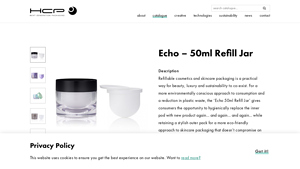
Domaine : hcpackaging.com
Enregistré : 2001 (24 ans)
Introduction : {“Product Name”: “Echo 50ml Refill Jar”, “Description”: “Refillable cosmetics and skincare packaging that allows for hygienic replacement of the inner pod, promoting sustainability and reducing plastic waste while maintaining a stylish outer pack.”, “Dimensions”: {“Height”: “56.7mm”, “Diameter”: “66mm”}, “Capacity”: “54.3ml”, “Materials”: {“Inner Jar”: “PP”, “Outer Jar”: “PETG”, “Inner Cap”: “PP”,…
2. Jarsking – Refillable Cosmetic Packaging
Domaine : jarsking.com
Enregistré : 2022 (3 ans)
Introduction : Leading Refillable Cosmetic Packaging Manufacturer: Sustainable Beauty Solutions for a Circular Economy. Refillable beauty reduces waste and minimizes single-use products, projected to exceed US $64 billion by 2034. Jarsking offers Cradle-to-Cradle inspired packaging solutions with glass, acrylic, and airless systems featuring easy snap-in refill mechanisms. Key product types include: Dual System …
3. 4ocean – Eco-Friendly Skincare Packaging
Domaine : 4ocean.com
Enregistré : 2004 (21 ans)
Introduction : The skincare sector has long been a significant source of plastic waste, with many products packaged in non-recyclable plastic jars, bottles, and tubes. Eco-friendly packaging solutions are being implemented to reduce environmental impact. Key sustainable packaging options include: 1. Glass containers, which are strong, non-toxic, and recyclable, used by brands like Dr. Hauschka and Kiehl’s. 2. Re…
4. Rayuen Pack – Eco-Friendly Cosmetic Jars
Domaine : rayuenpack.com
Enregistré : 2014 (11 ans)
Introduction : Eco-friendly cosmetic jars available for wholesale and customization. Made from materials like PP, PET, PETG for plastic jars and flint, opal white, black, amber glass for glass jars. Features include heavy-wall, double-wall, and thick-wall designs. Customizable options include unique shapes, colors, finishes, and surface decorations such as frosting, matte finishes, color-spray, electroplating, p…
5. Innisfree – Recycling Program
Domaine : reddit.com
Enregistré : 2005 (20 ans)
Introduction : Innisfree – known for its recycling program where customers can return old jars for rewards points. Rohto – offers products with refills, such as the Hada Labo product line. Kikumasamune High Moist – a jumbo hydrating toner/lotion available in a 500ml bottle. Tonymoly Green Tea Watery Cream – criticized for excessive packaging, featuring a larger outer jar and a smaller inner jar.
6. MYPACK – Soft Touch Cosmetic Bottles
Domaine : gzmypack.com
Enregistré : 2020 (5 ans)
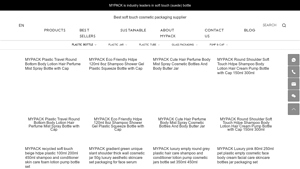
Introduction : Set bottle – Mypack | Best Soft Touch Cosmetic Packaging Manufacturer. MYPACK is an industry leader in soft touch (suede) bottles. Product types include: Plastic bottle, Pump bottle, Squeeze bottle, Spray bottle, Small sample bottle, Sunscreen bottle, Foaming bottle, Oil bottle, Airless bottle, Acrylic bottle, Plastic jar, Biodegradable jar, Cotton pads jar, PET jar, PP jar, PETG jar, Double wall …
7. Topfeel – PJ74 Screw Cap Cream Jar
Domaine : topfeelpack.com
Enregistré : 2010 (15 ans)
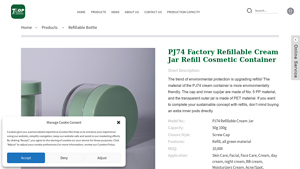
Introduction : {“Model No.”: “PJ74”, “Capacity”: [“50g”, “100g”], “Closure Style”: “Screw Cap”, “Features”: [“Refill”, “all green material”], “MOQ”: “10,000”, “Application”: [“Skin Care”, “Facial”, “Face Care”, “Cream”, “day cream”, “night cream”, “BB cream”, “Moisturizers Cream”, “Acne/Spot”, “Anti-Wrinkle”], “Decoration”: [“Plating”, “painting”, “silkscreen printing”, “hot-stamping”, “label”], “Materials”: {“O…
8. Etsy – Refill Cosmetic Jars
Domaine : etsy.com
Enregistré : 2004 (21 ans)
Introduction : This company, Etsy – Refill Cosmetic Jars, is a notable entity in the market. For specific product details, it is recommended to visit their website directly.
Strategic Sourcing Conclusion and Outlook for Sustainable Cosmetic Jar Packaging Replaceable Cream Jar for Skincare Refillable Cosmetic Packaging
In the evolving landscape of sustainable cosmetic packaging, strategic sourcing of refillable cream jars represents a pivotal opportunity for international B2B buyers. By aligning with manufacturers that prioritize eco-friendly materials and innovative designs, brands can enhance their sustainability profiles while appealing to an increasingly environmentally conscious consumer base. The integration of refillable systems not only mitigates plastic waste but also fosters customer loyalty through convenience and cost-effectiveness.
Investing in high-quality, refillable packaging solutions, such as those offered by HCP Packaging and APC Packaging, enables brands to demonstrate their commitment to sustainability without sacrificing aesthetics or functionality. The ability to customize designs further allows businesses to reinforce their brand identity while meeting regulatory demands, particularly in regions like Europe where regulations against single-use plastics are tightening.
As the global market for refillable packaging is projected to grow significantly, now is the time for brands in Africa, South America, the Middle East, and Europe to seize this opportunity. By prioritizing strategic partnerships with innovative packaging suppliers, businesses can position themselves as leaders in sustainable beauty. Embrace this movement towards a circular economy and invest in solutions that will define the future of skincare packaging.






 French
  English
  Russian
  Spanish
  Italian
  Thai
Thai  Arabic
  Portuguese
  Indonesian
  German